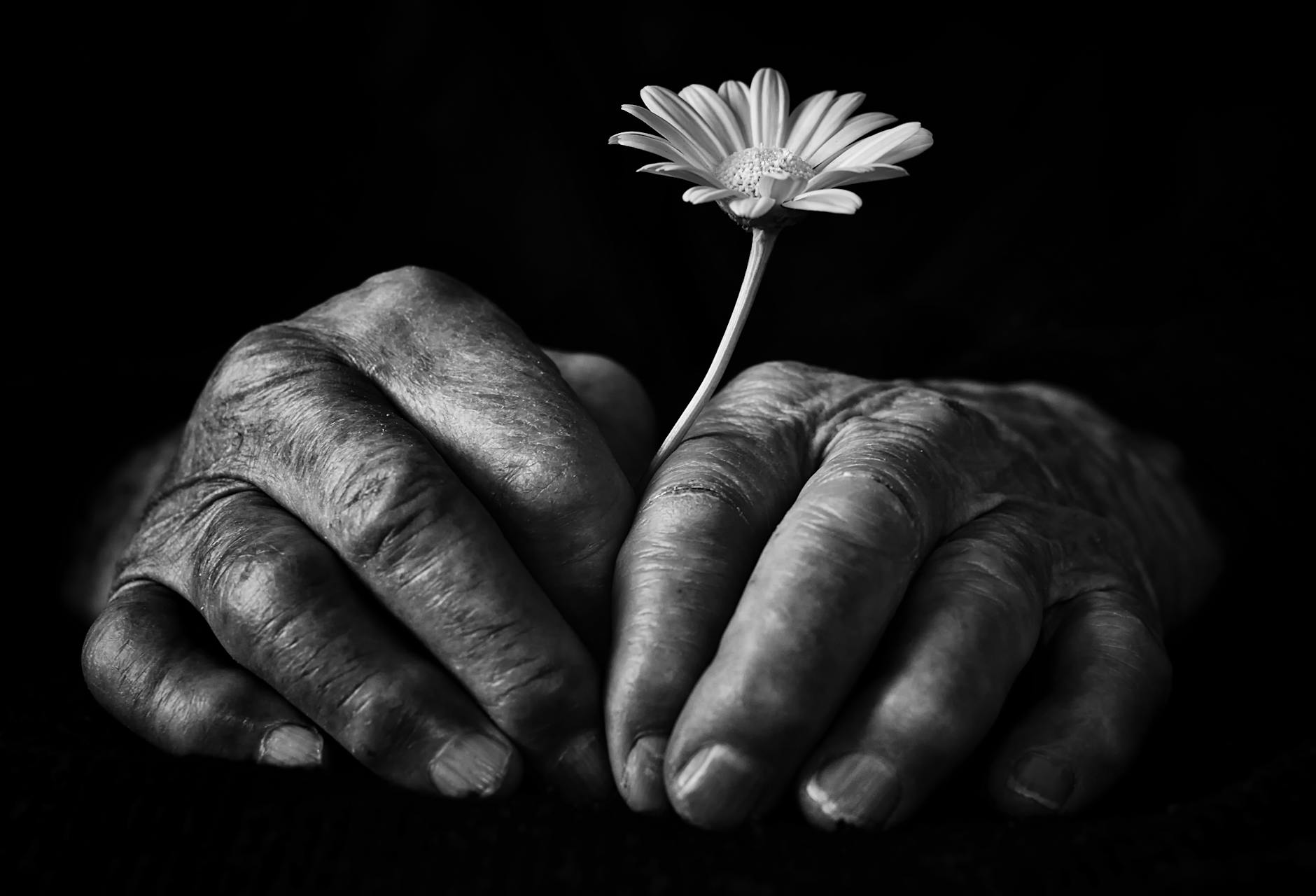
Growing Older With Purpose

Here are some devotional reflections I’ve written for my 72nd birthday:

The passing of years has a way of sharpening what matters most. Looking back, I can see that life has never been a journey travelled alone. Through seasons of joy and sorrow, certainty and doubt, strength and weakness, God has remained faithful.

The psalmist writes, “Even when I am old and grey, do not forsake me, my God, till I declare your power to the next generation” (Psalm 71:18). These words remind us that growing older isn’t a retreat from purpose but an invitation into a deeper one. Wisdom gathered through experience becomes a gift to be shared. The story of God’s faithfulness is never ours to keep to ourselves.

Jesus’ Parable of the Prodigal Son reveals a God whose love is always reaching towards us. Like the father who sees his son while he’s still far away and runs to welcome him home, God meets us with grace before we’ve finished explaining ourselves. Again and again, we discover that we’re not merely tolerated but cherished, embraced, and celebrated.

Life continues to bring challenges, uncertainties, and concerns. Yet Paul’s words offer a steady anchor: “Do not be anxious about anything” (Philippians 4:6). This isn’t a denial of life’s difficulties, but an invitation to trust. God’s peace isn’t dependent on favourable circumstances. It’s a gift that guards the heart even when answers are incomplete.

So, wherever this season of life finds us, we can move forward with confidence. There’s still more to learn, more grace to receive, more love to give, and more of God’s goodness to share. The God who has carried us thus far remains present, still speaking, still welcoming, and still holding us in perfect love.


Hope Beyond the Hills

Psalm 121 reminds us where to look when life feels uncertain, heavy, or overwhelming. The psalmist writes, “I lift up my eyes to the hills, where does my help come from? My help comes from the Lord, the Maker of heaven and earth”. In times of struggle, our instinct is often to look around for answers, reassurance, or rescue. Yet the psalm invites us to look higher, beyond our fears and beyond our own limited strength, to the God who made heaven and earth and who lovingly watches over his people.

Paul echoes this same truth in his words to the church at Philippi: “Do not be anxious about anything, but in every situation, by prayer and petition, with thanksgiving, present your requests to God” (Philippians 4:6-7). Anxiety narrows our vision, but prayer lifts our eyes again towards God. As we place our worries into his hands, his peace begins to guard our hearts and minds, even when circumstances remain difficult.

The hills themselves don’t save us. Hope isn’t found in human strength, earthly security, or temporary solutions. Our help comes from the one who created the hills, the seas, and the skies. The Lord isn’t distant or indifferent. He watches over our coming and going, now and forevermore. His care surrounds every step of our journey.

Psalm 23 reminds us that faith does not remove the dark valleys from life. “Even though I walk through the darkest valley, I will fear no evil, for you are with me” (Psalm 23:4). The promise is not the absence of hardship, but the presence of God within it.

As we open our hearts to him each day, we discover grace for the present moment, strength for the road ahead, and an unshakeable hope that reaches beyond this life into eternity.

Bible 40 Themes 04 Faith

Faith is one of the Bible’s most quietly powerful gifts. It isn’t loud, or showy, or always certain of the next step. More often, faith is the steady courage to keep walking when the road ahead is hidden by mist. Scripture doesn’t present faith as a flawless emotional confidence, but as a deep trust rooted in God’s character and promises.

Hebrews offers a simple and beautiful definition: “Now faith is confidence in what we hope for and assurance about what we do not see” (Hebrews 11:1). That verse carries such tenderness. Faith isn’t pretending we have all the answers. It’s holding on to hope when answers haven’t arrived yet. It’s trusting that God is still present, still working, even when our eyes cannot trace his hand.

The stories of faith throughout the Bible are full of ordinary people stepping forward with trembling hearts. Abraham left home without knowing where he was going. Moses stood before Pharaoh with nothing but God’s promise. Ruth walked into an uncertain future guided only by loyalty and love. None of them had a clear map, but they had God, and that was enough to take the next step.

Faith, then, is less about certainty and more about relationship. It grows not through control, but through surrender. It deepens when we pray honestly, when we wait patiently, when we keep choosing trust over fear. Faith isn’t a demand to feel strong, but an invitation to lean on the strength of God.

Sometimes faith feels solid like a mountain. Sometimes it feels fragile like a candle flame. Yet even the smallest faith, placed in the hands of a faithful God, can shine through darkness. Faith isn’t measured by how steady we feel, but by who we are holding on to.

If you’re carrying questions today, you’re not alone. Faith doesn’t erase doubt, but it invites us to bring our doubt into God’s presence. The invitation of Hebrews is simple: keep hoping, keep trusting, keep stepping forward, because God is trustworthy, even when the way is unseen.

And perhaps this is the quiet miracle of faith, that step by step, we discover we were never walking alone.

This is one of a series of posts outlining 40 themes of the Bible. Previous Next

Bible 40 Themes 03 Promise

Promise is a word we learn early, often through the ache of disappointment. We discover, sometimes painfully, that human promises are fragile things, shaped by good intentions but limited by weakness, forgetfulness, fear, or changing circumstances. Yet Paul speaks into that shared human experience with a steady, hope-filled assurance when he writes that no matter how many promises God has made, they are “Yes” in Christ. It’s a sweeping claim, not naïve optimism, but a grounded declaration rooted in the life, death, and resurrection of Jesus.

God’s promises aren’t abstract ideas floating above history. They’re woven through the long, messy story of scripture, promises of blessing, justice, mercy, restoration, forgiveness, and new life. Some seem delayed, others contested, and many misunderstood. But Paul insists they find their coherence, their fulfilment, and their trustworthiness in Christ. Jesus isn’t simply one more promise among many. He’s the living confirmation that God means what God says.

In Christ, the promises of God aren’t merely spoken, they’re embodied. When God promises forgiveness, we see it in Jesus eating with sinners and praying for his executioners. When God promises new life, we see it in empty tombs and transformed lives. When God promises presence, we hear Jesus say, quietly but decisively, that he’s with us always. The “Yes” of God isn’t a distant agreement but a costly commitment, sealed in love and faithfulness.

This matters deeply for how we live. Faith isn’t about clinging to isolated verses or hoping hard enough that things will turn out well. It’s about trusting the character of God revealed in Christ. Even when circumstances feel like a resounding “No”, even when prayers seem unanswered, the deeper promise still stands. God hasn’t withdrawn, changed his mind, or lost interest. The story isn’t finished yet.

To live as people of promise, then, is to anchor ourselves in Christ, returning again and again to that central truth. God’s promises are not dependent on our performance or certainty. They rest in God’s own faithfulness. In Christ, God has already said “Yes”, and that yes continues to echo through our doubts, our waiting, and our hope, steady, resilient, and alive.

This is one of a series of posts outlining 40 themes of the Bible. Previous Next

Stuck in the Mud

Waiting can feel like being stuck in the mud, energy draining away as each step sinks deeper. Psalm 40:1-8 gives language to that experience, the long, faithful waiting that isn’t passive but aching with hope. “I waited patiently for the Lord,” the psalmist says, and then comes the turning point, God inclines, listens, and lifts. The rescue is physical and emotional, drawn up from the slimy pit and set on rock, stability replacing fear.

A new song follows, not forced praise, but gratitude born of being held when escape seemed impossible.

Mark 2:1-12 shows us that same rescue. A paralysed man is carried by friends who refuse to let obstacles have the final say. Their faith climbs, digs, lowers, and trusts. Jesus sees it and speaks words that go deeper than anyone expects: “Son, your sins are forgiven.” Before strength returns to limbs, wholeness begins in the heart. The teachers object, but Jesus names what God has always been doing, healing that reaches beneath the surface. The man is lifted up, and feet made firm. A new song walking out into the street.

These passages remind us that God’s rescue is never shallow. He hears the cry, heals what’s hidden, and steadies our lives from the inside out. True worship isn’t empty offering, but a heart that can finally say, “I desire to do your will, my God,” because it’s known what it is to be forgiven, lifted, and made whole.

Holocaust Memorial Day

Holocaust Memorial Day calls us into a sacred kind of remembering, not distant or abstract, but close to the heart, where names, faces, and stories matter. We remember the six million Jewish lives stolen, alongside Roma, disabled people, LGBTQ+ people, political dissidents, and so many others whose humanity was denied. We don’t remember to wallow in despair, we remember because love demands truth, and because forgetting is the first step towards repeating.

Scripture doesn’t offer easy comfort here, but it does offer presence. “The Lord is close to the brokenhearted and saves those who are crushed in spirit,” the psalmist writes, and we cling to that promise for every life shattered by hatred. The cry of Micah still confronts us with holy clarity: God requires us “to act justly and to love mercy and to walk humbly with your God.” Remembrance, then, is not passive, it’s a call to live differently.

We hold the tension between grief and hope. We name the darkness honestly, because anything less would betray the truth, yet we also dare to believe with John’s gospel that “the light shines in the darkness, and the darkness has not overcome it.” That light flickers in every act of resistance to hatred, every stand against prejudice, every choice to protect the dignity of another.

Today, we remember with reverence, we lament with sincerity, and we commit ourselves again to compassion, justice, and courageous love, trusting that God’s memory is deeper than ours, and that no life, no story, no tear is ever forgotten.

St Dwynwen’s Day

Saint Dwynwen’s Day is celebrated on 25 January as the Welsh day of love and friendship, often compared to Valentine’s Day but with a gentler, more reflective tone. Dwynwen was a fifth century princess, said to be one of the daughters of Brychan Brycheiniog, whose story blends history, legend, and faith. She fell in love with a young man named Maelon, yet circumstances and family opposition meant they could not be together. Heartbroken, Dwynwen prayed for relief from her anguish and for the happiness of others in love. According to tradition, her prayers were answered through a series of miracles, leading her to dedicate her life to God and to become the patron saint of lovers.

Her story is rooted on the island of Llanddwyn, off the coast of Anglesey, where the ruins of her church still stand among dunes and seabirds. For centuries, people visited the holy well there, believing its movements could foretell the fate of relationships. Today, Saint Dwynwen’s Day is marked with cards, small gifts, poetry, and messages of affection, especially in Welsh, celebrating both romantic love and deep friendship.

The day carries a distinctively Welsh flavour, honouring language, heritage, and the quieter virtues of compassion, fidelity, and self giving love. It offers a reminder that love isn’t only about grand gestures; it’s also about prayerful hope, gentle kindness, and the courage to wish well for others, even when our own hearts have known sorrow. For many, it’s a tender winter pause for gratitude and connection.

From Calling to Witness

There are seasons when hope arrives quietly, almost unnoticed, like the first green shoots after a long winter. We speak of God doing new things, yet we often expect clarity and momentum before we trust. Scripture invites us into a gentler posture of attentiveness.

Isaiah 43:19 whispers promise into dry places, see, I am doing a new thing, now it springs up, do you not perceive it, while Hosea 10:12 urges us to break up unploughed ground and seek the Lord until righteousness falls like rain. Together they call us to watchfulness, to faithful openness, to the slow work of soil being turned and grace already moving beneath the surface.

Isaiah 49:1–7 gives voice to the ache many carry, a sense of calling without visible fruit, labour poured out with little to show. The servant speaks honestly of frustration, yet still trusts that my reward is with the Lord. What feels hidden or wasted is held within a larger purpose, a calling that widens from restoring what is familiar to becoming a light to the nations. God’s work is rarely as small as we fear.

Psalm 40:1–12 captures the texture of lived faith. The psalmist waits patiently, cries out, and is heard. God lifts them from the pit and sets their feet on firm ground. Praise rises, not as performance, but as a life reshaped from within. Obedience matters more than sacrifice, because God’s law is written on the heart. Gratitude for past rescue sits alongside honest prayer for mercy, forgiveness, and help, reminding us that trust is both tender and resilient.

Paul opens his letter in 1 Corinthians 1:1–9 by speaking grace over a fragile community. They are called, gifted, and held, not because they are strong, but because God is faithful. Their future rests not on competence, but on the promise that God will sustain them to the end. It’s a reassurance for every imperfect believer who keeps turning up with open hands.

In John 1:29–42, everything turns on encounter. John the Baptist points beyond himself to Jesus, the Lamb of God who takes away the sin of the world. Two disciples follow, hesitant yet curious, and hear the simple invitation, come and see. They stay, they listen, they are changed, and witness begins to ripple outward, one life quietly touching another.

Across these readings runs a shared rhythm of calling before clarity, waiting before fruit, faithfulness before recognition. God works through what feels small, hidden, or unfinished. If we live with expectancy, offering our daily yes, we may discover that we’re already standing within God’s new thing, grace unfolding gently, faithfully, and far beyond what we can yet perceive.

Note: This devotional is based on worship I led at Horden Salvation Army on Sunday 18 January 2026, you can see my full notes by clicking here.

Drowning in Simplified Certainties

Many things in our modern world require complex explanation, yet people increasingly want simple, black and white answers. We live in an age shaped by science, technology, economics, psychology, and global interconnection, all of which are layered and subtle. Real understanding often demands patience, humility, and a willingness to sit with uncertainty. But too many people resist that discomfort. They’d rather reach for certainty than wrestle with complexity, rather accept a neat story than think carefully about probabilities, evidence, or the messy realities of human behaviour.

Social media makes this worse. Its design rewards speed over reflection, outrage over balance, and certainty over curiosity. Algorithms don’t promote nuance because nuance doesn’t travel well. What spreads fastest are the loudest, simplest, most emotionally charged claims, regardless of whether they’re true. In that environment, conspiracy theories flourish and extremism feels normalised. Ignorance isn’t just tolerated; it’s amplified, packaged, and broadcast with confidence.

That’s what makes it so exhausting. Trying to explain basic concepts in science, history, or maths can feel like pushing against a tide. Conversations that should begin with shared foundations often start with fundamental misunderstandings. Instead of building on common ground, you’re forced to go back to first principles again and again. It drains energy, patience, and hope. Yet the work still matters, because without careful thinking, honest learning, and respect for complexity, we lose our grip on truth itself, and that loss carries consequences for everyone.

An Invitation to Hope

A New Year always arrives quietly. No fanfare, no guarantees, just a clean page waiting for the first mark. It can feel hopeful and heavy all at once. We carry into the New Year the joys we want to protect and the disappointments we’d rather leave behind. And yet, here we are, breathing, still becoming.

This is a gentle reminder that you don’t have to rush. Growth rarely announces itself with fireworks. More often, it looks like small, faithful steps taken when no one is watching. A kinder word spoken. A habit nudged slightly in a healthier direction. A decision to begin again, even if you’ve already begun many times before.

The New Year isn’t a test you can fail. It’s an invitation. An opening to live a little more truthfully, love a little more bravely, and listen a little more deeply, to others, to yourself, and to God. Scripture often speaks of newness not as something dramatic, but as something quietly persistent. Morning by morning, mercies renewed. Strength given for today, not for the whole year at once.

So set your intentions lightly. Hold your plans with humility. Celebrate progress, however modest it seems. And when you stumble, because you will, remember that grace doesn’t run out in February.

May this New Year be shaped not by pressure, but by purpose. Not by fear, but by faith. Step forward with hope, trusting that even unfinished, uncertain steps can still lead somewhere good.