International Migrants Day

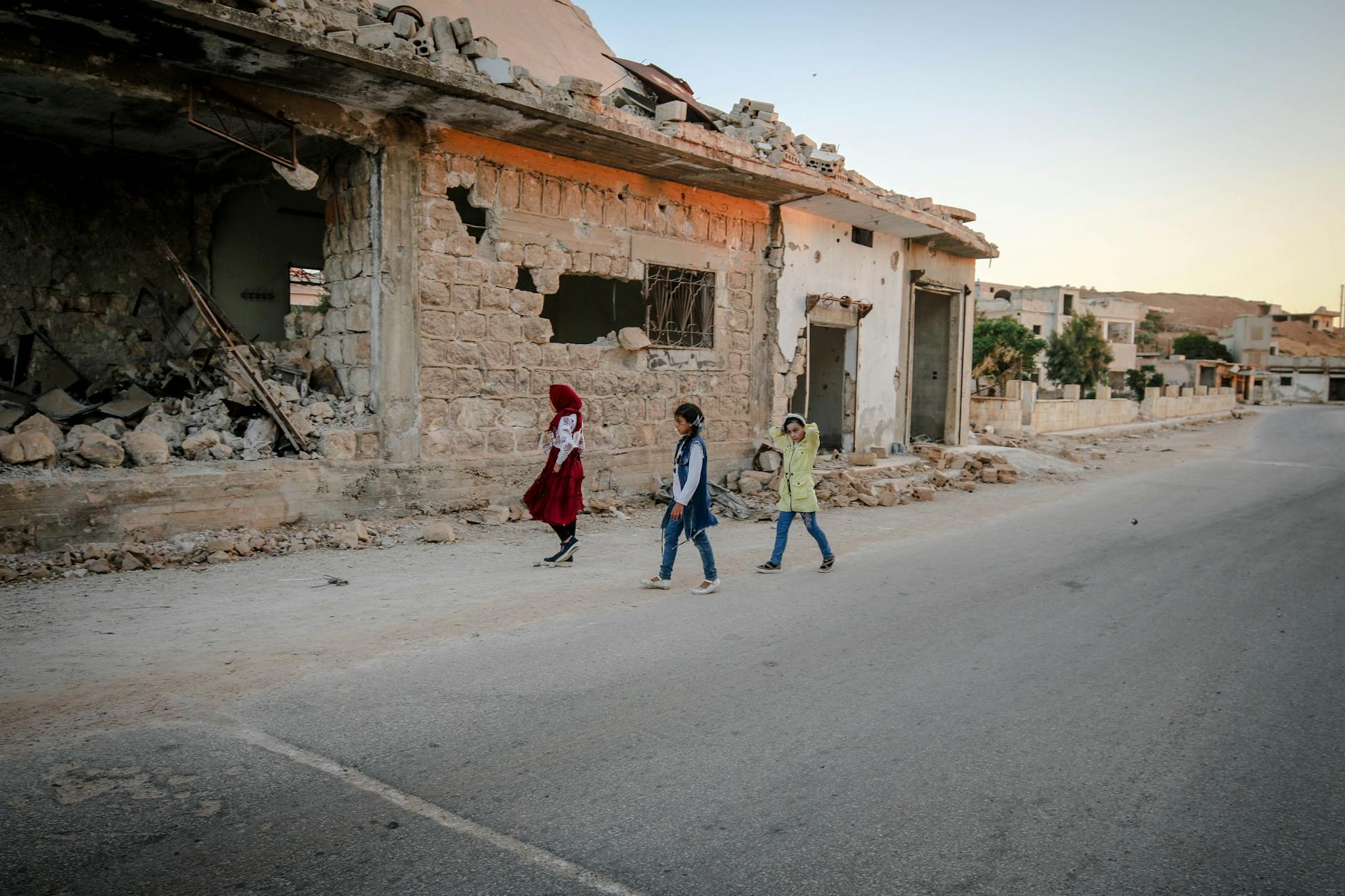
International Migrants Day is marked each year on 18 December, inviting us to pause and really see the people behind the word “migrant”. It was established by the United Nations to recognise the millions who live, work, study, and raise families away from the place they first called home, often carrying both hope and grief in the same suitcase. Some move by choice, others by necessity, many by a mixture of both, yet all share the experience of crossing boundaries, visible and invisible.

The day shines a light on the contributions migrants make to societies, economies, cultures, and communities, contributions that are too easily overlooked or reduced to statistics. It also draws attention to the realities many face, exploitation, dangerous journeys, separation from loved ones, and the quiet strain of never fully belonging. At its heart is a call to dignity, fairness, and compassion, reminding us that human rights don’t stop at borders.

International Migrants Day asks more than polite sympathy. It challenges us to listen carefully, to resist fear-driven narratives, and to remember that migration is as old as humanity itself. It’s a moment to recognise shared vulnerability and shared strength, and to choose hospitality over suspicion, solidarity over indifference.

Rejoining the EU Erasmus Scheme

It’s been announced today (Wednesday 17 December 2025) that the UK will be rejoining the EU Erasmus Scheme. This fantastic opportunity was stolen from our young people following a foolish Brexit decision and a disastrous deal.

Its return matters deeply because Erasmus is about far more than study placements or exchange terms. It opens doors to language learning, cultural understanding, friendship across borders, and the quiet confidence that comes from discovering you can belong in more than one place.

I saw this first-hand through my grown up daughter, Sarah, who benefited immensely from her time in Bologna. The experience shaped her academically, stretched her personally, and left her with friendships, memories, and a sense of Europe that no classroom alone could ever provide.

For countless students, particularly those from less privileged backgrounds, Erasmus was a first passport stamp, a first step beyond the familiar, and a powerful reminder that Europe isn’t an abstract idea but a shared human space. Rejoining sends a signal that we’re serious about investing in the next generation, trusting them to learn, travel, collaborate, and imagine bigger futures.

It won’t undo all the damage of Brexit, but it’s a meaningful act of repair, restoring opportunity, dignity, and hope where they were unnecessarily taken away.

Bible 40 Themes 02 Covenant

Covenant is one of those biblical words that can sound distant, even legalistic, yet at its heart it speaks of relationship, commitment, and promise held steady across time. In Genesis 17, God says to Abram, later named Abraham, I will establish my covenant between me and you and your descendants after you throughout their generations as an everlasting covenant, to be your God and the God of your descendants after you. These words are spoken not into certainty, but into vulnerability. Abram is old, childless by human reckoning, living between promise and fulfilment. Covenant begins there, not with achievement, but with trust.

What’s striking is that the covenant isn’t presented as a contract between equals. Abram doesn’t negotiate terms or offer guarantees. The promise flows one way, grounded in God’s faithfulness rather than human reliability. This is an everlasting covenant, stretching beyond one lifetime, beyond one moment of obedience or failure, binding generations yet unborn into a story of belonging. It reminds us that faith has a long memory and a wide horizon. We inherit promises we didn’t earn, and we live in ways that will shape people we’ll never meet.

Covenant also names identity. To be your God is relational language, intimate and personal, not abstract theology. It speaks of presence, guidance, and care. In a world shaped by transactions, productivity, and conditional acceptance, covenant insists that relationship comes first. We aren’t held by God because we perform well, but because we’re known and named. Abraham’s new name marks that shift, from who he was to who he’s becoming, shaped by promise rather than past limitation.

Yet covenant isn’t passive. Abraham is invited to walk before God faithfully, to live as someone whose future is already spoken for. Covenant creates a way of life rooted in trust, generosity, and hope. It asks us to live now as if the promise is true, even when the evidence feels thin.

In our own lives, covenant can feel fragile. We’re aware of broken promises, fractured relationships, and our own inconsistency. Genesis 17 gently reminds us that the deepest promise does not rest on our steadiness, but on God’s. The covenant holds when we waver, stretches across time, and quietly insists that grace will have the final word.

Bible Reference: Genesis 17

The Jewish Festival of Hanukkah

Today, 15 December in 2025, Jews around the world gather to celebrate the first day of Hanukkah, a festival rich in memory, meaning, and light. As winter deepens and days feel short and fragile, Hanukkah arrives as a quiet but resilient act of hope. It recalls a moment when faith was threatened by oppression and conformity, and when a small community chose courage, identity, and trust over fear.

At the heart of Hanukkah is the lighting of the menorah, one candle on the first night, growing steadily brighter as each evening passes. It’s a gentle ritual, yet deeply powerful, reminding those who take part that light doesn’t need to be overwhelming to be transformative. Even a single flame can push back darkness, can offer warmth, can be seen from a window and shared with the world outside.

The festival remembers the rededication of the Temple in Jerusalem and the story of the oil that should have lasted one day but burned for eight. Whether heard as history, tradition, or sacred story, it speaks of endurance beyond expectation, of provision where none seemed possible. It invites reflection on what it means to stay faithful when resources are thin and the odds feel stacked against you.

Hanukkah is also a time of joy, family, food, song, and storytelling. Children play games, gifts are exchanged, and tables are filled with foods fried in oil, celebrating abundance in the midst of scarcity. In a fractured world, Hanukkah offers a steady, luminous reminder that identity matters, hope endures, and light, patiently tended, can still change everything.

Note: The date of Hanukkah changes each year because it follows the Jewish calendar rather than the Gregorian calendar used by most of the world. The Jewish calendar is lunisolar, shaped by both the moon and the sun. Months begin with the new moon and last 29 or 30 days. Hanukkah always starts on the 25th day of the Hebrew month of Kislev, but because the Jewish year doesn’t match the length of the solar year, the festival shifts when mapped onto the Gregorian calendar. To keep festivals in their proper seasons, the Jewish calendar occasionally adds an extra month. This prevents celebrations from drifting through the year, but the exact Gregorian date still varies, usually falling in late November or December. So while Hanukkah’s timing is fixed within Jewish tradition, it appears to move each year on modern calendars, reflecting an ancient, carefully balanced way of marking time.