Breaking the Silence on Brexit

Sir Keir Starmer’s signal that the government will step up its criticism of Brexit feels like the beginning of a gentle but necessary reckoning; a moment when the country is finally invited to name the truth that’s been sitting heavily on us for years. So many promises were made in 2016, and so many of them were built on sand: claims about billions for the NHS, effortless trade deals, frictionless borders, and a world queueing up to prioritise Britain. Those lies shaped expectations, stirred emotions, and pushed people towards a path that hasn’t delivered the renewal or control they were told to expect. Now, with a quieter honesty, the government seems ready to acknowledge that Brexit hasn’t offered the stability or prosperity once promised.

By placing renewed emphasis on repairing relations with Brussels, Labour isn’t trying to reopen old divisions; it’s acting out of pragmatic realism. Closer cooperation with our nearest neighbours offers smoother trade, stronger supply chains, and a steadier economic climate. It also draws a clear contrast with Reform UK’s politics of resentment and retreat.

Hopefully, Labour can offer something steadier: the belief that partnership, shared standards, and respectful dialogue are acts of responsibility, not surrender. Many people who voted Leave weren’t gullible or unthinking; they were hopeful. They wanted a fairer deal, more security, and a sense that life might open up rather than narrow down. When those hopes haven’t been met, people are willing to listen again, as long as they’re met with honesty.

There’s something restorative in this shift, because it gently invites us to stop pretending. We can admit that we’re tired, that isolation hasn’t served us well, and that healing begins with truth. If the government speaks plainly, avoids the lure of easy slogans, and offers a hopeful, cooperative path forward, it may help the country breathe again.

International Volunteer Day

International Volunteer Day on 5 December is a wonderful chance to celebrate everyone who gives their time and energy to help others. If you already volunteer, please know this: you make an enormous difference. Whether you’re cheering at events, supporting neighbours, protecting the environment, or helping in local groups, your kindness makes communities warmer and stronger. Thank you for showing up; it matters more than you might realise.

It’s also a great moment to invite those who haven’t tried volunteering yet. You don’t need special skills or loads of free time; you just need a willingness to help. Volunteering isn’t only about giving; it’s about gaining friendships, confidence, purpose, and joy. Ask any volunteer and they’ll tell you that you might be surprised by how much it gives back.

So this International Volunteer Day, let’s celebrate the amazing people who are already making a difference, and gently encourage others to join in. Your community needs your gifts, your time, and your heart. And who knows? You might discover that volunteering is exactly what you’ve been looking for.

What is a Supermoon?

A supermoon is one of those small celestial gifts that invites you to pause, look up, and remember how closely we’re tied to the rhythms of creation. It isn’t a different kind of moon, although it certainly looks that way.

A supermoon happens when the full moon occurs at the same time the moon is at, or very near, the point in its elliptical orbit that brings it closest to Earth. This point is called perigee, and because the moon is several thousand miles nearer than usual, it appears larger to the eye and slightly brighter, with a softer, more luminous glow that seems to rest gently on the landscape.

The effect is subtle rather than dramatic. You won’t see the moon looming over rooftops like something from a film poster, yet you may notice that it feels fuller, more present, and somehow more compelling. People often describe supermoons as stirring something emotional, perhaps because light has a way of reaching more than our eyes. The moon’s pull shapes the tides, the habits of wildlife, and the way we tell stories. When it appears a little closer, those connections feel closer too.

Supermoons have become moments when communities gather. Photographers wait for that quiet instant when the rising moon sits on the horizon, and runners, night hikers, and families step outdoors simply to enjoy the sight. It’s a reminder that the heavens aren’t distant or indifferent, they’re part of the same world that holds us, and sometimes they shine a little brighter to make sure we notice.

Lifting the two-child benefit cap

Lifting the two-child benefit cap is often painted as indulgent and unfair, yet it carries clear social and economic advantages that ripple far beyond individual families. It recognises that children aren’t responsible for the circumstances they’re born into, and that society’s strength is measured by how we treat its most vulnerable.

Removing the cap helps prevent families from slipping into deep poverty; it gives parents room to breathe, make wiser choices, and build a more stable home. When families aren’t constantly fighting scarcity, children thrive: better nutrition, better school attendance, and a calmer emotional climate. Those outcomes echo into adulthood, breaking patterns of hardship rather than entrenching them.

Economically, it’s a long-term investment. Child poverty costs the UK billions every year in lost potential, higher health needs, and greater strain on public services. Supporting families early reduces those pressures. And it restores a principle that many feel had been eroded: benefits should meet actual need, not punish family size.

The Danger of Lazy Thinking

Trust in politicians may be at an all-time low; yet there’s a quieter, and in many ways deeper, threat to democracy in the way feelings and opinions are so often allowed to overshadow facts and expert insight. When that happens, public conversation becomes blurred, as if clarity itself has slipped out of reach. Confident claims start to carry the same weight as careful evidence, and the people who shout the loudest begin to drown out those who’ve spent years studying the issues that shape our common life.

It’s easy to see why this happens. Facts can feel slow, demanding, or inconvenient, while opinions offer something quicker and simpler, a shortcut that seems to spare us the effort of wrestling with complexity. Yet democracy rests on the willingness of ordinary people to stop, listen, and think with generosity and humility. Experts aren’t flawless, but their work – tested, challenged, and refined – gives us the best chance of understanding the world as it really is, rather than as we wish it to be.

If we want a healthier public square, we need to nurture a spirit of curiosity. That means reading beyond the surface, noticing where information comes from, and speaking with people who see things differently without slipping into suspicion or scorn. It asks us to value substance over spectacle, patience over instant certainty, and truth over the comfort of hearing only what we want to hear. Democracy grows stronger when we choose that slower, braver path: the one that leads us back to honesty, compassion, and shared responsibility.

Why is Socialism feared?

The negative portrayal of socialism has deep roots, and it isn’t really about the ideas themselves so much as the stories that have been told about them.

For more than a century, powerful interests have framed socialism as something to be feared, often because it challenges the concentration of wealth and asks hard questions about fairness, community, and economic justice. During the Cold War those fears hardened; western governments, media, and cultural institutions painted anything associated with collective provision as a slippery slope towards authoritarianism. That legacy still lingers, long after the geopolitical context has changed.

There’s also a tendency in public debate to flatten socialism into its worst historical examples. Instead of seeing it as a broad tradition with democratic, ethical, and community-centred strands, people often hear the word and think immediately of failed states or heavy-handed regimes. It’s easier to caricature than to explore nuance, and outrage always travels further than careful explanation.

At the same time modern politics rewards simple binaries. Calls for stronger public services, fair wages, or shared responsibility get bundled together as “socialism”, then dismissed as unrealistic or dangerous, even though many of these ideas already sit quietly at the heart of everyday life: the NHS, public libraries, state education, and the principle that no one should be left behind.

In truth socialism is portrayed pejoratively because it threatens comfortable assumptions. It asks us to look again at how we live together, who benefits, and who’s forgotten, inviting a conversation about compassion, community, and the common good.

Don’t Share Rage Bait!

Rage bait has become one of the defining features of our online lives; it slips into news feeds, social networks, and comment threads with a quiet ease, stirring us before we’ve even realised what’s happening. It’s crafted to provoke a sharp emotional reaction, often anger or disgust, because those feelings are powerful drivers of clicks and shares.

The content doesn’t need to be accurate, fair, or thoughtful; it only needs to be provocative enough to pull us in. Once we’re hooked, the algorithms reward the engagement, and the cycle repeats: outrage breeds interaction, interaction amplifies visibility, visibility shapes perception.

It’s tempting to think we’re immune, yet rage bait works precisely because it appeals to our sense of justice, our frustrations with the world, and our desire to defend what matters. It can leave us feeling riled and drained, as though we’ve spent energy on something hollow. Over time, it dulls our compassion, erodes trust, and narrows our ability to listen. It also strips away nuance, replacing it with a simplified ‘us versus them’ worldview that doesn’t honour the messy, complicated truth of real human experience.

Choosing not to take the bait is an act of quiet resistance. It asks us to pause, breathe, and treat our attention as something precious. It invites us to look for stories that build rather than break, and conversations that nourish rather than consume. In that pause, there’s space for curiosity, gentleness, and the recognition that most people are far more than the headlines designed to make us hate them.

World AIDS Day

World AIDS Day invites us to pause and look honestly at a story that’s still unfolding; a story shaped by loss, courage, stigma, resilience, and hope. It’s a moment to remember every name, every family, and every community affected by HIV and AIDS, and to let their experiences deepen our compassion. Behind the headlines are people whose lives have been marked by both struggle and remarkable strength.

For decades, many lived through fear, silence, and discrimination. Yet alongside the pain are countless examples of bravery: activists who fought for access to treatment, healthcare workers who showed unwavering care, and communities who stood beside people when wider society didn’t know how to respond. Their determination quietly changed the world, opening doors to treatment, understanding, and dignity.

World AIDS Day asks us not only to honour the past, but to commit ourselves to the present. HIV remains a daily reality for millions, especially where inequality, poverty, or limited healthcare still create barriers. Stigma continues to harm lives, sometimes more deeply than the virus itself, and it’s within our power to challenge it whenever we encounter it.

This day reminds us that compassion isn’t abstract, it’s practical and human. Listening well, speaking kindly, supporting reliable information, and ensuring no one feels alone all play a part. Hope grows through small, deliberate acts that affirm someone’s worth. When we choose understanding over judgement, and solidarity over indifference, we help shape a world where dignity and health are shared by everyone.

Roman Welfare Benefits

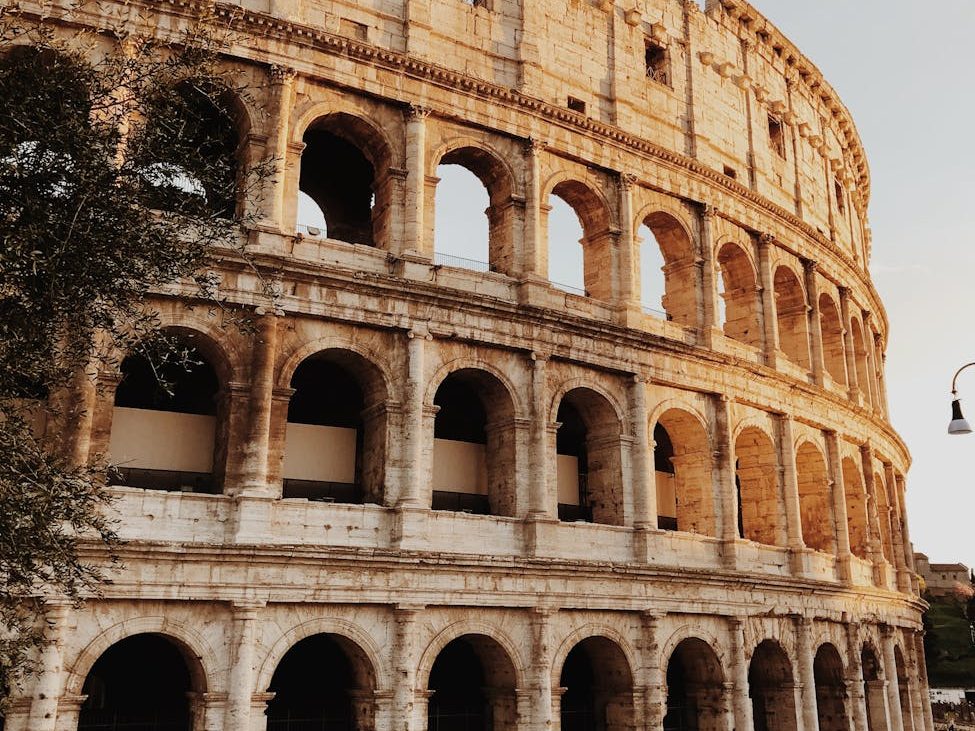
It’s easy to imagine the ancient world as hard, unforgiving, and uninterested in the wellbeing of ordinary people, yet the Romans quietly remind us that societies have always wrestled with how to care for those who’re vulnerable. They didn’t have anything like a modern welfare state, but they did understand that a city, and an empire, couldn’t hold together unless people had enough to live on. That sense of shared responsibility feels surprisingly familiar.

In Rome, the annona – the state grain supply – became a lifeline. Huge quantities of grain were shipped in from across the empire and distributed free or at subsidised prices to the city’s poorer citizens. Taxes, rents, and provincial revenues made it possible. It wasn’t simply largesse; it was a recognition that a hungry population breeds unrest, while a fed population can breathe, hope, and build.

Later, under Trajan, the alimenta scheme offered support for orphaned and poor children in Italy. Money from taxes and state-managed loans funded regular payments to help them grow, learn, and thrive. It wasn’t universal, and it certainly wasn’t perfect, but there was a quiet moral thread running through it: children matter, and society can’t flourish if they’re left behind.

Even the emperors’ occasional cash gifts, debt relief, or employment through public works carried the same message. However self-interested those acts were, they revealed an understanding that prosperity isn’t just an individual pursuit; it’s something held in common, something tended and shared.

When you look at it this way, the Romans weren’t just building roads and aqueducts. They were experimenting with the idea that a community should look after its people – an idea that still shapes the choices we make today.

Lancashire Day

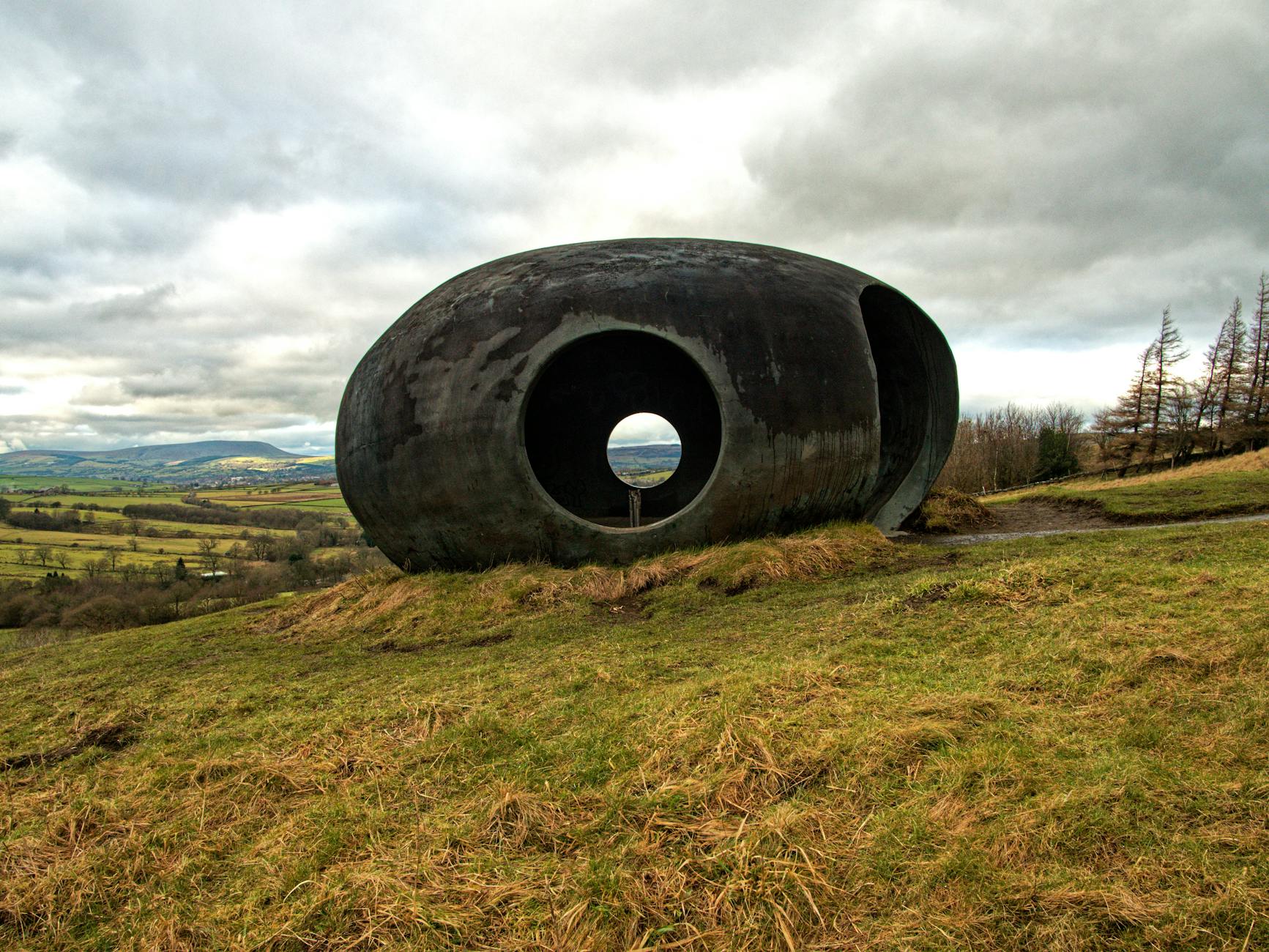
Lancashire Day, marked every year on 27 November, is a chance for people across the historic county to recognise and celebrate Lancashire’s heritage. The date commemorates the moment in 1295 when Lancashire first sent representatives to Parliament, which is why it’s often described as the county’s official “birthday”. Today, it’s used as an opportunity to highlight the history, culture, and identity of a region that’s played a significant role in shaping the UK.

Across the county, councils, community groups, and local organisations use Lancashire Day to promote everything from traditional food to local industry. You’ll often hear the official Lancashire Day proclamation read out, affirming loyalty to the county and reminding people of its historic boundaries, which are wider than the present administrative ones. Many residents still take pride in identifying with the traditional county rather than the modern divisions created in the 1970s.

Lancashire’s story is closely tied to the Industrial Revolution, the growth of the textile industry, and the development of seaside towns like Blackpool and Morecambe. Lancashire Day provides a simple way to reflect on these contributions and to acknowledge how the county continues to evolve through education, culture, sport, and innovation.

What stands out about the day is how grounded it is. There are no grand ceremonies; instead, it’s about local pride, a sense of belonging, and an appreciation for the everyday character of the county. Lancashire Day reminds people where the county has come from, and why its identity still matters to so many.