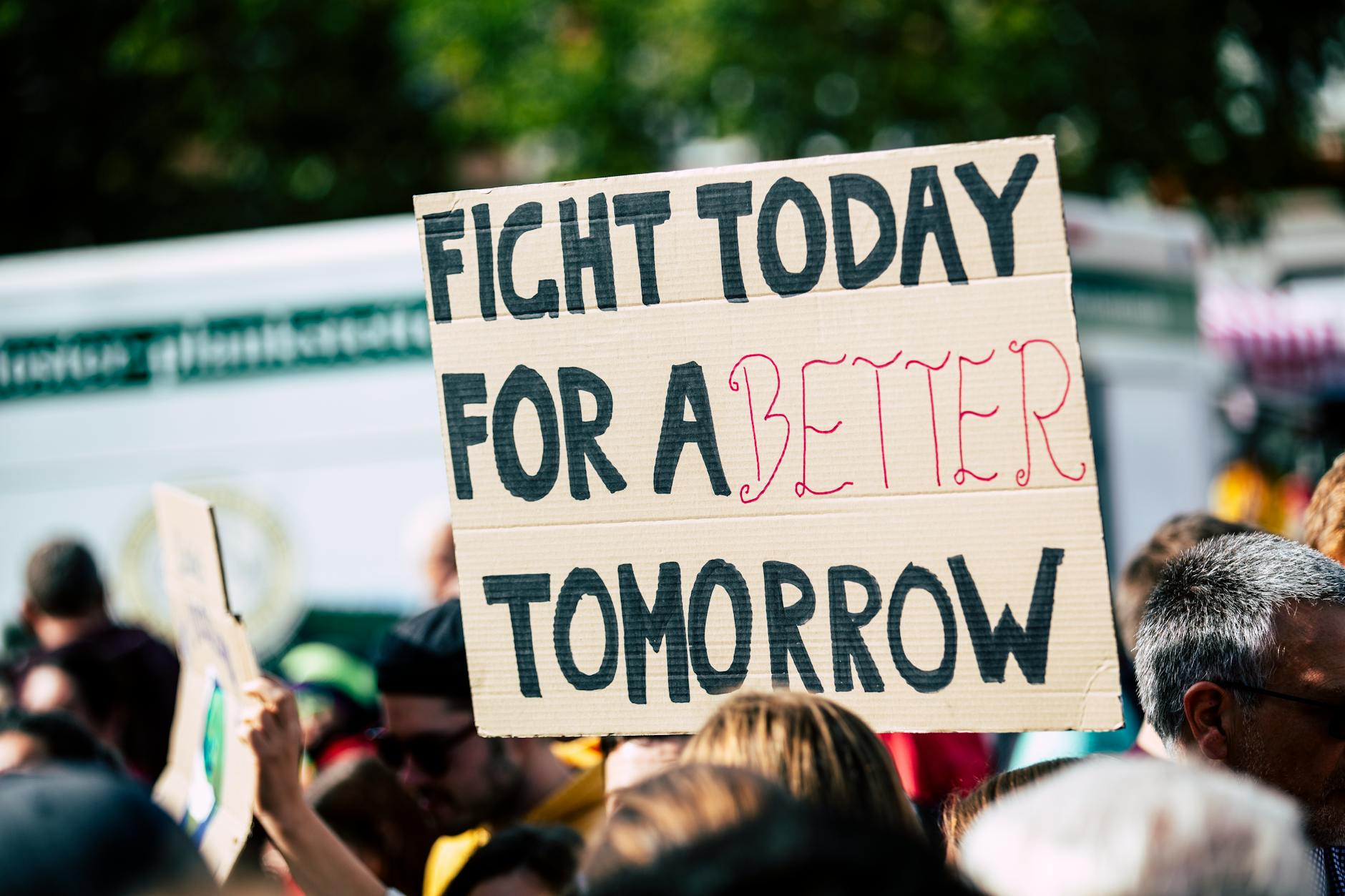
When it comes to climate change and pollution, we’re all hypocrites. There’s no inconsistency here, and that’s the point of the protests as I understand them. This is so bound up to our whole way of life that radical change is needed. As individuals we can only do so much, corporations and governments have to make the changes for the wellbeing of the planet.
Every one of us depends on systems that damage the environment, transport, food, technology, energy, even healthcare. It’s impossible to live in the modern world without leaving a carbon footprint, and yet we’re rightly alarmed by the damage being done. The hypocrisy isn’t moral failure; it’s a symptom of being trapped within a system that’s built on unsustainable foundations. Protesters aren’t pretending to be pure; they’re acknowledging the truth that we’re all implicated, but still calling for something better. They remind us that caring about the planet doesn’t require perfection; it requires persistence, honesty, and courage.
Recycling, eating less meat, or driving electric cars are valuable acts, but they’re not enough to counteract industries that pour billions of tonnes of carbon into the atmosphere each year. Systemic change demands bold political leadership and corporate accountability. Governments must legislate for cleaner energy, fairer trade, and sustainable agriculture. Corporations must stop externalising costs to the environment and start treating the planet as a partner, not a resource to exploit.
Humanity is capable of extraordinary cooperation when the stakes are high, and they couldn’t be higher than this. If we can face our shared hypocrisy with humility and hope, perhaps that’s where true change begins.
There’s something unsettlingly fascinating about The Traitors. On the surface, it’s a game of bluff and deduction wrapped in the grandeur of a Scottish castle; a clever blend of mystery, competition, and psychology. Yet beneath its glossy entertainment lies an ethical puzzle that speaks to the darker corners of human nature and our appetite for deceit when packaged as prime-time television.
At its heart, The Traitors thrives on manipulation. Participants are encouraged to lie, deceive, and even feign friendship to survive. The audience is complicit too, delighting in the tension as alliances fracture and trust dissolves. It’s compelling to watch, but it also raises uncomfortable questions: what does it say about us that we find deceit so entertaining? When lying becomes a route to success and betrayal earns applause, are we dulling our moral senses or simply exploring them in a safe, constructed world?
There’s also the matter of emotional harm. Contestants form real attachments under pressure, and betrayal, though part of the format, can cut deeply. The post-show interviews often reveal lingering hurt or guilt. While participants consent to this psychological theatre, consent doesn’t erase impact. As viewers, we’re drawn to their vulnerability, but perhaps we should pause to consider the cost of such raw exposure. The castle’s beauty and the game’s suspense disguise a truth: human emotion is the real currency here.
Ethically, The Traitors sits in the grey zone where entertainment and morality collide. It can be seen as a mirror to life itself, where trust must sometimes be tested, and truth can be elusive. Perhaps the real value of The Traitors isn’t in who wins or loses, but in what it reveals about integrity, empathy, and the fragility of trust. Watching it might challenge us to ask: if we were in that castle, surrounded by secrets and suspicion, how faithfully would we play?
Because the law rightly upholds the principle that a man is innocent until proved guilty, it can unintentionally create an uneven playing field for women who come forward with allegations of sexual abuse.
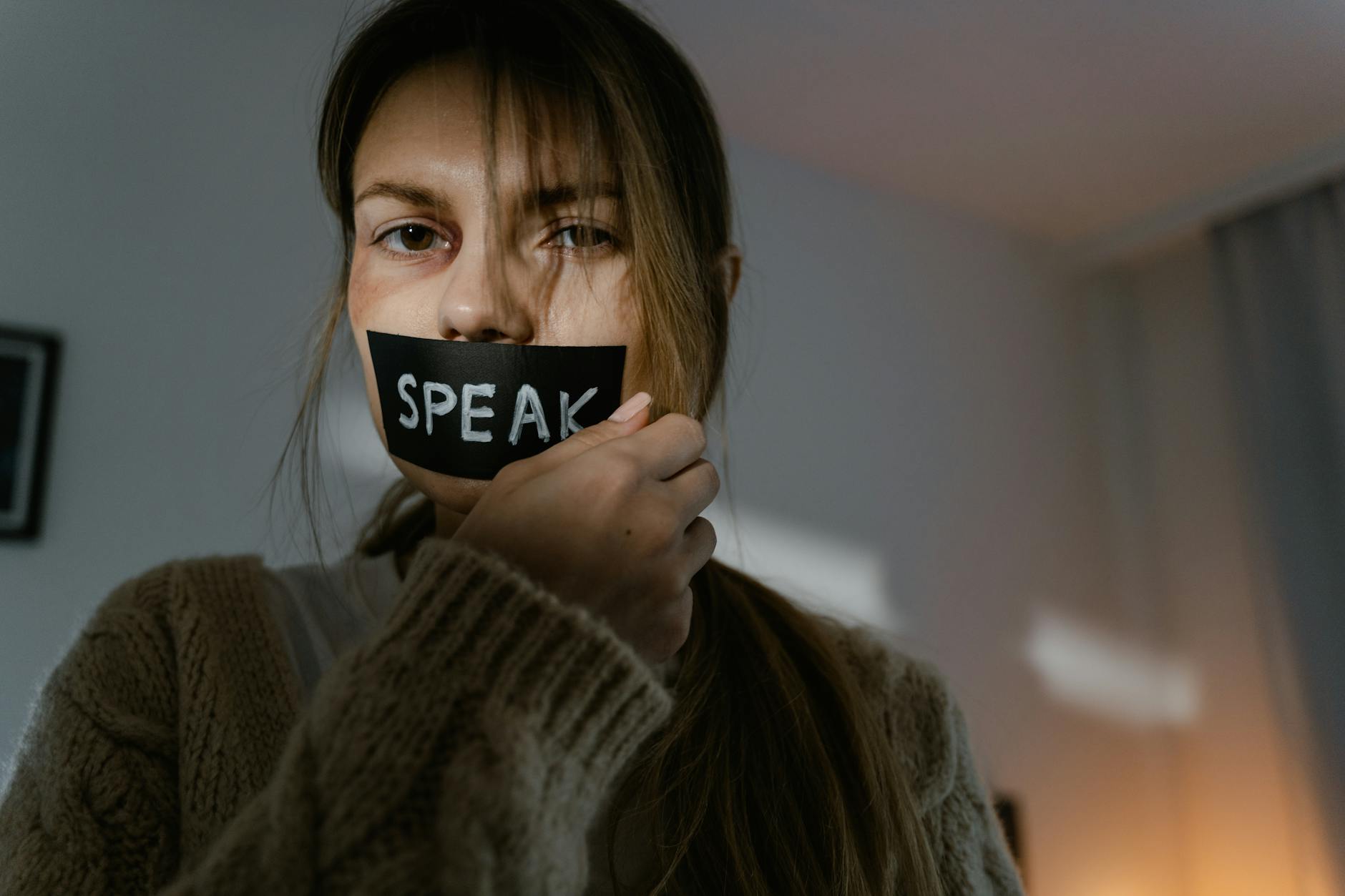
The burden of proof often falls heavily upon them, forcing survivors to relive their trauma in an atmosphere of doubt and scrutiny. When their words are met with suspicion rather than compassion, it reinforces the deep sense of violation they’ve already endured. The fear of not being believed can silence many women altogether, leaving abuse unchallenged and perpetrators unaccountable.
For those who do speak out, disbelief can wound as deeply as the original assault, eroding trust in justice, in community, and even in themselves. In this way, a principle designed to protect fairness can, without sensitivity and balance, deepen injustice for those whose voices most need to be heard.
Only through sensitivity, compassion, and a willingness to truly listen can we begin to create a culture where justice is balanced with understanding, and survivors are met not with doubt, but with dignity.
The debate over whether pineapple belongs on pizza is one of the most divisive culinary discussions in contemporary popular culture. While some celebrate the sweet and savoury contrast it provides, others view the fruit’s presence as a culinary abomination. This post explores the origins of pineapple on pizza, the cultural and gastronomic arguments for and against it, and the broader implications of food preferences, ultimately concluding that while pineapple on pizza may not suit every palate, it certainly deserves its place in the pantheon of global pizza toppings.
Pineapple on pizza, often referred to as “Hawaiian pizza”, was not born in Hawaii but in Canada. It was created in 1962 by Sam Panopoulos, a Greek immigrant who ran a restaurant in Ontario. His intention was to experiment with the contrast between sweet and savoury flavours by adding canned pineapple to the traditional cheese and tomato base. The topping combination caught on, becoming popular in parts of North America and eventually worldwide. The name “Hawaiian” was derived from the brand of canned pineapple Panopoulos used, not the state itself.
Despite its innocuous beginnings, the pineapple-on-pizza phenomenon became a flashpoint for cultural and culinary controversy. From a gastronomic standpoint, the pairing of pineapple with pizza has merit. Sweet and savoury combinations are common in various cuisines, such as duck à l’orange in French cooking or teriyaki dishes in Japanese cuisine. The sweet acidity of pineapple can cut through the richness of cheese and fatty meats like ham or bacon, creating a balanced flavour profile.
According to chef and food writer J. Kenji López-Alt, flavour balance is crucial in food pairings. Pineapple offers a tangy sweetness that can elevate salty and umami-rich toppings, adding complexity to a dish that might otherwise be monotonous. Furthermore, the texture of cooked pineapple, soft yet juicy, provides a pleasant contrast to the chewiness of dough and the melt of cheese.
However, critics argue that pineapple’s moisture content can lead to soggy pizzas and that its flavour is too strong or cloying. Traditionalists, particularly those steeped in Italian culinary heritage, often view the addition as sacrilegious. The Associazione Verace Pizza Napoletana (AVPN), which certifies authentic Neapolitan pizza, maintains strict guidelines on what constitutes a traditional pizza, and pineapple is not included.
The pineapple-on-pizza debate often transcends culinary criticism and enters the realm of identity and tradition. Food is deeply personal and cultural, and deviations from traditional forms can be seen as disrespectful or heretical. For some Italians, for instance, pineapple pizza may symbolise the dilution or commercialisation of their cherished cuisine.
However, the globalisation of food has led to an evolution of traditional dishes. As cuisines cross borders, they adapt to local tastes and ingredients. For instance, the British curry has evolved separately from its Indian origins, incorporating elements such as chicken tikka masala, which is now considered a national dish. Similarly, sushi has adapted in Western cultures to include ingredients like avocado and mayonnaise.
In this context, pineapple pizza can be viewed not as an affront to tradition but as a natural evolution of a globalised dish. Pizza itself, while originating in Italy, has become a canvas for creativity in many cultures. The idea that there is a “correct” way to enjoy pizza is increasingly challenged in a world where fusion cuisine is celebrated.
Taste is subjective and heavily influenced by genetics, culture, and individual experience. Humans have receptors for five basic tastes: sweet, sour, salty, bitter, and umami. A combination of pineapple and ham brings together sweet, salty, and umami elements, appealing to multiple receptors at once. This multisensory experience can be particularly satisfying for some.
Research in the field of neurogastronomy, which explores how the brain perceives flavour, shows that individuals interpret flavours differently based on previous exposure and emotional associations. For example, someone who grew up eating Hawaiian pizza may associate it with comfort and nostalgia, while others may find the combination unfamiliar or off-putting.
Much of the disdain for pineapple on pizza may stem from food snobbery, an elitist attitude that dismisses popular or unconventional choices as inferior. In recent years, food trends have increasingly been influenced by social media and pop culture, with pineapple pizza often used as a meme-worthy flashpoint in culinary debates.
In 2017, Iceland’s president Guðni Th. Jóhannesson jokingly suggested that pineapple on pizza should be banned, sparking international headlines. The humorous comment prompted a global response, including a defence of pineapple pizza by Canadian Prime Minister Justin Trudeau. Such events highlight how deeply food choices can resonate within society, even at the highest levels.
Ultimately, food is about enjoyment and community. The beauty of pizza lies in its adaptability; it can cater to vegetarians, vegans, meat-lovers, gluten-free diets, and yes, those who like pineapple. The insistence that there is a “right” way to eat pizza undermines the inclusive and personal nature of food.
As the culinary world becomes more open to fusion and experimentation, it is important to acknowledge that food preferences are not static. What was once considered bizarre can become mainstream. Sushi burritos, cronut pastries, and Korean tacos all emerged from the blending of traditions and have gained popularity in recent years.
Moreover, the argument over pineapple on pizza often serves as a gateway to larger discussions about cultural openness, culinary experimentation, and personal freedom. While it is valid to uphold and respect traditional recipes, it is equally valid to embrace innovation and diversity in food.
In conclusion, the question of whether pineapple belongs on pizza cannot be answered definitively, as it ultimately boils down to individual taste. Pineapple on pizza represents more than just a topping, it encapsulates issues of tradition versus innovation, cultural exchange, and personal freedom in culinary expression. While it may not be for everyone, dismissing it outright ignores the richness that diversity brings to the global food scene. Whether one relishes or reviles pineapple on pizza, it undeniably has earned its place at the table.
Christian nationalism is a dangerous distortion of both faith and politics. It arises when the message of Jesus is bound too tightly to national identity, power, and cultural dominance. The gospel ceases to be good news for all people and becomes instead a tool for exclusion, control, and fear. History offers painful reminders of what happens when Christianity is co-opted by nationalism: it becomes a flag to wave, a weapon to wield, and a mask to justify prejudice.
At its heart, Christian nationalism places the nation above the kingdom of God. Jesus taught that his kingdom is not of this world, yet Christian nationalism insists otherwise, often presenting one country or culture as uniquely chosen and blessed. This not only fosters pride and superiority, but it also blinds believers to the global and inclusive nature of God’s love. It narrows the expansive message of Christ into a political ideology, one that often resists humility, repentance, and compassion for outsiders.
The danger isn’t simply theoretical. Christian nationalism has been linked with hostility towards immigrants, resistance to racial justice, and the suppression of religious freedom for others. When Christianity is equated with patriotism, dissenting voices are silenced, and those who don’t conform are seen as enemies. The cross becomes overshadowed by the flag, and worship of God risks becoming entangled with loyalty to the state. In such an environment, the church loses its prophetic voice and instead baptises the status quo.
True Christianity should never seek dominance but should model service, reconciliation, and peace. As Paul reminds us in Philippians, “our citizenship is in heaven,” and it’s from there that we find our identity, not in earthly power structures. To resist Christian nationalism isn’t to reject one’s love of country, but to insist that no nation may claim divine supremacy. The kingdom of God is wider, deeper, and more just than any political project.
Christians are called to bear witness to a love that crosses borders, heals divisions, and refuses to be hijacked by ideology. To confuse God with nation is to risk idolatry, to follow Christ faithfully is to place love above power.
Peace is a wonderful state of being free from conflict, violence, and war. It’s a condition of harmony, tranquility, and stability that we all strive for. In a broader sense, peace is a universal human aspiration that transcends geographical boundaries, cultures, and ideologies. It’s a fundamental human need that’s essential for individual and collective well-being.
Internal peace is a state of inner calm and contentment, free from mental and emotional turmoil. It’s a state of being that allows individuals to feel at peace with themselves and their surroundings. Imagine being able to wake up every morning feeling refreshed, renewed, and ready to take on the day.
On the other hand, external peace is a state of harmony and stability in relationships, communities, and societies. It’s a state where individuals and groups can live together in mutual respect and understanding. Just think about it – a world where everyone gets along, and we can all live in harmony with one another.
Global peace is a state of international cooperation, understanding, and peaceful resolution of conflicts. It’s a state where nations and international organizations work together to address common challenges and promote peace and stability. Can you imagine a world where countries put aside their differences and work together for the greater good?
Achieving peace requires effort and commitment from individuals, communities, and nations. It involves promoting understanding, tolerance, and empathy, as well as addressing the root causes of conflict, such as poverty, inequality, and injustice. We can all play a role in creating a more peaceful world by being kind, compassionate, and open-minded.
Peace is a dynamic and ongoing process that requires continuous effort and dedication. It’s not a static state that can be achieved once and for all, but rather a continuous journey that requires constant attention and commitment. But the benefits of peace are so worth it – improved mental and physical health, increased economic growth and development, enhanced social cohesion and community engagement, and greater international cooperation and understanding.
So, let’s work together to create a more peaceful and harmonious world where individuals and communities can thrive. We can do this by educating ourselves and others about the importance of peace, engaging in respectful dialogue, and promoting human rights and dignity. Together, we can make a difference and create a brighter, more peaceful future for all.
Constantly taking things personally can be very destructive to our mental health and wellbeing. When you get too attached to how others think or feel about you, it can cause anxiety and hurt feelings. This makes it hard to talk to people and resolve conflicts.
When you don’t tie your self-worth to what others think, you can think more clearly and communicate better. This helps you handle tough conversations and maintain healthy relationships. When you’re not trying to be right or be liked, you can listen better and respond with kindness. This helps calm down tense situations and creates a positive atmosphere. Think of feedback as a chance to learn and grow, not as a personal attack. This helps you become more resilient and open to new ideas.
Additionally, from a faith perspective, when you start to see yourself through God’s eyes rather than through the eyes of others, everything changes. You remember that you’re already loved, already chosen, already enough. As the psalmist wrote, I praise you because I am fearfully and wonderfully made (Psalm 139:14). When your confidence rests in that truth, other people’s opinions lose their power. You can listen without fear, speak without pride, and forgive without resentment. Each moment becomes an opportunity to reflect Christ’s gentleness and strength, trusting that your worth is secure in him, not in what anyone else says or thinks.
So, try to avoid getting caught up in drama and negativity. Focus on your own thoughts, feelings, and actions. This helps you live a more authentic and happy life, free from others’ expectations.
Language shapes the way we understand life, death, and everything in between. When it comes to suicide, the words we choose carry enormous weight. For many years, people said someone “committed suicide,” a phrase that lingers from a time when suicide was considered a crime. Until the 1960s, some parts of the world even treated attempted suicide as an offence punishable by law. Although those laws have changed, the language hasn’t, and the shame once attached to the act still echoes through that single word – committed.
To describe someone as having “committed” suicide suggests guilt or wrongdoing, yet suicide isn’t a crime. It’s the tragic outcome of unbearable emotional suffering, often endured in silence for years. Those who die by suicide aren’t criminals; they’re people overwhelmed by pain, often believing there’s no other escape. There’s no shame in their struggle – only heartbreak, compassion, and the need for understanding.
That’s why many people now choose to say someone “died by suicide.” It’s a simple shift, but a powerful one. It removes judgement, honours the person’s humanity, and acknowledges their suffering without adding stigma. Language alone can’t heal the deep wounds left by suicide, but it can offer gentleness to those grieving. Changing how we speak about suicide is a small act of kindness with a significant impact – a way to bring light, empathy, and dignity into a space too often darkened by silence and shame.
World Mental Health Day, observed each year on 10 October, invites people everywhere to reflect on the importance of caring for the mind as much as the body. It’s a reminder that mental health is a universal human right, not a privilege for a fortunate few. Across the world, millions live with anxiety, depression, trauma, or other struggles – often silently and without support. Yet when compassion replaces stigma and understanding takes the place of judgment, healing becomes possible.
Promoting mental health for all means ensuring fair access to care, supportive workplaces, and communities that nurture wellbeing rather than drain it. Schools, families, and employers each have a vital part to play – by listening, showing patience, and creating spaces where people feel safe to speak.
World Mental Health Day also reminds us to care for ourselves. Rest, connection, creativity, and time outdoors all help renew our spirits. Sometimes the most powerful act is simply to admit when we’re not okay and to seek help without shame.
In the end, this day isn’t only about awareness, it’s about empathy and action. Through open conversation, kindness, and shared responsibility, we can build communities that value emotional wellbeing as deeply as physical health. Each small act of care, each moment of genuine understanding, becomes part of a larger movement towards a world where every mind is valued and no one suffers in silence.
In the UK right now, there’s a debate about people flying the national flag. It began when far-right groups launched a campaign called Operation Raise the Colours, encouraging everyone to display the Union Jack or England’s St George’s Cross to show pride in being British.
The problem is that many people see this campaign as less about healthy patriotism and more about exclusion. The far-right origins have made some feel the flags are being used to divide communities rather than unite them.
Former England footballer Gary Neville spoke about this recently. He said he took down a flag from one of his buildings because he felt it was being used “in a negative way.” His comment sparked strong reactions – some agreed with his stance, while others accused him of being unpatriotic, and worse.
So the discussion isn’t really about the flag itself, but about what it symbolises at this moment – pride or prejudice.








 John Ager's Home on the Web!