The Gift of Later Fatherhood

I’ve been reflecting on being an older father with young children and wanting the best for them in the future (I also have two grown up children). Bringing up children today is far more challenging than it was just a generation ago, mainly because of the rise of technology and the Internet, but there are also huge societal changes that affect parenthood. Even though I’m a Baby Boomer, I can relate to my young children, and I remain in good health; but the problems facing the UK present their own challenge.

The age demographics of the United Kingdom have changed steadily over the past few decades, reflecting longer lives, lower birth rates, and patterns of migration that have reshaped communities. The overall population continues to grow, but that growth is most visible in older age groups. The median age has risen from just under forty at the start of the last decade to over forty now, with projections showing it will keep climbing in the years to come. The number of people aged sixty-five and over has grown significantly, while the proportion of children and young people has declined slightly. Wales and many rural areas have older populations on average than England’s major cities, where younger adults and families are more concentrated.

These shifts are largely the result of longer life expectancy, fewer children being born, and the ageing of large generations born after the Second World War. Many people now have children later in life, and some have fewer or none at all, which lowers the share of younger age groups. At the same time, advances in healthcare and living standards have extended lifespans, meaning that people spend more years in retirement than before. Migration has also played a key part in shaping the balance of ages, with younger workers arriving from overseas to fill gaps in the labour market and contribute to the economy.

An ageing population brings both challenges and opportunities. On one hand, there’s growing demand for healthcare, social care, and suitable housing, alongside pressure on pension systems and public finances. The ratio of working-age adults to those who are retired is slowly narrowing, which can strain services funded by taxation. On the other hand, an older population can mean a more experienced workforce, strong community engagement, and new possibilities for volunteering, learning, and connection between generations.

The pattern of change is uneven. Urban areas often remain younger and more diverse, while coastal and rural regions are ageing faster. Policymakers and local authorities are increasingly aware of the need to adapt schools, housing, transport, and health provision to reflect these demographic realities. The long-term trend is clear: Britain is becoming older as a nation, but with that comes the opportunity to rethink how society values every stage of life and how generations support one another in a changing world.

As I look at my own family against this backdrop of a changing nation, I feel both the weight of responsibility and the quiet gift of perspective. Being an older father means I see my young children’s future through the lens of experience, mindful of how fragile and precious time really is. I want them to inherit a country that values compassion over division, wisdom over noise, and hope over cynicism. Technology and social change will continue to reshape their world, but what endures (that I can still offer) is love, stability, curiosity, and faith in their potential. Perhaps that’s what connects the generations most deeply: the belief that, however uncertain the times, there’s always something worth passing on, something good still growing in the soil of tomorrow.
The Royal Family as Role Models?

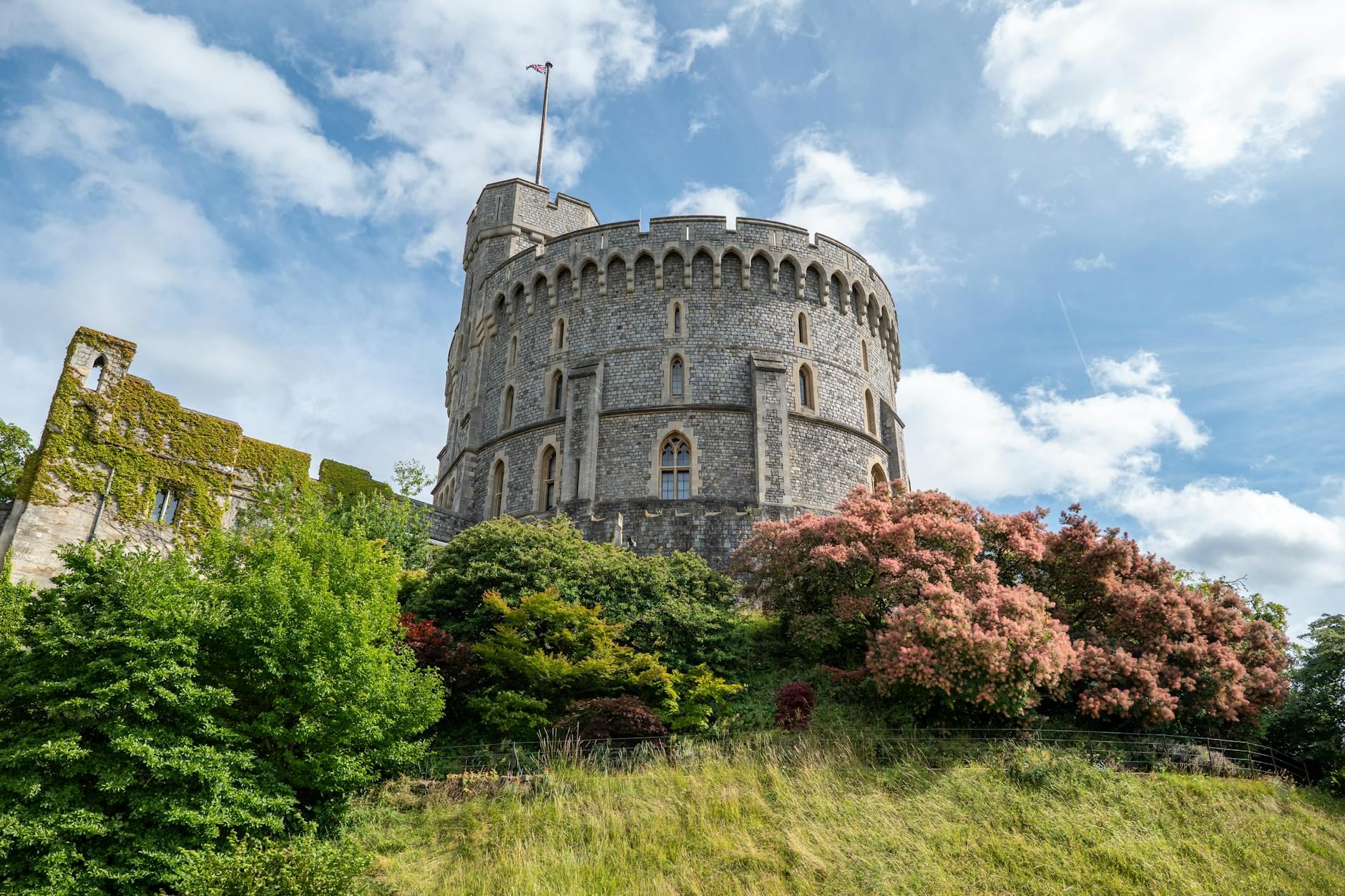
Are we wrong to expect the Royal Family to be good role models? It’s a question that seems to surface every time a scandal or misstep finds its way into the headlines. The truth is, the Royal Family live in a strange tension between privilege and duty. They’re not elected, yet they represent the nation. They’re not ordinary citizens, yet they live under a scrutiny that few of us could bear.

It’s natural, then, that we expect them to embody qualities like dignity, integrity, service, and compassion. They’re woven into the fabric of our national identity, and many people look to them as symbols of continuity and moral steadiness in uncertain times. We want them to be a source of pride, an example of grace under pressure.

But perhaps the question isn’t whether we should expect them to be role models, but whether it’s realistic to expect them to always be so. After all, they’re human, flawed, complicated, sometimes wounded by the very system they were born into. When they fall short, their failings aren’t just personal; they’re public, dissected and amplified for the world to see.

Jesus once said, From everyone who has been given much, much will be demanded (Luke 12:48). The Royals have indeed been given much (wealth, privilege, and a platform) but also responsibility, scrutiny, and the burden of expectation. So no, we’re not wrong to hope for goodness and humility in those who represent us. But maybe the true test of character isn’t perfection, it’s how they respond when they stumble.

Role models, after all, aren’t those who never fall. They’re the ones who get up again, a little wiser, a little kinder, and perhaps a little more human. Maybe, we all need to strive to be role models.

The Remembrance Poppy

Remembrance Sunday, observed on the second Sunday of November, remains a deeply significant day in the UK. A time to honour those who gave their lives in war, and to reflect on the cost of peace.

Its roots lie in the aftermath of the First World War, when Armistice Day on 11 November marked the end of the fighting in 1918.

Over time, as more conflicts followed, the nation’s focus broadened beyond that single war to remember all who have served, suffered, or died in the defence of freedom.

Today, Remembrance Sunday carries both solemnity and relevance. While the generation who fought in the world wars has largely passed, their legacy lives on in the freedoms and democracy we enjoy. The poppy, inspired by the resilient flowers that grew on the battlefields of Flanders, has become a living symbol of remembrance, its vivid red reminding us of sacrifice, courage, and hope renewed.

The two-minute silence and the Cenotaph ceremony remain powerful acts of collective memory and gratitude. Yet remembrance has also evolved, it now embraces not just soldiers of past wars, but those who’ve served in more recent conflicts, from the Falklands to Iraq and Afghanistan, as well as civilians caught up in the violence of war.

In our own time, when conflict still scars the world and peace often feels fragile, Remembrance Sunday invites reflection on humanity’s shared responsibility. It’s not about glorifying war, but about acknowledging sacrifice, seeking understanding, and recommitting ourselves to reconciliation.

Many find meaning in the words of Jesus, Blessed are the peacemakers, for they will be called children of God (Matthew 5:9). In that spirit, Remembrance Sunday becomes not just an act of looking back, but a call to live differently – to value compassion, to work for peace, and to remember that remembrance itself is a moral choice: to never forget, and never cease striving for a world made whole.

Staying Friends on Social Media

The algorithms of social media often ensure that we live within an echo chamber of friends who share our outlook on life. Yet not everyone agrees with us, nor do we always agree with others. The adage of ‘agreeing to disagree agreeably’ sometimes goes out of the window when passions run high, and social media can act as a catalyst to entrench our opinions and polarise debate.

In an increasingly divisive society, we may need to relearn the simple art of being kind, affirming one another and appreciating diversity. When I post something on Facebook, I expect disagreement, but I don’t expect rudeness. People can become so angry that others hold a different, well-considered opinion, one that may be part of their very identity.

Often on social media there’s no real engagement with the issue at hand, just a loud alternative opinion shouted into the void, with little sense of nuance or listening. We aren’t heard by shouting. There must be respect, both for ourselves and for others. It’s also perfectly acceptable to acknowledge the merits of someone else’s position, even if we don’t share it.

Please don’t think I’m claiming to be perfect in this regard, I’m not. But I do believe we all need to take a careful, humble look at how we respond to what’s posted on Facebook and social media in general.

Personally, I approach this as a person of faith. Many of my attitudes, thoughts, and actions flow from that and shape who I am. Paul, writing to the Philippians, said: Do nothing out of selfish ambition or vain conceit. Rather, in humility value others above yourselves, not looking to your own interests but each of you to the interests of the others.

Here lies the heart of the matter, Paul’s call to have the same mindset as Christ Jesus. Be kind to each other.

Note: Originally published in 2020.

Is the Monarchy in danger?

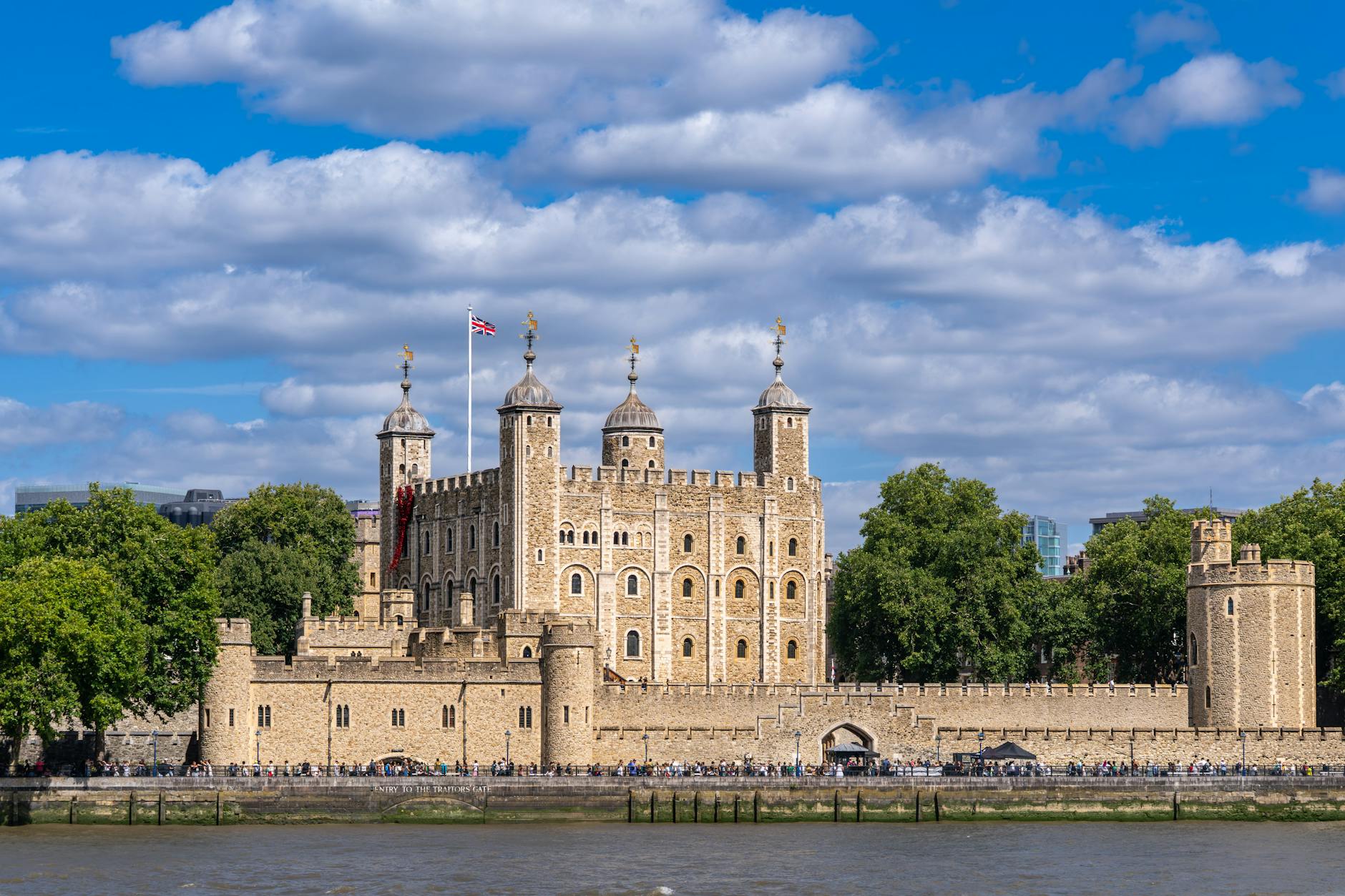
The British monarchy isn’t in immediate danger of collapse, but its stability feels shakier after the recent fall from grace of Andrew Mountbatten Windsor. Once Prince Andrew, Duke of York, he’s now been formally stripped of all royal titles, honours, and privileges by King Charles III.

The decision follows renewed scrutiny of his links to Jeffrey Epstein and fresh attention from Virginia Giuffre’s memoir, in which she repeats her allegations of sexual abuse, claims Andrew continues to deny. He’s also been told to vacate his longtime residence at Royal Lodge, Windsor Great Park, and will move to a smaller home on the Sandringham estate, supported by a private allowance from the King.

Such decisive action against a senior royal is almost unprecedented in modern times and shows how determined the King is to protect the monarchy’s credibility. Yet it also exposes the institution’s vulnerability. Public trust, especially among younger generations, is fragile, and every scandal chips away at the mystique that once shielded the Crown. For many, Andrew’s case reinforces the perception of an outdated system struggling to live by the standards the public expects.

Still, the monarchy endures through continuity, service, and symbolism. Charles’s measured reforms and the steadfast popularity of the Prince and Princess of Wales give the institution breathing room. But it must keep evolving, showing that no one is above accountability. If the Crown can embody integrity and relevance rather than privilege alone, it may yet sustain its place in a changing Britain.

The History of Halloween

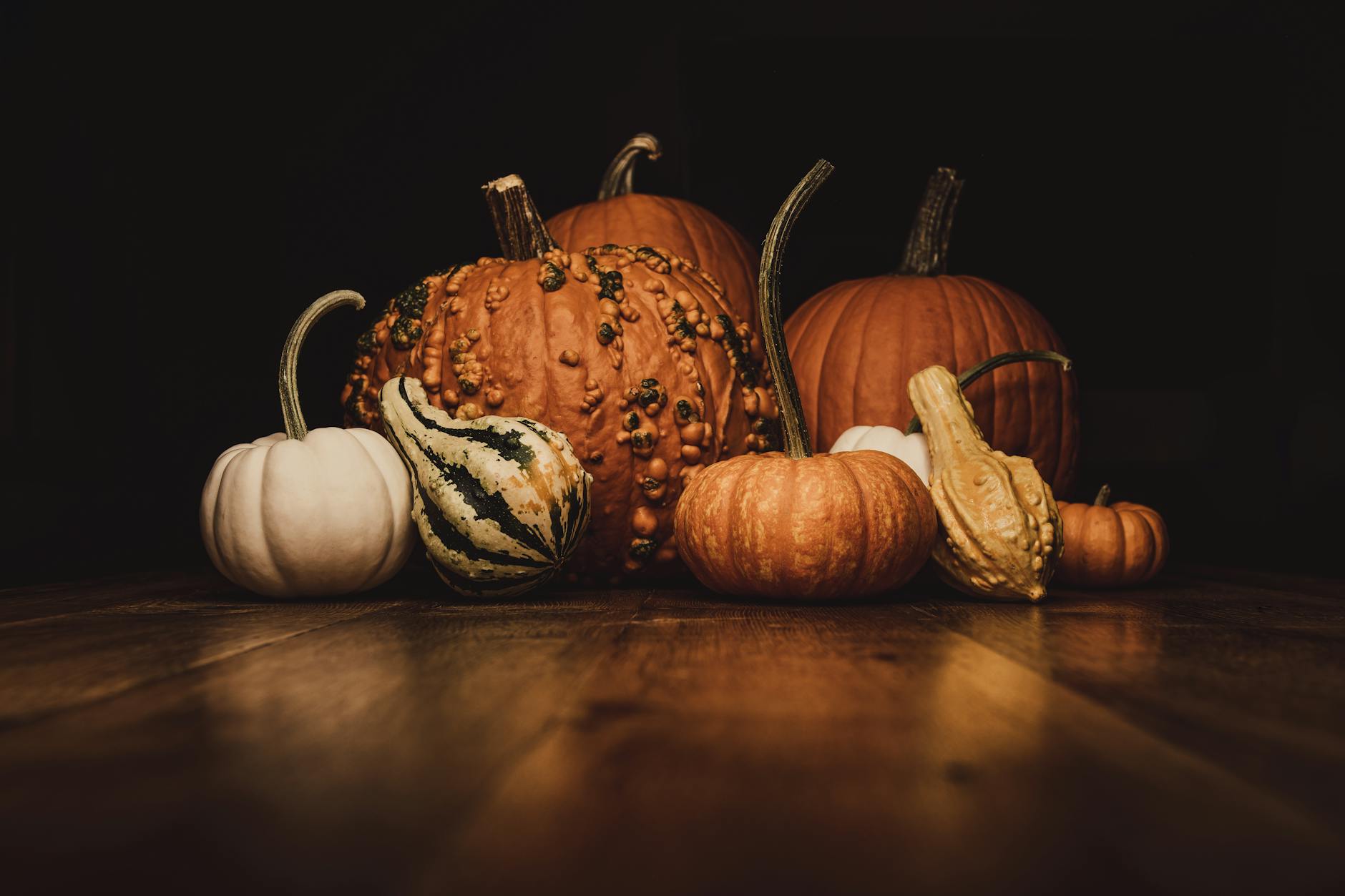
Halloween, celebrated each year on 31 October, has deep and ancient roots that stretch back over two thousand years. Its origins lie in the Celtic festival of Samhain, marking the end of the harvest and the beginning of winter, a time associated with death and the thinning of the veil between the living and the dead. The Celts, who lived across Ireland, Britain, and northern France, believed that on this night, spirits could roam the earth. Bonfires were lit to ward off evil, and people wore disguises to confuse wandering souls.

As Christianity spread through Europe, the Church sought to replace pagan traditions with Christian observances. In the eighth century, Pope Gregory III established 1 November as All Saints’ Day (also known as All Hallows’ Day), a time to honour saints and martyrs. The evening before became All Hallows’ Eve, eventually shortened to Halloween. This blending of ancient customs with Christian remembrance created a rich, layered festival combining solemn reflection with folk ritual.

When European immigrants brought these traditions to North America, they evolved further. In colonial times, Halloween was modest, but in the 19th century, especially with the arrival of Irish immigrants fleeing the potato famine, it began to flourish. Communities embraced parties, games, and storytelling. The practice of trick-or-treating emerged in the early 20th century, influenced by the old custom of “souling,” where children went door to door offering prayers for the dead in exchange for food.

Today, Halloween is a vibrant blend of the sacred and the secular: a night of carved pumpkins, ghost stories, costumes, and playful fright. Beneath the fun, however, lies a profound awareness of life’s mystery and mortality, echoing Ecclesiastes 3:1 There is a time for everything, and a season for every activity under the heavens. For many, Halloween remains a moment to pause between autumn’s glow and winter’s shadow, to remember the past, and to delight in imagination and wonder.

What began as a ritual to honour the cycle of life and death has become a celebration of community and creativity, a reminder that even in the darkest night, the light of human spirit endures.

Christianity and Halloween

I think Christianity should embrace Halloween, not reject it. The festival, in its truest sense, is born from the church’s own calendar, All Hallows’ Eve, the night before All Saints’ Day. Long before it became a celebration of pumpkins, costumes, and sweets, it was a sacred vigil honouring those who’ve gone before us. To reclaim Halloween isn’t to condone fear or darkness, but to recognise that our story as Christians is one of light shining through the shadows. Death and evil aren’t things to deny or dread, they’re realities already defeated in Christ’s resurrection.

By engaging with Halloween rather than avoiding it, the church can speak into people’s fears and fascinations with hope and grace. Children dressing as ghosts or skeletons don’t glorify death, they play with its imagery, safely, often without understanding that our faith proclaims victory over it. When Christians shut their doors on Halloween night, we miss a rare opportunity for neighbourliness and connection. When we open them, offering welcome, warmth, and perhaps even a word of love, we embody the gospel more powerfully than any tract could.

The light of Christ doesn’t shrink from the dark; it transforms it.

So perhaps the best way for Christians to respond to Halloween isn’t through rejection, but redemption – to reclaim it as a night of joy, remembrance, and hospitality. As Jesus said, You are the light of the world… let your light shine before others, (Matthew 5:14–16).

Problems Facing the UK

Looking at the problems faced by the UK, they go back decades. Successive governments have failed to build enough affordable and social housing, leaving millions struggling with high rents, unstable tenancies, and the near-impossibility of buying a home. This housing shortage has rippled through society, deepening inequality and fuelling resentment, while local communities have borne the strain of overstretched services and eroded trust.

Short-termism in politics and policy has compounded these challenges. Decisions are too often driven by electoral cycles rather than long-term national interest, leading to underinvestment in infrastructure, public services, and skills. The austerity years that followed the 2008 financial crisis weakened essential institutions (local councils, the NHS, and social care) leaving them fragile and underfunded. Brexit added further disruption, introducing new trade barriers and labour shortages that continue to weigh on productivity and growth. Then came Covid, which exposed the fault lines of inequality and deepened the divide between those who could work from home and those who could not.

The result is a country at a crossroads, still rich in creativity, compassion, and potential, but held back by political timidity and a reluctance to face hard truths. We need leaders who will speak honestly about the scale of the challenge, who’ll resist the temptation to offer comforting illusions or populist slogans. Real recovery will demand patience, sacrifice, and a shared sense of purpose. As a nation, we must find the courage to swallow the hard medicine: investing in people and places that have been left behind, reforming systems that no longer serve us, and building for the future rather than merely managing decline. Easy answers are the language of denial; only truth, courage, and collective effort can begin to heal what’s broken.

Why Doom-Scrolling is Addictive

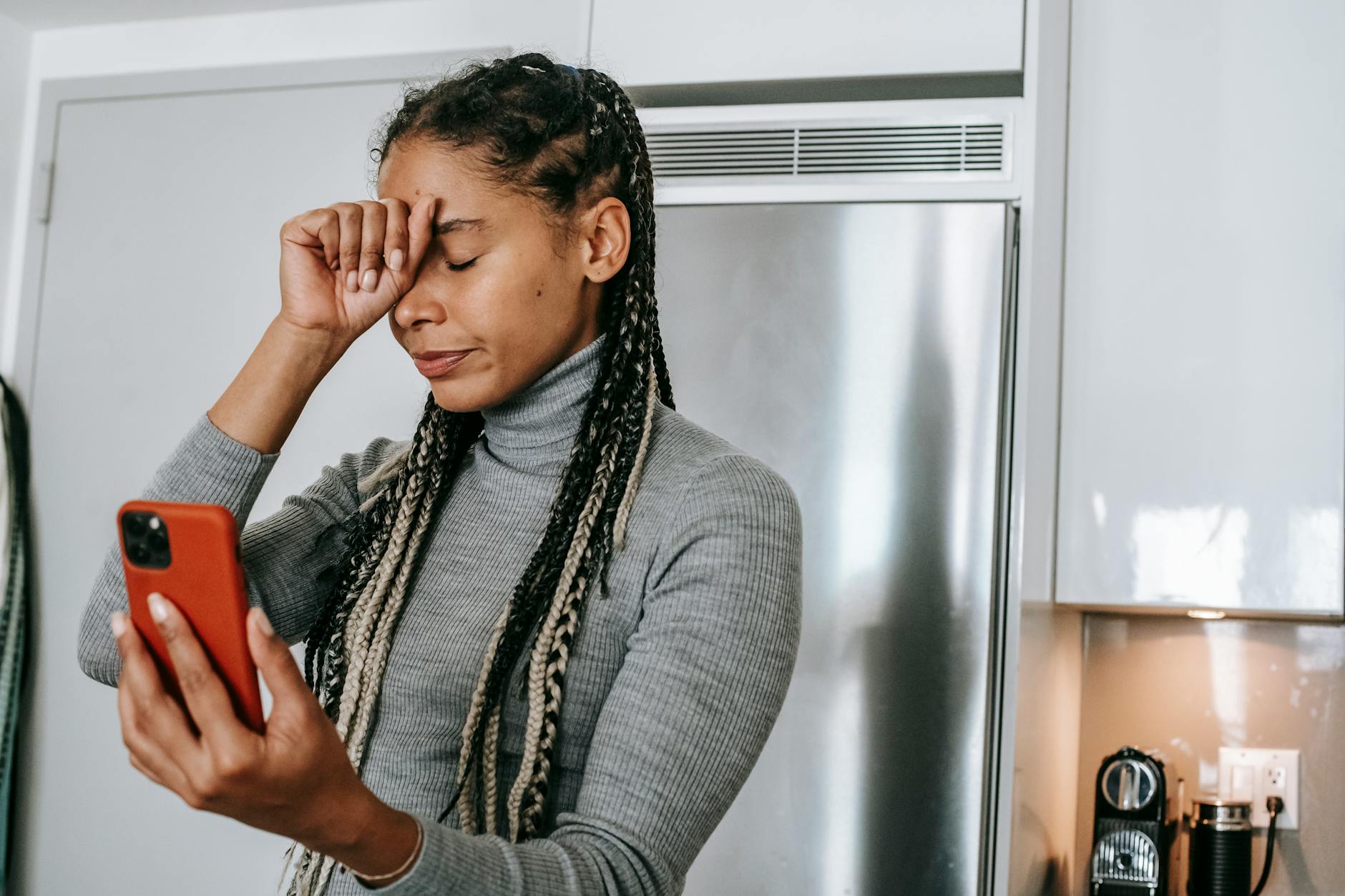
Doom-scrolling is addictive because it taps into deep instincts that once helped us survive but now keep us glued to screens. It plays on the brain’s reward and threat systems at the same time. When we scroll, we’re seeking information, especially about danger or uncertainty, which the brain interprets as staying safe.

In the past, being alert to threats was vital; now that instinct locks us into endless feeds of bad news.

Each swipe brings something new, and that unpredictability releases dopamine, the same chemical linked to gambling or social media likes. Sometimes we find shock, sometimes relief or outrage, and each hit keeps the cycle going. This variable reward system makes the habit stronger.

There’s also a strange comfort in doom-scrolling, it gives an illusion of control. In anxious times, we try to manage uncertainty by consuming more information, as if knowing enough will protect us. Instead, it feeds stress and helplessness.

Digital platforms amplify the effect. They’re built to maximise engagement, showing emotionally charged content that provokes fear or anger, because strong emotions keep us scrolling. The more we scroll to calm anxiety, the deeper it pulls us in. Breaking the pattern means recognising what’s happening and setting clear boundaries; curating calmer news sources, limiting screen time, or replacing the habit with something that restores peace and presence.

Accountability Behind Palace Gates

In the twenty-first century, the monarchy can no longer exist behind a veil of mystery. The public deserves full transparency in every aspect of royal life that involves finance, property, business, and influence. This isn’t about hostility towards the institution, but about accountability in an age that demands openness from every other public body.

When taxpayers contribute to royal finances, when estates and properties are maintained with public funds, or when royal connections quietly shape political or economic outcomes, the public has a right to know.

True transparency doesn’t weaken the monarchy, it strengthens trust. In a democracy, secrecy breeds suspicion, while honesty builds legitimacy. The monarchy has long been a symbol of continuity and stability, but for it to remain relevant, it must also embody the values of fairness and integrity that define modern Britain. If the royal family’s wealth and dealings are beyond scrutiny, then they risk alienating a generation raised on equality, accountability, and truth.

Complete openness would also clarify where public responsibility ends and private privilege begins. Citizens should know what the Crown Estate contributes to the nation, what revenues are personal, and how influence is exercised – whether through patronage, lobbying, or quiet conversations with government. Transparency would not strip the monarchy of its dignity, but rather reveal whether that dignity is deserved.

The twenty-first century is no place for shadows and secrets. Every institution that serves the people must be answerable to them; and the monarchy, if it wishes to endure, must lead by example.

To remain a unifying force rather than a relic of entitlement, it should open its books, show its workings, and earn respect not through inherited status, but through integrity and honesty before the people it represents.