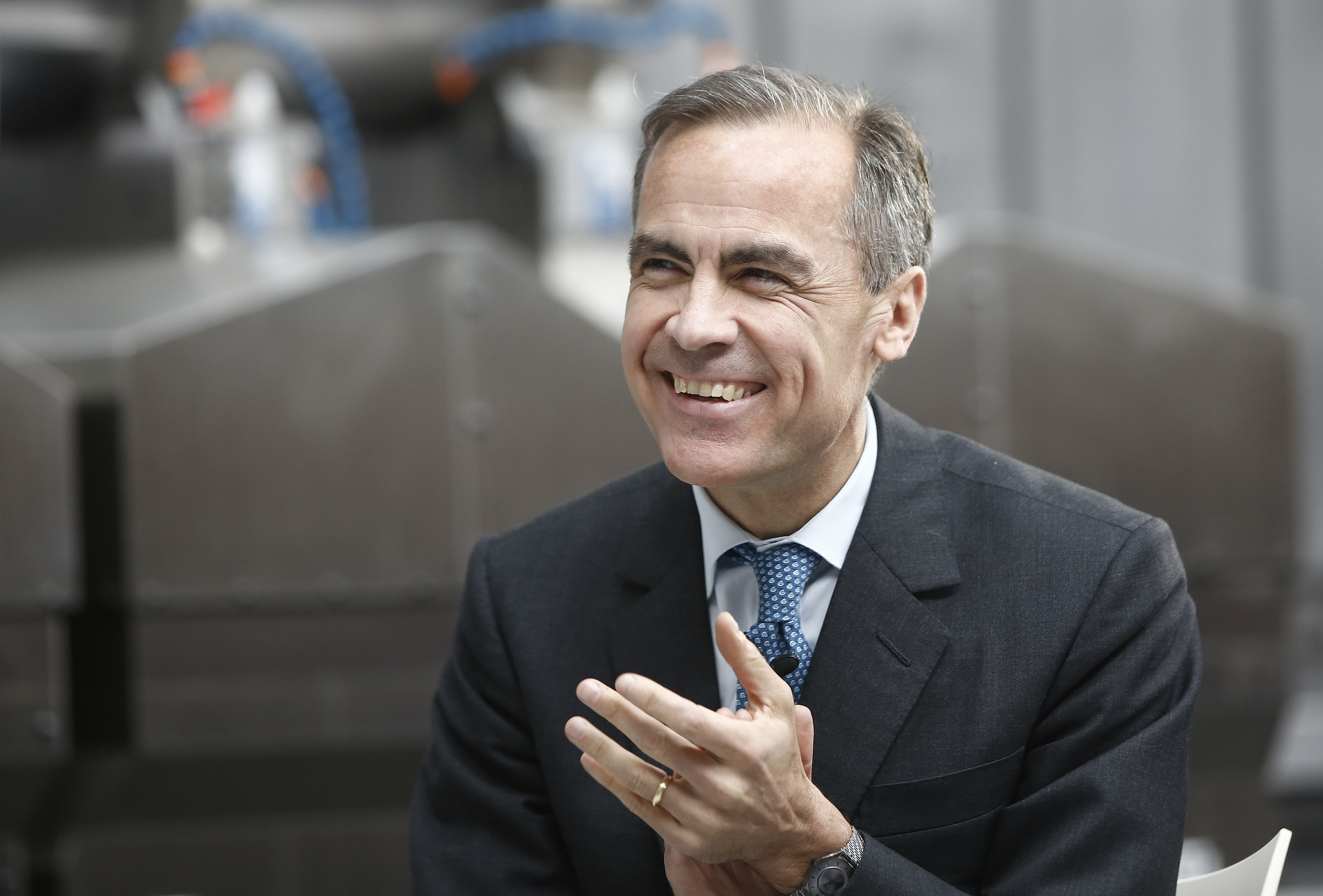
An Era Defining Speech

Click on image for photo credit.

Mark Carney’s Davos speech argues that the familiar story of a stable, rules-based international order has broken down, replaced by an era of intensified great power rivalry where economic interdependence is increasingly used as a tool of coercion. He warns that middle powers can no longer rely on comforting fictions, symbolic commitments, or inherited institutions for protection, and instead must adopt honesty about the world as it is. Drawing on Václav Havel’s idea of “living in truth”, he challenges countries and companies to stop performing compliance with systems they know are failing, and to act consistently with their stated values.

Carney proposes a path he calls values-based realism, combining principled commitment to sovereignty, human rights, and the rule of law with pragmatic engagement across a fragmented world. He argues that strategic autonomy is necessary, but that isolated national fortresses would leave everyone poorer and less secure. Instead, middle powers should cooperate through flexible coalitions, shared standards, and collective investment in resilience, creating practical alternatives to weakened global institutions.

He presents Canada as an example of this approach, outlining domestic reforms to strengthen economic capacity, major investments in defence, infrastructure, energy, AI, and critical minerals, and a deliberate strategy of diversifying international partnerships across regions and issues. Through variable coalitions on security, trade, technology, and climate, Canada seeks to increase its influence without subordination to any hegemon.

Carney’s core message is that middle powers still have agency. By naming reality, strengthening themselves at home, and acting together with integrity, they can help build a more honest, cooperative, and just international order rather than retreating into fear or nostalgia.
Drowning in Simplified Certainties

Many things in our modern world require complex explanation, yet people increasingly want simple, black and white answers. We live in an age shaped by science, technology, economics, psychology, and global interconnection, all of which are layered and subtle. Real understanding often demands patience, humility, and a willingness to sit with uncertainty. But too many people resist that discomfort. They’d rather reach for certainty than wrestle with complexity, rather accept a neat story than think carefully about probabilities, evidence, or the messy realities of human behaviour.

Social media makes this worse. Its design rewards speed over reflection, outrage over balance, and certainty over curiosity. Algorithms don’t promote nuance because nuance doesn’t travel well. What spreads fastest are the loudest, simplest, most emotionally charged claims, regardless of whether they’re true. In that environment, conspiracy theories flourish and extremism feels normalised. Ignorance isn’t just tolerated; it’s amplified, packaged, and broadcast with confidence.

That’s what makes it so exhausting. Trying to explain basic concepts in science, history, or maths can feel like pushing against a tide. Conversations that should begin with shared foundations often start with fundamental misunderstandings. Instead of building on common ground, you’re forced to go back to first principles again and again. It drains energy, patience, and hope. Yet the work still matters, because without careful thinking, honest learning, and respect for complexity, we lose our grip on truth itself, and that loss carries consequences for everyone.

The Kingdom That Sings

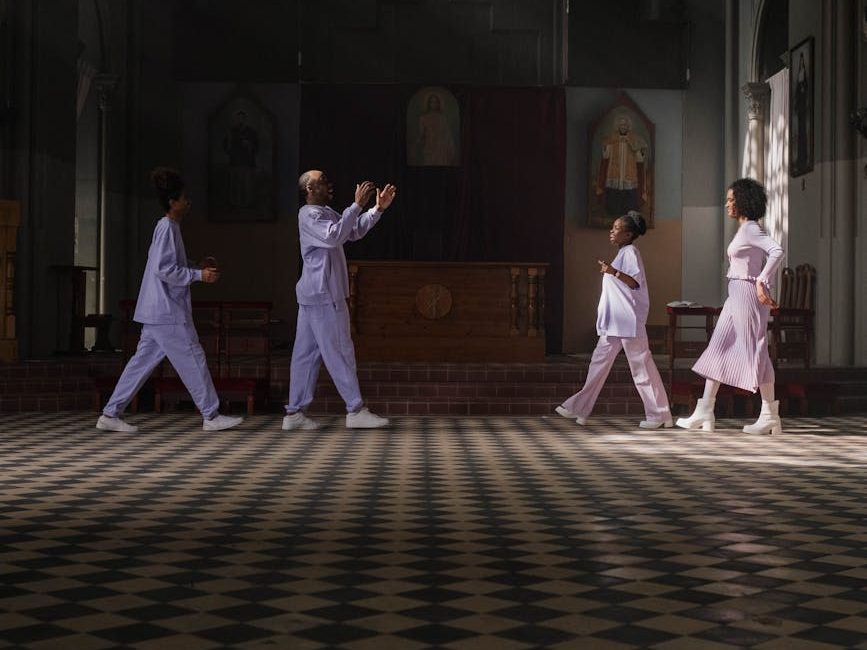
Psalm 47 reads like a burst of fresh air, the kind that catches you by surprise and leaves you smiling before you’ve worked out why. It opens with this bold invitation to the whole world; every nation, every people, to clap their hands and shout with joy because the Lord most high is awesome, the great king over all the earth. There’s no sense of exclusivity here. It’s a psalm flung wide open, gathering everyone in.

As you sit with it, you can feel the music running through the lines. God is lifted up with shouts of joy and the sound of trumpets, and the whole psalm seems to sway with that confidence. At its heart is a quiet, steady reassurance that the world isn’t drifting without purpose. God reigns. Even in seasons when life feels uncertain, the psalmist calls us back to trust, almost like someone placing a gentle hand on your shoulder and saying, Look up.

One of the most moving threads in the psalm is its vision of unity. The nobles of the nations assemble … for the kingship belongs to God. It imagines former strangers standing together, not because they’ve all agreed on everything, but because they’re held by something greater than themselves. In a world like ours, so often split by fear and noise, that picture feels both ancient and startlingly hopeful.

When you approach Psalm 47 as more than a song, it becomes a reminder of your place in a wider, joyful story. It tells you that even when your own praises feel quiet, you’re still part of a kingdom that sings on your behalf. It invites you to breathe, to trust, and to let your heart rise with the music that’s already playing.

The Fragile World Order

The world order is changing at an alarming pace, and what’s at stake reaches far beyond any single conflict or crisis. The credibility of international law itself is under pressure, tested by actions that appear selective, self-serving, or indifferent to agreed norms. When rules are applied inconsistently, or bent to suit the interests of the powerful, law begins to look less like a shared framework for justice and more like a tool of convenience. That erosion doesn’t happen overnight, but once trust is weakened, it’s painfully hard to restore.

Alongside this, the authority of the United Nations is being steadily undermined when its resolutions are ignored, bypassed, or treated as optional. The UN was never perfect, but it was built on the conviction that dialogue, restraint, and collective decision-making were preferable to unilateral force. When states act as though multilateral institutions matter only when they deliver convenient outcomes, they hollow those institutions out from within, leaving little more than symbolism where substance once stood.

At the heart of the matter lies a vital principle, that no state, however powerful, can appoint itself as judge, jury, and enforcer of the world order. Power without accountability breeds resentment, instability, and, ultimately, resistance. If might replaces right as the organising logic of global affairs, smaller nations are left exposed, alliances fray, and cooperation gives way to fear and calculation.

If that principle collapses, so too does the fragile trust on which global cooperation depends. Climate action, humanitarian protection, arms control, and peace itself all rely on the belief that rules mean something, and that no one is above them. Once that belief is lost, the consequences will be felt everywhere, and for generations.

Staying whole in a fractured world

The world can be a confusing and unsettling place, especially with technology at our fingertips and 24/7 news. Making sense of it all can take its toll on our inner life. In this context, preserving our mental health is essential.

Here’s some strategies that work for me:

Limit your news consumption. Constant exposure to distressing news can lead to anxiety and stress. Set aside specific times to check the news and avoid it during the rest of the day. Consider turning off news notifications on your devices.

Choose reliable news sources. Verify the credibility of the news sources you follow and ask questions, such as, why is this person saying a certain thing, for example. This can reduce fear and uncertainty.

Focus on what you can control. It’s easy to feel powerless in the face of global crises. Concentrate on actions you can take in your own life, like supporting local charities, volunteering, or making environmentally conscious choices.

Establish a daily routine to bring stability and predictability. Regular sleep patterns, exercise, and work schedules can all help you maintain a sense of normality. Do what works for you.

Talk to people. Human connection is vital for mental wellbeing. Even when you can’t meet in person, stay connected with friends and family through phone calls, video chats, or online social groups. Sharing your feelings and experiences can be comforting. Smile at people and talk to strangers.

Develop the art of self-care. Dedicate time to activities that help you relax and unwind. Exercise, meditation, deep breathing, and hobbies can all reduce stress and improve your mood.

Seek help. If you find yourself struggling to cope with the constant stream of negative news, don’t hesitate to reach out for professional help. A therapist or counsellor can provide valuable guidance and support.

Stay informed, but not obsessed. Whilst staying informed is important, obsessing over the news can lead to information overload and increased anxiety. Set boundaries and avoid overconsumption.

Remember, preserving your mental health is a priority, it’s okay to take breaks from the news and practice self-compassion. By implementing these strategies, you can better navigate a world of bad news while maintaining your mental wellbeing.