
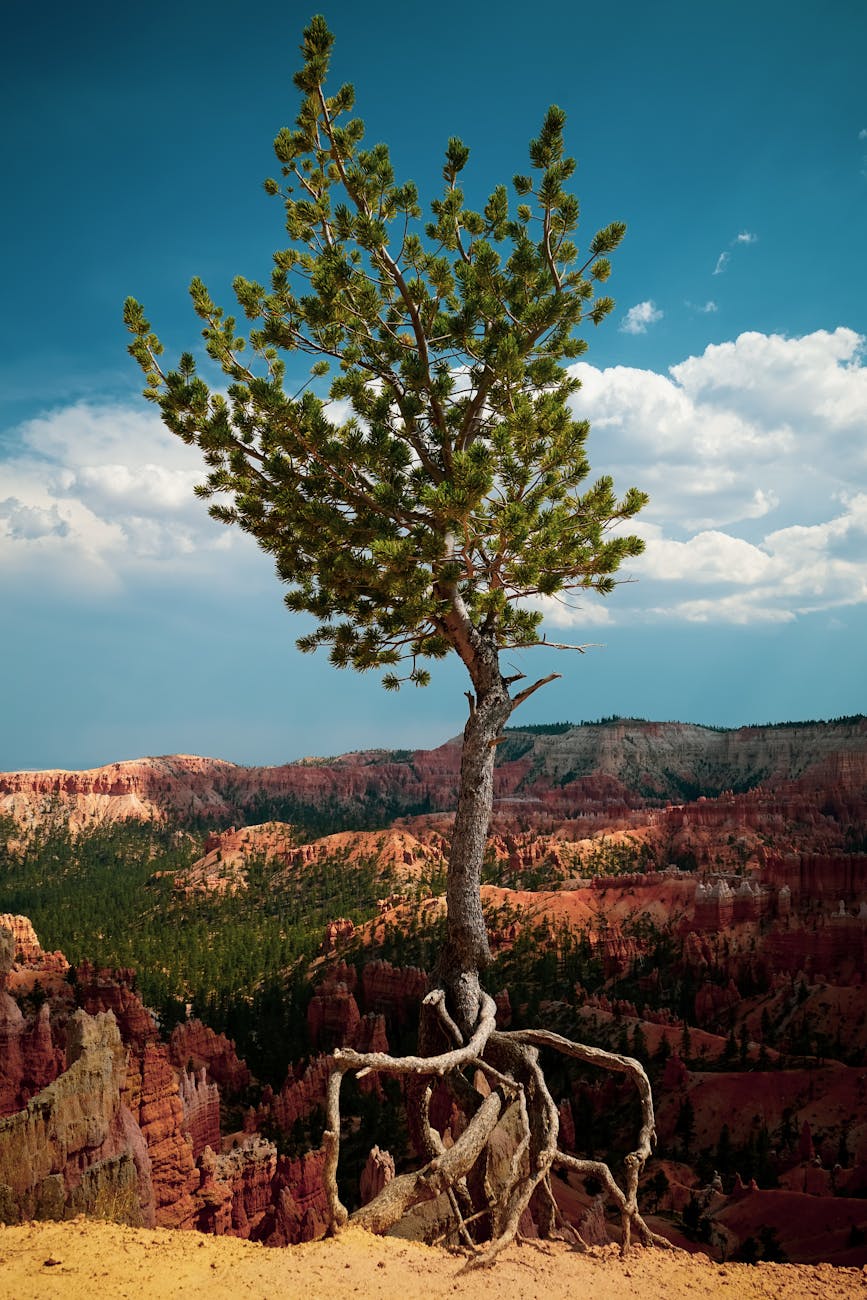
I’ve been reflecting about resilience recently. I’ve learnt that resilience isn’t about being unbreakable, it’s about learning how to bend, recover, and keep moving when life doesn’t go to plan.
Stay Ready: Resilience begins with realism. Life rarely unfolds according to plan, and the shock of disruption often hurts more than the disruption itself. Staying ready means accepting that change, loss, and uncertainty are part of being human. This isn’t pessimism, it’s preparedness. When we expect life to wobble, we’re less likely to fall when it does. We bend, we adapt, and we respond with curiosity rather than panic.
Train Your Mind: We don’t control everything that happens to us, but we do have influence over the thoughts we rehearse. Resilient people learn to notice their inner voice and question it when it turns harsh or hopeless. Training your mind doesn’t mean denying pain or pretending everything’s fine. It means choosing thoughts that strengthen rather than drain you, and allowing hope to sit alongside honesty.
Use What You Have: Resilience isn’t built alone. It’s shaped by relationships, habits, memory, faith, and skill. Using what you have means recognising the resources already within reach, people who listen, practices that ground you, beliefs that steady you, stories that remind you you’ve endured before. Drawing on these isn’t a failure of independence, it’s an act of wisdom.
Get Real: Pretending you’re okay when you’re not, or defending yourself against uncomfortable truths, consumes energy you can’t spare. Resilience grows with honesty. Naming fear, grief, anger, or disappointment creates space for healing and change. What’s acknowledged can be worked with. What’s hidden tends to harden.
Look for the Opening: This isn’t about forced optimism or hunting for silver linings. It’s about attentiveness. Difficulty often reveals strengths we didn’t know we had, clarifies what really matters, or nudges us towards change we’d been avoiding. Asking, patiently and gently, “What might this be shaping in me?” can turn survival into growth.
Protect Your Energy: Resilience depends on energy, emotional, physical, and spiritual. When the gap between what life demands and what we can give grows too wide, burnout follows. Protecting your energy may mean resting more, simplifying commitments, setting boundaries, or asking for help. Lasting resilience isn’t about pushing harder, it’s about living in rhythms that restore.
Resilience grows, not from avoiding hardship, but from meeting it with honesty, care, and the quiet determination to live well, even here.

 John Ager's Home on the Web!