When Faith Loses Integrity

The Book of Hosea offers one of scripture’s most searching critiques of what happens when faith becomes entangled with power, identity, and national pride. It speaks into any age where devotion to God is claimed loudly, yet trust quietly shifts towards political strength, cultural dominance, and the comfort of belonging to the “right” side of history. Hosea’s burden is not that the people of Israel stopped being religious, but that their religion had become distorted, busy with ritual yet hollowed out by misplaced loyalties.

Again and again, the prophet exposes the danger of claiming God’s authority for structures God has not ordained. They set up kings without my consent; they choose princes without my approval (Hosea 8:4) is a devastating spiritual diagnosis, not simply a political observation. It confronts the instinct to baptise human systems with divine approval, to assume that national success, military strength, or political dominance must surely reflect God’s favour. Hosea insists that such confidence is a form of unfaithfulness, even when it wears religious clothing.

What makes this prophecy so piercing is its emotional honesty. The critique is not cold or detached. God’s voice through Hosea is full of anguish and longing, not triumphalism. How can I give you up, Ephraim? How can I hand you over, Israel? (Hosea 11:8) reveals a heart broken by the distance between what faith is meant to be and what it has become. This is not the language of contempt, but of wounded love.

Hosea calls the people back to a faith rooted in trust, justice, mercy, and humility rather than in power or identity. That call remains timeless. Whenever Christianity is used to defend control rather than compassion, to protect privilege rather than pursue righteousness, Hosea’s voice still speaks. It invites honest self-examination, gentle repentance, and a return to the God who desires steadfast love more than sacrifice, and faithfulness more than any display of religious certainty.

When Justice Meets Impunity

The killing of Renee Nicole Good has forced the USA into a defining moment, one that exposes in painful clarity two competing visions of what the country is and what it ought to be.

On one side are those who believe that accountability must apply to everyone, without exception, that the rule of law only has meaning if it restrains power rather than protects it. They argue that when an American citizen is killed in the street by a federal agent, the response must be humility, transparency, and an independent search for truth. They insist that no uniform, no badge, and no political convenience should shield anyone from scrutiny. This vision is rooted in the belief that justice is fragile and must be actively defended, especially for those whose voices are most easily ignored.

On the other side is a far darker impulse, one that rushes to judgement, excuses violence, and treats state power as something to be obeyed rather than questioned. An administration that has already declared the agent innocent and the woman he killed guilty, before any meaningful investigation has begun, sends a chilling message about whose lives are valued and whose are expendable. That instinct embraces impunity over process, loyalty over truth, and force over fairness.

This moment is no longer only about one death, tragic as that is. It’s become a test of whether America still believes in equal justice under the law, or whether it is prepared to surrender that ideal in the name of power, fear, and political expediency.

Removing a US President

I’ve been considering how a US President can be removed from office for debasing the office, for being incompetent, and acting inappropriately? I’ve discovered that a president can only be formally removed from office through constitutional processes, and these are deliberately narrow and difficult.

The main route is impeachment. The Constitution allows a president to be impeached for “treason, bribery, or other high crimes and misdemeanours”. This phrase doesn’t mean ordinary crimes alone; it also covers serious abuses of power, corruption, or conduct that fundamentally undermines the presidency. The House of Representatives has the sole power to impeach, which is essentially bringing charges by a simple majority vote. If the House impeaches, the president is then tried by the Senate. Removal from office requires a two-thirds majority of senators voting to convict. Without that supermajority, the president remains in office, even if many believe the behaviour is debasing, incompetent, or inappropriate.

There’s also the 25th Amendment, which deals with incapacity rather than misconduct. If the vice-president and a majority of the cabinet declare that the president is unable to discharge the powers and duties of the office, the vice-president becomes acting president. If the president disputes this, Congress ultimately decides, again requiring a two-thirds vote in both the House and Senate to keep the president sidelined. This mechanism is meant for physical or mental incapacity, not poor judgement, moral failings, or offensive behaviour.

Beyond these, there’s no legal mechanism to remove a president simply for being incompetent, embarrassing the office, or behaving inappropriately. Those judgements are left to voters at the next election, to political pressure within the president’s own party, or to history. The system is designed to prioritise stability and electoral accountability over rapid removal, even when a president’s conduct deeply troubles many citizens.

Deluded and Deranged

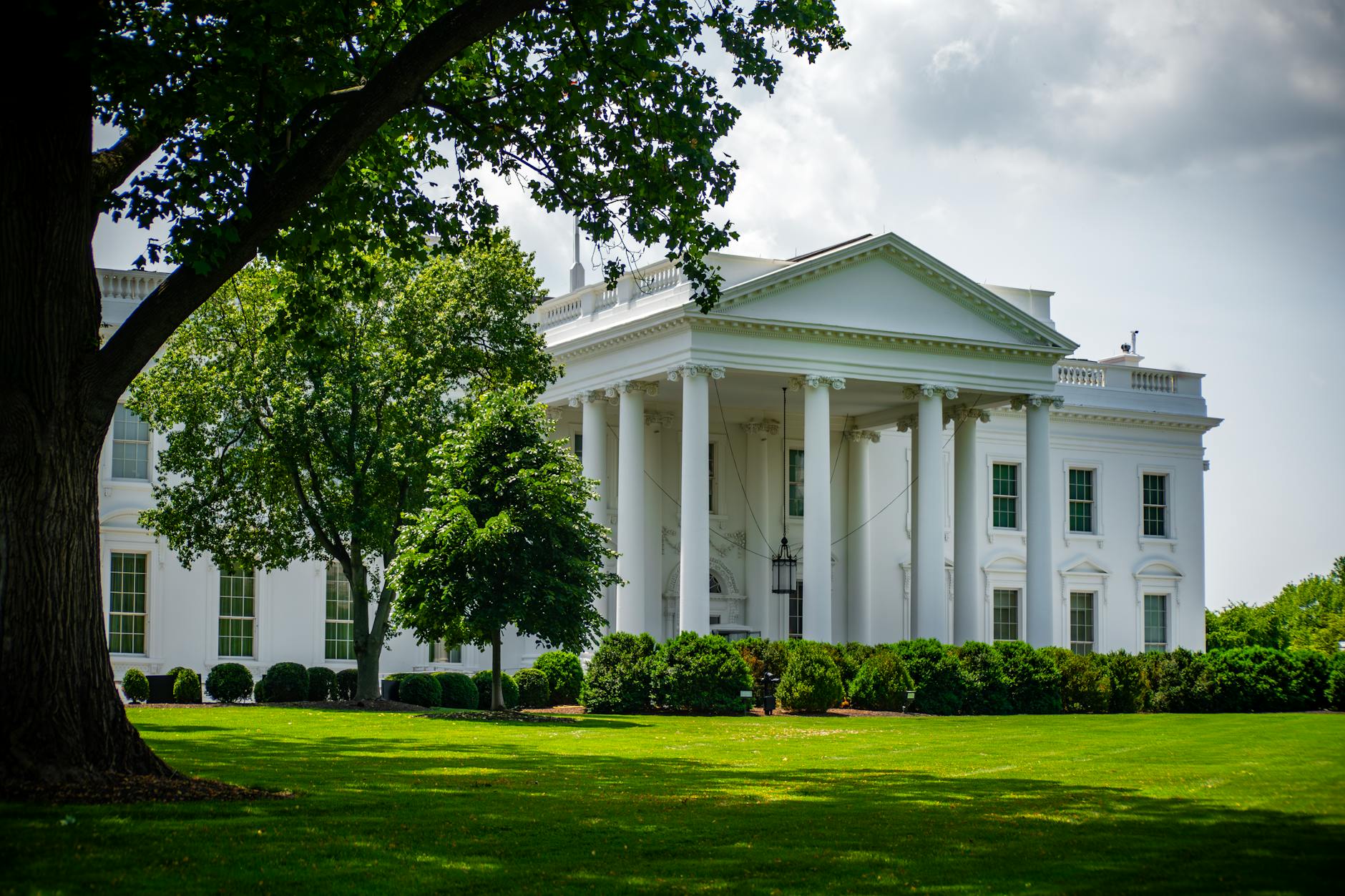
The deluded and deranged occupant of the White House seems to be sinking to ever deeper lows with a wearying, monotonous regularity. Each day brings a new outrage, a fresh embarrassment, another moment that would once have been unthinkable from anyone entrusted with such power. Anyone with half a brain in America can see this, surely? This isn’t subtle or hidden behaviour, it’s played out in full view of the world, amplified by screens, platforms, and headlines that no longer shock because the bar has been dragged so low.

He’s debasing himself, the office of President, and America’s reputation in the world, well, what’s left of it. The dignity, restraint, and moral seriousness that the role demands have been replaced by bluster, grievance, and a constant hunger for attention. His infantile and narcissistic behaviour isn’t just distasteful, it’s dangerous. It corrodes trust, fuels division, and normalises cruelty. It emboldens the worst instincts in public life while silencing reasoned debate and thoughtful leadership.

The consequences aren’t abstract. This behaviour affects the whole world negatively, destabilising alliances, undermining democracy, and creating real harm. Lives are being damaged and destroyed at home and abroad, not by accident, but by recklessness and indifference.

And yet the most baffling question remains unanswered. Why is no one doing anything to remove him from office? The evidence isn’t hidden in dusty files or whispered corridors. It’s in plain sight, mounting every day, spoken, posted, recorded, and repeated. History will judge not only the man, but those who saw clearly and chose to look away.