
St Dwynwen’s Day

Saint Dwynwen’s Day is celebrated on 25 January as the Welsh day of love and friendship, often compared to Valentine’s Day but with a gentler, more reflective tone. Dwynwen was a fifth century princess, said to be one of the daughters of Brychan Brycheiniog, whose story blends history, legend, and faith. She fell in love with a young man named Maelon, yet circumstances and family opposition meant they could not be together. Heartbroken, Dwynwen prayed for relief from her anguish and for the happiness of others in love. According to tradition, her prayers were answered through a series of miracles, leading her to dedicate her life to God and to become the patron saint of lovers.

Her story is rooted on the island of Llanddwyn, off the coast of Anglesey, where the ruins of her church still stand among dunes and seabirds. For centuries, people visited the holy well there, believing its movements could foretell the fate of relationships. Today, Saint Dwynwen’s Day is marked with cards, small gifts, poetry, and messages of affection, especially in Welsh, celebrating both romantic love and deep friendship.

The day carries a distinctively Welsh flavour, honouring language, heritage, and the quieter virtues of compassion, fidelity, and self giving love. It offers a reminder that love isn’t only about grand gestures; it’s also about prayerful hope, gentle kindness, and the courage to wish well for others, even when our own hearts have known sorrow. For many, it’s a tender winter pause for gratitude and connection.
Holy Innocents’ Day

Holy Innocents’ Day confronts us with one of the darkest moments in the Christmas story. Matthew tells of Herod, fearful and threatened, ordering the slaughter of Bethlehem’s children, a brutal act of power seeking to silence hope. Rachel weeping for her children, refusing to be comforted, is an image that still aches with truth today. The birth of Christ is barely announced before violence erupts, reminding us that God’s love enters a world already wounded.

This day refuses to let faith drift into sentimentality. It insists we look honestly at the cost of injustice and the suffering of the vulnerable. The holy family themselves become refugees, fleeing by night into Egypt, carrying with them fear, uncertainty, and a fragile child who is nevertheless God-with-us. Jesus’ story begins not in safety, but in danger.

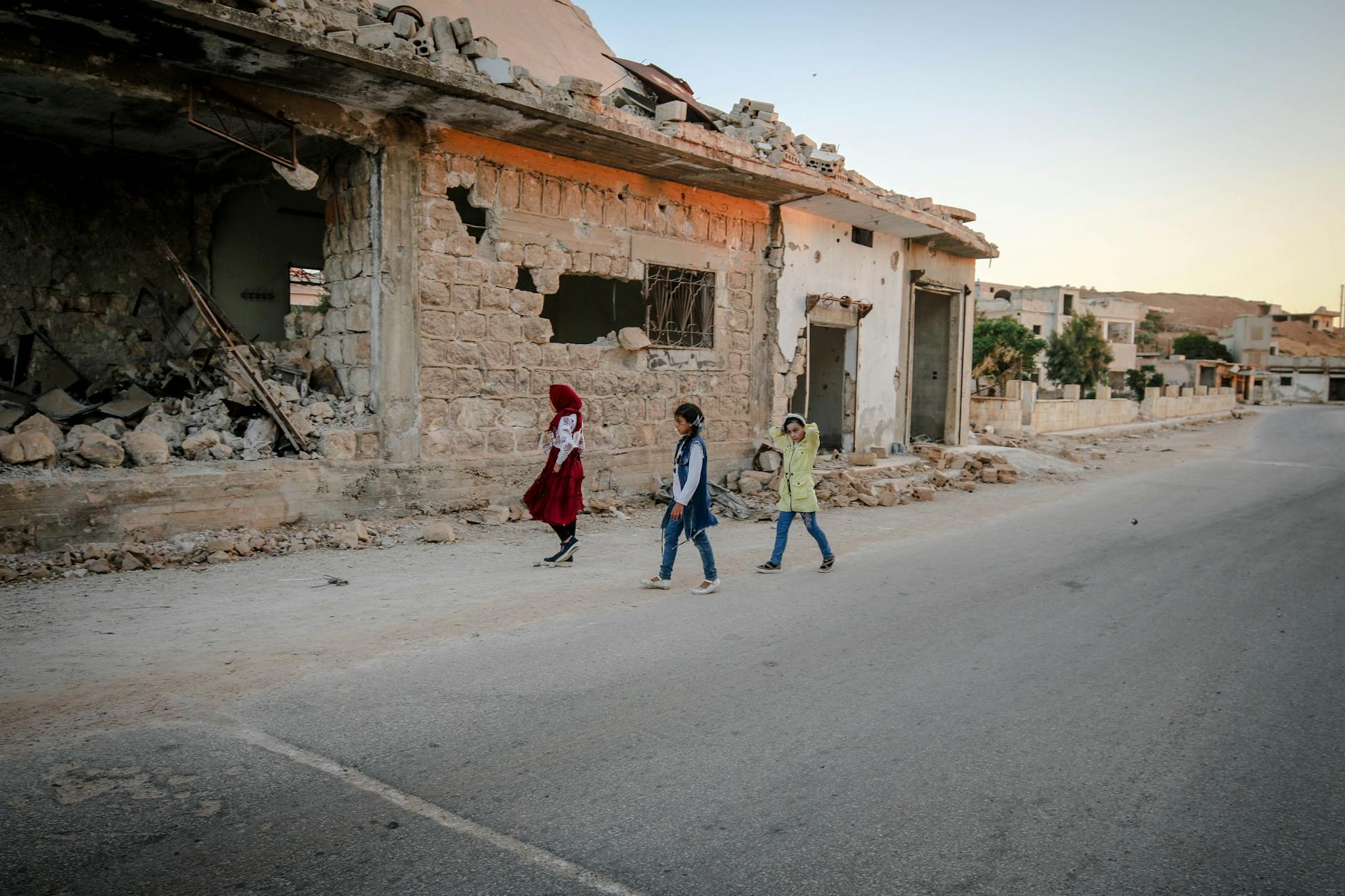
In our own time, the echoes are unmistakable. Children continue to suffer because of war, poverty, abuse, and neglect. From conflict zones where young lives are shattered, to quieter harms closer to home where children are unseen or unheard, the cry of the innocents has not faded. Holy Innocents’ Day calls us to resist becoming numb. It asks whether we are willing to notice, to grieve, and to act.

Yet this day is not only about sorrow. It also proclaims that God stands unequivocally with the vulnerable. The powers of violence do not get the final word. Even here, God’s purposes are quietly unfolding, carried forward by courage, compassion, and faithful care. Remembering the holy innocents invites us to align our lives with that divine tenderness, to protect, to speak out, and to nurture hope where it feels most fragile. In doing so, we honour those children, then and now, whose lives matter deeply to God.