
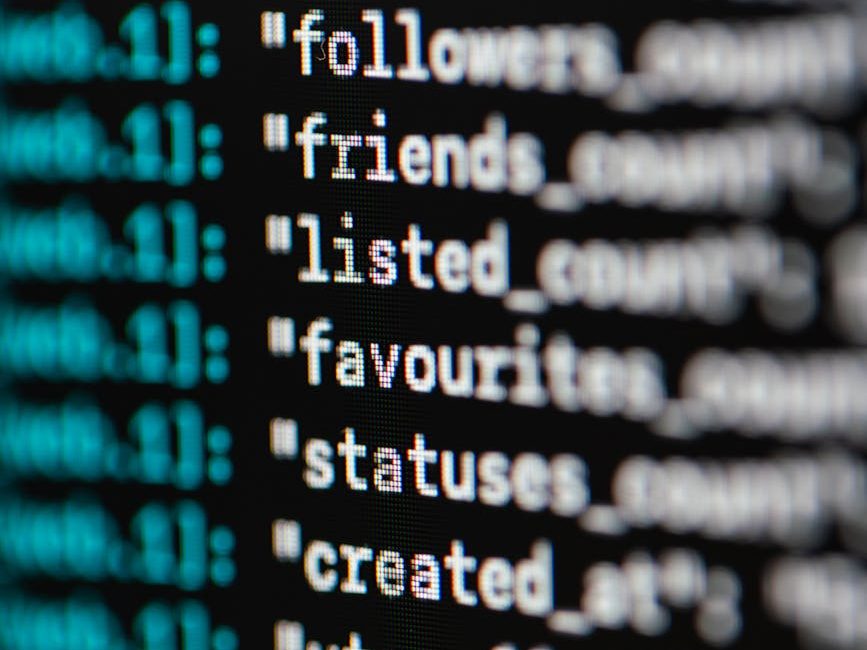
We live in a society where the algorithms know us better than we know ourselves. They watch what we click, how long we linger, which words make us pause, and what patterns emerge from our choices. In doing so, they build a portrait of us so detailed that it sometimes feels unnervingly intimate, predicting desires we haven’t yet named, and serving them back before we’ve had a chance to notice them rising within us.
There’s a kind of seduction in this. We find comfort in scrolling, receiving what feels like a personalised gift each time a recommendation hits the mark. Music that echoes our moods, films that speak to our tastes, even news curated to confirm our worldviews. All these create a cocoon where life feels smoother, tailored, frictionless. Yet this ease comes at a cost.
The omniscient algorithms aren’t neutral companions but carefully designed systems whose primary aim is to hold our attention, often shaping our wants rather than simply responding to them. They thrive on narrowing our horizons, because the more predictable we are, the easier we are to keep engaged. Over time, we risk mistaking this curated reflection for genuine choice, forgetting that our deepest longings are not meant to be managed by code.
Perhaps the challenge is to remain awake: to enjoy the convenience without surrendering our agency, to let algorithms assist us without allowing them to define us. For in the end, knowing ourselves must always run deeper than what any machine can calculate.
 John Ager's Home on the Web!