Critique Power, Not People

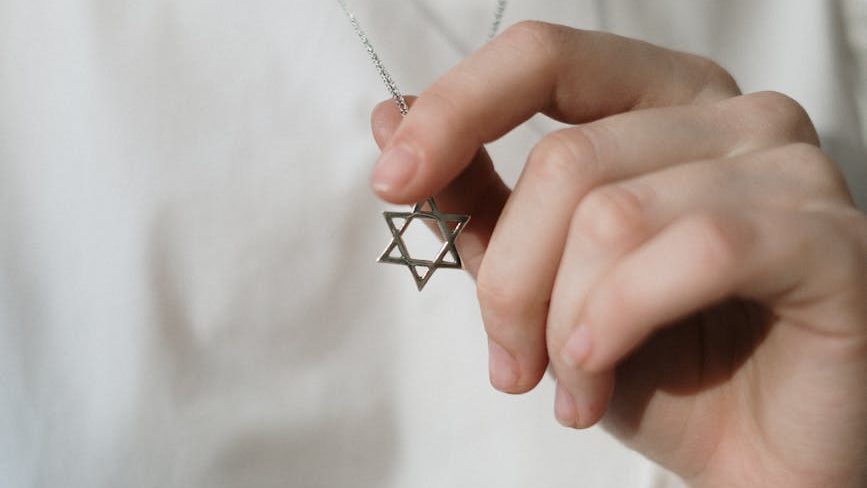
Jews around the world are not responsible for the actions of the Israeli Government, just as people of any faith or ethnicity aren’t accountable for the decisions of a state that claims to act in their name. Judaism is a diverse global religion and culture, not a single political position, and Jewish communities hold a wide range of views about Israel, its leadership, and its policies.

To conflate Jewish identity with the actions of one government is both inaccurate and unjust, and it risks fuelling antisemitism by treating a whole people as a monolith. Political criticism, however strong or necessary, should be directed at those in power and at specific policies, not at ordinary people who share neither responsibility nor control. Upholding this distinction matters, because justice depends on fairness, clarity, and the refusal to blame the many for the choices of the few.

It isn’t antisemitic to criticise the Israeli government or its policies, just as it isn’t prejudiced to challenge any other state’s actions, provided the focus remains on decisions, laws, and leaders rather than on a people or a faith. Antisemitism targets Jews because they are Jews, while legitimate political criticism questions power and policy, and confusing the two silences necessary debate while doing nothing to protect Jewish communities from real hatred.

Holding this line clearly and carefully allows moral scrutiny without collective blame, solidarity without erasure, and disagreement without dehumanisation, so that our arguments aim towards dignity, safety, and peace for all. May that be our hope and our practice. Shalom.
The Jewish Festival of Hanukkah

Today, 15 December in 2025, Jews around the world gather to celebrate the first day of Hanukkah, a festival rich in memory, meaning, and light. As winter deepens and days feel short and fragile, Hanukkah arrives as a quiet but resilient act of hope. It recalls a moment when faith was threatened by oppression and conformity, and when a small community chose courage, identity, and trust over fear.

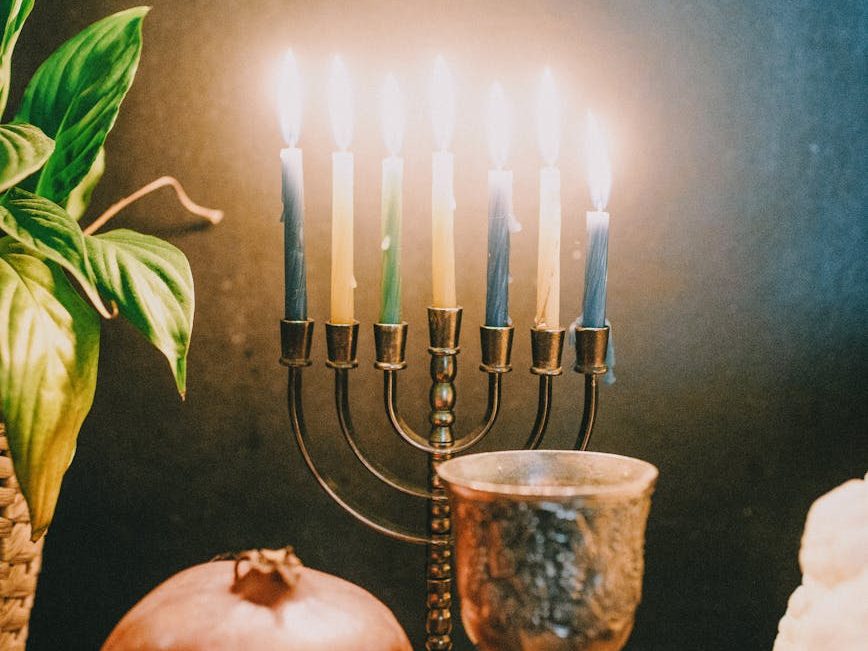
At the heart of Hanukkah is the lighting of the menorah, one candle on the first night, growing steadily brighter as each evening passes. It’s a gentle ritual, yet deeply powerful, reminding those who take part that light doesn’t need to be overwhelming to be transformative. Even a single flame can push back darkness, can offer warmth, can be seen from a window and shared with the world outside.

The festival remembers the rededication of the Temple in Jerusalem and the story of the oil that should have lasted one day but burned for eight. Whether heard as history, tradition, or sacred story, it speaks of endurance beyond expectation, of provision where none seemed possible. It invites reflection on what it means to stay faithful when resources are thin and the odds feel stacked against you.

Hanukkah is also a time of joy, family, food, song, and storytelling. Children play games, gifts are exchanged, and tables are filled with foods fried in oil, celebrating abundance in the midst of scarcity. In a fractured world, Hanukkah offers a steady, luminous reminder that identity matters, hope endures, and light, patiently tended, can still change everything.

Note: The date of Hanukkah changes each year because it follows the Jewish calendar rather than the Gregorian calendar used by most of the world. The Jewish calendar is lunisolar, shaped by both the moon and the sun. Months begin with the new moon and last 29 or 30 days. Hanukkah always starts on the 25th day of the Hebrew month of Kislev, but because the Jewish year doesn’t match the length of the solar year, the festival shifts when mapped onto the Gregorian calendar. To keep festivals in their proper seasons, the Jewish calendar occasionally adds an extra month. This prevents celebrations from drifting through the year, but the exact Gregorian date still varies, usually falling in late November or December. So while Hanukkah’s timing is fixed within Jewish tradition, it appears to move each year on modern calendars, reflecting an ancient, carefully balanced way of marking time.