
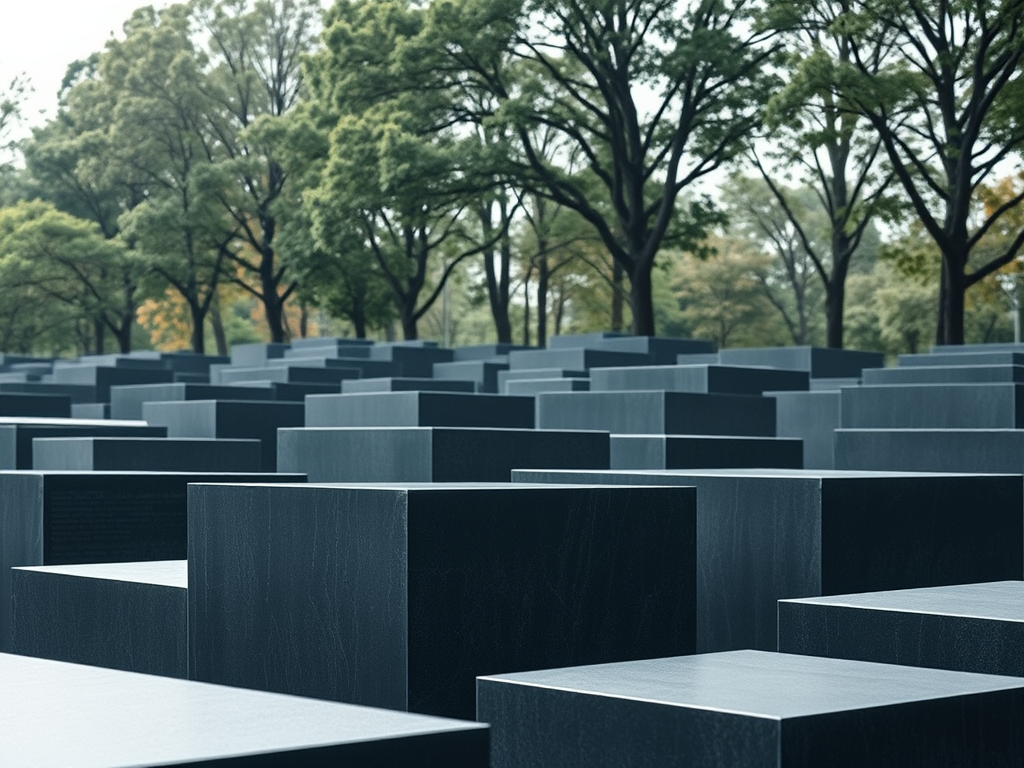
Holocaust Memorial Day calls us into a sacred kind of remembering, not distant or abstract, but close to the heart, where names, faces, and stories matter. We remember the six million Jewish lives stolen, alongside Roma, disabled people, LGBTQ+ people, political dissidents, and so many others whose humanity was denied. We don’t remember to wallow in despair, we remember because love demands truth, and because forgetting is the first step towards repeating.
Scripture doesn’t offer easy comfort here, but it does offer presence. “The Lord is close to the brokenhearted and saves those who are crushed in spirit,” the psalmist writes, and we cling to that promise for every life shattered by hatred. The cry of Micah still confronts us with holy clarity: God requires us “to act justly and to love mercy and to walk humbly with your God.” Remembrance, then, is not passive, it’s a call to live differently.
We hold the tension between grief and hope. We name the darkness honestly, because anything less would betray the truth, yet we also dare to believe with John’s gospel that “the light shines in the darkness, and the darkness has not overcome it.” That light flickers in every act of resistance to hatred, every stand against prejudice, every choice to protect the dignity of another.
Today, we remember with reverence, we lament with sincerity, and we commit ourselves again to compassion, justice, and courageous love, trusting that God’s memory is deeper than ours, and that no life, no story, no tear is ever forgotten.
 John Ager's Home on the Web!