When Justice Meets Impunity

The killing of Renee Nicole Good has forced the USA into a defining moment, one that exposes in painful clarity two competing visions of what the country is and what it ought to be.

On one side are those who believe that accountability must apply to everyone, without exception, that the rule of law only has meaning if it restrains power rather than protects it. They argue that when an American citizen is killed in the street by a federal agent, the response must be humility, transparency, and an independent search for truth. They insist that no uniform, no badge, and no political convenience should shield anyone from scrutiny. This vision is rooted in the belief that justice is fragile and must be actively defended, especially for those whose voices are most easily ignored.

On the other side is a far darker impulse, one that rushes to judgement, excuses violence, and treats state power as something to be obeyed rather than questioned. An administration that has already declared the agent innocent and the woman he killed guilty, before any meaningful investigation has begun, sends a chilling message about whose lives are valued and whose are expendable. That instinct embraces impunity over process, loyalty over truth, and force over fairness.

This moment is no longer only about one death, tragic as that is. It’s become a test of whether America still believes in equal justice under the law, or whether it is prepared to surrender that ideal in the name of power, fear, and political expediency.
Holy Innocents’ Day

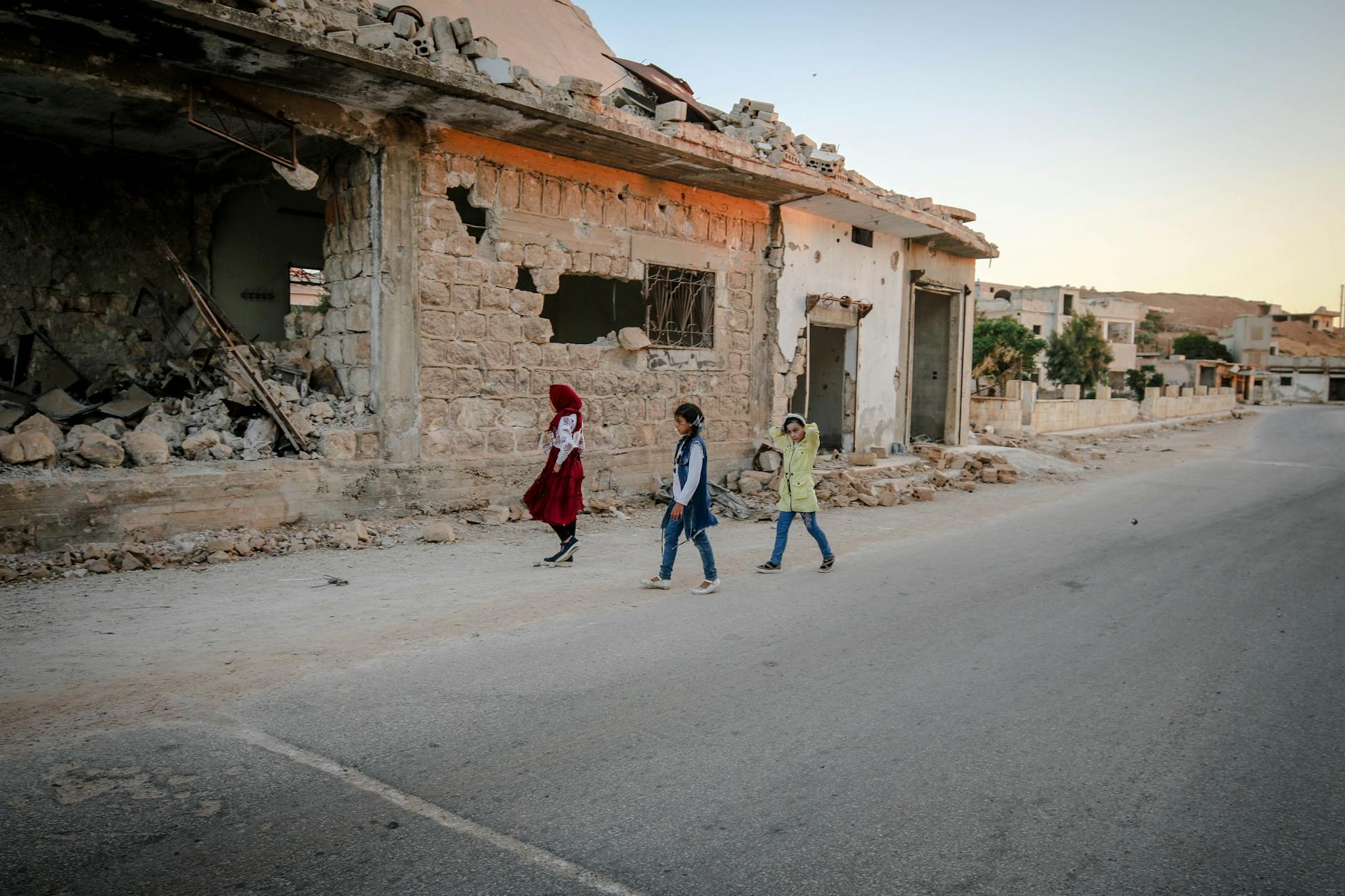
Holy Innocents’ Day confronts us with one of the darkest moments in the Christmas story. Matthew tells of Herod, fearful and threatened, ordering the slaughter of Bethlehem’s children, a brutal act of power seeking to silence hope. Rachel weeping for her children, refusing to be comforted, is an image that still aches with truth today. The birth of Christ is barely announced before violence erupts, reminding us that God’s love enters a world already wounded.

This day refuses to let faith drift into sentimentality. It insists we look honestly at the cost of injustice and the suffering of the vulnerable. The holy family themselves become refugees, fleeing by night into Egypt, carrying with them fear, uncertainty, and a fragile child who is nevertheless God-with-us. Jesus’ story begins not in safety, but in danger.

In our own time, the echoes are unmistakable. Children continue to suffer because of war, poverty, abuse, and neglect. From conflict zones where young lives are shattered, to quieter harms closer to home where children are unseen or unheard, the cry of the innocents has not faded. Holy Innocents’ Day calls us to resist becoming numb. It asks whether we are willing to notice, to grieve, and to act.

Yet this day is not only about sorrow. It also proclaims that God stands unequivocally with the vulnerable. The powers of violence do not get the final word. Even here, God’s purposes are quietly unfolding, carried forward by courage, compassion, and faithful care. Remembering the holy innocents invites us to align our lives with that divine tenderness, to protect, to speak out, and to nurture hope where it feels most fragile. In doing so, we honour those children, then and now, whose lives matter deeply to God.