Advent Christ is Born

Christmas Day brings the fulfilment of every Advent longing. The waiting, the watching, the yearning find their answer in a child wrapped in cloths and lying in a manger. Here, in the most ordinary of places, heaven bends low and touches earth. The Word, through whom all things were made, takes on our frailty, our flesh, our story. Advent Christ is born.

The angels can’t keep silent. They break open the night sky with their song: “Glory to God in the highest heaven, and on earth peace to those on whom his favour rests.” Shepherds hurry from their fields, astonished that the good news is for them – poor, unprepared, overlooked – and yet chosen to be first witnesses of glory. Mary treasures all these things in her heart, as love made flesh rests in her arms.

This birth is no sentimental tale but a revolution of grace. God comes not in splendour or might, but in humility, to show that his kingdom is for the lowly and the broken, for those who hunger for mercy and long for hope. “The Word became flesh and made his dwelling among us.” Not far off, not distant, but here – pitching his tent in the middle of our lives.

The candlelight of Advent now gives way to the blaze of Christmas morning. All the themes we’ve carried – hope, peace, joy, love – find their centre in Christ himself. He is the light that darkness cannot overcome, the peace that passes understanding, the joy that sings even in sorrow, and the love that will never let us go.

So we kneel with the shepherds, we rejoice with the angels, we wonder with Mary and Joseph, and we open our hearts to receive him. Advent Christ is born: God with us, now and always.


On Christmas Eve

Christmas Eve arrives quietly, like breath on cold glass. The world slows, even if only for a moment, and listens. Streetlights glow a little softer, kitchens carry the memory of cinnamon and warmth, and the dark feels less like an ending and more like a cradle.

This is the night between, between longing and fulfilment, between promise and presence. We stand with tired hearts and hopeful hands, carrying the year we’ve lived, its griefs and its small, bright joys. Nothing needs to be fixed tonight. Nothing needs to be proven. Love doesn’t hurry.

Somewhere beneath the noise, a deeper truth hums. God doesn’t arrive with spectacle or certainty, but with vulnerability. Not above the mess, but within it. A child’s cry breaks the silence, and the universe leans in. Power chooses tenderness. Eternity borrows time.

Christmas Eve invites us to rest in that holy nearness. To believe that light can be born in the darkest places, including our own. To trust that gentleness is never wasted, and that hope, however fragile, is enough to carry us through the night.

So we wait. Candles ready. Hearts open. Tomorrow will come. For now, this is enough.

Bible 40 Themes 02 Covenant

Covenant is one of those biblical words that can sound distant, even legalistic, yet at its heart it speaks of relationship, commitment, and promise held steady across time. In Genesis 17, God says to Abram, later named Abraham, I will establish my covenant between me and you and your descendants after you throughout their generations as an everlasting covenant, to be your God and the God of your descendants after you. These words are spoken not into certainty, but into vulnerability. Abram is old, childless by human reckoning, living between promise and fulfilment. Covenant begins there, not with achievement, but with trust.

What’s striking is that the covenant isn’t presented as a contract between equals. Abram doesn’t negotiate terms or offer guarantees. The promise flows one way, grounded in God’s faithfulness rather than human reliability. This is an everlasting covenant, stretching beyond one lifetime, beyond one moment of obedience or failure, binding generations yet unborn into a story of belonging. It reminds us that faith has a long memory and a wide horizon. We inherit promises we didn’t earn, and we live in ways that will shape people we’ll never meet.

Covenant also names identity. To be your God is relational language, intimate and personal, not abstract theology. It speaks of presence, guidance, and care. In a world shaped by transactions, productivity, and conditional acceptance, covenant insists that relationship comes first. We aren’t held by God because we perform well, but because we’re known and named. Abraham’s new name marks that shift, from who he was to who he’s becoming, shaped by promise rather than past limitation.

Yet covenant isn’t passive. Abraham is invited to walk before God faithfully, to live as someone whose future is already spoken for. Covenant creates a way of life rooted in trust, generosity, and hope. It asks us to live now as if the promise is true, even when the evidence feels thin.

In our own lives, covenant can feel fragile. We’re aware of broken promises, fractured relationships, and our own inconsistency. Genesis 17 gently reminds us that the deepest promise does not rest on our steadiness, but on God’s. The covenant holds when we waver, stretches across time, and quietly insists that grace will have the final word.

Bible Reference: Genesis 17

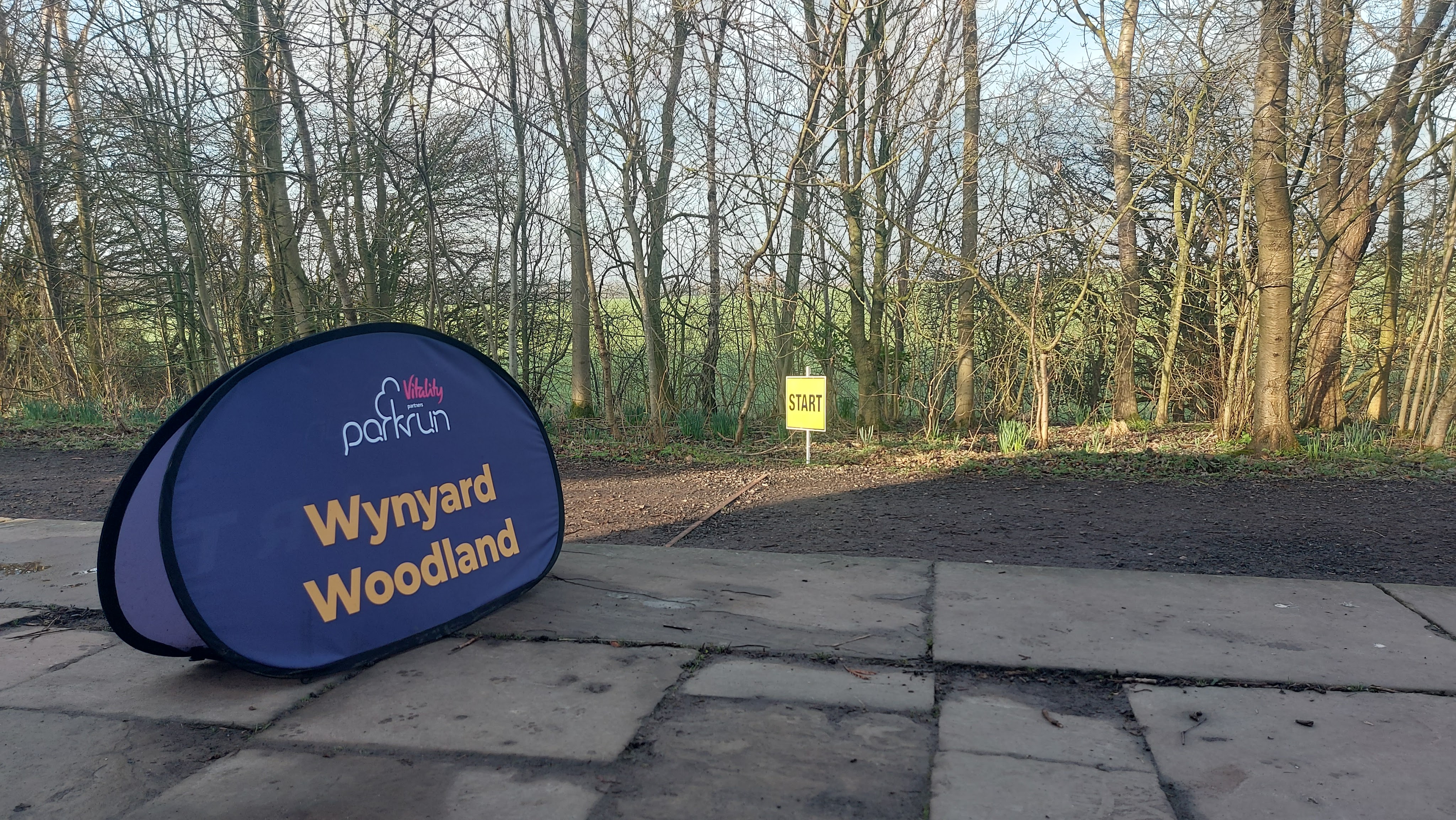
Volunteering at parkrun

Volunteering at parkrun offers far more than a chance to give back. It brings a host of benefits that positively impact mental, emotional, and even professional wellbeing. Many regular volunteers speak of a deep sense of fulfilment and satisfaction that comes from contributing to the event’s success each week. Studies support this, showing that volunteering can lift mood, reduce stress, and enhance overall wellbeing.

One of the most rewarding aspects of volunteering at parkrun is the sense of community it builds. Whether you’re marshalling, timing, scanning barcodes, or cheering people on, you’re surrounded by like-minded individuals who share a passion for health, connection, and community spirit. These shared moments often lead to lasting friendships and a richer appreciation for the value of local engagement.

Volunteering at parkrun is also a fantastic way to develop and strengthen key life skills. Each role provides opportunities to improve communication, teamwork, problem-solving, and time management. Whether you’re coordinating a finish funnel or supporting first-timers, every task contributes to both personal and professional growth.

From a career perspective, volunteering at parkrun is a valuable addition to your CV. It demonstrates initiative, reliability, and a genuine willingness to contribute to something bigger than yourself. For jobseekers, students, or anyone looking to stand out, regular volunteering shows commitment, people skills, and the ability to work under pressure, all traits employers value highly.

Most importantly, parkrun volunteering can be a journey of self-discovery. It invites you to try new roles, push beyond your comfort zone, and sometimes uncover talents you didn’t know you had. In serving others, you often gain just as much in return, whether it’s confidence, clarity, or simply the joy of making someone’s Saturday morning a little brighter.

Overall, parkrun volunteering is a win-win. It strengthens communities, supports wellbeing, and enriches personal and professional lives. Every barcode scan, every time check, every cheer matters, and so do the people who give their time to make it all happen. Why not have a go?