Brexit is probably the main reason the UK economy is doing badly because it’s made trade slower, more expensive, and more uncertain, especially for small and medium sized businesses. Leaving the single market and customs union introduced new paperwork, border checks, and regulatory barriers that didn’t exist before, reducing exports and discouraging investment.
Many international companies have shifted operations elsewhere in Europe, taking jobs, tax revenue, and growth with them. At the same time, labour shortages in sectors like agriculture, health, hospitality, and construction have pushed up costs and constrained productivity.
While global factors such as Covid and energy prices have affected all countries, the UK has performed consistently worse than comparable economies, suggesting that Brexit has acted as a long term drag rather than a one off shock.
For decades before the Brexit referendum, much of the right-wing UK tabloid press presented the EU as a hostile, meddling force, not by accident but because it suited their politics, profits, and power. The EU represented shared rules, social protections, and limits on deregulation, all of which clashed with a free-market, low-regulation worldview. Brussels was distant, complex, and unfamiliar, making it an ideal target for caricature and distortion.
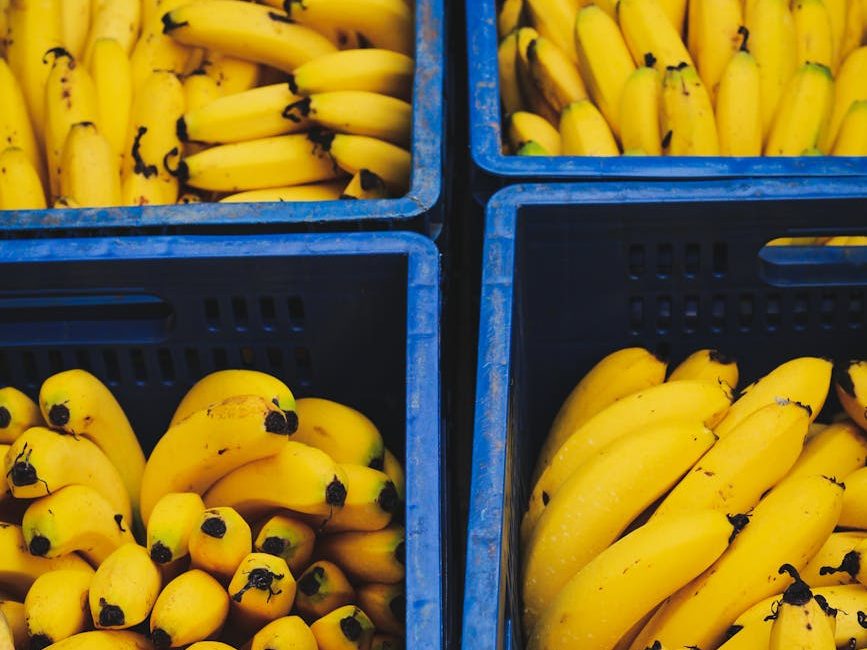
Sensational stories about “bent bananas”, bans on British traditions, or faceless bureaucrats dictating daily life were easy to understand and emotionally charged. They sold newspapers, drove outrage, and encouraged loyalty by framing readers as victims of an external enemy. The truth, that EU regulations were often co-designed by UK ministers and benefited consumers and workers, was far less clickable.
There were also clear political incentives. Successive governments found it convenient to blame the EU for unpopular decisions while quietly supporting those same policies in Brussels. Tabloid owners, some with global business interests, often favoured weakening EU rules and cultivated close relationships with politicians who shared that goal. Over time, myth became narrative, and narrative became identity.
Crucially, accountability was weak. Inaccurate stories were rarely corrected with equal prominence, and the EU itself was poor at explaining its role in plain, human terms. Journalists who challenged the myths were dismissed as elitist or unpatriotic. By the time of the referendum, decades of repetition had embedded a sense of grievance and mistrust so deeply that facts alone struggled to compete with emotion, nostalgia, and a carefully nurtured story of lost sovereignty.
It’s been announced today (Wednesday 17 December 2025) that the UK will be rejoining the EU Erasmus Scheme. This fantastic opportunity was stolen from our young people following a foolish Brexit decision and a disastrous deal.
Its return matters deeply because Erasmus is about far more than study placements or exchange terms. It opens doors to language learning, cultural understanding, friendship across borders, and the quiet confidence that comes from discovering you can belong in more than one place.
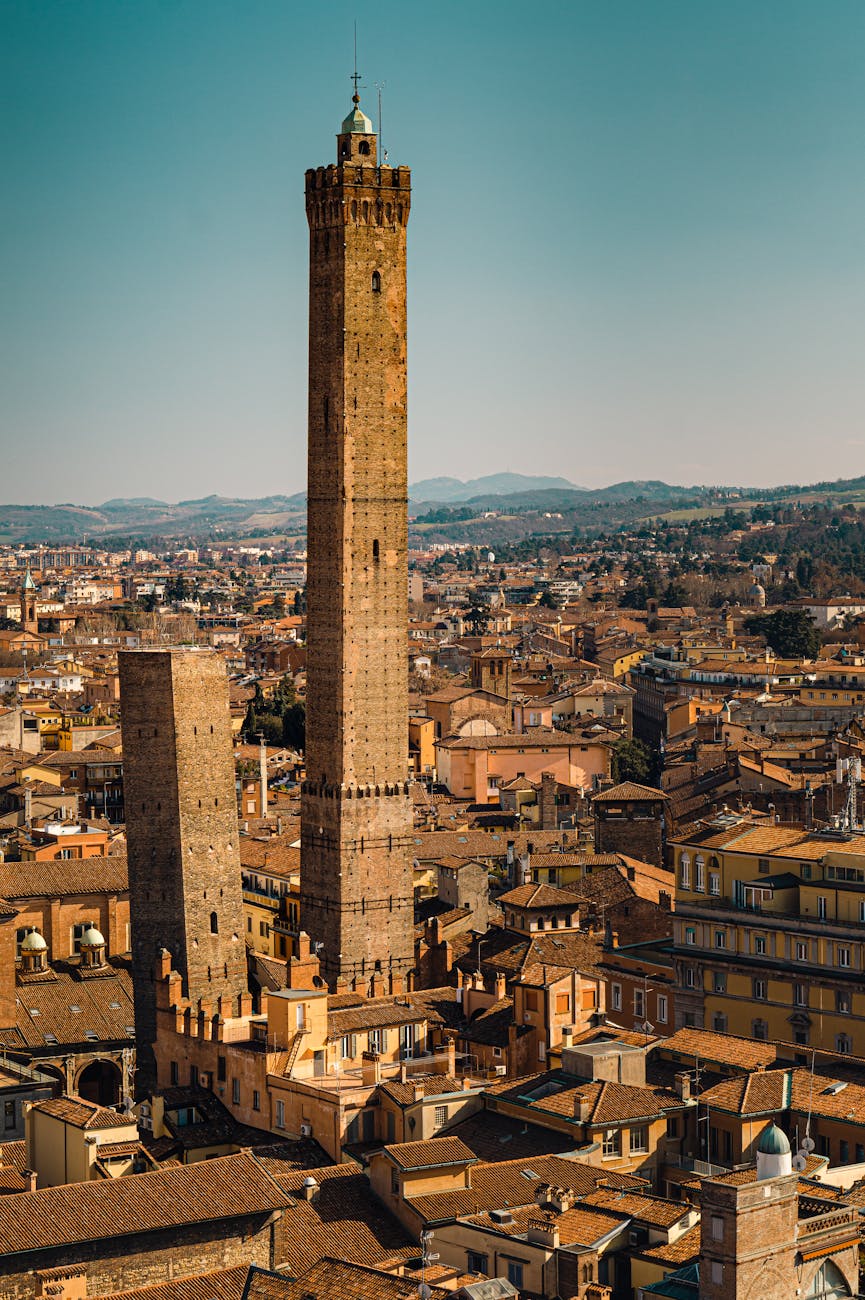
I saw this first-hand through my grown up daughter, Sarah, who benefited immensely from her time in Bologna. The experience shaped her academically, stretched her personally, and left her with friendships, memories, and a sense of Europe that no classroom alone could ever provide.
For countless students, particularly those from less privileged backgrounds, Erasmus was a first passport stamp, a first step beyond the familiar, and a powerful reminder that Europe isn’t an abstract idea but a shared human space. Rejoining sends a signal that we’re serious about investing in the next generation, trusting them to learn, travel, collaborate, and imagine bigger futures.
It won’t undo all the damage of Brexit, but it’s a meaningful act of repair, restoring opportunity, dignity, and hope where they were unnecessarily taken away.


 John Ager's Home on the Web!