
Embracing Christian Unity

There’s a quiet urgency in Paul’s appeal to the church in Corinth (1 Corinthians 1:10-18), a voice that still reaches tenderly and truthfully into our own divided moment. “I appeal to you, brothers and sisters, in the name of our Lord Jesus Christ, that all of you agree with one another in what you say and that there be no divisions among you.” He isn’t asking for bland uniformity, he’s inviting a scattered people to gather their lives around one living centre, shaped by grace rather than rivalry. The Week of Prayer for Christian Unity calls us to hear that invitation anew, not as a burden, but as a gift.

We recognise the ache of fractured witness because we live with it. We’ve heard the labels, “I follow Paul,” “I follow Apollos,” “I follow Cephas,” or their quieter modern equivalents that reveal themselves in loyalties, assumptions, and subtle pride. Paul’s piercing question still stands before us, “Is Christ divided?” The answer remains no, yet our habits can suggest otherwise. Unity doesn’t mean pretending our differences don’t exist, it means choosing, again and again, to let Christ be at the centre rather than our preferences.

Paul gently, firmly, draws our gaze to the Cross, that holy place where all human boasting is undone. For the message of the cross is foolishness to those who are perishing, but to us who are being saved it is the power of God. Here, at this strange intersection of suffering and love, we discover the true ground of our oneness. We’re not united by style, politics, or tradition, but by shared surrender and shared hope.

This week becomes a practice of turning towards one another with humility. It’s a time to listen more deeply, to bless more readily, to notice the grace of God alive in communities not our own. Unity grows quietly, in prayers whispered for neighbouring churches, in conversations softened by kindness, in the courage to believe that the Spirit is still at work, patiently weaving us together.

May we remember that our oneness isn’t something we manufacture. It’s a gift we receive with gratitude, tend with care, and live out with joy, for the sake of Christ and for the healing of the world.

When Justice Meets Impunity

The killing of Renee Nicole Good has forced the USA into a defining moment, one that exposes in painful clarity two competing visions of what the country is and what it ought to be.

On one side are those who believe that accountability must apply to everyone, without exception, that the rule of law only has meaning if it restrains power rather than protects it. They argue that when an American citizen is killed in the street by a federal agent, the response must be humility, transparency, and an independent search for truth. They insist that no uniform, no badge, and no political convenience should shield anyone from scrutiny. This vision is rooted in the belief that justice is fragile and must be actively defended, especially for those whose voices are most easily ignored.

On the other side is a far darker impulse, one that rushes to judgement, excuses violence, and treats state power as something to be obeyed rather than questioned. An administration that has already declared the agent innocent and the woman he killed guilty, before any meaningful investigation has begun, sends a chilling message about whose lives are valued and whose are expendable. That instinct embraces impunity over process, loyalty over truth, and force over fairness.

This moment is no longer only about one death, tragic as that is. It’s become a test of whether America still believes in equal justice under the law, or whether it is prepared to surrender that ideal in the name of power, fear, and political expediency.

Deluded and Deranged

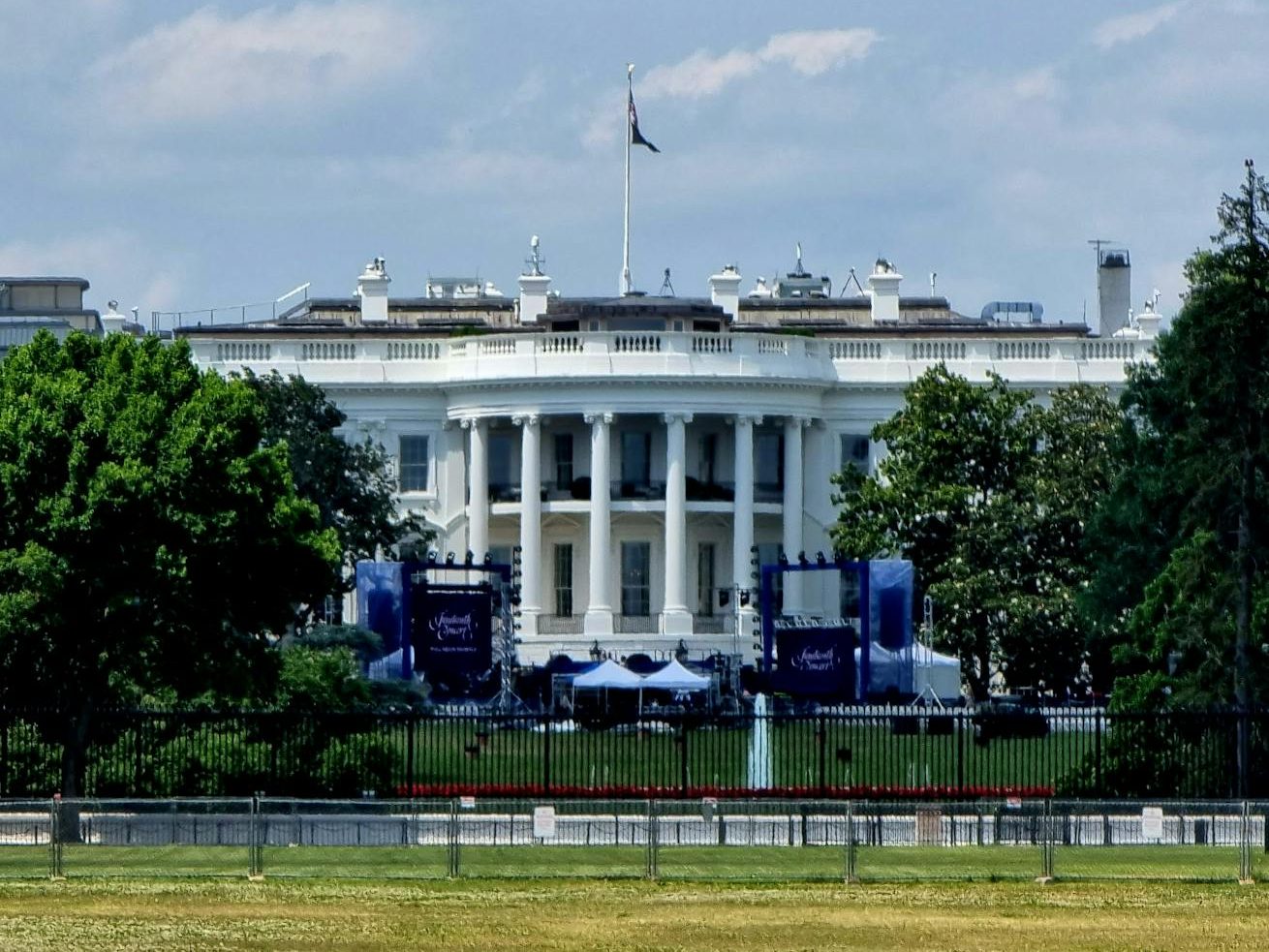
The deluded and deranged occupant of the White House seems to be sinking to ever deeper lows with a wearying, monotonous regularity. Each day brings a new outrage, a fresh embarrassment, another moment that would once have been unthinkable from anyone entrusted with such power. Anyone with half a brain in America can see this, surely? This isn’t subtle or hidden behaviour, it’s played out in full view of the world, amplified by screens, platforms, and headlines that no longer shock because the bar has been dragged so low.

He’s debasing himself, the office of President, and America’s reputation in the world, well, what’s left of it. The dignity, restraint, and moral seriousness that the role demands have been replaced by bluster, grievance, and a constant hunger for attention. His infantile and narcissistic behaviour isn’t just distasteful, it’s dangerous. It corrodes trust, fuels division, and normalises cruelty. It emboldens the worst instincts in public life while silencing reasoned debate and thoughtful leadership.

The consequences aren’t abstract. This behaviour affects the whole world negatively, destabilising alliances, undermining democracy, and creating real harm. Lives are being damaged and destroyed at home and abroad, not by accident, but by recklessness and indifference.

And yet the most baffling question remains unanswered. Why is no one doing anything to remove him from office? The evidence isn’t hidden in dusty files or whispered corridors. It’s in plain sight, mounting every day, spoken, posted, recorded, and repeated. History will judge not only the man, but those who saw clearly and chose to look away.