
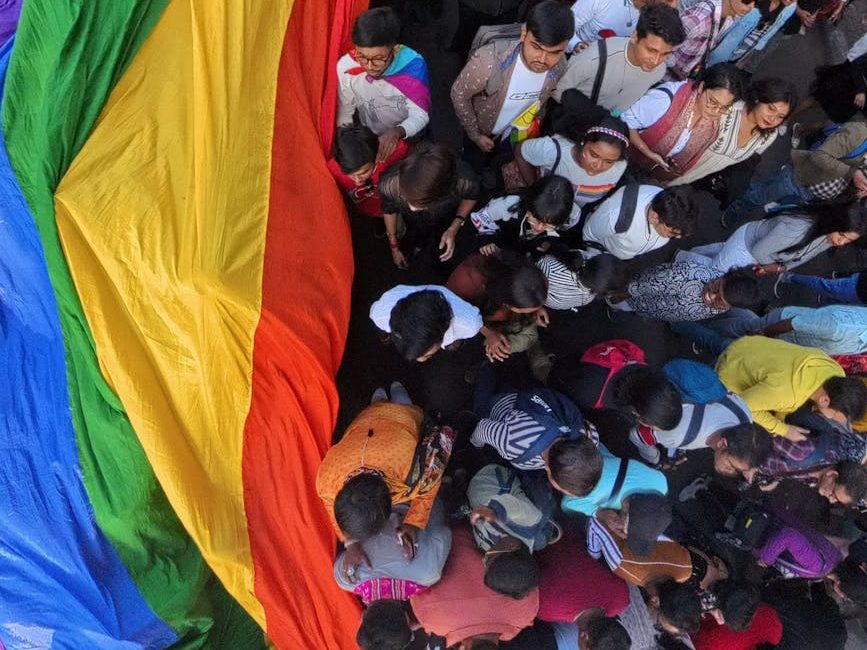
I recognise the month of June as Pride Month and stand proudly alongside my brothers and sisters in the LGBTQ+ community. For me, Pride is more than a celebration; it’s an opportunity to affirm the dignity, worth, and humanity of people who have too often faced prejudice, exclusion, or misunderstanding. It’s a reminder that every person deserves to be treated with kindness, respect, and compassion, regardless of their sexual orientation, gender identity, background, faith, ethnicity, or life experience.
Throughout my life, I’ve come to believe that our shared humanity is far more important than the labels that can sometimes divide us. We may not all see every issue in exactly the same way, but we can choose to listen, to learn, and to treat one another with grace. A healthy and caring community is built not on uniformity, but on mutual respect and a commitment to ensuring that everyone feels valued and welcomed.
This website and my social media accounts are safe and inclusive spaces where people from all walks of life can engage in conversation, share experiences, and explore ideas without fear of hostility or discrimination. I want them to be places where marginalised voices are heard, where differences are respected, and where empathy is encouraged. This commitment extends not only to the LGBTQ+ community, but also to all those who have experienced exclusion or disadvantage in any form.
At the heart of this statement is a simple conviction: we’re all human, and every human being deserves respect, dignity, and the opportunity to flourish. During Pride Month, and throughout the year, I remain committed to that principle.

 John Ager's Home on the Web!