International Migrants Day

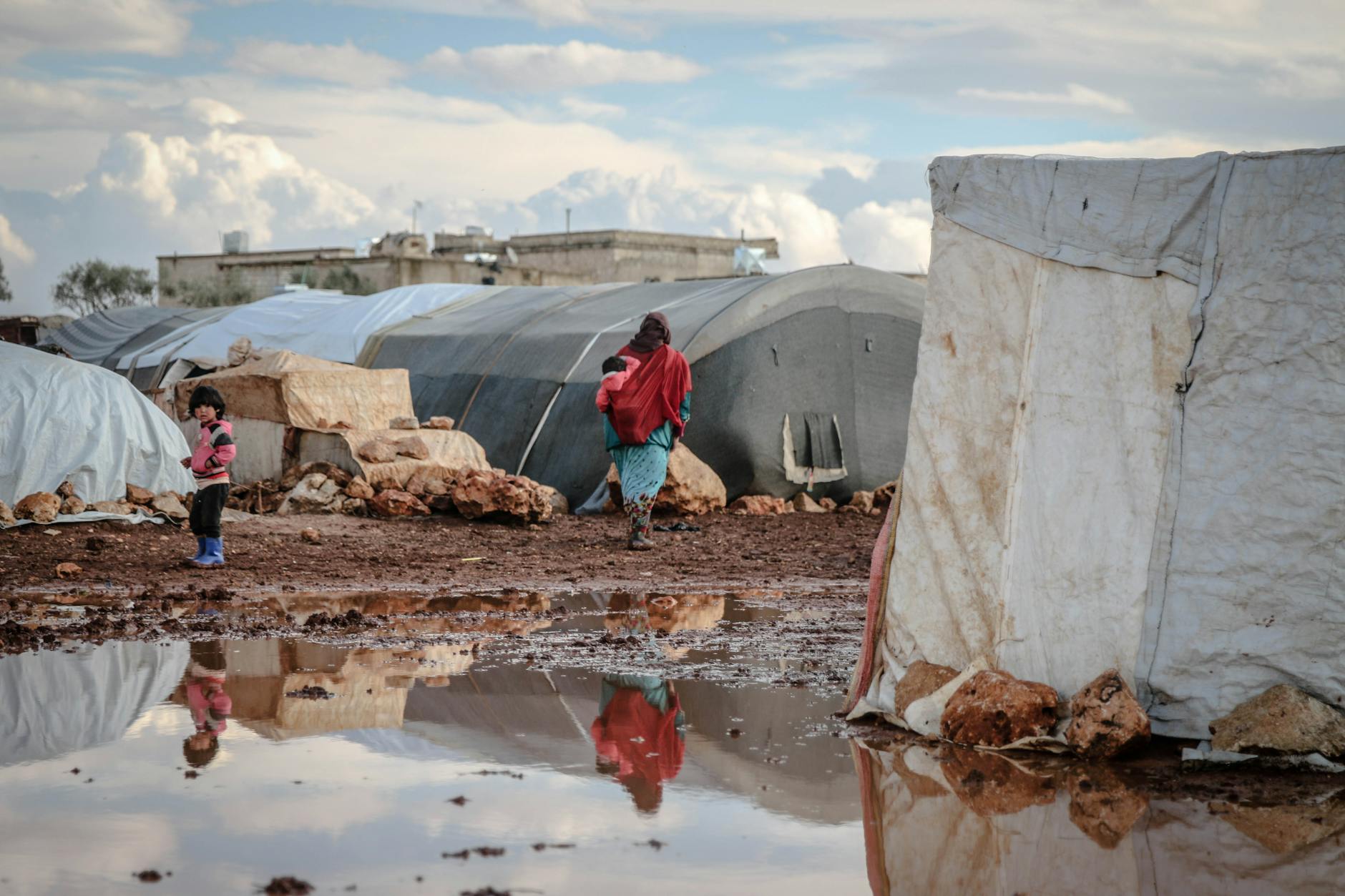
International Migrants Day is marked each year on 18 December, inviting us to pause and really see the people behind the word “migrant”. It was established by the United Nations to recognise the millions who live, work, study, and raise families away from the place they first called home, often carrying both hope and grief in the same suitcase. Some move by choice, others by necessity, many by a mixture of both, yet all share the experience of crossing boundaries, visible and invisible.

The day shines a light on the contributions migrants make to societies, economies, cultures, and communities, contributions that are too easily overlooked or reduced to statistics. It also draws attention to the realities many face, exploitation, dangerous journeys, separation from loved ones, and the quiet strain of never fully belonging. At its heart is a call to dignity, fairness, and compassion, reminding us that human rights don’t stop at borders.

International Migrants Day asks more than polite sympathy. It challenges us to listen carefully, to resist fear-driven narratives, and to remember that migration is as old as humanity itself. It’s a moment to recognise shared vulnerability and shared strength, and to choose hospitality over suspicion, solidarity over indifference.

Rejoining the EU Erasmus Scheme

It’s been announced today (Wednesday 17 December 2025) that the UK will be rejoining the EU Erasmus Scheme. This fantastic opportunity was stolen from our young people following a foolish Brexit decision and a disastrous deal.

Its return matters deeply because Erasmus is about far more than study placements or exchange terms. It opens doors to language learning, cultural understanding, friendship across borders, and the quiet confidence that comes from discovering you can belong in more than one place.

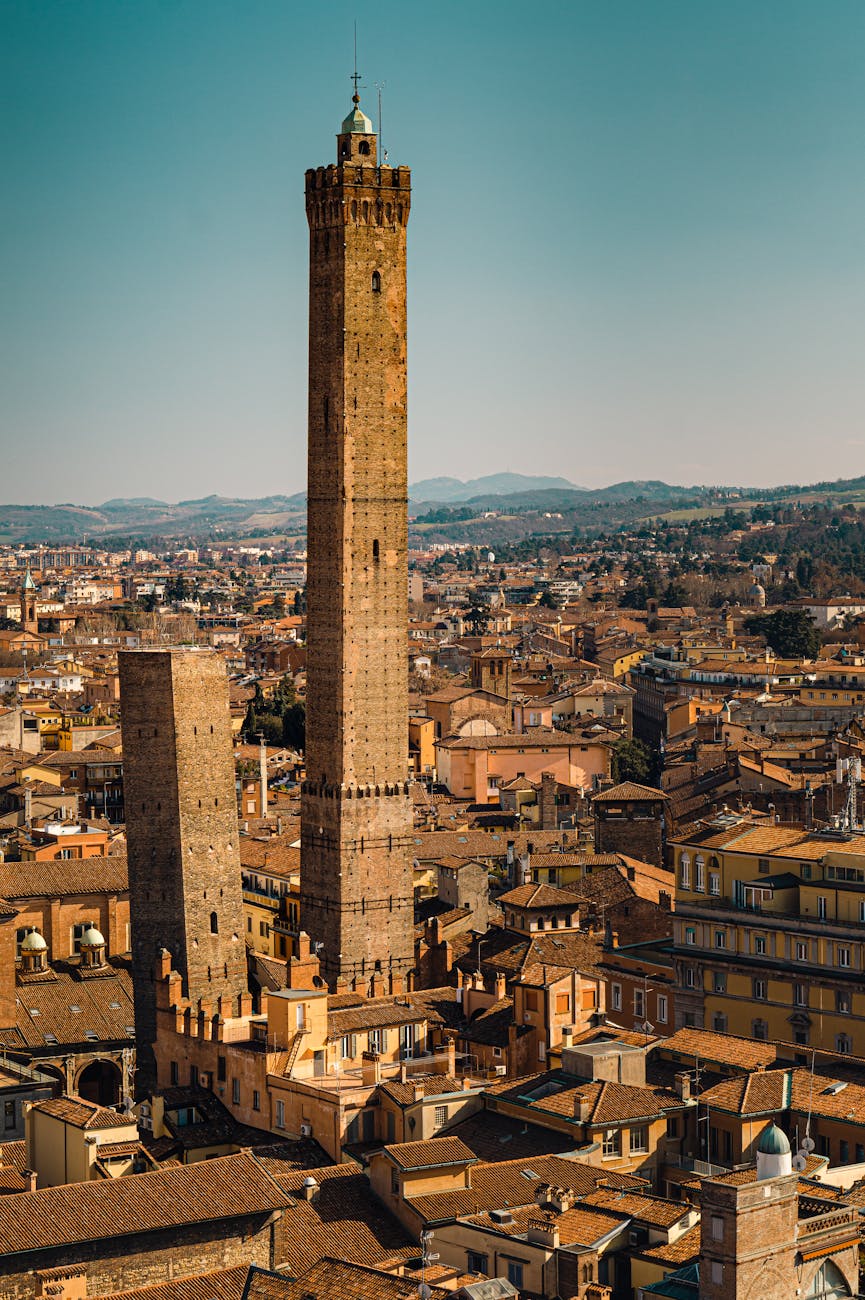
I saw this first-hand through my grown up daughter, Sarah, who benefited immensely from her time in Bologna. The experience shaped her academically, stretched her personally, and left her with friendships, memories, and a sense of Europe that no classroom alone could ever provide.

For countless students, particularly those from less privileged backgrounds, Erasmus was a first passport stamp, a first step beyond the familiar, and a powerful reminder that Europe isn’t an abstract idea but a shared human space. Rejoining sends a signal that we’re serious about investing in the next generation, trusting them to learn, travel, collaborate, and imagine bigger futures.

It won’t undo all the damage of Brexit, but it’s a meaningful act of repair, restoring opportunity, dignity, and hope where they were unnecessarily taken away.

Critique Power, Not People

Jews around the world are not responsible for the actions of the Israeli Government, just as people of any faith or ethnicity aren’t accountable for the decisions of a state that claims to act in their name. Judaism is a diverse global religion and culture, not a single political position, and Jewish communities hold a wide range of views about Israel, its leadership, and its policies.

To conflate Jewish identity with the actions of one government is both inaccurate and unjust, and it risks fuelling antisemitism by treating a whole people as a monolith. Political criticism, however strong or necessary, should be directed at those in power and at specific policies, not at ordinary people who share neither responsibility nor control. Upholding this distinction matters, because justice depends on fairness, clarity, and the refusal to blame the many for the choices of the few.

It isn’t antisemitic to criticise the Israeli government or its policies, just as it isn’t prejudiced to challenge any other state’s actions, provided the focus remains on decisions, laws, and leaders rather than on a people or a faith. Antisemitism targets Jews because they are Jews, while legitimate political criticism questions power and policy, and confusing the two silences necessary debate while doing nothing to protect Jewish communities from real hatred.

Holding this line clearly and carefully allows moral scrutiny without collective blame, solidarity without erasure, and disagreement without dehumanisation, so that our arguments aim towards dignity, safety, and peace for all. May that be our hope and our practice. Shalom.