
Beyond Roses and Romance

Love is everywhere, isn’t it, if we have eyes to see. In the warmth of family, in the laughter of children, in the steady companionship of a faithful dog, in friendships formed through shared life and service. Love shows up in the simple joys that make life feel full, music that stirs the soul, learning that stretches the mind, beauty that catches our breath, and the deep gratitude of simply being alive.

And yet, above and through all these loves flows something greater, God’s perfect love, the love that gives meaning and purpose to every other love we experience. Jesus says he has come that we may have life, and have it to the full, not a shallow happiness, but a rich, rooted life held in God’s hands.

Scripture celebrates this love of life. The psalmist stands in wonder at creation, delighting in the works of the Lord. Another psalm paints love in the ordinary holiness of home, shared tables, companionship, and blessing. Romans reminds us that even in sorrow, God is still the source of hope, filling us with joy and peace as we trust in him. For with him is the fountain of life, and in his light we see light.

Human love longs to endure, as Shakespeare wrote, an ever-fixèd mark, unshaken by storms. Song of Songs declares love as fierce as fire, stronger than death, unquenchable by deep waters. And in Christ, we see love made flesh, steadfast, sacrificial, and true.

So today, we give thanks for every love that colours our lives, and we rest in the greatest love of all. God’s love, endless, faithful, beyond all price. May our hearts be softened by it, and may our lives quietly overflow with it, as we go in peace to love and to serve.

Note: This devotional is based on worship I led at Stockton Salvation Army on Sunday 15 February 2026, you can see my full notes by clicking here.

A New Year Unfolds

As a New Year stretches out before us, full of possibility and uncertainty, Paul’s words fold around us like a warm cloak. In Romans 8:38–39 he says he’s convinced that nothing in all creation can separate us from the love of God that’s in Christ Jesus our Lord. Nothing – not the fears that creep in as the calendar turns, not the regrets we carry from the year just gone, not illness, disappointment, change, or the quiet ache of things unresolved. Neither death nor life, neither the heights of our joys nor the depths of our anxieties, neither what’s pressing in on us today nor what might surprise us tomorrow can prise us from the love that already surrounds us.

And Paul’s prayer in Ephesians 3:17–19 feels especially tender at the doorway of a New Year. He longs for us to be rooted and established in love, so that we might somehow grasp its vastness, even though it surpasses knowledge. Wide, long, high, deep: love that fills every direction we might turn. Love that steadies us when we step into something unfamiliar. Love that whispers courage when we don’t feel ready. Love that keeps nourishing us beneath the surface, the way roots drink in hidden water.

As the year unfolds with its mix of beauty and burden, that love won’t thin out. It won’t grow tired. It won’t lose interest. Even when we face decisions that feel heavy, or days that feel lonely, or news that unsettles our confidence, we remain held. God’s love isn’t a feeling that wavers with the season; it’s the deep reality beneath every season.

So let yourself begin this year resting in what’s already true: you’re loved with a love that can’t be broken, outmatched, or undone. Whatever comes, you won’t face it alone.

Holy Innocents’ Day

Holy Innocents’ Day confronts us with one of the darkest moments in the Christmas story. Matthew tells of Herod, fearful and threatened, ordering the slaughter of Bethlehem’s children, a brutal act of power seeking to silence hope. Rachel weeping for her children, refusing to be comforted, is an image that still aches with truth today. The birth of Christ is barely announced before violence erupts, reminding us that God’s love enters a world already wounded.

This day refuses to let faith drift into sentimentality. It insists we look honestly at the cost of injustice and the suffering of the vulnerable. The holy family themselves become refugees, fleeing by night into Egypt, carrying with them fear, uncertainty, and a fragile child who is nevertheless God-with-us. Jesus’ story begins not in safety, but in danger.

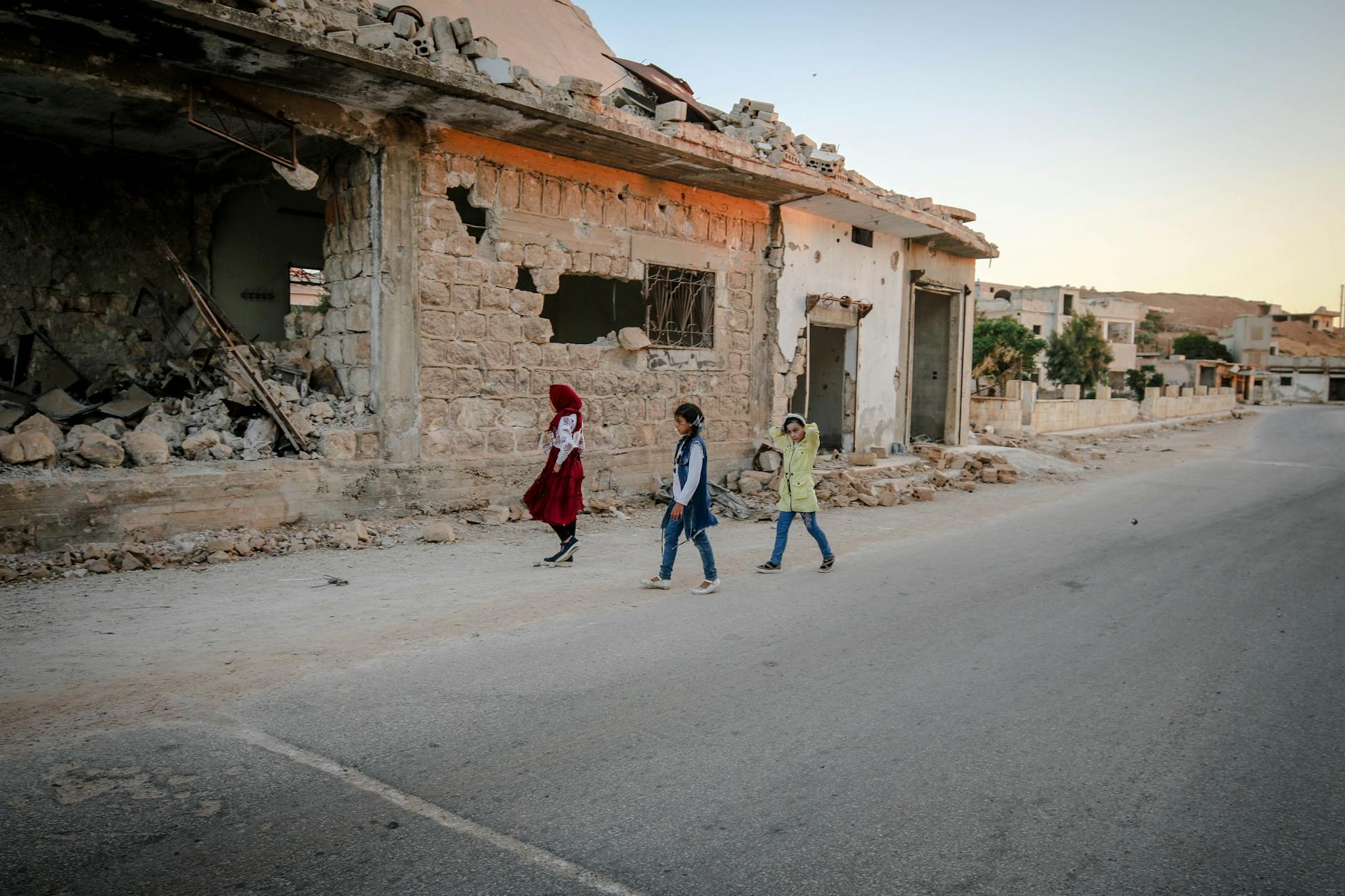
In our own time, the echoes are unmistakable. Children continue to suffer because of war, poverty, abuse, and neglect. From conflict zones where young lives are shattered, to quieter harms closer to home where children are unseen or unheard, the cry of the innocents has not faded. Holy Innocents’ Day calls us to resist becoming numb. It asks whether we are willing to notice, to grieve, and to act.

Yet this day is not only about sorrow. It also proclaims that God stands unequivocally with the vulnerable. The powers of violence do not get the final word. Even here, God’s purposes are quietly unfolding, carried forward by courage, compassion, and faithful care. Remembering the holy innocents invites us to align our lives with that divine tenderness, to protect, to speak out, and to nurture hope where it feels most fragile. In doing so, we honour those children, then and now, whose lives matter deeply to God.