Catching our Breath

The Sunday after Christmas often feels quieter, as though the world is catching its breath. The decorations are still up, but something has shifted. The miracle has happened, and now we’re left to ask what it means to live in its light.

Isaiah 63:7-9 remembers the steadfast love of the Lord, calling to mind all that God has done for God’s people, how in all their distress, God too was distressed, and the angel of his presence saved them. Christmas isn’t God visiting from a safe distance. It’s God stepping into human suffering, choosing nearness over comfort, solidarity over safety. The manger already casts the shadow of the cross, not as threat, but as promise: you are not alone.

Psalm 148 widens the lens. Everything is invited to praise, angels and stars, sea creatures and storms, children and elders alike. Praise here isn’t sentimental, it’s defiant. Creation sings because it has seen that God’s love doesn’t hover above the world but enters it. The baby in Bethlehem draws heaven and earth into a single song.

Hebrews 2:10-18 presses this even further. We’re urged to pay careful attention to what we’ve heard, because this God has shared our flesh and blood. Jesus isn’t ashamed to call us brothers and sisters. He knows fear, weakness, and death from the inside, and by doing so breaks their hold. Salvation, then, isn’t escape from humanity, it’s humanity healed from within.

So this Sunday invites us to linger. To notice the extraordinary humility of God, still wrapped in ordinariness. To keep praising, even when the song feels fragile. And to live attentively, awake to the truth that in Jesus, God has chosen to be with us, fully, faithfully, and forever.
Bible 40 Themes 01 Creation

Creation begins in silence, in that deep and holy mystery before words, before time, before even the first breath. Then comes the divine utterance that breaks the stillness. God speaks, and everything stirs into being. In the beginning God created the heavens and the earth. It’s such a spare line, yet it carries the full weight of existence. The writer of Genesis doesn’t try to prove God’s reality or outline his methods; the story simply opens with him, because nothing else can be understood without that beginning. Every galaxy and mountain, every tide and atom, rests on that quiet, intentional act of love.

Creation isn’t something sealed away in ancient history, it’s the heartbeat of the present moment. Each sunrise that washes the world with colour, each newborn cry that breaks into the air, each stubborn seed pushing its way through dark soil continues that divine creativity. God didn’t set the universe spinning and then step back. He remains the sustaining pulse of life, still speaking light into our darkness, still breathing hope where we’ve forgotten how to look for it. Creation tells us that life isn’t random or accidental; it’s a gift, shaped by love and held by grace.

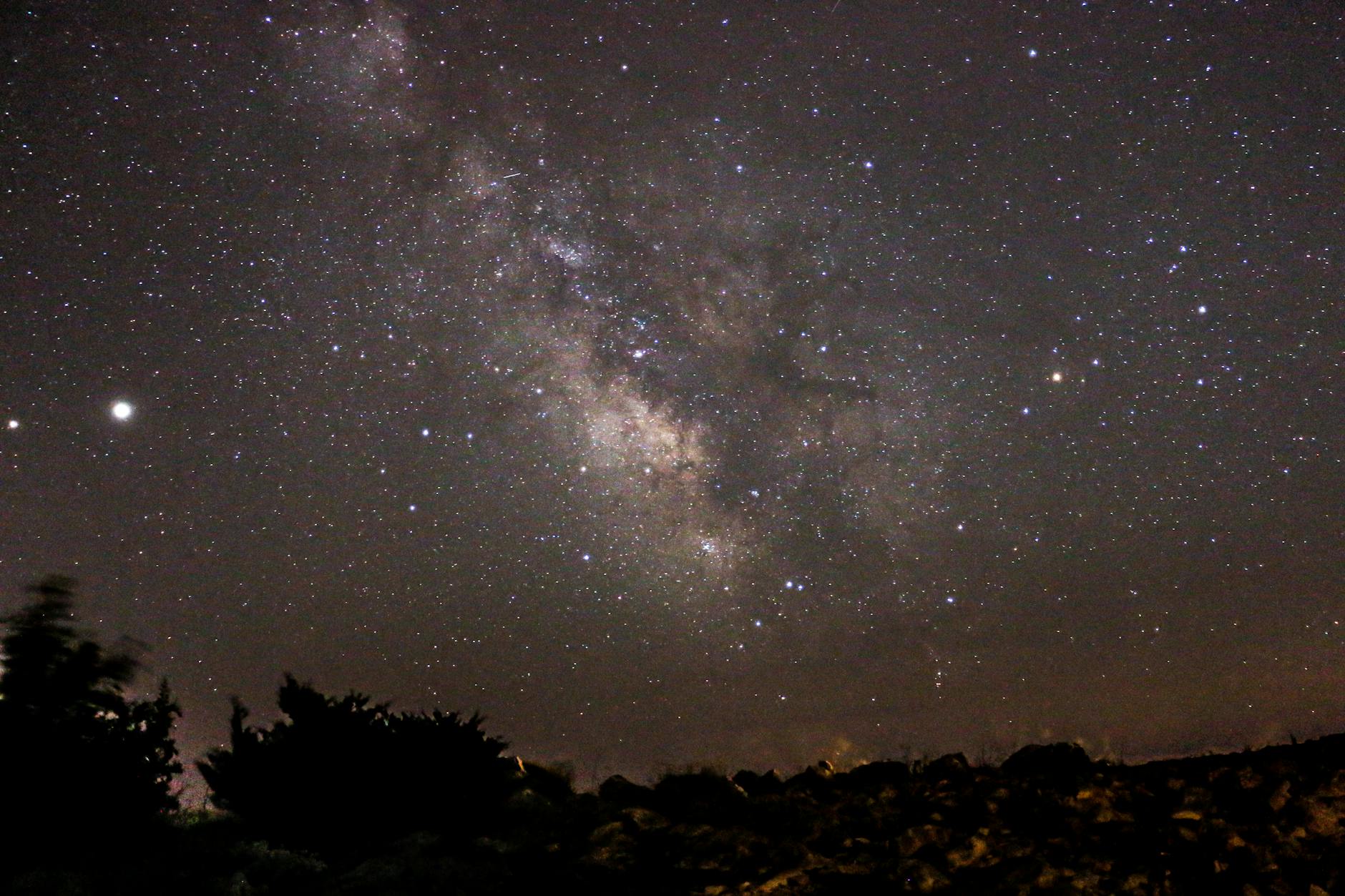
When we pause beneath a starlit sky or feel the wind threading its way through the trees, something deep within us recognises the signature of the one who made us. We’re woven into this creation too, shaped from dust yet filled with God’s breath. That truth draws out both wonder and responsibility. If creation is sacred, then caring for it becomes sacred as well, whether that means protecting forests and oceans, tending to our communities, or treating one another with gentleness and dignity.

“In the beginning” isn’t only a statement about the universe’s first moment; it’s an invitation for us now. Each day we’re offered the chance to begin again, to create goodness, beauty, and peace in the small spaces we inhabit. The same Spirit who hovered over the waters still moves through us, steadying us when life feels chaotic, guiding us when the shadows seem too deep, and helping us shape something new, hopeful, and alive.

This is the first of a series of posts outlining 40 themes of the Bible. Next