A New Year Unfolds

As a New Year stretches out before us, full of possibility and uncertainty, Paul’s words fold around us like a warm cloak. In Romans 8:38–39 he says he’s convinced that nothing in all creation can separate us from the love of God that’s in Christ Jesus our Lord. Nothing – not the fears that creep in as the calendar turns, not the regrets we carry from the year just gone, not illness, disappointment, change, or the quiet ache of things unresolved. Neither death nor life, neither the heights of our joys nor the depths of our anxieties, neither what’s pressing in on us today nor what might surprise us tomorrow can prise us from the love that already surrounds us.

And Paul’s prayer in Ephesians 3:17–19 feels especially tender at the doorway of a New Year. He longs for us to be rooted and established in love, so that we might somehow grasp its vastness, even though it surpasses knowledge. Wide, long, high, deep: love that fills every direction we might turn. Love that steadies us when we step into something unfamiliar. Love that whispers courage when we don’t feel ready. Love that keeps nourishing us beneath the surface, the way roots drink in hidden water.

As the year unfolds with its mix of beauty and burden, that love won’t thin out. It won’t grow tired. It won’t lose interest. Even when we face decisions that feel heavy, or days that feel lonely, or news that unsettles our confidence, we remain held. God’s love isn’t a feeling that wavers with the season; it’s the deep reality beneath every season.

So let yourself begin this year resting in what’s already true: you’re loved with a love that can’t be broken, outmatched, or undone. Whatever comes, you won’t face it alone.

What to leave behind?

New Year’s Eve has a particular stillness to it, a threshold moment where we pause with one foot in the familiar and the other hovering over what’s yet to come. It’s tempting to treat this night as a hard reset, as if everything behind us must be swept away to make room for something new. But wisdom rarely lives in extremes. It invites us to look back with honesty and tenderness, to notice what has shaped us, and to choose carefully what we carry forward.

Some things deserve to be packed gently for the journey ahead. Habits that have rooted us, relationships that have deepened us, moments of courage we didn’t know we had until they were asked of us. These are not accidental successes, they’re signs of growth, grace, and quiet perseverance. Carrying them forward isn’t clinging to the past, it’s honouring what has helped us become more fully ourselves.

And then there are the things it’s time to release. Old grudges that have grown heavy, patterns of thinking that shrink our hope, voices, including our own, that tell us we’re not enough. Letting go isn’t failure. It’s an act of trust, a decision to stop giving our energy to what no longer brings life.

As the year turns, we’re not asked to reinvent ourselves overnight. We’re invited to travel lighter, wiser, and more attentive. To keep what serves love, justice, and kindness, and to lay down what doesn’t. In that gentle discernment, we make space for God to meet us again, not as strangers to the future, but as people ready to step into it with intention and hope.

Holy Innocents’ Day

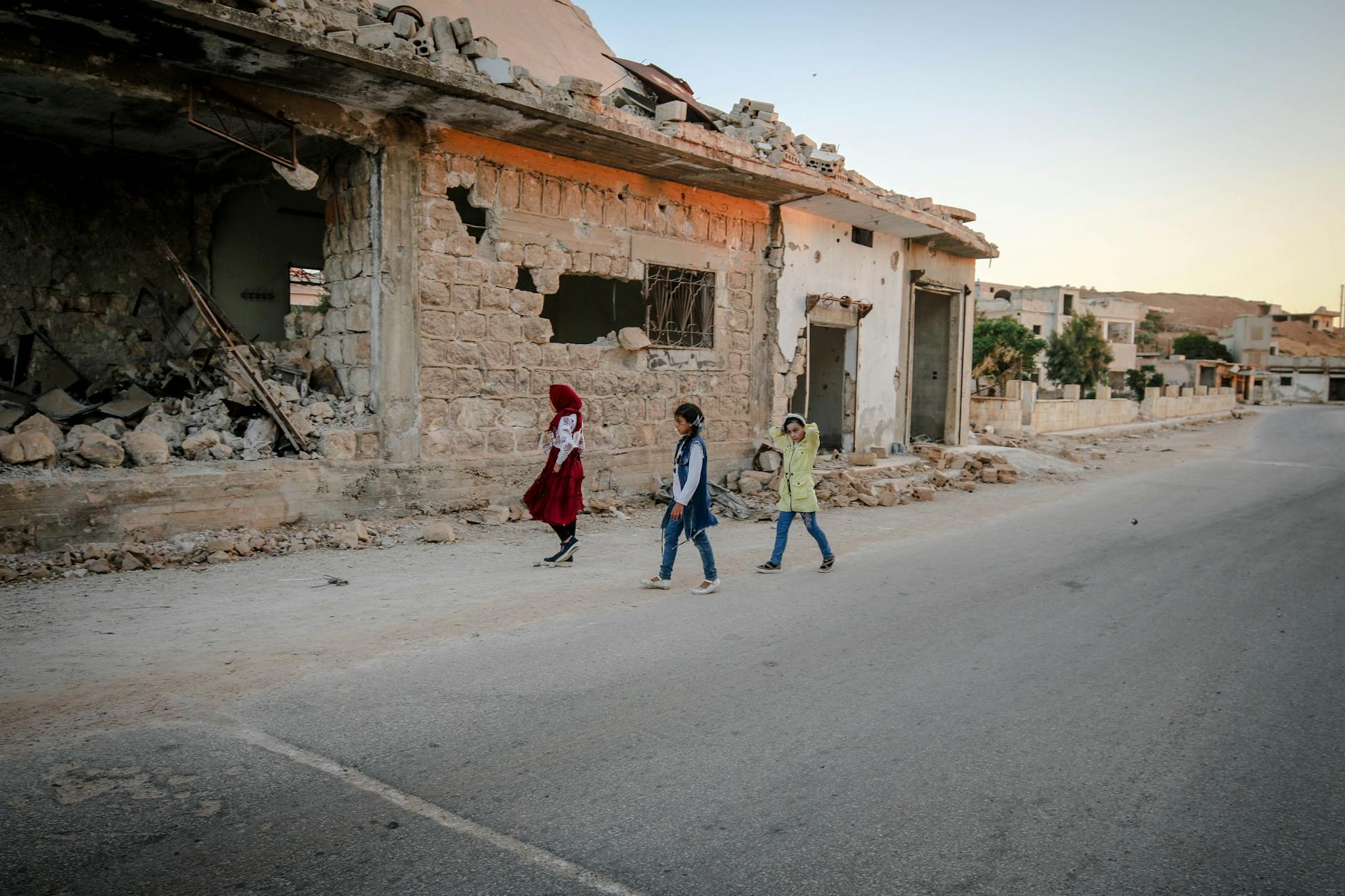
Holy Innocents’ Day confronts us with one of the darkest moments in the Christmas story. Matthew tells of Herod, fearful and threatened, ordering the slaughter of Bethlehem’s children, a brutal act of power seeking to silence hope. Rachel weeping for her children, refusing to be comforted, is an image that still aches with truth today. The birth of Christ is barely announced before violence erupts, reminding us that God’s love enters a world already wounded.

This day refuses to let faith drift into sentimentality. It insists we look honestly at the cost of injustice and the suffering of the vulnerable. The holy family themselves become refugees, fleeing by night into Egypt, carrying with them fear, uncertainty, and a fragile child who is nevertheless God-with-us. Jesus’ story begins not in safety, but in danger.

In our own time, the echoes are unmistakable. Children continue to suffer because of war, poverty, abuse, and neglect. From conflict zones where young lives are shattered, to quieter harms closer to home where children are unseen or unheard, the cry of the innocents has not faded. Holy Innocents’ Day calls us to resist becoming numb. It asks whether we are willing to notice, to grieve, and to act.

Yet this day is not only about sorrow. It also proclaims that God stands unequivocally with the vulnerable. The powers of violence do not get the final word. Even here, God’s purposes are quietly unfolding, carried forward by courage, compassion, and faithful care. Remembering the holy innocents invites us to align our lives with that divine tenderness, to protect, to speak out, and to nurture hope where it feels most fragile. In doing so, we honour those children, then and now, whose lives matter deeply to God.