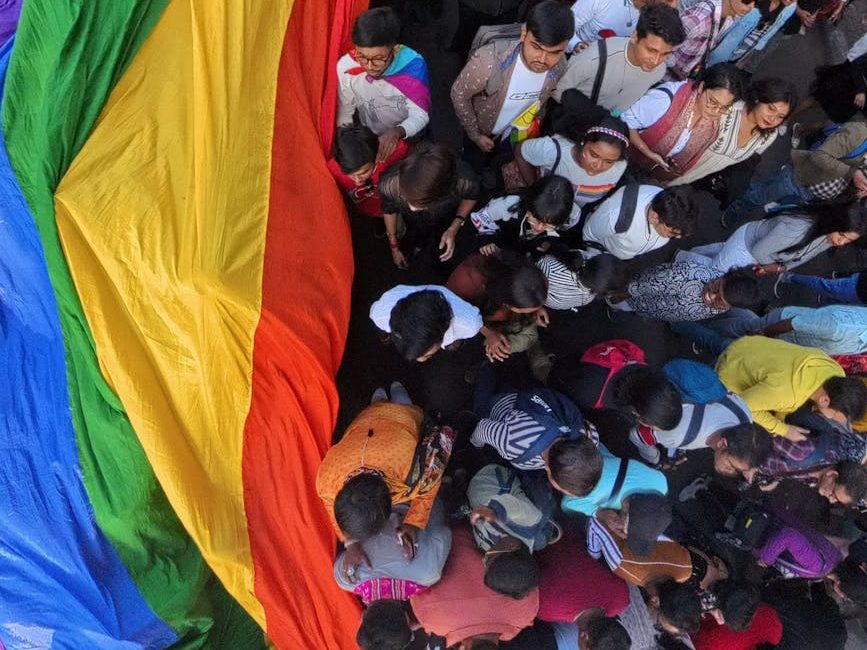
I recognise the month of June as Pride Month and stand proudly alongside my brothers and sisters in the LGBTQ+ community. For me, Pride is more than a celebration; it’s an opportunity to affirm the dignity, worth, and humanity of people who have too often faced prejudice, exclusion, or misunderstanding. It’s a reminder that every person deserves to be treated with kindness, respect, and compassion, regardless of their sexual orientation, gender identity, background, faith, ethnicity, or life experience.
Throughout my life, I’ve come to believe that our shared humanity is far more important than the labels that can sometimes divide us. We may not all see every issue in exactly the same way, but we can choose to listen, to learn, and to treat one another with grace. A healthy and caring community is built not on uniformity, but on mutual respect and a commitment to ensuring that everyone feels valued and welcomed.
This website and my social media accounts are safe and inclusive spaces where people from all walks of life can engage in conversation, share experiences, and explore ideas without fear of hostility or discrimination. I want them to be places where marginalised voices are heard, where differences are respected, and where empathy is encouraged. This commitment extends not only to the LGBTQ+ community, but also to all those who have experienced exclusion or disadvantage in any form.
At the heart of this statement is a simple conviction: we’re all human, and every human being deserves respect, dignity, and the opportunity to flourish. During Pride Month, and throughout the year, I remain committed to that principle.
I wrote this devotional reflection on Acts 2:37-42 before Commitment Sunday on 10 May 2026, verses used in worship at Stockton Corps on the same day.
There are moments when the gospel stops being an idea and becomes a summons. Acts 2:37-42 captures one of those moments. Peter’s words, spoken in the power of the Holy Spirit, pierced the hearts of the crowd. “Brothers, what shall we do?” they asked. It’s the cry of people suddenly aware that God is calling them into a different way of living. Peter’s answer was simple and demanding: “Repent and be baptised.” Leadership in the kingdom of God begins there, not with status, charisma, or ambition, but with surrender.
The world often imagines leaders as strong personalities who command attention and shape events through force of will. Yet the leaders born in Acts 2 emerged from repentance, humility, and openness to the Spirit. The church itself was born not from human planning, but from people responding faithfully to the call of God. Every Christian leader, whether standing in a pulpit, serving tea in a church hall, guiding children, visiting the lonely, or speaking up for justice, begins in exactly the same place: a heart transformed by grace.
Peter himself is proof of this. Only weeks earlier, he had denied Jesus three times. Fear had overwhelmed him. Yet now he stood boldly before thousands, proclaiming the risen Christ. God didn’t wait for Peter to become flawless before calling him to lead. Instead, God shaped Peter through failure, forgiveness, and renewal. That remains true today. Many people hesitate to lead because they feel inadequate, inexperienced, or wounded by past mistakes. But the Spirit who empowered Peter still calls ordinary people into extraordinary service.
Acts 2 also reminds us that leadership is deeply communal. The believers “devoted themselves to the apostles’ teaching and to fellowship, to the breaking of bread and to prayer.” Leadership was never meant to be lonely heroism. The early church grew through shared devotion, shared meals, shared worship, and shared responsibility. Christian leadership is less about standing above others and more about walking with them. It means nurturing faith, encouraging hope, and helping people remain rooted in Christ when life becomes uncertain.
There is also a quiet courage in these verses. Around three thousand people were baptised that day. To identify publicly with Jesus in Jerusalem, so soon after his crucifixion, required bravery. Leadership often begins with the willingness to stand openly for what is right and true, even when it’s costly. In every generation, God calls people who’ll live differently; people who refuse hatred, who resist injustice, who choose compassion over cruelty, and who hold onto hope when despair feels easier.
The beautiful thing about this passage is that the call to leadership isn’t reserved for a select few. The promise Peter speaks of is “for you and your children and for all who are far off”. The Spirit is poured out widely. Leadership in the church isn’t about building personal influence; it’s about becoming available to God. Sometimes that leadership will be public, sometimes hidden and unseen. Yet both matter deeply in the kingdom of God.
To be called as a leader is, ultimately, to be called into faithful discipleship. It’s to listen for the Spirit, to remain devoted to prayer and community, and to point beyond ourselves to Jesus. The church still needs leaders shaped by Acts 2 leaders who are humble, Spirit-filled, courageous, compassionate, and deeply rooted in grace.
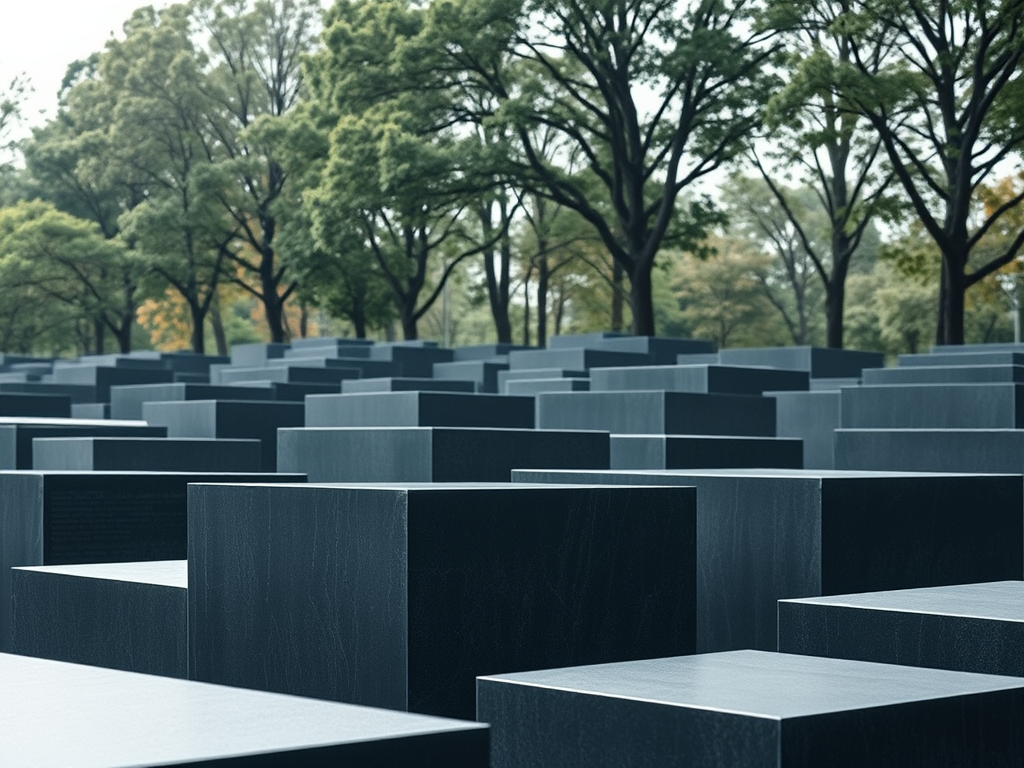
Holocaust Memorial Day calls us into a sacred kind of remembering, not distant or abstract, but close to the heart, where names, faces, and stories matter. We remember the six million Jewish lives stolen, alongside Roma, disabled people, LGBTQ+ people, political dissidents, and so many others whose humanity was denied. We don’t remember to wallow in despair, we remember because love demands truth, and because forgetting is the first step towards repeating.
Scripture doesn’t offer easy comfort here, but it does offer presence. “The Lord is close to the brokenhearted and saves those who are crushed in spirit,” the psalmist writes, and we cling to that promise for every life shattered by hatred. The cry of Micah still confronts us with holy clarity: God requires us “to act justly and to love mercy and to walk humbly with your God.” Remembrance, then, is not passive, it’s a call to live differently.
We hold the tension between grief and hope. We name the darkness honestly, because anything less would betray the truth, yet we also dare to believe with John’s gospel that “the light shines in the darkness, and the darkness has not overcome it.” That light flickers in every act of resistance to hatred, every stand against prejudice, every choice to protect the dignity of another.
Today, we remember with reverence, we lament with sincerity, and we commit ourselves again to compassion, justice, and courageous love, trusting that God’s memory is deeper than ours, and that no life, no story, no tear is ever forgotten.
Saint Dwynwen’s Day is celebrated on 25 January as the Welsh day of love and friendship, often compared to Valentine’s Day but with a gentler, more reflective tone. Dwynwen was a fifth century princess, said to be one of the daughters of Brychan Brycheiniog, whose story blends history, legend, and faith. She fell in love with a young man named Maelon, yet circumstances and family opposition meant they could not be together. Heartbroken, Dwynwen prayed for relief from her anguish and for the happiness of others in love. According to tradition, her prayers were answered through a series of miracles, leading her to dedicate her life to God and to become the patron saint of lovers.
Her story is rooted on the island of Llanddwyn, off the coast of Anglesey, where the ruins of her church still stand among dunes and seabirds. For centuries, people visited the holy well there, believing its movements could foretell the fate of relationships. Today, Saint Dwynwen’s Day is marked with cards, small gifts, poetry, and messages of affection, especially in Welsh, celebrating both romantic love and deep friendship.
The day carries a distinctively Welsh flavour, honouring language, heritage, and the quieter virtues of compassion, fidelity, and self giving love. It offers a reminder that love isn’t only about grand gestures; it’s also about prayerful hope, gentle kindness, and the courage to wish well for others, even when our own hearts have known sorrow. For many, it’s a tender winter pause for gratitude and connection.
The Book of Hosea offers one of scripture’s most searching critiques of what happens when faith becomes entangled with power, identity, and national pride. It speaks into any age where devotion to God is claimed loudly, yet trust quietly shifts towards political strength, cultural dominance, and the comfort of belonging to the “right” side of history. Hosea’s burden is not that the people of Israel stopped being religious, but that their religion had become distorted, busy with ritual yet hollowed out by misplaced loyalties.
Again and again, the prophet exposes the danger of claiming God’s authority for structures God has not ordained. They set up kings without my consent; they choose princes without my approval (Hosea 8:4) is a devastating spiritual diagnosis, not simply a political observation. It confronts the instinct to baptise human systems with divine approval, to assume that national success, military strength, or political dominance must surely reflect God’s favour. Hosea insists that such confidence is a form of unfaithfulness, even when it wears religious clothing.
What makes this prophecy so piercing is its emotional honesty. The critique is not cold or detached. God’s voice through Hosea is full of anguish and longing, not triumphalism. How can I give you up, Ephraim? How can I hand you over, Israel? (Hosea 11:8) reveals a heart broken by the distance between what faith is meant to be and what it has become. This is not the language of contempt, but of wounded love.
Hosea calls the people back to a faith rooted in trust, justice, mercy, and humility rather than in power or identity. That call remains timeless. Whenever Christianity is used to defend control rather than compassion, to protect privilege rather than pursue righteousness, Hosea’s voice still speaks. It invites honest self-examination, gentle repentance, and a return to the God who desires steadfast love more than sacrifice, and faithfulness more than any display of religious certainty.
Holy Innocents’ Day confronts us with one of the darkest moments in the Christmas story. Matthew tells of Herod, fearful and threatened, ordering the slaughter of Bethlehem’s children, a brutal act of power seeking to silence hope. Rachel weeping for her children, refusing to be comforted, is an image that still aches with truth today. The birth of Christ is barely announced before violence erupts, reminding us that God’s love enters a world already wounded.
This day refuses to let faith drift into sentimentality. It insists we look honestly at the cost of injustice and the suffering of the vulnerable. The holy family themselves become refugees, fleeing by night into Egypt, carrying with them fear, uncertainty, and a fragile child who is nevertheless God-with-us. Jesus’ story begins not in safety, but in danger.
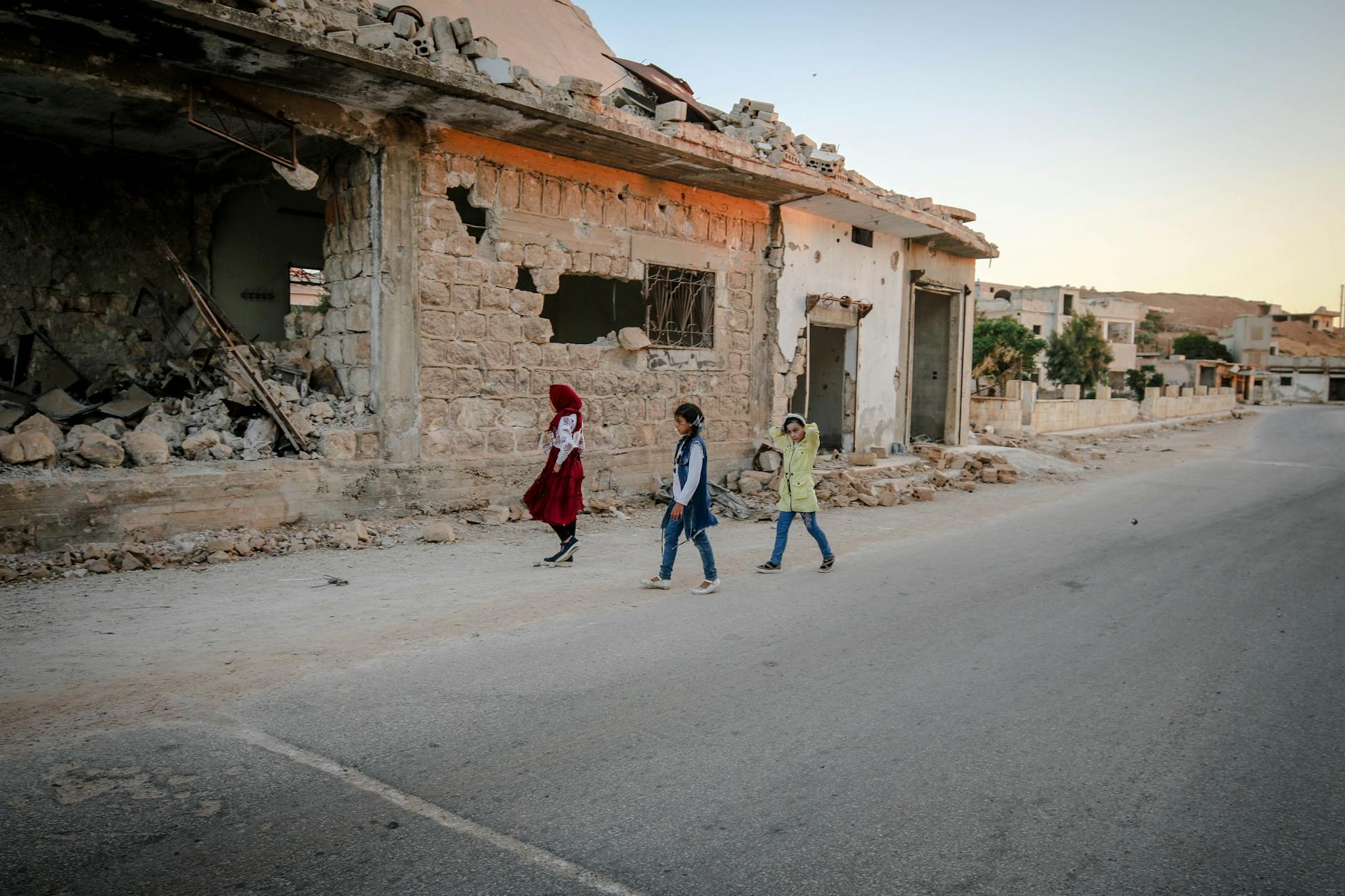
In our own time, the echoes are unmistakable. Children continue to suffer because of war, poverty, abuse, and neglect. From conflict zones where young lives are shattered, to quieter harms closer to home where children are unseen or unheard, the cry of the innocents has not faded. Holy Innocents’ Day calls us to resist becoming numb. It asks whether we are willing to notice, to grieve, and to act.
Yet this day is not only about sorrow. It also proclaims that God stands unequivocally with the vulnerable. The powers of violence do not get the final word. Even here, God’s purposes are quietly unfolding, carried forward by courage, compassion, and faithful care. Remembering the holy innocents invites us to align our lives with that divine tenderness, to protect, to speak out, and to nurture hope where it feels most fragile. In doing so, we honour those children, then and now, whose lives matter deeply to God.
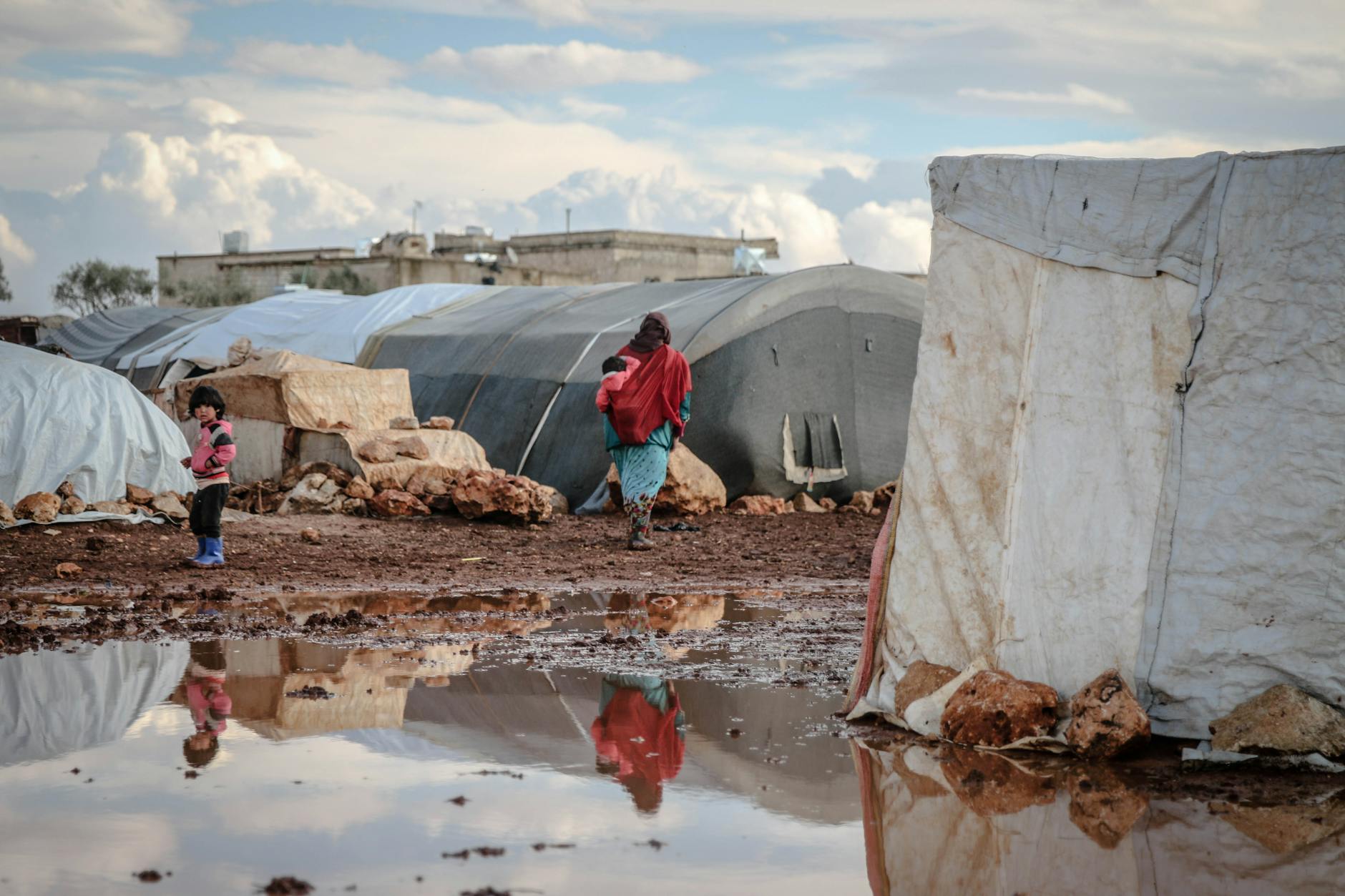
International Migrants Day is marked each year on 18 December, inviting us to pause and really see the people behind the word “migrant”. It was established by the United Nations to recognise the millions who live, work, study, and raise families away from the place they first called home, often carrying both hope and grief in the same suitcase. Some move by choice, others by necessity, many by a mixture of both, yet all share the experience of crossing boundaries, visible and invisible.
The day shines a light on the contributions migrants make to societies, economies, cultures, and communities, contributions that are too easily overlooked or reduced to statistics. It also draws attention to the realities many face, exploitation, dangerous journeys, separation from loved ones, and the quiet strain of never fully belonging. At its heart is a call to dignity, fairness, and compassion, reminding us that human rights don’t stop at borders.
International Migrants Day asks more than polite sympathy. It challenges us to listen carefully, to resist fear-driven narratives, and to remember that migration is as old as humanity itself. It’s a moment to recognise shared vulnerability and shared strength, and to choose hospitality over suspicion, solidarity over indifference.




 John Ager's Home on the Web!