
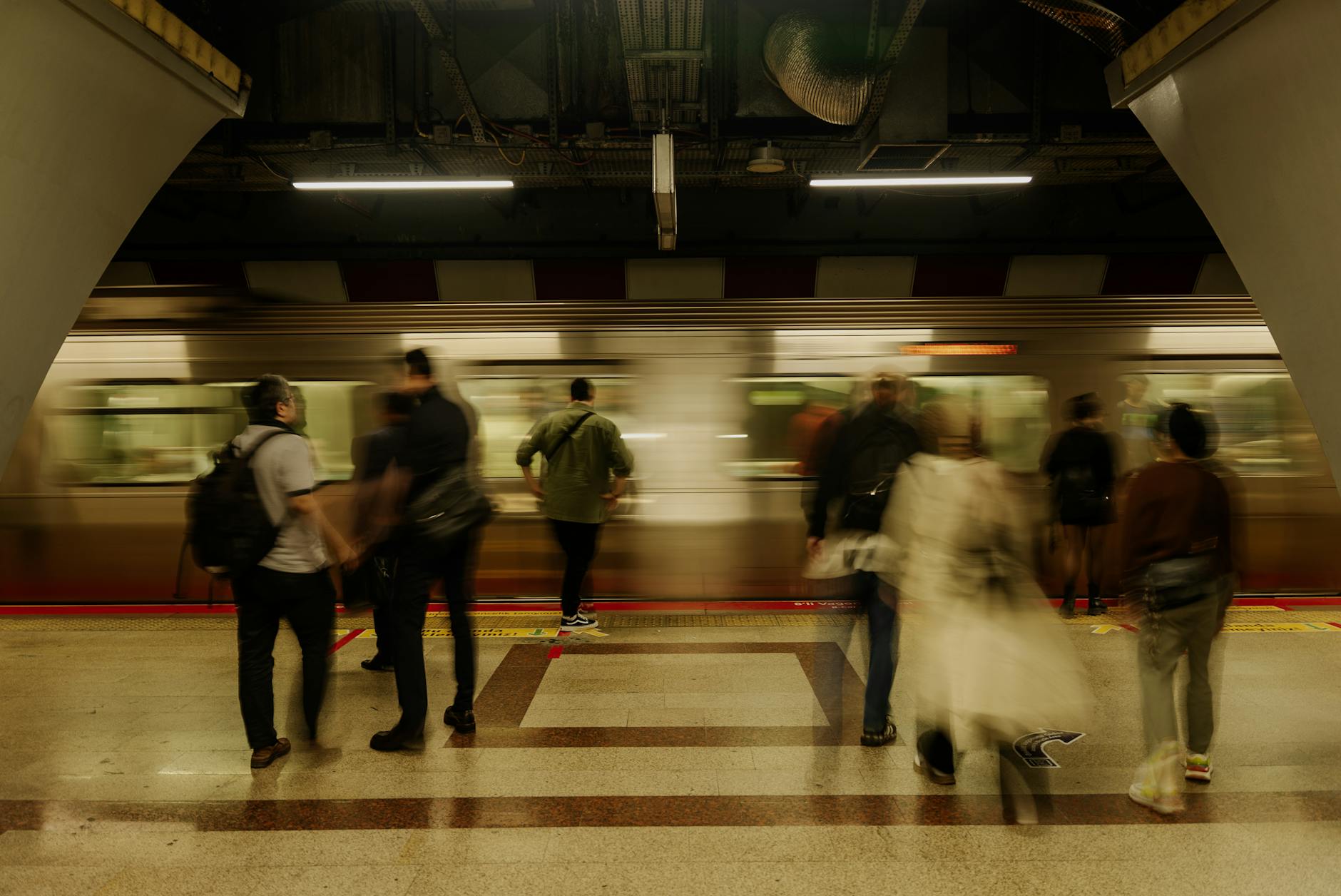
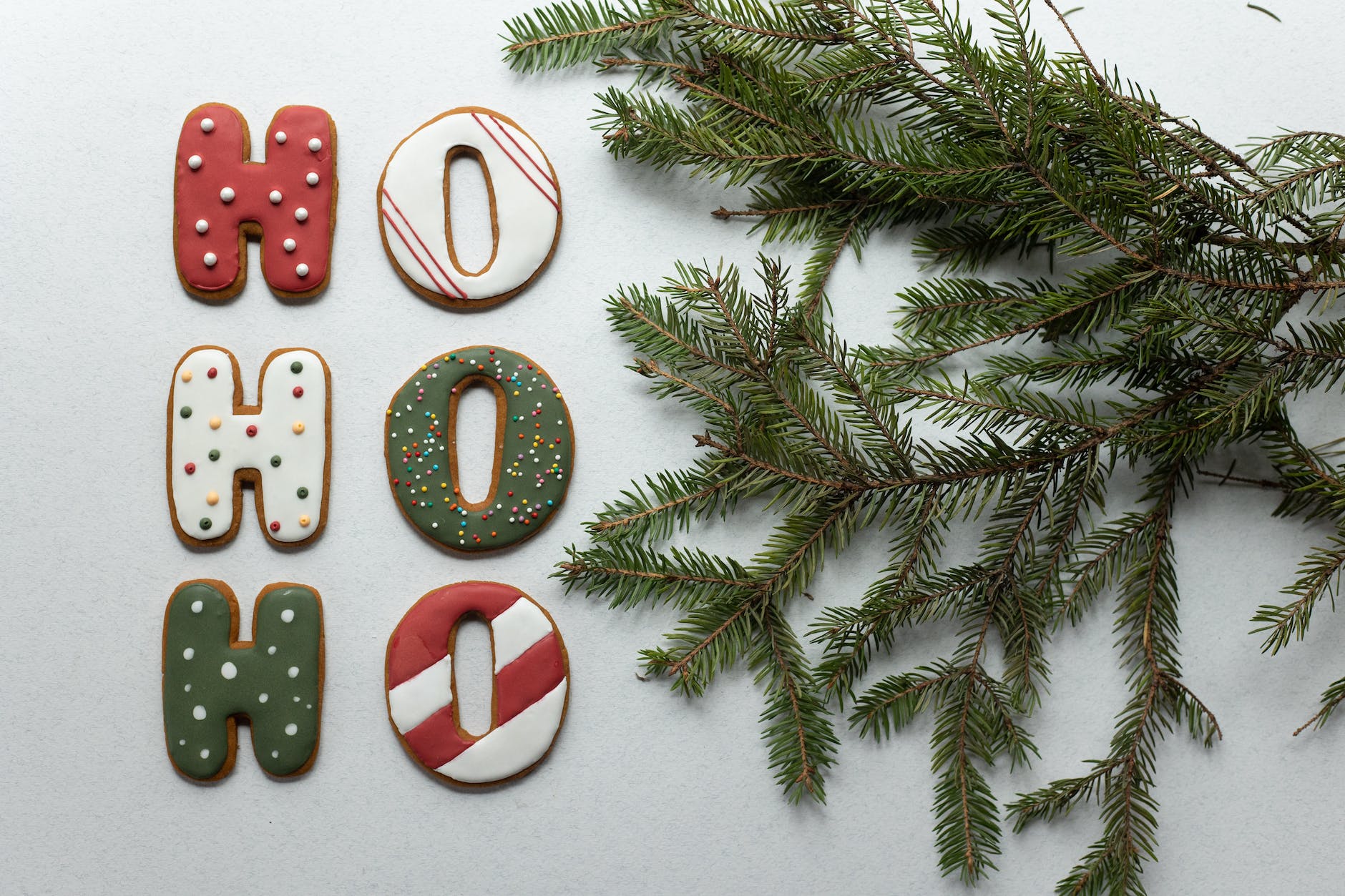
There’s a strong tendency in society, fuelled especially by advertising, to rush headlong towards whatever comes next. Novelty is prized, anticipation is monetised, and lingering is quietly discouraged. We’re nudged to believe that satisfaction lies just beyond the next purchase, the next upgrade, the next season. Christmas makes this habit particularly visible. Before the last crumbs of mince pie have been brushed away, the message has already shifted, sales banners change colour, playlists move on, and the glow of the season is treated as something faintly embarrassing to hold on to.
You see it most clearly when decorations come down well before Twelfth Night. What was meant to be a period of celebration and reflection is truncated, tidied away, and replaced with a brisk return to normality. In the hurry to move on, something gentle is lost. The slower rhythms of tradition invite us to dwell, to savour, and to let meaning settle. Resisting the rush, even briefly, becomes a quiet act of attentiveness, a reminder that not everything of value needs to be cleared away at speed.
But there’s also another way of seeing this, and it’s worth holding it alongside the longing to linger. Traditions can ground us, but they can also harden into habits that resist necessary change or growth. For some, moving quickly beyond Christmas isn’t a loss of meaning but an expression of renewal, a clearing of space for fresh starts and forward momentum that can be genuinely life-giving. Rather than framing this as a choice between tradition and progress, it may be wiser to hold a both-and approach, preserving what nourishes the soul while remaining open to change, even when that balance feels untidy and unresolved.





 John Ager's Home on the Web!