
Beyond Roses and Romance

Love is everywhere, isn’t it, if we have eyes to see. In the warmth of family, in the laughter of children, in the steady companionship of a faithful dog, in friendships formed through shared life and service. Love shows up in the simple joys that make life feel full, music that stirs the soul, learning that stretches the mind, beauty that catches our breath, and the deep gratitude of simply being alive.

And yet, above and through all these loves flows something greater, God’s perfect love, the love that gives meaning and purpose to every other love we experience. Jesus says he has come that we may have life, and have it to the full, not a shallow happiness, but a rich, rooted life held in God’s hands.

Scripture celebrates this love of life. The psalmist stands in wonder at creation, delighting in the works of the Lord. Another psalm paints love in the ordinary holiness of home, shared tables, companionship, and blessing. Romans reminds us that even in sorrow, God is still the source of hope, filling us with joy and peace as we trust in him. For with him is the fountain of life, and in his light we see light.

Human love longs to endure, as Shakespeare wrote, an ever-fixèd mark, unshaken by storms. Song of Songs declares love as fierce as fire, stronger than death, unquenchable by deep waters. And in Christ, we see love made flesh, steadfast, sacrificial, and true.

So today, we give thanks for every love that colours our lives, and we rest in the greatest love of all. God’s love, endless, faithful, beyond all price. May our hearts be softened by it, and may our lives quietly overflow with it, as we go in peace to love and to serve.

Note: This devotional is based on worship I led at Stockton Salvation Army on Sunday 15 February 2026, you can see my full notes by clicking here.
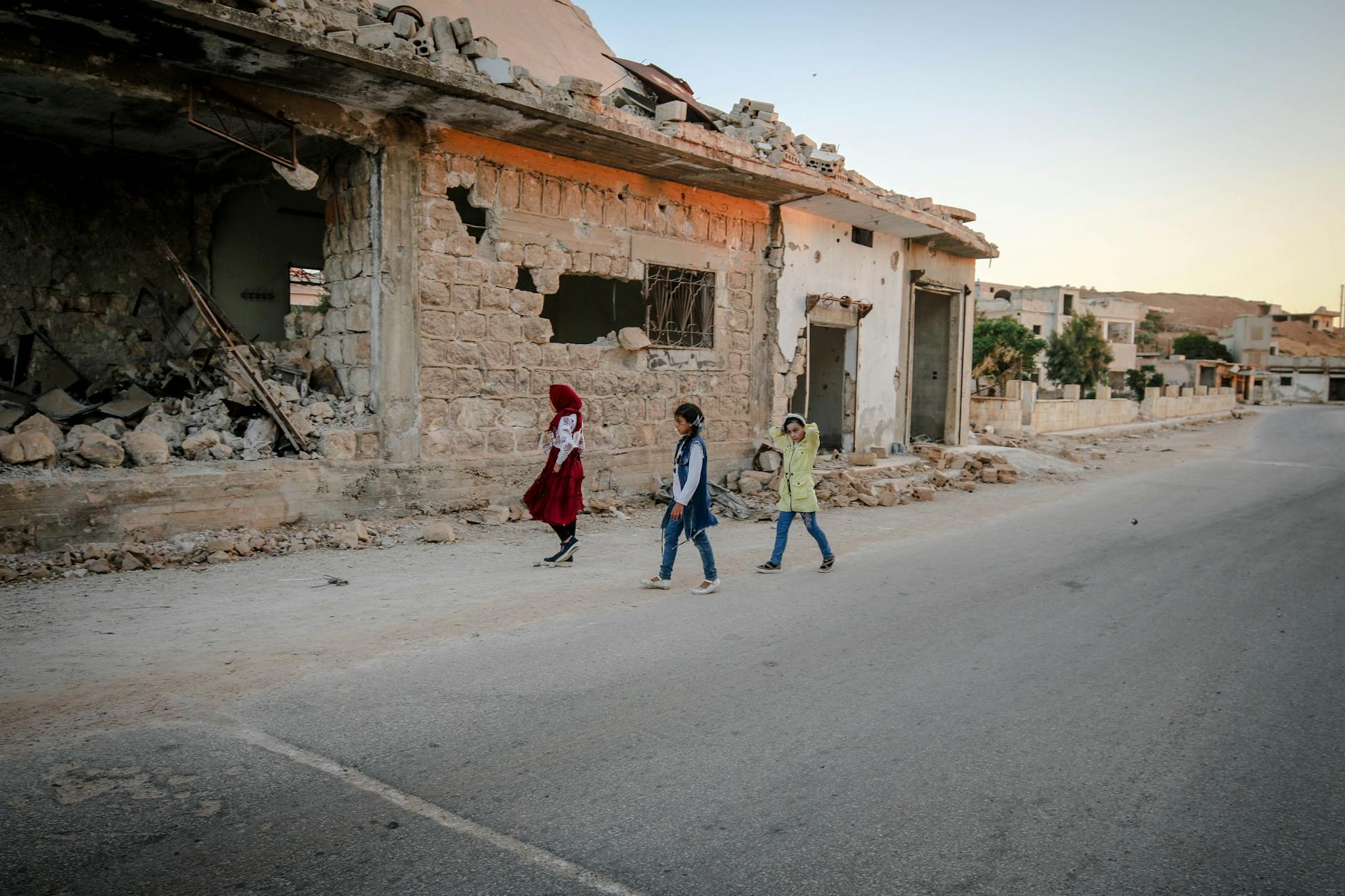

Holy Innocents’ Day

Holy Innocents’ Day confronts us with one of the darkest moments in the Christmas story. Matthew tells of Herod, fearful and threatened, ordering the slaughter of Bethlehem’s children, a brutal act of power seeking to silence hope. Rachel weeping for her children, refusing to be comforted, is an image that still aches with truth today. The birth of Christ is barely announced before violence erupts, reminding us that God’s love enters a world already wounded.

This day refuses to let faith drift into sentimentality. It insists we look honestly at the cost of injustice and the suffering of the vulnerable. The holy family themselves become refugees, fleeing by night into Egypt, carrying with them fear, uncertainty, and a fragile child who is nevertheless God-with-us. Jesus’ story begins not in safety, but in danger.

In our own time, the echoes are unmistakable. Children continue to suffer because of war, poverty, abuse, and neglect. From conflict zones where young lives are shattered, to quieter harms closer to home where children are unseen or unheard, the cry of the innocents has not faded. Holy Innocents’ Day calls us to resist becoming numb. It asks whether we are willing to notice, to grieve, and to act.

Yet this day is not only about sorrow. It also proclaims that God stands unequivocally with the vulnerable. The powers of violence do not get the final word. Even here, God’s purposes are quietly unfolding, carried forward by courage, compassion, and faithful care. Remembering the holy innocents invites us to align our lives with that divine tenderness, to protect, to speak out, and to nurture hope where it feels most fragile. In doing so, we honour those children, then and now, whose lives matter deeply to God.

10 Tips for Top Sleep

Firstly, let me say I’m not an expert on sleep, although I’ve read widely about it and written about The Need for Sleep on this site.

Here are tips I’ve found helpful and I try to apply them whenever possible. Although I don’t always get it right, especially with three young children.

  1. Stick to a specific sleep schedule, try to settle down and wake up at the same time each day. Remembering that a lie-in at weekends won’t make up for and lack of sleep during the working week, and might well make it harder to get up on Monday morning.
  2. Try to avoid caffeine, alcohol and nicotine too near to bedtime as these can be detrimental to good sleep. The latter two are not a problem for me as I’m teetotal and don’t smoke, but caffeine can be. I don’t usually drink coffee after 12 noon (2.00 pm at the latest) although I still drink tea, and so to reduce my caffeine intake before bed I’ll often drink decaffeinated tea. Another option is herbal tea, which I try to drink at least once a day, usually with a teaspoon of acacia honey to sweeten.
  3. It’s often tempting to eat late into the evening, but this isn’t always a good idea. I’m also at an age when my bladder can wake me up in the night, so I try to balance the need to be hydrated with my overall fluid intake.
  4. Exercise is good, but not too near bedtime. We all know that exercise is beneficial for our overall health and wellbeing, but it’s better done earlier in the day.
  5. Naps are good and can help to make up for lost sleep, but it’s best not to take these after the middle of the afternoon as these can then make it harder to fall asleep at night.
  6. Make sure you unwind before bed if possible, schedule it into your daily routine. Reading or listening to music can be helpful ways to relax.
  7. Avoid screen time before bed and, if possible, keep smartphones and tablets out of the bedroom. You can also use a blue filter to reduce the detrimental effect of screen light while winding down to sleep. Many devices and operating systems now have these built-in, or there are apps you can use. You can also turn the brightness down.
  8. A hot bath is good for helping you to relax and unwind, but also the lowing of body temperature that occurs after a bath helps you to become sleepy.
  9. Make sure your bedroom is dark and cool, and get rid of anything that might distract you. If it’s not completely dark you could try an eye mask.
  10. This last tip depends on you as an individual and may vary in different circumstances. If you can’t sleep, do you get up or simply lay resting? I usually apply the rule that if not sleeping is making me anxious it’s probably better to get up for a while before returning to bed, otherwise I stay put. But always avoid the temptation to check your smartphone.

Finally, in all of this don’t forget the old adage, that an hour of sleep before midnight is worth two after midnight. Sleep well.

The Need for Sleep

Sleeping is the best thing we can do to improve our overall health; it’s so simple that it’s often forgotten or ignored. I’m currently reading an excellent book about why we sleep, and I’ve been surprised at the negative effects lack of sleep can have on our mental and physical health, especially if we are building up a sleep deficit over a long period of time.

We all need both quantity and quality of sleep to function normally in our everyday lives. Unfortunately, there are those who boast about how little sleep they need, and there’s also an implied societal view that sleep is somehow lazy and unproductive; these can be easily demonstrated to be false and unhelpful.

Prolonged lack of sleep weakens your immune system, doubles your risk of cancer, and increases your chances of suffering heart disease and stroke, for example. It also adversely affects your mental health, contributing to anxiety, depression, and suicide. Worryingly, many road traffic accidents are caused by lack of concentration, drowsiness and microsleeps.

Although I’ve been aware of the effects of being sleep deprived for a while, I’m now more determined to do something about it, even if having three young children doesn’t make it easy – but as an older father I owe it to them to be healthy.

See also: 10 Tips for Top Sleep