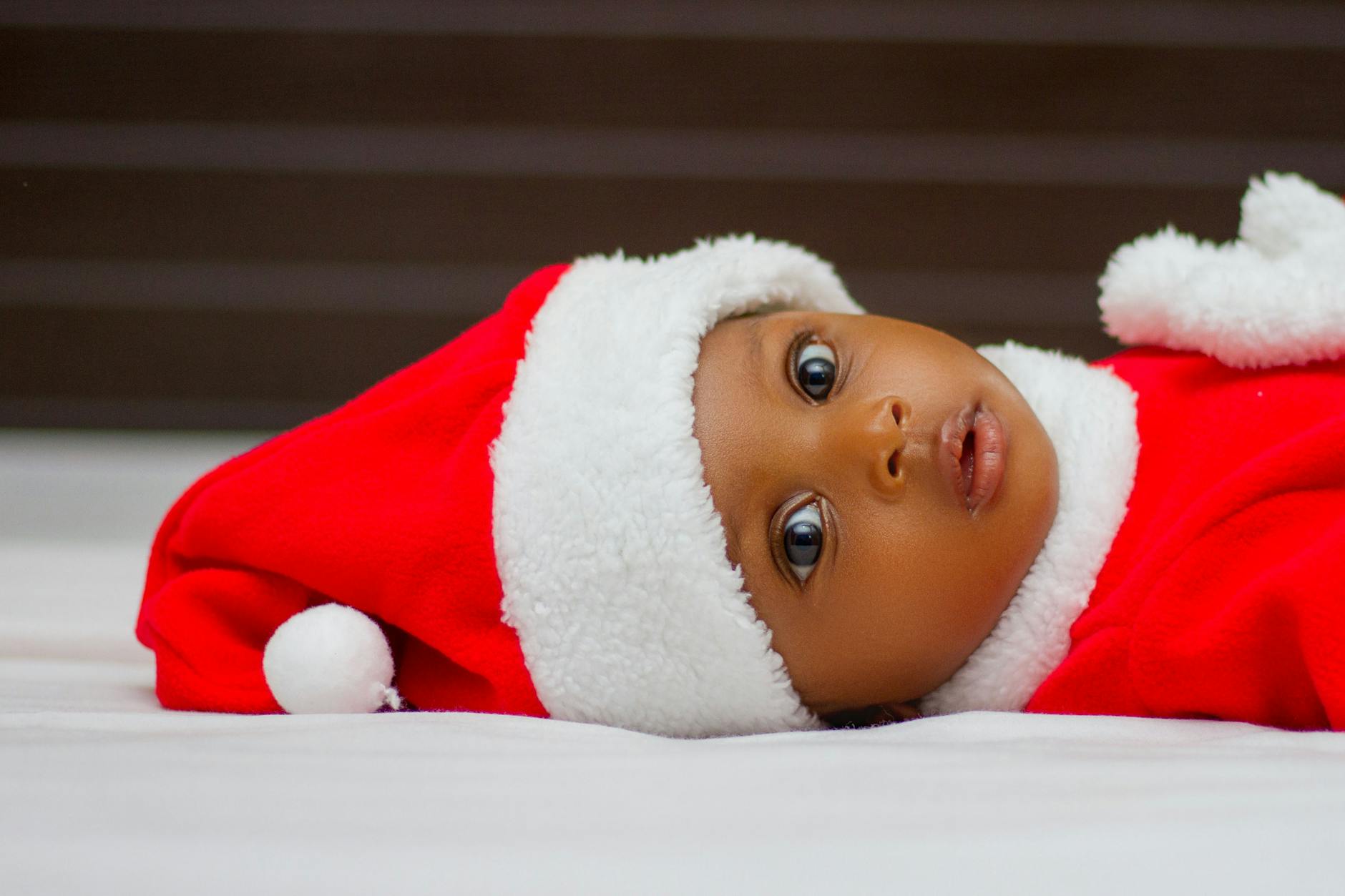
Advent Love Takes Flesh

The Fourth Sunday of Advent draws us close to the mystery at the heart of it all, love. Not a vague sentiment, nor a fleeting warmth, but the fierce and tender love of God made flesh. The angel’s words to Mary ring out: The Holy Spirit will come on you, and the power of the Most High will overshadow you. In that overshadowing, love takes on a heartbeat, and the Word begins to dwell among us. Advent love is daring, it breaks into the ordinary with extraordinary promise.

Mary’s response, her quiet yet courageous “I am the Lord’s servant,” shows us what love looks like when it’s received in faith. Love is never simply a feeling; it’s a surrender, a willingness to be caught up in God’s purposes even when they turn our world upside down. As Elizabeth exclaimed, “Blessed is she who has believed that the Lord would fulfil his promises to her!” Advent love asks us, too, whether we dare to trust that God is at work in us, however unlikely or unready we may feel.

John’s Gospel tells us, The Word became flesh and made his dwelling among us. We have seen his glory, the glory of the one and only Son, full of grace and truth. This is love, not that we loved God, but that he loved us first and chose to enter our world, fragile and flawed, to redeem it from within.

So the fourth candle is lit, the candle of love, shining beside the flames of hope, peace, and joy. Together they burn as a testimony that the night is nearly over, the dawn is near. Love holds them all together, for it’s love that sent Christ, love that sustains us in waiting, and love that will one day bring all things to completion.

As Christmas draws close, may our hearts be opened wide to receive this love that comes down, not in power and splendour, but in vulnerability and grace. And may we, like Mary, bear that love into the world, so that others might glimpse in us the light of Christ who is coming.
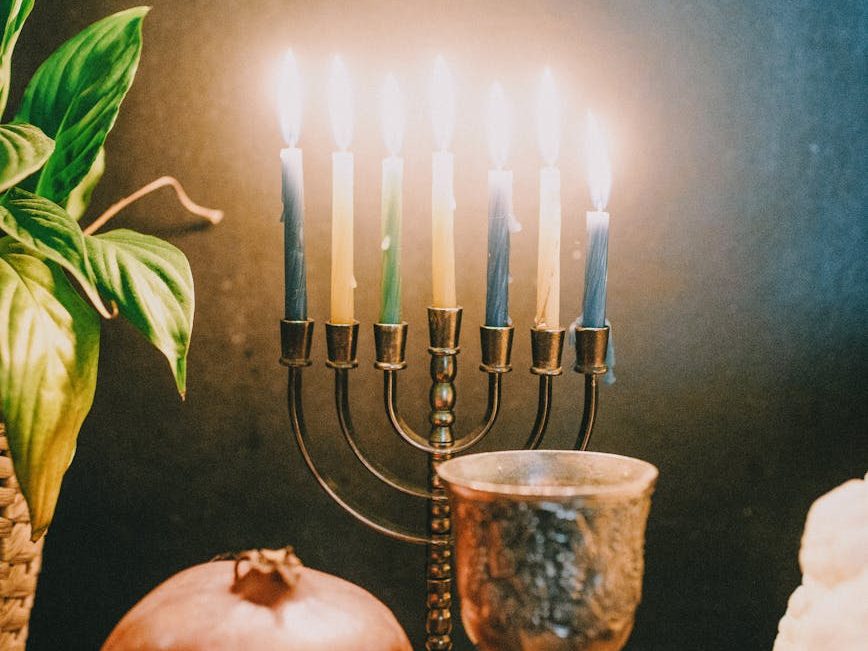
The Jewish Festival of Hanukkah

Today, 15 December in 2025, Jews around the world gather to celebrate the first day of Hanukkah, a festival rich in memory, meaning, and light. As winter deepens and days feel short and fragile, Hanukkah arrives as a quiet but resilient act of hope. It recalls a moment when faith was threatened by oppression and conformity, and when a small community chose courage, identity, and trust over fear.

At the heart of Hanukkah is the lighting of the menorah, one candle on the first night, growing steadily brighter as each evening passes. It’s a gentle ritual, yet deeply powerful, reminding those who take part that light doesn’t need to be overwhelming to be transformative. Even a single flame can push back darkness, can offer warmth, can be seen from a window and shared with the world outside.

The festival remembers the rededication of the Temple in Jerusalem and the story of the oil that should have lasted one day but burned for eight. Whether heard as history, tradition, or sacred story, it speaks of endurance beyond expectation, of provision where none seemed possible. It invites reflection on what it means to stay faithful when resources are thin and the odds feel stacked against you.

Hanukkah is also a time of joy, family, food, song, and storytelling. Children play games, gifts are exchanged, and tables are filled with foods fried in oil, celebrating abundance in the midst of scarcity. In a fractured world, Hanukkah offers a steady, luminous reminder that identity matters, hope endures, and light, patiently tended, can still change everything.

Note: The date of Hanukkah changes each year because it follows the Jewish calendar rather than the Gregorian calendar used by most of the world. The Jewish calendar is lunisolar, shaped by both the moon and the sun. Months begin with the new moon and last 29 or 30 days. Hanukkah always starts on the 25th day of the Hebrew month of Kislev, but because the Jewish year doesn’t match the length of the solar year, the festival shifts when mapped onto the Gregorian calendar. To keep festivals in their proper seasons, the Jewish calendar occasionally adds an extra month. This prevents celebrations from drifting through the year, but the exact Gregorian date still varies, usually falling in late November or December. So while Hanukkah’s timing is fixed within Jewish tradition, it appears to move each year on modern calendars, reflecting an ancient, carefully balanced way of marking time.