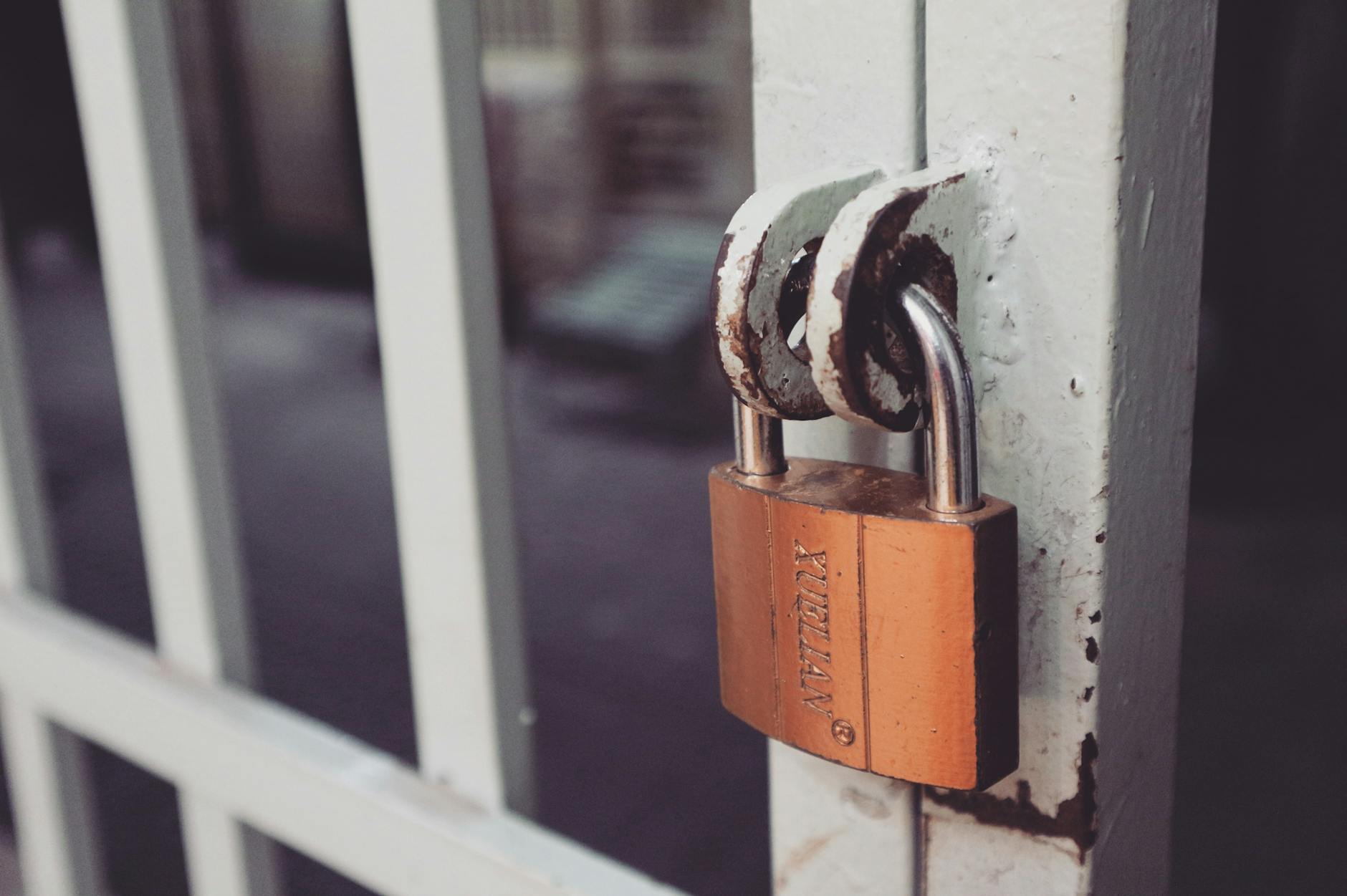
The Long-Term Drag of Brexit

Brexit is probably the main reason the UK economy is doing badly because it’s made trade slower, more expensive, and more uncertain, especially for small and medium sized businesses. Leaving the single market and customs union introduced new paperwork, border checks, and regulatory barriers that didn’t exist before, reducing exports and discouraging investment.

Many international companies have shifted operations elsewhere in Europe, taking jobs, tax revenue, and growth with them. At the same time, labour shortages in sectors like agriculture, health, hospitality, and construction have pushed up costs and constrained productivity.

While global factors such as Covid and energy prices have affected all countries, the UK has performed consistently worse than comparable economies, suggesting that Brexit has acted as a long term drag rather than a one off shock.
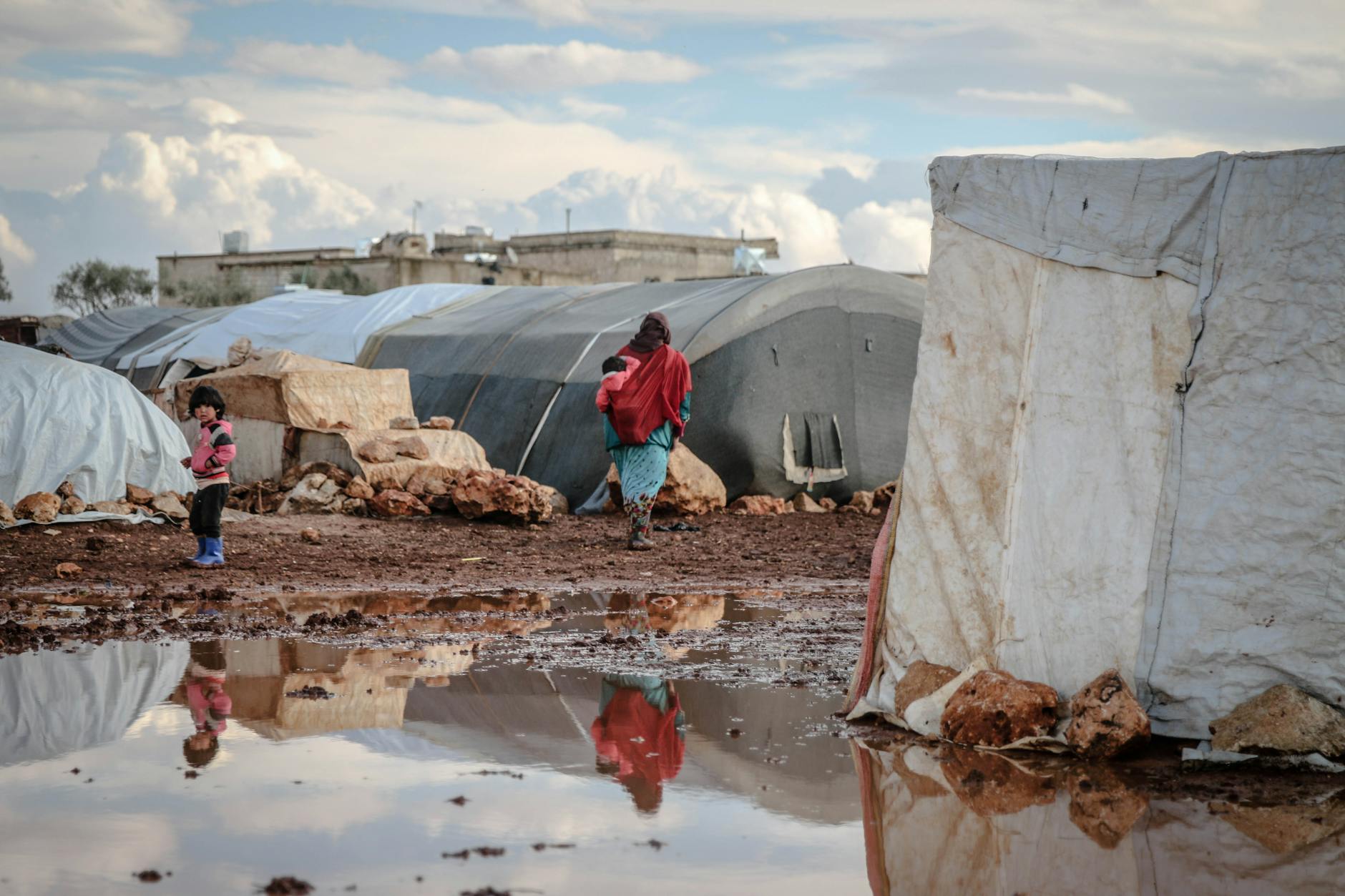
International Migrants Day

International Migrants Day is marked each year on 18 December, inviting us to pause and really see the people behind the word “migrant”. It was established by the United Nations to recognise the millions who live, work, study, and raise families away from the place they first called home, often carrying both hope and grief in the same suitcase. Some move by choice, others by necessity, many by a mixture of both, yet all share the experience of crossing boundaries, visible and invisible.

The day shines a light on the contributions migrants make to societies, economies, cultures, and communities, contributions that are too easily overlooked or reduced to statistics. It also draws attention to the realities many face, exploitation, dangerous journeys, separation from loved ones, and the quiet strain of never fully belonging. At its heart is a call to dignity, fairness, and compassion, reminding us that human rights don’t stop at borders.

International Migrants Day asks more than polite sympathy. It challenges us to listen carefully, to resist fear-driven narratives, and to remember that migration is as old as humanity itself. It’s a moment to recognise shared vulnerability and shared strength, and to choose hospitality over suspicion, solidarity over indifference.