Volunteering encompasses a multitude of benefits that extend beyond altruism. Engaging in acts of service fosters a profound sense of fulfilment and satisfaction. Research indicates that volunteerism correlates with improved mood, reduced stress levels, and enhanced overall wellbeing.
Furthermore, volunteering cultivates a stronger sense of community. By participating in local initiatives, individuals forge connections with like-minded individuals and develop a deeper understanding of societal needs.
Volunteering also serves as a platform for skill development. Volunteers hone essential competencies such as communication, teamwork, problem-solving, and time management. These experiences contribute to personal and professional growth, enriching one’s repertoire of abilities.
From a pragmatic standpoint, volunteering enhances your curriculum vitae (resume). Employers value candidates who demonstrate initiative, passion, and a willingness to contribute to the greater good. Volunteering serves as tangible evidence of these qualities, distinguishing individuals in competitive job markets.
Volunteering is a catalyst for personal growth and self-discovery. It offers opportunities to step outside comfort zones, confront challenges, and unearth hidden talents. Through service to others, individuals embark on a journey of continuous learning and development.
Overall, the benefits of volunteering are manifold, encompassing emotional, social, professional, and personal dimensions. Engaging in acts of service not only enriches the lives of others but also nurtures individual wellbeing and fosters a stronger, more interconnected society.
This Sunday Devotional continues where I left off last week, but it also stands alone. In John 15:9-17, the essence of joy and love radiates through the teachings of Jesus. He speaks with an intimacy that resonates deeply, offering a glimpse into the heart of his message.
Jesus begins by urging his followers to abide in his love, just as he abides in the love of the Father. This notion of abiding implies a deep, enduring connection, a bond that withstands trials and tribulations. It’s an invitation to dwell in a state of divine affection, where joy finds its roots.
The joy Jesus speaks of is not fleeting or circumstantial, it’s a profound sense of contentment rooted in knowing and being known by God. It’s a joy that persists even in the face of adversity, for it’s grounded in an unshakeable love.
He then goes on to reveal the ultimate expression of love, laying down one’s life for others. This sacrificial love mirrors the love Jesus has for his disciples and, by extension, for all humankind. It’s a love that transcends self-interest, seeking the highest good of others above all else.
As friends, Jesus invites his disciples into a relationship characterised by intimacy and trust. He shares with them the Father’s heart, revealing the depths of divine affection and the transformative power of love.
In this context, Jesus challenges his followers to bear fruit that will last. This fruitfulness stems from a life deeply rooted in love, a love that overflows and impacts the world around them. It’s a call to participate in the ongoing work of God’s kingdom, spreading joy and love wherever they go.
Finally, Jesus reaffirms the commandment to love one another. This love isn’t merely a suggestion, but a command, a fundamental principle that underpins the entirety of Jesus’s teachings. It’s a love that mirrors the love of the Father, selfless and unconditional.
In these verses, joy and love intertwine, forming the bedrock of Jesus’s message. They’re not abstract concepts, but lived realities, inviting us into a profound communion with God and one another. As we abide in his love and bear fruit that lasts, we become conduits of divine joy and agents of transformative love in the world.
As a Christian with a scientific background, who sees no conflict between faith and science, I find it incomprehensible that anyone can deny the reality of climate change and global warming.
Similarly, I find it puzzling how people can believe and share dubious articles that have no basis in empirical evidence, sometimes combining this with a belief that God alone is responsible for the planet and it’s nothing to do with us. It’s so much easier to pass the blame onto someone else (even if that person is God) than face the consequences of our own actions.
As I understand it, climate change is cyclical (earth’s history shows this), but global warming (since the start of the Industrial Revolution) is largely the result of human activity. This is accepted by the vast majority of the worldwide scientific community. Unfortunately, many people confuse climate with weather, just because you’re experiencing a cold spell doesn’t negate the overall global trend.
My responsibility as a human being and as a Christian is to care for the planet and its inhabitants. God doesn’t expect us to be careless and irresponsible towards his creation. We all need to play our part to look after our home, the planet that has been entrusted to us for our children and future generations.
Ed Balls Day is a bit of fun and the stuff of nonsense. It celebrates and remembers the day (28 April 2011) when British politician Ed Balls tweeted his name thinking he was entering it into a search box.
Since then […] every year Twitter rejoices in the madness of the internet gaffe and marks Ed Balls Day.Source
A simple mistake has made him the Patron Saint of Simple Mistakes. To his credit, he hasn’t deleted the tweet, it remains on Twitter in all its pomp and glory, although at the time he didn’t know it was possible to delete them.
It’s a day to look forward to, it’s a day to enjoy with family and friends, it’s a day to share with others. It’s a day that unites everyone. Whatever your race, colour, or creed, everyone can enjoy Ed Balls Day.
Some bemoan the fact that’s it’s become too commercialised these days, having lost its true meaning. So, however you celebrate, make sure it’s significant.
Yes, it’s a bit of fun, but at its heart is the positive affirmation of simple mistakes and a willingness to own them.
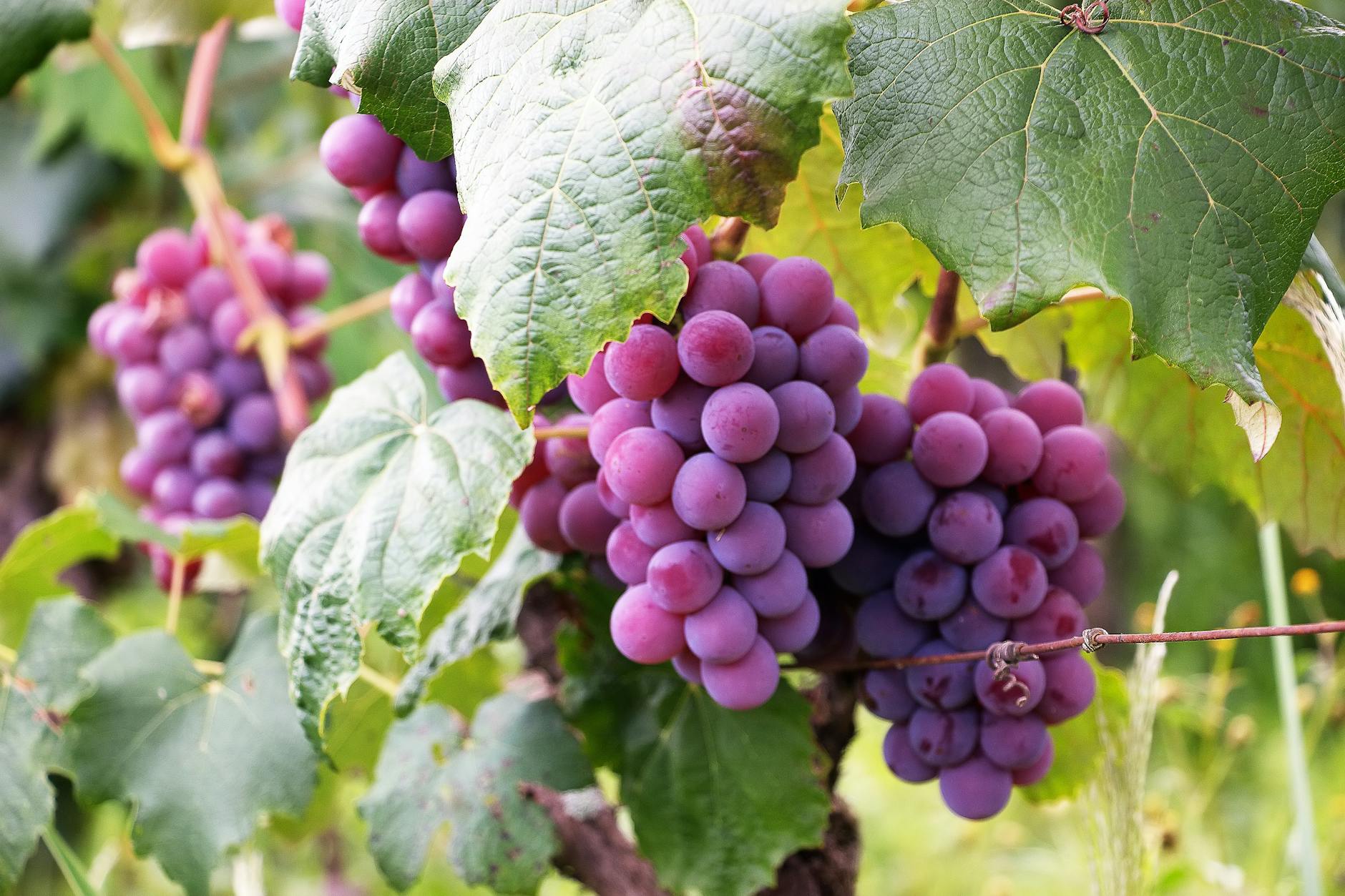
John 15:1-8 is like a comforting breeze on a sunny day, offering wisdom and guidance in a relaxed and reassuring tone. Picture Jesus strolling through a vineyard, chatting with his disciples, using the vines as a metaphor for life. He starts by saying, “I am the true vine, and my Father is the gardener.” It’s like he’s setting the scene, inviting us into this serene imagery.
Then, he talks about branches and pruning. Now, pruning might sound a bit harsh at first, like cutting away bits of ourselves, but Jesus explains it’s all about growth. Sometimes, we need to let go of what’s weighing us down to flourish.
Jesus goes on to say that if we stick close to him, we’ll bear much fruit. It’s this beautiful promise of abundance, of living life to the fullest. But he also reminds us that without him, we can’t do much. It’s like trying to grow a plant without water or sunlight – it just won’t thrive.
He encourages us to abide in him, to stay connected like branches to a vine. It’s about finding our strength and sustenance in him, letting his love flow through us. And when we do, he promises that we’ll bear fruit that lasts. It’s not about fleeting success or shallow achievements, but about the deep, meaningful impact we can have when we’re rooted in him.
So, John 15:1-8 is like a gentle (yet stern) reminder to stay connected to the source of life, to let go of what’s holding us back, and to trust in the process of growth. It’s a comforting invitation to abide in the love of Jesus and bear fruit that truly matters.
Psalm 23 is a cherished Bible passage found in the Old Testament, often referred to as the Shepherd’s Psalm. Attributed traditionally to King David, it captures the essence of God’s care and provision for his people. The psalm paints a vivid picture of God as a loving and attentive shepherd, guiding and protecting his flock.
The imagery used is rich with pastoral scenes, evoking a sense of tranquillity and security. “The Lord is my shepherd; I shall not want,” begins the psalm, establishing a profound sense of trust and dependency on God’s providence. This opening line sets the tone for the entire passage, conveying the idea that with God as our shepherd, we lack nothing.
The imagery continues with descriptions of green pastures and still waters, symbolising nourishment, rest, and refreshment for the soul. Even in the midst of life’s trials and challenges, the psalmist finds comfort in God’s presence, stating, “Even though I walk through the darkest valley, I will fear no evil, for you are with me; your rod and your staff, they comfort me.”
The psalm concludes with a declaration of faith and assurance in God’s goodness and mercy, affirming that his care will follow his people all the days of their lives. It’s a timeless expression of trust in God’s guidance and provision, offering solace and strength to countless believers throughout history.
Psalm 23 encapsulates the essence of God’s unwavering love and care for his people, providing a source of comfort and reassurance in every season of life. Let’s reflect on these truths during the coming week.
1 John 3:1-7 is one of today’s Lectionary readings, it offers a robust reminder of God’s love for us and how it ought to shape our conduct. It’s like a warm hug from an affirming friend, reassuring us about the incredible love that God has for us and how it should shape our lives.
John starts by emphatically asserting our status as beloved of God. It’s not a mere nicety, it’s a foundational truth. He addresses us as ‘beloved’, underlining our significance and value in the eyes of God.
Moving on, John delineates our familial relationship with God. We’re not merely acquaintances; we’re reckoned as God’s offspring. This family tie positions us within a privileged circle, under the care and provision of our heavenly parent.
However, there’s a sobering aspect to this family relationship. Despite our esteemed status, our outward appearance might not always reflect it. We’re a work in progress, subject to ongoing refinement.
The crux of John’s message lies in the behavioural implications of our divine lineage. Our conduct should be congruent with our heavenly pedigree. In other words, we’re expected to be Christlike, a reminder to uphold the family name with dignity.
John doesn’t suggest perfection; he acknowledges the inevitability of human fallibility. Nonetheless, he exhorts us to strive towards a life that honours God and exemplifies love towards others.
This passage serves as a stern, yet nurturing admonition; emphasising God’s love for us, our privileged status as his offspring, and the consequent moral imperative to conduct ourselves accordingly.
The Crucifixion must have traumatised Jesus’ disciples and followers, even though he’d tried to prepare them for it, not just once but repeatedly. They failed to realise the full significance of his words and so ‘the penny didn’t drop!’
The bottom had fallen out of their world; they were defeated and downcast, devastated and discouraged.
Significantly, the Risen Jesus came alongside two followers walking on the road to Emmaus. But they were kept from recognising him. The original Greek here uses what’s known as a ‘divine passive’, with God as the implied subject. It’s as if God intentionally blinded their eyes until the moment of revelation, that moment when Jesus broke bread with them. He asked them, ‘What are you discussing together as you walk along?’
They stood still, their faces downcast. One of them, named Cleopas, asked him, ‘Are you the only one visiting Jerusalem who does not know the things that have happened there in these days?’ ‘What things?’ he asked. ‘About Jesus of Nazareth,’ they replied. ‘He was a prophet, powerful in word and deed before God and all the people. The chief priests and our rulers handed him over to be sentenced to death, and they crucified him; but we had hoped that he was the one who was going to redeem Israel.
No wonder they were surprised that someone hadn’t heard. The Romans conducted crucifixions at major public crossroads to make examples of their victims and warn others against revolt. It really was quite unthinkable to these disciples that a Passover pilgrim wouldn’t have heard about Jesus’ crucifixion.
All their expectations had been dashed, even if they misunderstood or hadn’t fully comprehended the nature of Jesus’ purpose and ministry. The phrase ‘we had hoped’ speaks volumes about their feelings, but it’s also a Messianic reference; his coming to save Israel, the message of Palm Sunday hadn’t taken root in their hearts. One version says they stopped short, sadness written across their faces.
And what is more, it is the third day since all this took place. In addition, some of our women amazed us. They went to the tomb early this morning but didn’t find his body. They came and told us that they had seen a vision of angels, who said he was alive. Then some of our companions went to the tomb and found it just as the women had said, but they did not see Jesus.
These verses help us to understand their confusion and disorientation; they were struggling to make sense of it. Wanting to believe the reports, yet doubting in their hearts.
He said to them, ‘How foolish you are, and how slow to believe all that the prophets have spoken! Did not the Messiah have to suffer these things and then enter his glory?’ And beginning with Moses and all the Prophets, he explained to them what was said in all the Scriptures concerning himself.
Just imagine what it must have been like to have Jesus himself explain the scriptures? But ultimately the road TO Emmaus is the road of confusion, doubt, and weakness.
As they approached the village to which they were going, Jesus continued on as if he were going further. But they urged him strongly, ‘Stay with us, for it is nearly evening; the day is almost over.’ So he went in to stay with them.
Then comes the moment of insight, the moment of clarity, the moment of recognition; here is such a wonderful moment of recognition and insight: When he was at the table with them, he took bread, gave thanks, broke it and began to give it to them. Then their eyes were opened and they recognised him, and he disappeared from their sight. They asked each other, ‘Were not our hearts burning within us while he talked with us on the road and opened the Scriptures to us?’
Suddenly they received new energy from somewhere: They got up and returned at once to Jerusalem. There they found the Eleven and those with them, assembled together and saying, ‘It is true! The Lord has risen and has appeared to Simon.’
They initially failed to recognize him, but as he stayed and broke bread with them the truth dawned, and they realised they would never ‘walk alone’ again.
The disciples were changed from being defeated and downcast, devastated and discouraged, to being confident in their Saviour and Lord. They faced the future with hope and returned to Jerusalem with a new spring in their step because they were not walking alone.
Good Friday and Easter prove that he knows the worst about us, yet still loves us, enough to die for us, and he’s with us forever in the journey of life. Moments we share with each other in worship, fellowship and eating are so important. The Last Supper in the upper room was a highly significant occasion, as well as being a tremendously poignant one.
As Christians meet together in worship, fellowship and yes, feasting, we’re sharing something divine. The Risen Christ comes and blesses us with his presence: While they were still talking about this, Jesus himself stood among them and said to them, ‘Peace be with you.’
What incredible moments these must have been as they gathered in the presence of the Risen Lord; such moments of collective insight and clarity, everything falling into place, especially after Jesus opened up the Hebrew Scriptures to them.
In contrast to the road TO Emmaus, the Road FROM Emmaus is the road of clarity, insight, energy, and peace. It’s the way of peace and the presence of Jesus.
Those disciples must have been so weary after their long journey, travelling home always seems longer and harder when the heart and emotions are burdened. But they were still able to offer hospitality though, and I’m sure it was genuine.
How important it is for us to come alongside others on their journey through life and offer love, support and hospitality. None of us fully know what the other person is feeling or going through, the pain and the daily struggles.
Brother, sister, let me serve you, Let me be as Christ to you. Pray that I may have the grace to let you be my servant, too.
It can be very moving when we dedicate ourselves to being with each other on life’s sometimes difficult journey, but also sharing the joys as well. Walking with each other and walking with Jesus.
I know thee who thou art, And what thy healing name; For when my fainting heart The burden nigh o’ercame, I saw thy footprints on my road Where lately passed the Son of God.
Thy name is joined with mine By every human tie, And my new name is thine, A child of God am I; And never more alone, since thou Art on the road beside me now.
Beside thee as I walk, I will delight in thee, In sweet communion talk Of all thou art to me; The beauty of thy face behold And know thy mercies manifold.
Let nothing draw me back Or turn my heart from thee, But by the Calvary track Bring me at last to see The courts of God, that city fair, And find my name is written there.
We all know the value of drinking plenty of water, but equally we don’t always get around to doing it. That was certainly the case for me, but since retiring I’m making a concerted effort to look after myself, especially with three young children to care for.
A few years ago, I started to drink at least five glasses of water a day (one as soon as I wake up). It’s made easier because we have one of those convenient cold-water dispensers on our fridge. I also drink herbal tea in addition to my regular drinks and restrict coffee to one a day no later than 2.00 pm if possible.
I have to say I feel much better as a result. Keeping hydrated is so essential and has many health benefits, both physical and mental. Any downsides? Not really, although I do have to go to the toilet more often!
This article is extremely helpful, along with many other you can find with Google.
Imagine you meet someone called Jack and, because of their chosen clothes and style, you’re not sure of their gender identity. Imagine then having speak to another person about them. In that instance, knowing their personal pronouns will enable you to refer to them correctly, not make an idiot of yourself, and save embarrassment all round.
Indicating your personal pronouns is an act of courtesy. Respecting someone’s personal pronouns is an act of thoughtfulness. No one is forcing it on you or anyone else. It’s nothing to get annoyed about. It’s about being better human beings, understanding of others.










 John Ager's Home on the Web!