These things are written…

John 20:19-31 recounts the powerful and intimate moments between Jesus and his disciples after his resurrection. It begins on the evening of the first day of the week, when the disciples were gathered behind locked doors, fearful of the Jewish leaders. Into that tense, uncertain space, Jesus suddenly appears among them, not as a ghost, but fully alive, and greets them with peace. His first words, “Peace be with you,” are not just calming but deeply restorative, carrying the weight of reconciliation and healing after the trauma of the crucifixion.

To assure them he is truly himself, Jesus shows them his hands and his side, bearing the wounds of the cross. The disciples’ fear turns to joy as they recognize their Lord. Again, he speaks peace over them, and then he does something deeply significant, he breathes on them and says, “Receive the Holy Spirit.” This echoes God breathing life into Adam and signals a new creation, a rebirth, where his followers are not only comforted but commissioned. They are given authority to continue Christ’s ongoing redemptive work.

Thomas, one of the Twelve, wasn’t there that evening. When the others tell him they’ve seen Jesus, he famously refuses to believe unless he can touch the wounds himself. A week later, Jesus appears again, and this time Thomas is present. Jesus, knowing his doubts, invites him to do exactly what he had demanded, put his fingers into the nail marks and his hand into his side. Overwhelmed, Thomas doesn’t just acknowledge the resurrection, he makes the boldest confession yet: “My Lord and my God!” Jesus gently affirms his faith but adds that those who believe without seeing are blessed, widening the circle to future believers.

The chapter closes by stating that Jesus did many other signs not written in this book, but these things are written that readers may believe Jesus is the Christ, the Son of God, and by believing, may have life in his name. It’s a purposeful ending, drawing the reader into the ongoing story of faith.

This passage moves from fear to faith, from hiding to sending, and from doubt to declaration, making it a deeply human and profoundly divine encounter that continues to speak across generations.


Red (Elemental Mixes 2024)

The 2024 Elemental Mixes of King Crimson’s Red, released as part of the album’s 50th Anniversary Edition, offer a bold reimagining of the 1974 progressive rock classic, one of my all-time favourite albums.

Crafted by longtime producer and manager David Singleton, these mixes delve into the original multi-track recordings, unveiling alternate takes, previously unused elements, and enhanced instrument separation. This approach provides listeners with a fresh perspective on the album, highlighting nuances that were subdued in the original mix.

Notably, the track Providence is absent from the Elemental Mixes, replaced by percussive overdubs in Starless, showcasing Bill Bruford’s intricate drumming. This substitution, along with extended intros and isolated instrumentals, offers a deeper exploration into the band’s creative process. As King Crimson biographer Sid Smith notes, Singleton’s mixes “pull the veil aside on the original sessions,” presenting an alternative version of Red that could have been.

The release has garnered a mixed reception. Some fans appreciate the clarity and new insights these mixes provide, with one user stating, “Everything sounds a lot clearer now. Good job.” Others, however, feel that the changes detract from the original’s impact, describing the new mix as “weird” and expressing disappointment over alterations to beloved tracks like Starless.

Overall, the 2024 Elemental Mixes serve as both a tribute to and a re-examination of Red, offering fans and newcomers alike an opportunity to experience the album through a different lens. For me, this can only be good – after all, the original 1974 release is still available!

St George’s Day

St George is one of the most enduring figures in Christian tradition, revered as a martyr and the patron saint of England. Though much of his life is wrapped in legend, it’s generally believed that George was a Roman soldier born in the 3rd century in Cappadocia, a region in modern-day Turkey. He served under Emperor Diocletian but refused to renounce his Christian faith during a time of intense persecution. For this, he was tortured and ultimately executed, dying around the year 303.

The most famous legend surrounding St George is that of him slaying a dragon. According to the tale, a town was being terrorized by a dragon, and in a bid to appease it, the townspeople offered it sheep, and eventually, their own children. When a princess was chosen to be sacrificed, George intervened, tamed the dragon, and killed it, saving the princess and converting the town to Christianity. While clearly mythical, the story symbolizes the triumph of good over evil and faith over fear.

St George’s cult spread rapidly across Europe during the Middle Ages, and he became a symbol of chivalry and courage. He was adopted as the patron saint of England in the 14th century by Edward III, and his red cross on a white background became a national emblem. His feast day, April 23rd, is still celebrated in many countries. Despite the blurred lines between fact and legend, St George’s legacy remains one of steadfast faith and heroic virtue.

Windows is NOT the only OS

If you’re looking to revive an old computer or laptop you might like to consider an alternative operating system (OS). One that I use regularly on an old laptop is Linux Mint.

Linux Mint is a free, open-source operating system based on Ubuntu (or Debian in its alternative version), designed to be easy to use, reliable, and powerful. It’s particularly popular among users switching from Windows due to its familiar desktop layout and user-friendly interface. One of its core goals is to provide a complete out-of-the-box experience, meaning it comes pre-installed with essential software like a web browser, media players, office suite, and tools for everyday computing needs.

There are three main editions of Linux Mint, each using a different desktop environment: Cinnamon, MATE, and Xfce. Cinnamon is the flagship edition, offering a sleek, modern look with advanced features while staying lightweight and responsive. MATE and Xfce are aimed at users who need even lighter systems, especially for older hardware, while still maintaining a polished and functional interface.

Linux Mint emphasizes stability and simplicity. It uses the Linux kernel and a package management system that allows for secure, quick installation and updating of software. Its Update Manager is particularly praised for giving users more control over what updates are applied, allowing for a balance between cutting-edge features and system stability.

Security and privacy are also important aspects. While Linux in general is less vulnerable to malware than other operating systems, Linux Mint adds further layers of security through regular updates and strong community oversight.

The Linux Mint community is large and active, offering forums, documentation, and tutorials for users of all experience levels. Whether you’re a beginner or an experienced Linux user, Linux Mint provides a clean, consistent, and customizable environment that supports a wide range of use cases, from daily computing and programming to media production and education. Its commitment to user experience makes it a top choice among modern Linux distributions.

See also: 0patch Windows 10 EOS

Windows 10 End of Support

Using Windows 10 after its End of Support (EOS) on October 14, 2025, is still possible, but it comes with significant risks and limitations. The system won’t stop working, but Microsoft will no longer provide security updates, bug fixes, or technical support, leaving users more vulnerable to cyber threats.

For many, continuing to use Windows 10 is a matter of necessity. Older hardware may not meet Windows 11’s requirements, and some users prefer the familiar interface or rely on legacy software. If upgrading isn’t an option, it’s important to reduce risk. Limit internet use, especially browsing and downloading files, since these are common entry points for malware. Isolating your computer from the internet entirely, if possible, is even safer.

Keeping third-party applications updated becomes more important than ever. Supported browsers and antivirus tools can help extend the usable life of your system, but over time, even those will phase out support. Using strong security software, practising safe browsing habits, and regularly backing up data are essential.

For those who must use Windows 10 for specific software or hardware, running it in a virtual machine on a newer host system is a good alternative. This allows access to older tools without exposing the outdated OS to the internet directly.

Another option is switching to a Linux-based operating system. Distributions like Linux Mint or Zorin OS are user-friendly and can run on older hardware, offering a more secure and up-to-date environment. However, this might not be practical for everyone, especially if certain Windows-only applications are necessary.

Microsoft may offer extended security updates for a fee, but that likely targets businesses rather than home users. Ultimately, while using Windows 10 past 2025 is feasible, it’s a short-term solution. Taking steps now to plan your next move, whether it’s upgrading, switching systems, or isolating your machine, will help ensure you stay safe and productive after official support ends.

In readiness for Windows 10 EOS, I’ve strengthened my antivirus protection and installed a VPN (Virtual Private Network), along with 0patch Agent for Windows.

Easter People (Easter Sunday)

I often say that Christians should be Easter people in a Good Friday world. In other words, to be people who bring light into the darkness, to be positive people in a world of negativity, and to be people who live the resurrection life of Jesus.

Colossians 3:1-4 in the Bible relates to this thought and, although not the Easter story as such, speaks about living a better life; a resurrection life.

Since, then, you have been raised with Christ, set your hearts on things above, where Christ is, seated at the right hand of God. Set your minds on things above, not on earthly things. For you died, and your life is now hidden with Christ in God. When Christ, who is your life, appears, then you also will appear with him in glory.

Paul challenges us to a new way of thinking that results in a new lifestyle. So, in a world where Christians can be seen as judgemental and negative, let’s bring light, life, and love. Easter people in a Good Friday world.

What is parkwalk?

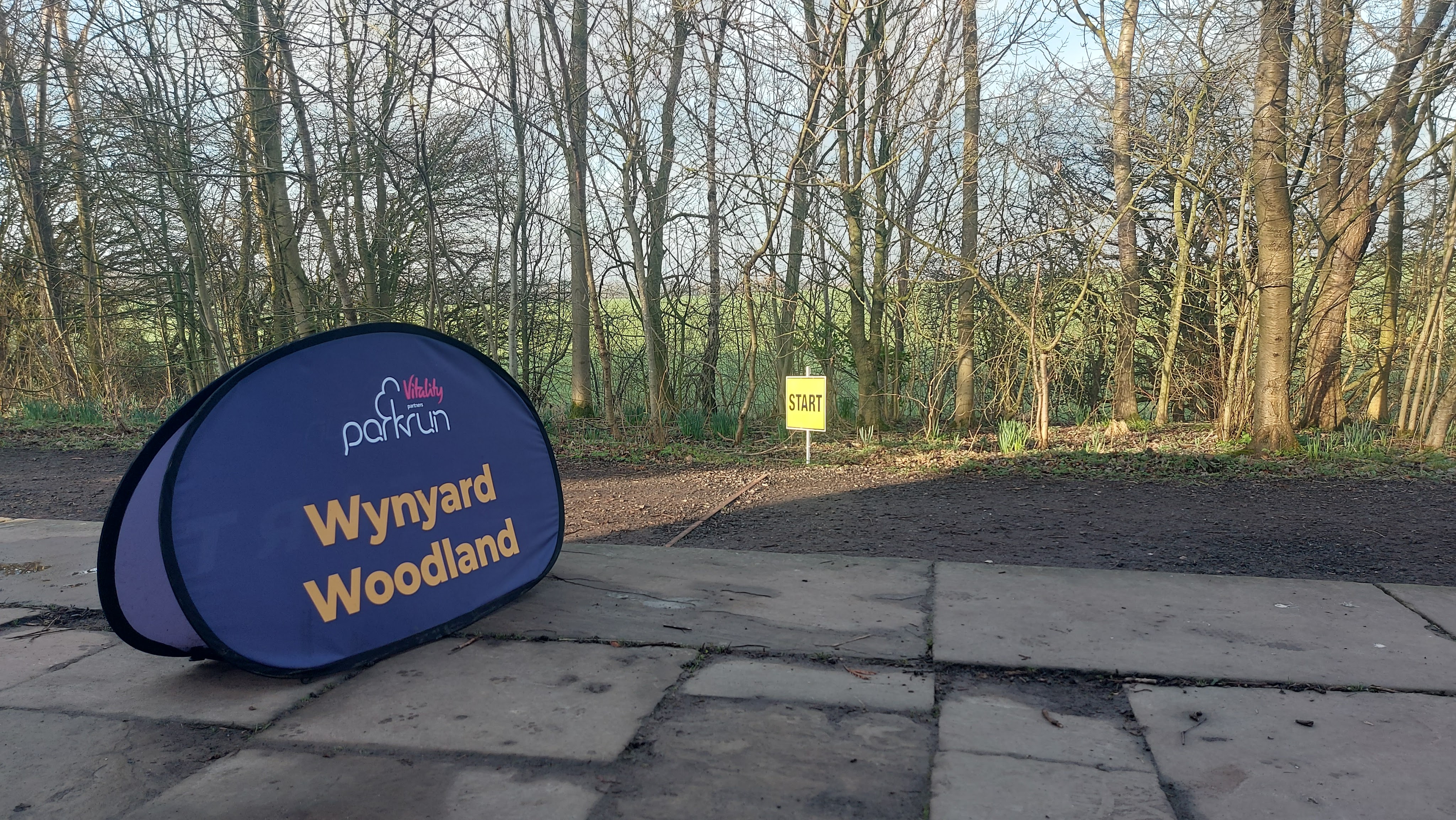
parkwalk is an initiative by parkrun UK launched globally in October 2022 to celebrate parkrun’s 18th anniversary and promote walking as a valued and inclusive part of their weekly 5k events. Recognising that not everyone feels ready to run or jog, parkwalk was designed to break down barriers to participation and support people of all fitness levels, especially those new to physical activity or managing long-term health conditions.

Every Saturday morning, participants gather at local parks across the UK and beyond to walk, jog, or run the 5k course. There’s no time pressure, people are encouraged to go at their own pace. Importantly, the Tail Walker volunteer ensures that no one finishes last, reinforcing the core value that parkrun is for everyone.

In support of the campaign, a new volunteer role called the parkwalker was introduced. Positioned between the runners and the Tail Walker, parkwalkers wear light blue vests and walk the route while offering encouragement and companionship to others walking, helping to foster a stronger sense of community and belonging.

Walking itself brings proven health benefits, such as improved cardiovascular fitness, reduced stress, and better mental wellbeing. According to parkrun, research shows walking 5,000 steps three times per week can significantly lower the risk of early death.

Since its launch, over one million walks have been completed globally, showing that parkwalk has not only increased participation but has also created a more welcoming and inclusive environment for all.

Palm Sunday to Easter

Easter Sunday stands as the most important day in the Christian calendar, celebrating the resurrection of Jesus Christ from the dead. Its full significance becomes clearer when seen in the light of the events of Holy Week, which leads believers on a journey from joy to sorrow and then to hope.

Holy Week begins with Palm Sunday, when Jesus enters Jerusalem as a king, greeted by crowds waving palm branches and shouting ‘Hosanna’. It’s a moment of triumph, but also one of deep irony. The same people who welcomed him would soon call for his crucifixion. As the week continues, Jesus openly challenges the religious leaders, cleanses the temple, and teaches with increasing urgency. Tensions mount, and by Thursday, he shares a final meal with his disciples. This Last Supper is where he breaks bread and shares wine, symbolising his body and blood, and teaches them about love, humility, and sacrifice by washing their feet.

That night, Jesus prays in the Garden of Gethsemane, wrestling with the weight of what lies ahead. He’s soon betrayed by Judas and arrested. What follows is a series of unjust trials, brutal beatings, and finally, crucifixion. On Good Friday, Jesus is nailed to the cross and dies in agony. The sky darkens, the temple curtain tears, and his followers are left heartbroken and confused. Saturday brings silence, as his body lies in the tomb and all seems lost.

Then, on Easter Sunday, everything changes. At dawn, women come to the tomb and find it empty. Angels announce that Jesus is risen. He appears to his followers, not as a ghost or a memory, but alive, transformed, and triumphant over death. At that moment, the sorrow of Friday and the silence of Saturday give way to the joy of new life.

Easter Sunday is significant because it confirms Jesus as the Son of God and proves that his sacrifice wasn’t in vain. As Paul writes in 1 Corinthians 15, if Christ had not been raised, faith would be useless. But because he lives, Christians believe they too will rise. The resurrection defeats death, not just for Jesus, but for all who trust in him. It turns the cross into a symbol of hope, and the tomb into a gateway of life.

Seen through the lens of Holy Week, Easter doesn’t ignore pain, it redeems it. The resurrection gives meaning to the suffering and shows that love is stronger than death. It calls believers to live with hope, courage, and purpose, knowing that no darkness is final, and no tomb is sealed forever. Easter Sunday declares that the story is not over, and never will be.

Volunteering at parkrun

Volunteering at parkrun offers far more than a chance to give back. It brings a host of benefits that positively impact mental, emotional, and even professional wellbeing. Many regular volunteers speak of a deep sense of fulfilment and satisfaction that comes from contributing to the event’s success each week. Studies support this, showing that volunteering can lift mood, reduce stress, and enhance overall wellbeing.

One of the most rewarding aspects of volunteering at parkrun is the sense of community it builds. Whether you’re marshalling, timing, scanning barcodes, or cheering people on, you’re surrounded by like-minded individuals who share a passion for health, connection, and community spirit. These shared moments often lead to lasting friendships and a richer appreciation for the value of local engagement.

Volunteering at parkrun is also a fantastic way to develop and strengthen key life skills. Each role provides opportunities to improve communication, teamwork, problem-solving, and time management. Whether you’re coordinating a finish funnel or supporting first-timers, every task contributes to both personal and professional growth.

From a career perspective, volunteering at parkrun is a valuable addition to your CV. It demonstrates initiative, reliability, and a genuine willingness to contribute to something bigger than yourself. For jobseekers, students, or anyone looking to stand out, regular volunteering shows commitment, people skills, and the ability to work under pressure, all traits employers value highly.

Most importantly, parkrun volunteering can be a journey of self-discovery. It invites you to try new roles, push beyond your comfort zone, and sometimes uncover talents you didn’t know you had. In serving others, you often gain just as much in return, whether it’s confidence, clarity, or simply the joy of making someone’s Saturday morning a little brighter.

Overall, parkrun volunteering is a win-win. It strengthens communities, supports wellbeing, and enriches personal and professional lives. Every barcode scan, every time check, every cheer matters, and so do the people who give their time to make it all happen. Why not have a go?