Seeing nuance in issues that others view as black and white can be both enriching and exhausting. It’s a strange kind of loneliness to stand in the grey areas, aware that truth rarely fits neatly into one camp or another. When I try to express that complexity, I’m often misunderstood by both sides; too cautious for one, too compromising for the other. Yet real life, real people, and real morality are far more intricate than slogans or hashtags can capture.
It’s entirely possible, even healthy, to agree and disagree at the same time. You can recognise the value in someone’s argument while still questioning their conclusions. You can want justice yet doubt the methods used to pursue it. You can admire tradition while welcoming change. Holding conflicting opinions doesn’t make you indecisive; it makes you honest about the world’s complexity and the limits of your own understanding.
At times, it’s draining to live in this tension, to resist the comfort of easy answers. But perhaps it’s also where empathy grows, in the willingness to listen deeply, to imagine why someone might see things differently. The world doesn’t need more certainty; it needs more curiosity, more grace for contradiction, and more people willing to dwell in the in-between spaces. That’s where we find truth, not as a fixed point, but as a living, shifting conversation that keeps us humble, human, and connected.
Sky News have produced an exceptional piece of journalism exploring how Elon Musk, via his ownership of X (formerly Twitter), is increasingly shaping political discourse in the UK, particularly by boosting right-wing and fringe voices. The investigation involved creating nine new British X accounts (three left-leaning, three right-leaning, three neutral) and collecting roughly 90,000 posts from about 22,000 accounts. The key finding was that over 60% of political content shown to these accounts came from right-wing sources, while only about 32% came from left-wing ones, and just 6% from non-partisan sources. Left-leaning users still saw nearly as much right-wing content as left. Neutral users saw twice as much right-wing content as left.
Musk himself has publicly endorsed or amplified figures like Rupert Lowe and Ben Habib, whose posts saw notable upticks in engagement when Musk replied or retweeted them. For example, Lowe’s tweets got roughly five times more reach when Musk engaged with them. The article suggests this is more than coincidence, the algorithm appears to favour right-wing and extreme content, with 72% of posts from ‘extreme’ authors coming from the right.
The piece also examines the broader shift: Musk’s overhaul of the platform, the drastic staff reductions after his takeover of Twitter, and a move towards open-sourcing the algorithm (though experts say the publicly available code offers limited transparency). Meanwhile UK regulators under the Online Safety Act are grappling with how to deal with these developments. Many voices quoted argue that unconstrained platform power coupled with algorithmic bias poses a threat to democratic discourse.
Every year on the 5th of November, skies across Britain come alive with fireworks, bonfires, and the smell of burning wood and toffee apples. Bonfire Night, or Guy Fawkes Night, is one of the nation’s most distinctive traditions, an autumn ritual of light, noise, and remembrance with roots that go back over four centuries.
Its story begins in 1605, during the reign of King James I. A group of English Catholics, angered by the King’s refusal to grant them greater religious tolerance, plotted to blow up the Houses of Parliament during its State Opening. Their aim was to kill the King and much of the Protestant establishment, hoping to spark a Catholic uprising. Among the conspirators was Guy Fawkes, an experienced soldier who’d fought for Catholic Spain. He was the one chosen to guard the barrels of gunpowder hidden beneath the House of Lords.
But the plan was discovered. An anonymous letter warned a nobleman to stay away from Parliament, and in the early hours of 5th November, Fawkes was caught red-handed in the cellar. He was tortured, forced to reveal the names of his fellow plotters, and later executed. The failure of the Gunpowder Plot was celebrated across the country as divine deliverance, and Parliament soon passed a law making 5th November a day of thanksgiving.
Early observances were deeply political, bonfires symbolised victory over treason, and effigies of the Pope were burned. Over time, however, the focus shifted. By the 18th century, communities were lighting bonfires, setting off fireworks, and parading homemade “Guys” through the streets for pennies. The religious animosity faded, replaced by something more communal and festive.
Today, Bonfire Night is a blend of history and celebration. The flames that once marked political survival now bring people together in parks and gardens, sharing sparklers, hot chocolate, and stories from a past that shaped the nation. As the fireworks burst overhead, it’s a reminder of the fragile balance between faith and power, rebellion and unity, and how history can be retold not through hatred, but through light.
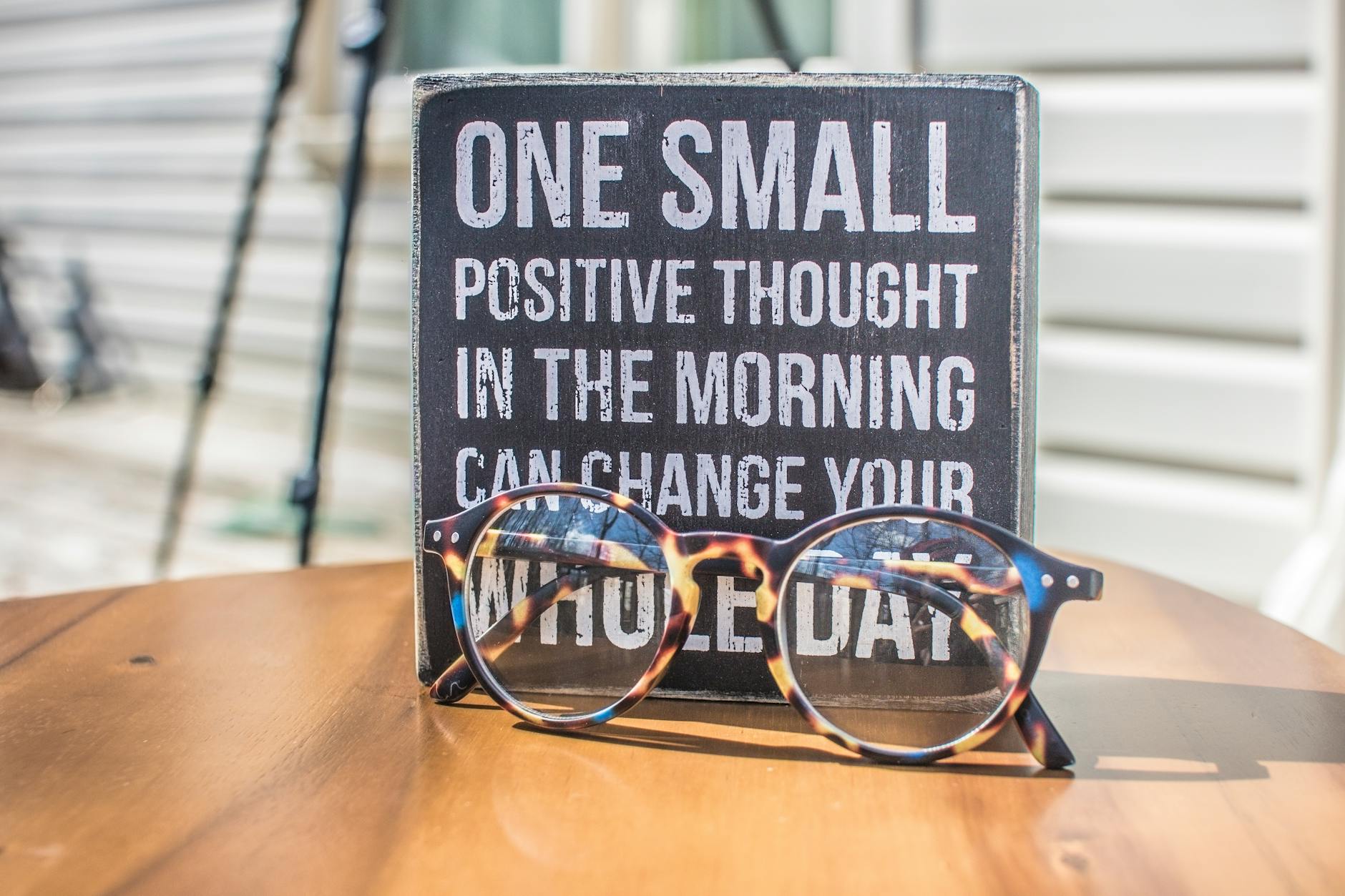
With so much negativity about, it might seem difficult to remain positive. This reflection is about how I see the challenge, and what I try to do to keep my balance on the plus side.
Positivity isn’t about pretending life’s perfect or ignoring difficulties; it’s about choosing to notice what’s good, even when things aren’t easy. It’s a mindset that favours hope over cynicism, gratitude over complaint, and calm over worry. Small, intentional habits can make a big difference.
Start with gratitude. Each evening, take a moment to reflect on three things you’re thankful for, a warm drink, a friendly smile, a moment of peace. Gratitude gradually retrains your mind to focus on what’s right rather than what’s missing. Be gentle with yourself, too. When negative thoughts appear, ask, “Is there another, kinder way to see this?” Over time, that simple question can change your inner voice from critic to encourager.
Surround yourself with positive influences; people, books, music, and conversations that lift your mood and bring out your best. Do something small and kind each day. A thoughtful message, a smile, or a helping hand can spark connection and joy that spreads both ways.
Learn to accept what you can’t control. Much of life’s stress comes from trying to manage the unmanageable. When you focus instead on what you can change, your actions, your outlook, your response, you create space for peace and perspective.
Finally, make room for rest and reflection. Pause, breathe, and allow quiet moments to reset your thoughts. Positivity grows in that stillness, helping you meet each day with balance, compassion, and gratitude.
I’ve been reflecting on being an older father with young children and wanting the best for them in the future (I also have two grown up children). Bringing up children today is far more challenging than it was just a generation ago, mainly because of the rise of technology and the Internet, but there are also huge societal changes that affect parenthood. Even though I’m a Baby Boomer, I can relate to my young children, and I remain in good health; but the problems facing the UK present their own challenge.
The age demographics of the United Kingdom have changed steadily over the past few decades, reflecting longer lives, lower birth rates, and patterns of migration that have reshaped communities. The overall population continues to grow, but that growth is most visible in older age groups. The median age has risen from just under forty at the start of the last decade to over forty now, with projections showing it will keep climbing in the years to come. The number of people aged sixty-five and over has grown significantly, while the proportion of children and young people has declined slightly. Wales and many rural areas have older populations on average than England’s major cities, where younger adults and families are more concentrated.
These shifts are largely the result of longer life expectancy, fewer children being born, and the ageing of large generations born after the Second World War. Many people now have children later in life, and some have fewer or none at all, which lowers the share of younger age groups. At the same time, advances in healthcare and living standards have extended lifespans, meaning that people spend more years in retirement than before. Migration has also played a key part in shaping the balance of ages, with younger workers arriving from overseas to fill gaps in the labour market and contribute to the economy.
An ageing population brings both challenges and opportunities. On one hand, there’s growing demand for healthcare, social care, and suitable housing, alongside pressure on pension systems and public finances. The ratio of working-age adults to those who are retired is slowly narrowing, which can strain services funded by taxation. On the other hand, an older population can mean a more experienced workforce, strong community engagement, and new possibilities for volunteering, learning, and connection between generations.
The pattern of change is uneven. Urban areas often remain younger and more diverse, while coastal and rural regions are ageing faster. Policymakers and local authorities are increasingly aware of the need to adapt schools, housing, transport, and health provision to reflect these demographic realities. The long-term trend is clear: Britain is becoming older as a nation, but with that comes the opportunity to rethink how society values every stage of life and how generations support one another in a changing world.
As I look at my own family against this backdrop of a changing nation, I feel both the weight of responsibility and the quiet gift of perspective. Being an older father means I see my young children’s future through the lens of experience, mindful of how fragile and precious time really is. I want them to inherit a country that values compassion over division, wisdom over noise, and hope over cynicism. Technology and social change will continue to reshape their world, but what endures (that I can still offer) is love, stability, curiosity, and faith in their potential. Perhaps that’s what connects the generations most deeply: the belief that, however uncertain the times, there’s always something worth passing on, something good still growing in the soil of tomorrow.
Are we wrong to expect the Royal Family to be good role models? It’s a question that seems to surface every time a scandal or misstep finds its way into the headlines. The truth is, the Royal Family live in a strange tension between privilege and duty. They’re not elected, yet they represent the nation. They’re not ordinary citizens, yet they live under a scrutiny that few of us could bear.
It’s natural, then, that we expect them to embody qualities like dignity, integrity, service, and compassion. They’re woven into the fabric of our national identity, and many people look to them as symbols of continuity and moral steadiness in uncertain times. We want them to be a source of pride, an example of grace under pressure.
But perhaps the question isn’t whether we should expect them to be role models, but whether it’s realistic to expect them to always be so. After all, they’re human, flawed, complicated, sometimes wounded by the very system they were born into. When they fall short, their failings aren’t just personal; they’re public, dissected and amplified for the world to see.
Jesus once said, From everyone who has been given much, much will be demanded (Luke 12:48). The Royals have indeed been given much (wealth, privilege, and a platform) but also responsibility, scrutiny, and the burden of expectation. So no, we’re not wrong to hope for goodness and humility in those who represent us. But maybe the true test of character isn’t perfection, it’s how they respond when they stumble.
Role models, after all, aren’t those who never fall. They’re the ones who get up again, a little wiser, a little kinder, and perhaps a little more human. Maybe, we all need to strive to be role models.
Paul’s words in 1 Corinthians 12:12–27 offer a beautiful picture of what it means to belong to the body of Christ. Just as the human body is made up of many parts, each with its own function, so too the body of Christ is made up of many members, each with a distinct role and gift. For just as the body is one and has many members, but all the members of the body, though many, are one body, so it is with Christ.
Paul paints vivid images of the eye, the ear, the hand, and the foot, reminding us that no part can say to another, “I don’t need you.” Every member matters. The eye can’t replace the ear, nor can the hand dismiss the foot; each one contributes to the whole. When one part suffers, the rest of the body feels it; when one part is honoured, the whole body rejoices. It’s a powerful reminder of how deeply we’re connected to one another in Christ.
Paul concludes, Now you are the body of Christ, and each one of you is a part of it. These words cut against the grain of individualism. We aren’t isolated believers but members of something larger, bound together by grace and called to serve one another. This passage calls us to unity in diversity, to value each person’s gift, and to recognise that only together do we reflect the fullness of Christ’s living body in the world.
Remembrance Sunday, observed on the second Sunday of November, remains a deeply significant day in the UK. A time to honour those who gave their lives in war, and to reflect on the cost of peace.
Its roots lie in the aftermath of the First World War, when Armistice Day on 11 November marked the end of the fighting in 1918.
Over time, as more conflicts followed, the nation’s focus broadened beyond that single war to remember all who have served, suffered, or died in the defence of freedom.
Today, Remembrance Sunday carries both solemnity and relevance. While the generation who fought in the world wars has largely passed, their legacy lives on in the freedoms and democracy we enjoy. The poppy, inspired by the resilient flowers that grew on the battlefields of Flanders, has become a living symbol of remembrance, its vivid red reminding us of sacrifice, courage, and hope renewed.
The two-minute silence and the Cenotaph ceremony remain powerful acts of collective memory and gratitude. Yet remembrance has also evolved, it now embraces not just soldiers of past wars, but those who’ve served in more recent conflicts, from the Falklands to Iraq and Afghanistan, as well as civilians caught up in the violence of war.
In our own time, when conflict still scars the world and peace often feels fragile, Remembrance Sunday invites reflection on humanity’s shared responsibility. It’s not about glorifying war, but about acknowledging sacrifice, seeking understanding, and recommitting ourselves to reconciliation.
Many find meaning in the words of Jesus, Blessed are the peacemakers, for they will be called children of God (Matthew 5:9). In that spirit, Remembrance Sunday becomes not just an act of looking back, but a call to live differently – to value compassion, to work for peace, and to remember that remembrance itself is a moral choice: to never forget, and never cease striving for a world made whole.
The algorithms of social media often ensure that we live within an echo chamber of friends who share our outlook on life. Yet not everyone agrees with us, nor do we always agree with others. The adage of ‘agreeing to disagree agreeably’ sometimes goes out of the window when passions run high, and social media can act as a catalyst to entrench our opinions and polarise debate.
In an increasingly divisive society, we may need to relearn the simple art of being kind, affirming one another and appreciating diversity. When I post something on Facebook, I expect disagreement, but I don’t expect rudeness. People can become so angry that others hold a different, well-considered opinion, one that may be part of their very identity.
Often on social media there’s no real engagement with the issue at hand, just a loud alternative opinion shouted into the void, with little sense of nuance or listening. We aren’t heard by shouting. There must be respect, both for ourselves and for others. It’s also perfectly acceptable to acknowledge the merits of someone else’s position, even if we don’t share it.
Please don’t think I’m claiming to be perfect in this regard, I’m not. But I do believe we all need to take a careful, humble look at how we respond to what’s posted on Facebook and social media in general.
Personally, I approach this as a person of faith. Many of my attitudes, thoughts, and actions flow from that and shape who I am. Paul, writing to the Philippians, said: Do nothing out of selfish ambition or vain conceit. Rather, in humility value others above yourselves, not looking to your own interests but each of you to the interests of the others.
Here lies the heart of the matter, Paul’s call to have the same mindset as Christ Jesus. Be kind to each other.
Jesus’ words in Luke 6:20–31 turn the world on its head. Blessed are you who are poor, for yours is the Kingdom of God. They’re part of what we call the Beatitudes, and they paint a picture of a kingdom that honours humility, mercy, and love over wealth, power, and pride. On All Saints’ Day, we remember the holy ones who’ve lived out this upside-down way of life, those who’ve loved in ways the world rarely notices, and who’ve trusted God’s promises even when life was hard.
Jesus blesses those who hunger, who weep, who are excluded and insulted because of him. It’s not that pain or poverty are good in themselves, but that God’s presence transforms them. The saints remind us that faith doesn’t shield us from suffering, it gives us eyes to see beyond it. They knew that joy doesn’t come from having everything, but from belonging to God. They believed that kindness and forgiveness weren’t optional extras, they were the shape of holiness itself.
When Jesus says, Love your enemies, do good to those who hate you, bless those who curse you, pray for those who mistreat you, he’s not offering pious advice; he’s describing how heaven looks when it breaks into earth. The saints, both famous and forgotten, have taken those words seriously. They’ve broken cycles of vengeance with compassion. They’ve turned the other cheek not in weakness, but in strength. They’ve lived the Golden Rule – Do to others as you would have them do to you.
All Saints’ Day isn’t just about remembering those who’ve gone before, it’s about hearing the call to join them. Holiness isn’t reserved for the perfect, it’s the daily choice to live with grace in a graceless world. As we give thanks for the communion of saints, we’re reminded that we, too, are part of that communion: ordinary people, blessed and broken, learning to love as Jesus loves.
Rejoice in that day and leap for joy, because great is your reward in heaven. May those words lift us, inspire us, and remind us that the Kingdom of God is already among us, hidden in mercy, revealed in love, and alive in every saint who dares to follow Christ’s way.






 John Ager's Home on the Web!