

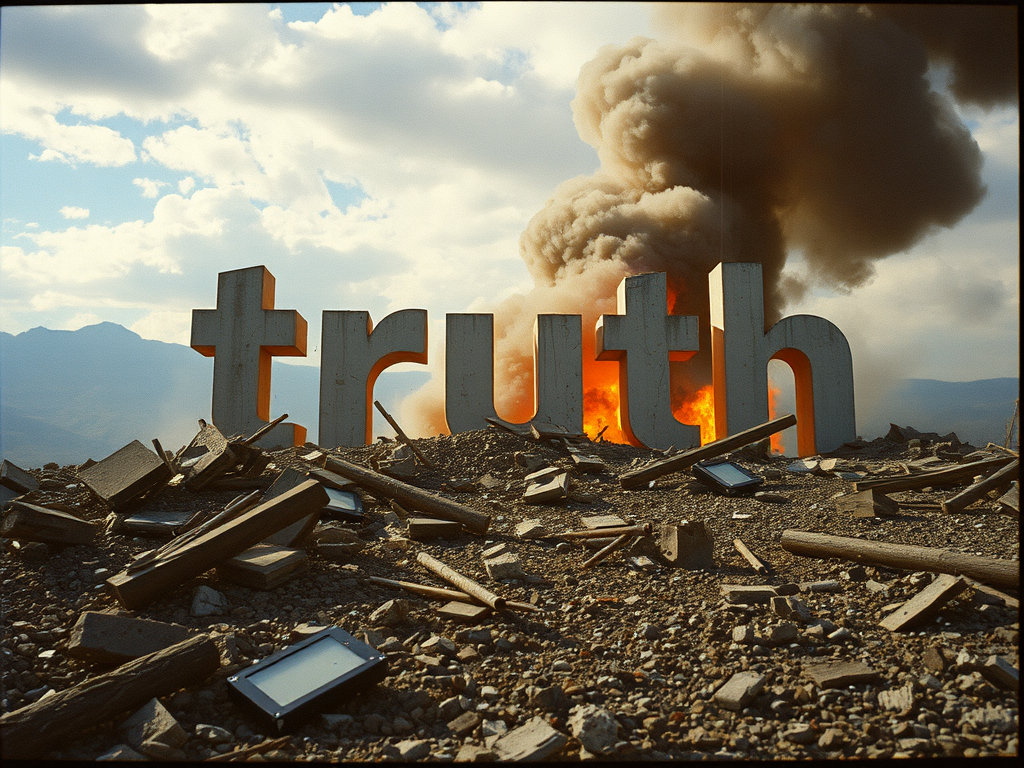
Let’s be honest about what’s happening here. X hasn’t simply “changed”, it’s been deliberately reshaped into something harsher, noisier, and less trustworthy, and people are right to walk away. A public square that once aspired, however imperfectly, to host plural voices has become a platform where outrage is rewarded, nuance is buried, and misinformation travels faster than truth. That’s not accidental, it’s structural, and users are being asked to accept it as the new normal.
Trust has been hollowed out. Moderation has been weakened in the name of “free speech”, but what that has often meant in practice is freedom for the loudest, the most aggressive, and the most cynical. Good-faith conversation gets drowned. Marginalised voices retreat. Reasonable people self-censor or leave altogether. A space that silences people through hostility is not a free space, it’s a hostile one.
Then there’s the concentration of power. One individual now exerts extraordinary influence over rules, reach, and direction, with minimal transparency and no meaningful accountability. You don’t need a law to be broken to decide you want no part in that. Consumers are allowed to make moral choices. Withdrawing attention, data, and participation isn’t censorship, it’s conscience.
Grok sits uncomfortably inside all of this. It isn’t being received as a neutral, trustworthy tool, but as an extension of the platform’s brand and ideology. When the environment around a technology feels politicised, unstable, and ego-driven, trust in the technology collapses with it. That’s not irrational scepticism, it’s common sense.
People aren’t leaving because they’re fragile or offended. They’re leaving because they can see clearly what the platform has become, and they refuse to pretend otherwise. That’s not virtue signalling, it’s integrity.







 John Ager's Home on the Web!