The History of Halloween

Halloween, celebrated each year on 31 October, has deep and ancient roots that stretch back over two thousand years. Its origins lie in the Celtic festival of Samhain, marking the end of the harvest and the beginning of winter, a time associated with death and the thinning of the veil between the living and the dead. The Celts, who lived across Ireland, Britain, and northern France, believed that on this night, spirits could roam the earth. Bonfires were lit to ward off evil, and people wore disguises to confuse wandering souls.

As Christianity spread through Europe, the Church sought to replace pagan traditions with Christian observances. In the eighth century, Pope Gregory III established 1 November as All Saints’ Day (also known as All Hallows’ Day), a time to honour saints and martyrs. The evening before became All Hallows’ Eve, eventually shortened to Halloween. This blending of ancient customs with Christian remembrance created a rich, layered festival combining solemn reflection with folk ritual.

When European immigrants brought these traditions to North America, they evolved further. In colonial times, Halloween was modest, but in the 19th century, especially with the arrival of Irish immigrants fleeing the potato famine, it began to flourish. Communities embraced parties, games, and storytelling. The practice of trick-or-treating emerged in the early 20th century, influenced by the old custom of “souling,” where children went door to door offering prayers for the dead in exchange for food.

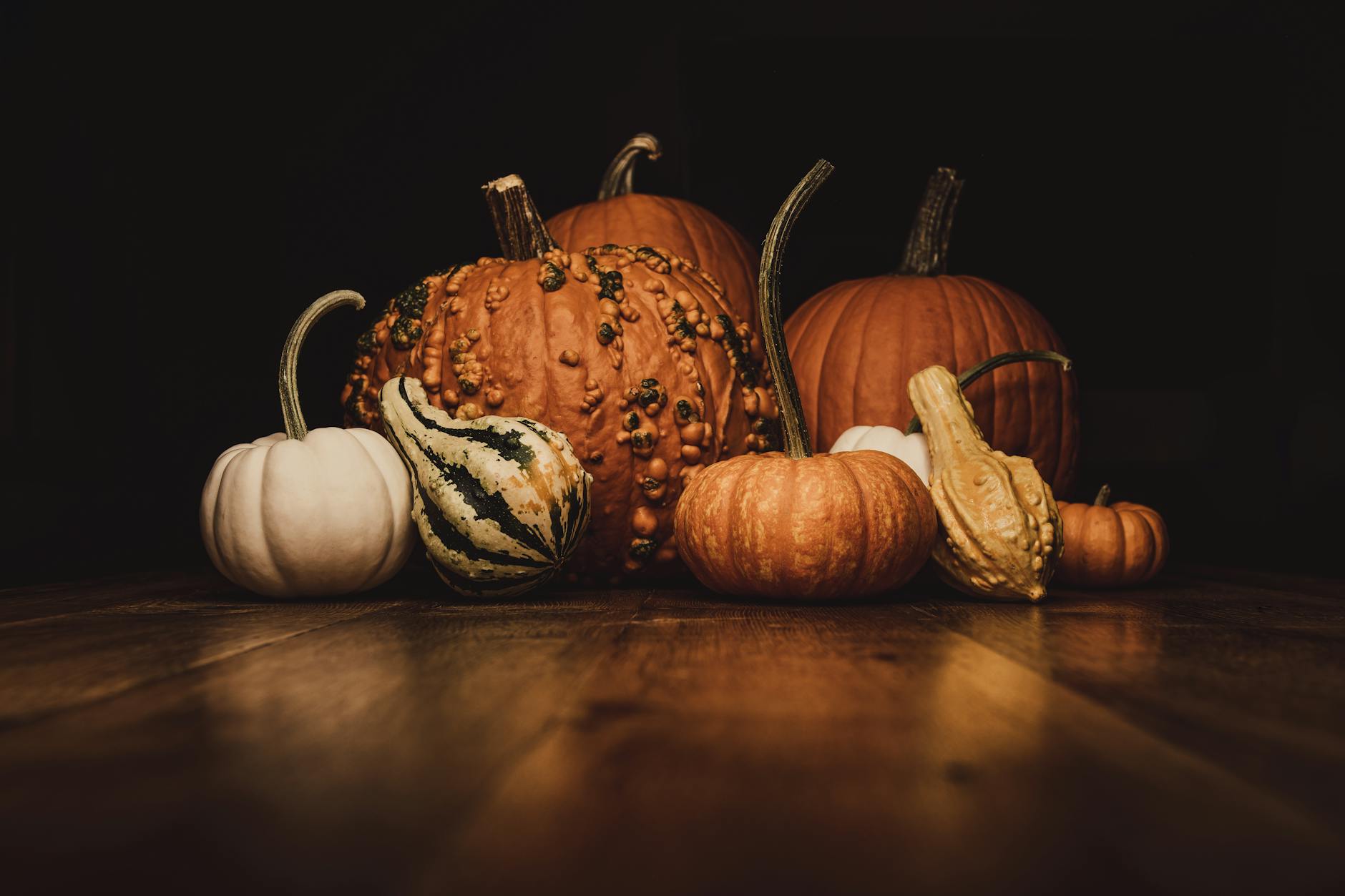
Today, Halloween is a vibrant blend of the sacred and the secular: a night of carved pumpkins, ghost stories, costumes, and playful fright. Beneath the fun, however, lies a profound awareness of life’s mystery and mortality, echoing Ecclesiastes 3:1 There is a time for everything, and a season for every activity under the heavens. For many, Halloween remains a moment to pause between autumn’s glow and winter’s shadow, to remember the past, and to delight in imagination and wonder.

What began as a ritual to honour the cycle of life and death has become a celebration of community and creativity, a reminder that even in the darkest night, the light of human spirit endures.

Christianity and Halloween

I think Christianity should embrace Halloween, not reject it. The festival, in its truest sense, is born from the church’s own calendar, All Hallows’ Eve, the night before All Saints’ Day. Long before it became a celebration of pumpkins, costumes, and sweets, it was a sacred vigil honouring those who’ve gone before us. To reclaim Halloween isn’t to condone fear or darkness, but to recognise that our story as Christians is one of light shining through the shadows. Death and evil aren’t things to deny or dread, they’re realities already defeated in Christ’s resurrection.

By engaging with Halloween rather than avoiding it, the church can speak into people’s fears and fascinations with hope and grace. Children dressing as ghosts or skeletons don’t glorify death, they play with its imagery, safely, often without understanding that our faith proclaims victory over it. When Christians shut their doors on Halloween night, we miss a rare opportunity for neighbourliness and connection. When we open them, offering welcome, warmth, and perhaps even a word of love, we embody the gospel more powerfully than any tract could.

The light of Christ doesn’t shrink from the dark; it transforms it.

So perhaps the best way for Christians to respond to Halloween isn’t through rejection, but redemption – to reclaim it as a night of joy, remembrance, and hospitality. As Jesus said, You are the light of the world… let your light shine before others, (Matthew 5:14–16).

Problems Facing the UK

Looking at the problems faced by the UK, they go back decades. Successive governments have failed to build enough affordable and social housing, leaving millions struggling with high rents, unstable tenancies, and the near-impossibility of buying a home. This housing shortage has rippled through society, deepening inequality and fuelling resentment, while local communities have borne the strain of overstretched services and eroded trust.

Short-termism in politics and policy has compounded these challenges. Decisions are too often driven by electoral cycles rather than long-term national interest, leading to underinvestment in infrastructure, public services, and skills. The austerity years that followed the 2008 financial crisis weakened essential institutions (local councils, the NHS, and social care) leaving them fragile and underfunded. Brexit added further disruption, introducing new trade barriers and labour shortages that continue to weigh on productivity and growth. Then came Covid, which exposed the fault lines of inequality and deepened the divide between those who could work from home and those who could not.

The result is a country at a crossroads, still rich in creativity, compassion, and potential, but held back by political timidity and a reluctance to face hard truths. We need leaders who will speak honestly about the scale of the challenge, who’ll resist the temptation to offer comforting illusions or populist slogans. Real recovery will demand patience, sacrifice, and a shared sense of purpose. As a nation, we must find the courage to swallow the hard medicine: investing in people and places that have been left behind, reforming systems that no longer serve us, and building for the future rather than merely managing decline. Easy answers are the language of denial; only truth, courage, and collective effort can begin to heal what’s broken.

Why Doom-Scrolling is Addictive

Doom-scrolling is addictive because it taps into deep instincts that once helped us survive but now keep us glued to screens. It plays on the brain’s reward and threat systems at the same time. When we scroll, we’re seeking information, especially about danger or uncertainty, which the brain interprets as staying safe.

In the past, being alert to threats was vital; now that instinct locks us into endless feeds of bad news.

Each swipe brings something new, and that unpredictability releases dopamine, the same chemical linked to gambling or social media likes. Sometimes we find shock, sometimes relief or outrage, and each hit keeps the cycle going. This variable reward system makes the habit stronger.

There’s also a strange comfort in doom-scrolling, it gives an illusion of control. In anxious times, we try to manage uncertainty by consuming more information, as if knowing enough will protect us. Instead, it feeds stress and helplessness.

Digital platforms amplify the effect. They’re built to maximise engagement, showing emotionally charged content that provokes fear or anger, because strong emotions keep us scrolling. The more we scroll to calm anxiety, the deeper it pulls us in. Breaking the pattern means recognising what’s happening and setting clear boundaries; curating calmer news sources, limiting screen time, or replacing the habit with something that restores peace and presence.

Accountability Behind Palace Gates

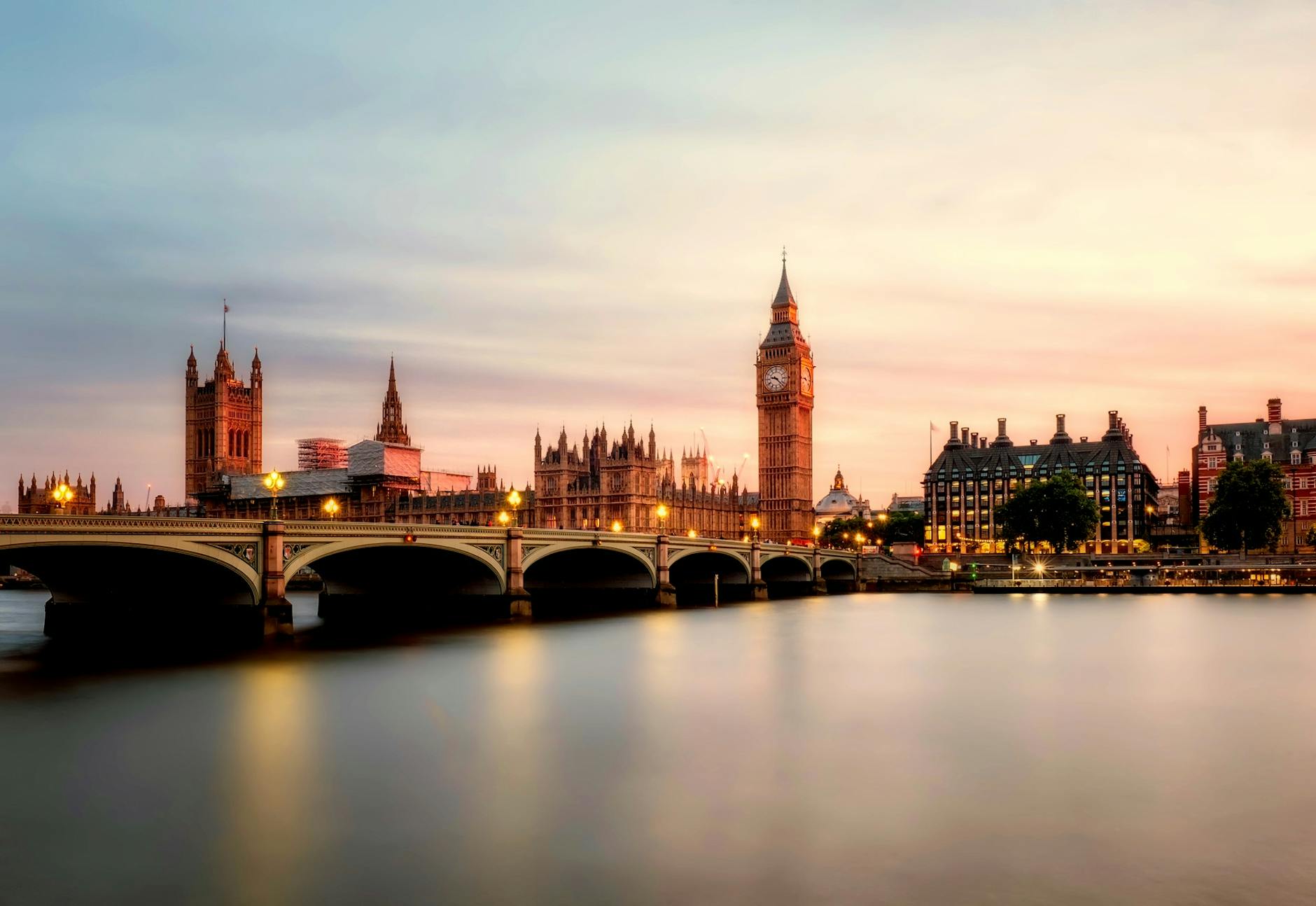
In the twenty-first century, the monarchy can no longer exist behind a veil of mystery. The public deserves full transparency in every aspect of royal life that involves finance, property, business, and influence. This isn’t about hostility towards the institution, but about accountability in an age that demands openness from every other public body.

When taxpayers contribute to royal finances, when estates and properties are maintained with public funds, or when royal connections quietly shape political or economic outcomes, the public has a right to know.

True transparency doesn’t weaken the monarchy, it strengthens trust. In a democracy, secrecy breeds suspicion, while honesty builds legitimacy. The monarchy has long been a symbol of continuity and stability, but for it to remain relevant, it must also embody the values of fairness and integrity that define modern Britain. If the royal family’s wealth and dealings are beyond scrutiny, then they risk alienating a generation raised on equality, accountability, and truth.

Complete openness would also clarify where public responsibility ends and private privilege begins. Citizens should know what the Crown Estate contributes to the nation, what revenues are personal, and how influence is exercised – whether through patronage, lobbying, or quiet conversations with government. Transparency would not strip the monarchy of its dignity, but rather reveal whether that dignity is deserved.

The twenty-first century is no place for shadows and secrets. Every institution that serves the people must be answerable to them; and the monarchy, if it wishes to endure, must lead by example.

To remain a unifying force rather than a relic of entitlement, it should open its books, show its workings, and earn respect not through inherited status, but through integrity and honesty before the people it represents.

Arendt’s Warning for Today

This constant lying is not aimed at making the people believe a lie, but at ensuring that no one believes anything anymore. These words, often attributed to Hannah Arendt, are not a direct quotation but a paraphrase of her ideas on truth, lying, and totalitarian control. In her writings, particularly The Origins of Totalitarianism and Truth and Politics, Arendt explored how systematic falsehood corrodes a society’s moral and intellectual foundations, not by persuading people to believe lies, but by making them lose faith in the very concept of truth.

The quote sits beautifully within Arendt’s moral clarity about truth and human responsibility. She warned that when lies become routine and truth becomes relative, people lose their ability to distinguish between what’s real and what’s false, between what’s right and what’s wrong. Once that distinction collapses, judgement itself becomes impossible. In one of her interviews, she explained that when everyone is lied to constantly, the danger isn’t gullibility but cynicism; the sense that nothing can be trusted, that everything is manipulation. And in that condition, people become pliable, unable or unwilling to resist power, for they no longer believe anything can be truly known or changed.

Arendt understood that truth and freedom are intimately bound together. Truth-telling, even when inconvenient, is an act of resistance against domination, because it asserts that reality exists beyond propaganda or ideology. In contrast, lies, especially those repeated by authority, are tools for erasing that shared reality. When truth dissolves, conscience follows, when conscience fades, tyranny thrives.

Her insight feels startlingly relevant today, in an age where misinformation spreads faster than facts, and where many retreat into apathy rather than discernment. Arendt reminds us that truth isn’t a luxury of democracy but its foundation. To care about what’s true, and to keep judging rightly in a world that encourages confusion, is both a moral and political act of courage.

Aesthetic & Architectural Vandalism

By destroying the Rose Garden and demolishing the East Wing of the White House, Donald Trump has committed acts of aesthetic and architectural vandalism that go far beyond mere changes in landscaping or design.

The Rose Garden, once a serene space shaped by the elegance and restraint of Jackie Kennedy and the careful stewardship of generations that followed, symbolised continuity, grace, and democracy’s softer face. Its balance of tradition and simplicity reflected an understanding that beauty and symbolism matter in a place where history is made daily. To strip it bare, to erase its living memory for the sake of personal vanity or ideological imprint, is to disregard the cultural inheritance it represents.

The East Wing, too, has long stood as a vital part of the White House’s identity, both functional and symbolic: a space that housed the offices of the First Lady and staff who helped humanise the institution. To demolish it is to deny that softer, civic side of leadership, the one that serves the people rather than the ego.

Architecture carries meaning; it tells the story of a nation’s values through form, proportion, and grace. When that story is rewritten in the name of self-aggrandisement, something precious is lost; not only bricks and roses, but the quiet dignity that connects past to present. Trump’s interventions, rather than renewing an icon, have scarred it, revealing a profound disregard for the history, harmony, and humanity that such a space should embody.

Hidden Sugar, Hidden Truth

When food manufacturers label a product “low fat”, they should probably be obliged to also label it ‘high sugar’. For decades, the food industry has ridden the wave of fat-phobia, convincing consumers that cutting fat automatically means eating healthily. Yet, in reality, the fat often removed for marketing appeal is replaced by sugar or refined carbohydrates to maintain taste and texture. The result isn’t a healthier product, but one that can be just as (if not more) damaging to our bodies.

Fat, especially unsaturated fat, is essential for energy, hormone balance, and nutrient absorption. Sugar, on the other hand, offers empty calories and can wreak havoc on our metabolism when consumed excessively. The problem is that consumers trying to make responsible choices are often misled by selective labelling. “Low fat” sounds virtuous, but without full disclosure, people may unknowingly choose foods that spike blood sugar and contribute to weight gain, diabetes, and heart disease.

If honesty were the rule rather than the exception, a “low fat” label would have to sit alongside a clear statement of sugar content; ideally in simple, visible language rather than fine print. People deserve to know what they’re eating without needing a degree in nutrition. Transparency shouldn’t be optional; it’s a matter of public health. Perhaps then, we’d think twice before assuming that “low fat” yoghurt or cereal bar is a healthy choice, and start valuing balance, moderation, and genuine nourishment over clever marketing.

The Cost of Political Apathy

Believing all politicians are as bad as each other empowers the worst, diminishes the best, and damages democracy. When cynicism takes hold, it creates a fog of apathy in which corruption thrives. Those who care least about truth or service often benefit most when people give up on believing that integrity in politics is even possible. It’s an abdication of responsibility disguised as realism. Of course, politics attracts flawed people, it always has, but so does every sphere of life. The difference is that in a democracy, citizens have the power to choose, to discern, and to hold their representatives accountable.

To say “they’re all the same” is to silence that responsibility. It’s a convenient shrug that excuses disengagement and hands power to those who’ll exploit it. Meanwhile, good, honest politicians, those who genuinely want to serve, are undermined by blanket distrust. They become targets of the same contempt that should be reserved for those who lie, cheat, or misuse authority.

Democracy depends on participation, on people who still care enough to ask questions, read manifestos, and vote with conscience rather than despair. It’s imperfect, slow, and sometimes infuriating, but it’s also one of the few systems that allows correction, renewal, and moral progress. The temptation to give up on politics altogether might feel cleansing, but it’s actually corrosive. To protect democracy, we must resist cynicism, reward integrity where we see it, and remember that hope itself is a political act.

Reclaiming Your Digital Life

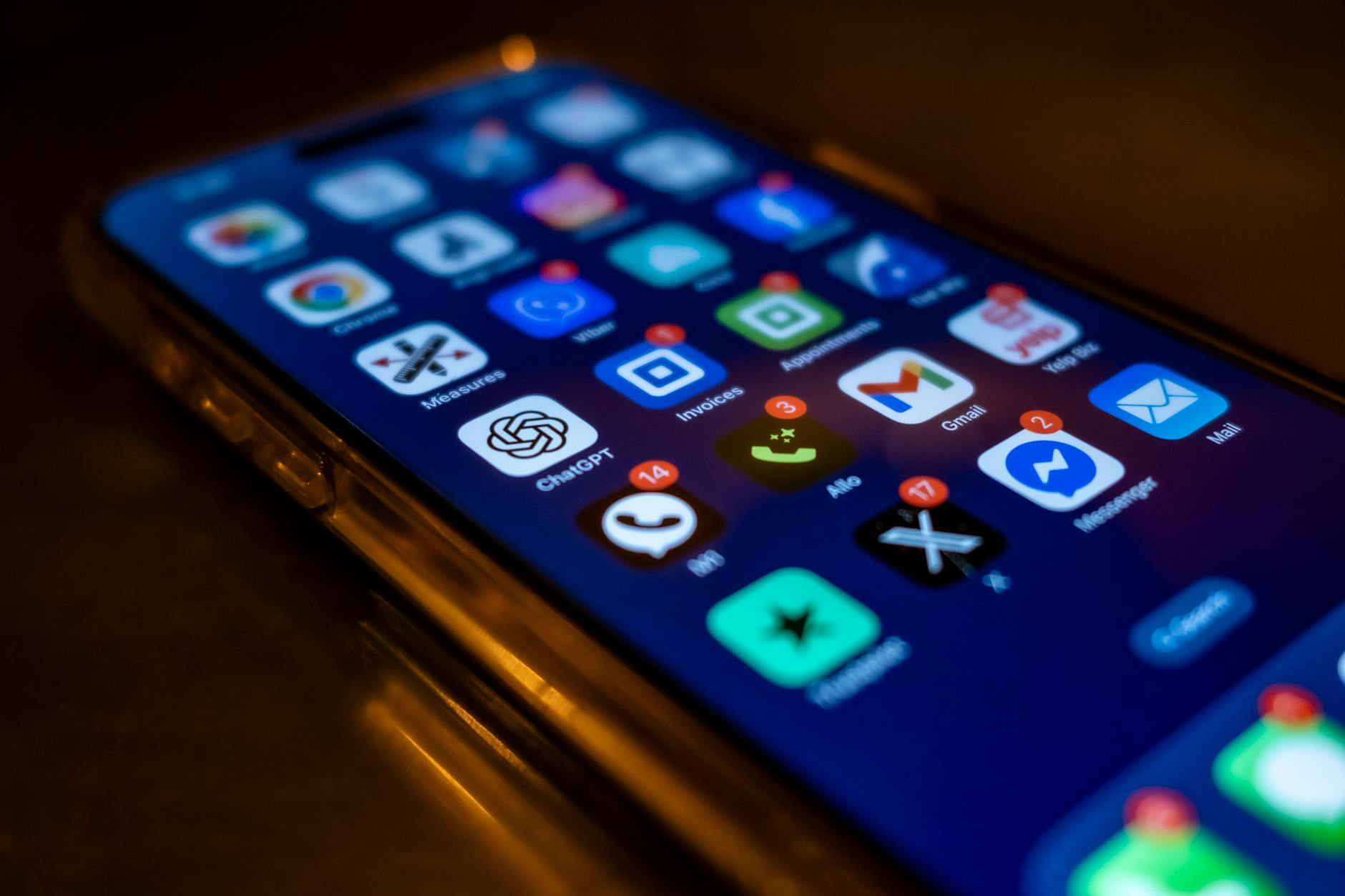
All the apps on your smartphone are designed to draw you in, and this can be unhealthy. So, think about turning OFF notifications and choosing when you access social media and the like.

Every ping, buzz, and pop-up is crafted to capture your attention, keeping you scrolling longer than you meant to. What begins as a quick check of messages or news often turns into half an hour lost to endless feeds and fleeting updates. These platforms aren’t neutral; they’re engineered to manipulate human psychology, using likes, alerts, and endless refresh loops to reward your brain just enough to keep you hooked.

It’s easy to feel that you’re in control because you choose what to click, but often it’s the algorithms choosing for you. They decide what you see, what you think about, and how long you stay. Over time, this constant digital noise can increase anxiety, shorten your attention span, and leave you oddly unsatisfied.

Breaking free doesn’t mean rejecting technology altogether. It means reclaiming your time and focus. Try setting boundaries; keep your phone out of reach during meals, resist checking it first thing in the morning, and take moments of quiet without the screen. Notice how your thoughts clear, how real conversations deepen, how silence feels less awkward.

You’ll discover that connection, creativity, and calm are still possible beyond the glow of your phone. Take back control. Don’t let the apps control you. Apps are tools NOT masters. Life is more important.