Christian Zionism is a religious, political, and military movement couched in biblical ideas and imagery. There are clearly wrong actions from both sides in the Israel/Palestine conflict; neither Hamas (for example) nor Israel is without blame, yet both have legitimate claims.
For me, Christian Zionism is negative and counterproductive in the movement for peace, as well as being contrary to the character of Jesus portrayed in the Gospels. It doesn’t advance the values of the Kingdom. The way of Jesus was one of vulnerability, supremely demonstrated on the Cross, not the way of triumphalism.
Indeed, Jesus condemned the nationalism of the Jews on the first Palm Sunday and rightly predicted the downfall of Jerusalem in 70 CE as a result. Peacemaking in this area of longstanding tension and conflict requires sensitive understanding and diplomacy, not unilateral action and triumphalism.
My genuine hope and prayer is for a two-state solution to this seemingly intractable conflict, where (as so often) it’s the innocent who suffer and die. In recent times, Hamas have been provocative, and Israel have overreacted. I weep as innocent suffering continues.
I’m neither anti-Israel nor pro-Palestine; I’m on the side of justice and peace for all, pro-humanity you could call it. Selective interpretation of the Bible is not in keeping with its overall message, the character of Jesus, nor the values of the Kingdom.
In a world overflowing with technology and wealth, it’s easy to forget that millions of people still lack something as basic as clean water. That’s where WaterAid comes in, a quiet but determined force tackling one of the greatest injustices of our time.
Since 1981, WaterAid has worked to ensure that everyone, everywhere, has access to clean water, decent toilets and good hygiene. Not as a handout, but as a matter of dignity and human rights. It partners with communities across Africa, Asia, and Latin America, listening first, then helping to build lasting solutions; from wells and taps to toilets and hygiene education. It also campaigns tirelessly to get governments and institutions to prioritise these essentials.
The impact is transformative. A working tap in a village means children can go to school instead of fetching water. A toilet at home means privacy, safety and dignity; especially for girls and women. Clean water in a health clinic can mean the difference between life and death.
What makes WaterAid stand out is its commitment to sustainable, community-led change. It’s not just about infrastructure, it’s about justice, resilience, and hope.
In a time when global headlines often feel overwhelming, WaterAid offers something different: quiet, practical progress. One tap. One toilet. One transformed life at a time.
The 1930s in Germany began with a whisper of desperation and ended in a roar of destruction. In the shadows of World War I and the Great Depression, the German people were aching for stability, dignity, and hope. But what they got instead was a rising tide of far-right extremism that would plunge the world into its darkest abyss. The lessons of that decade still echo today, especially as far-right movements stir again across the globe, cloaked in new language but driven by the same old fears.
Germany’s democracy, the Weimar Republic, was fragile and battered. Inflation had shattered savings and unemployment soared. People were angry, disillusioned, and vulnerable to the promise of easy answers. Enter Adolf Hitler and the Nazi Party, a fringe movement that exploited the pain of a nation. With slogans about restoring greatness, purifying the nation, and crushing enemies from within, they wrapped fear in patriotic colours and made hatred feel like a duty.
When Hitler was appointed Chancellor in 1933, he moved fast. Civil liberties evaporated, the press was muzzled. Political opponents were silenced, imprisoned, or killed. The Nazis used propaganda not just to inform, but to mold reality itself – painting Jews, communists, intellectuals, and the disabled as threats to be neutralised. Step by step, they turned neighbours into enemies and bystanders into accomplices. The churches, too, wrestled with compromise and complicity, and many chose silence rather than risk.
At its heart, this was not just a German tragedy, it was a human one. It was about what happens when fear outweighs compassion, when power goes unchecked, and when a people forget that the stranger at the gate is often just a reflection of themselves.
And here we are again…
Across continents today, we hear echoes of that decade: the rise of nationalism that scapegoats the weak, the nostalgia for a glorified past that never truly existed, the distrust of the press, and the sneering disdain for democratic norms. We see it in the chants at rallies, in the conspiracies that spread like wildfire, in the tightening of borders and the loosening of empathy. The faces and flags have changed but the spirit is familiar: an idolising of strength, a demonising of difference.
Yet history doesn’t repeat itself word for word, it rhymes. And the echo of the 1930s isn’t a prophecy, but a warning. It tells us that democracy isn’t a given, it must be guarded. That kindness isn’t weakness, it’s the foundation of any society worth building. When we believe “it can’t happen here” we’ve stopped paying attention.
Light always begins small: a candle, a voice, a hand reaching out. But so does darkness. The far-right grew not just because of violence, but because of indifference. And that, more than anything, is what history urges us to resist. We must stay awake. We must speak up. We must remember.
Because the past is not dead, it waits to be repeated if we let it.
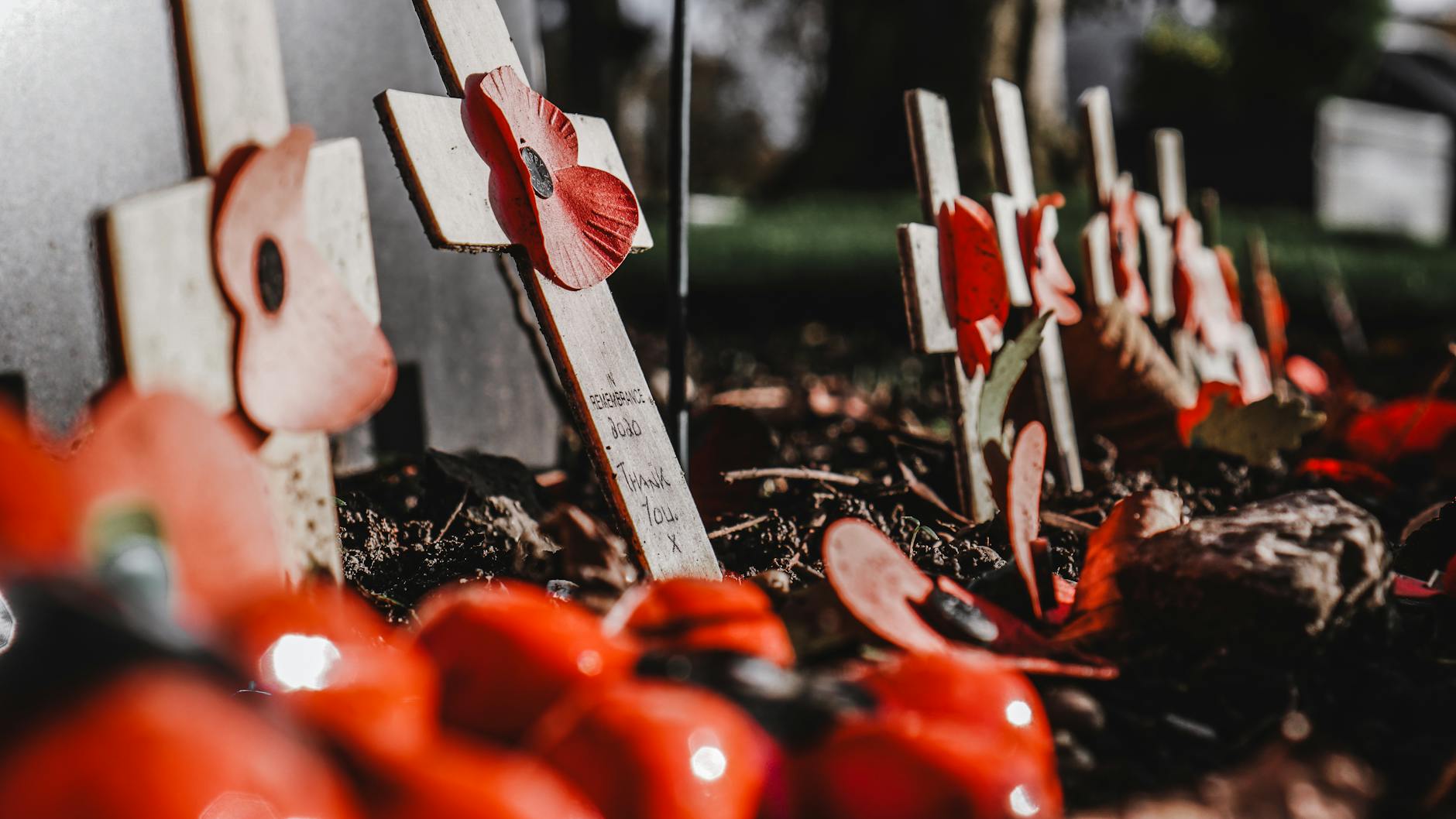
While it’s important to be cautious when comparing today’s world with the era of the Second World War, there are still meaningful lessons to be drawn. VE Day in 1945 symbolised more than just the defeat of a visible enemy; it also marked a triumph over destructive ideologies and deeply rooted fear. In our time, we face different but equally serious threats, ones that may not involve tanks or bombs but still cause disruption and anxiety. Misinformation, manipulation, and attacks on truth are among today’s adversaries. Had social media existed during the war, it likely would have become another front in the struggle for clarity and trust.
Just as people then had to remain alert to defend hard-won freedoms, we too must guard the values we often take for granted. The suffering endured during the war defies comprehension, yet today we continue to see suffering, though in different forms. Many are grieving, many are struggling, and often due to circumstances beyond their control. The threats we face now are not always visible but still challenge our sense of safety and stability. In such times, it becomes even more important to support and uplift each other, to offer reassurance in the face of uncertainty.
Not everyone greeted VE Day with simple joy. Though the war had ended, hardship remained. Food rationing continued, and the task of rebuilding was immense. Likewise, in our age, recovery from recent problems will not be immediate. But we can take inspiration from the resilience and courage shown then. Alongside the heroes of the past, we must celebrate those who serve society today, health workers, teachers, public servants, and countless others who keep daily life going. One of the greatest post-war legacies, the NHS, remains a powerful symbol of care and hope. So today, as we reflect, it’s worth asking: who are your heroes now? And how can you be a source of strength for someone else in the days to come?
Whilst acknowledging the need to tread carefully and sensitively in any comparisons between the Second World War and the current coronavirus pandemic, I believe there are some useful ones we can make to help us in our thought processes and thereby benefit our collective mental health.
VE Day in 1945 reflected a victory over a visible enemy, although also an invisible enemy of evil thoughts and ideas. The enemy we face now is totally invisible and does not care one iota for those it harms. Fake news is not new, they faced it back then; had they had social media, that would simply have been another front on which the war would have been fought. Today, not only in the coronavirus pandemic, we face a war against those who would deceive us. We need to guard our way of life against those who would lie to us, who seek to destroy the freedoms won for us then.
The Second World War was marked by terrible suffering, the like of which is hard to process, along with the inhumanity of it all. Today, many have been devastated by an invisible enemy, and we pause to remember the lives lost and the families and friends grieving.
Back then the world faced life-treatening jeopardy and, for many today, this is the first time we have faced real jeopardy. Yes, I remember the Cold War, but that’s the only threat that comes anywhere near what we face today. There’s fear and anxiety everywhere, and so we need to affirm, encourage and support each like never before. It’s the same for everyone, yet we all have unique circumstances and all react individually.
Back then, not everyone was celebrating, and for those who were it was only a brief celebration. The world faced an uncertain future and there was much rebuilding to be done, it was many years until food rationing was eased for example. In our own time, we might celebrate relaxations to the lockdown, but we still face the reality of an uncertain future and the prospect of rebuilding society. Then it was a collective experience, so it is today and will be for us. I’m neither being optimistic nor pessimistic; just realistically reflecting that there’ll be much to do in the coming weeks, months and years.
Today we celebrate the heroes of yesterday’s battles, but we also celebrate the new heroes in the NHS and all the key workers fighting a very different battle today. Come to think about it, the creation of the NHS was one of the great rebuilding efforts after WWII, and we are reaping its benefits today.
Who are you celebrating today? What can you do to help and support someone today and in the uncertain future?
Postscript: Today is ‘Victory IN Europe Day’, not ‘Victory OVER Europe Day’ as some history revisionists are suggesting for their own agendas.
Note: I chose the photo for this post because it reminds me of my two youngest girls, Pollyanna (2) and Matilda (3).
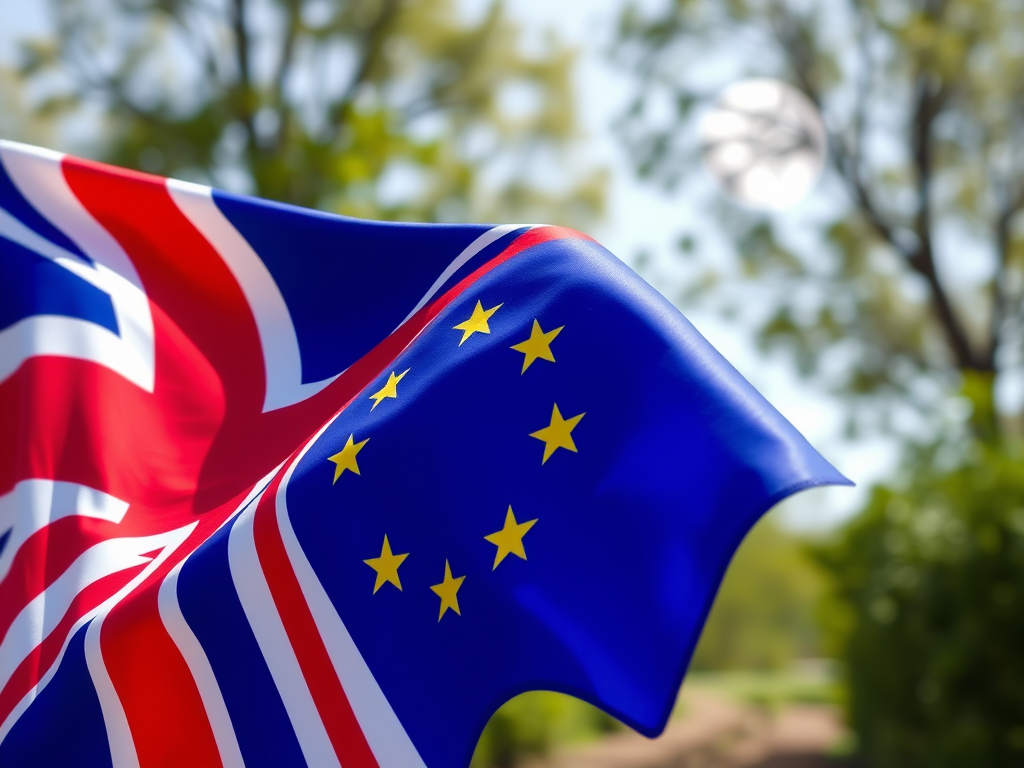
I’ve always considered Brexit to be a mistake, but I understand the motivations of those supporting it: national pride, a desire for independence, and faith in Britain’s ability to succeed on its own. But the world has changed. Britain no longer holds the global power it once did as a colonial empire, and we can’t pretend otherwise. That past structure of influence is gone, and with it, much of the leverage we once relied on. Additionally, much of the rhetoric advocating Brexit was false or misleading, and often xenophobic in tone.
Despite this, we left the EU under the illusion we could thrive independently, yet instead of strengthening the country, Brexit has weakened it. It’s also taken away the freedoms and opportunities we once enjoyed within the European continent.
Brexit promised control and prosperity but has delivered economic strain and fewer opportunities. We’re all feeling it, higher food prices, soaring energy bills, struggling small businesses. UK-EU trade is down 15%, and the economy is set to be 4% smaller long-term; a £100 billion annual hit, or £1,000 per household. Inflation has jumped more than 20% since 2021, while wages have barely moved. Investment has fallen, bureaucracy has grown, and growth has slowed.
Far from taking back control, we gave it away, walking out of the world’s largest trading bloc and isolating ourselves from partnerships that helped us compete globally. The idea of ‘Global Britain’ was never a realistic replacement for EU membership. The US won’t bail us out, and Commonwealth countries are turning to the EU for trade. National pride doesn’t pay the bills, and nostalgia doesn’t drive prosperity.
This isn’t about disloyalty. It’s about honesty. Brexit has failed to deliver on its promises, and continuing down this path is harming the very country we’re trying to protect. The EU wasn’t perfect, but when we were inside, we had influence, access, and opportunity. Rejoining the Single Market isn’t surrender, it’s a step toward recovery. It’s how we can support businesses, lower costs, and rebuild trust.
Brexit has brought decline, division, and disappointment. The empire is gone. We can’t stand alone anymore. It’s time to stop the self-inflicted damage. Let’s rejoin the Single Market. Let’s return to the EU, not because we’re weak, but because we’re strong enough to admit when we were wrong.
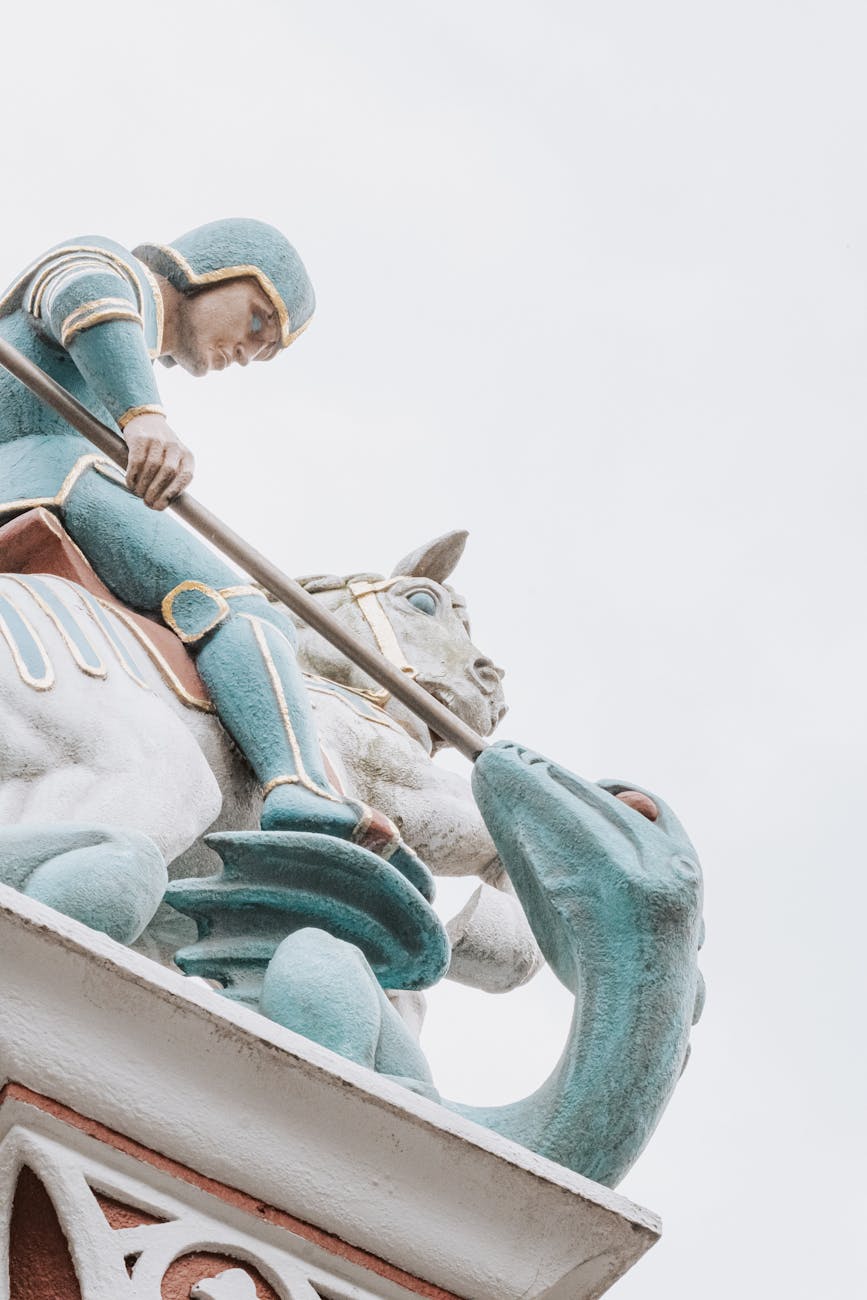
St George is one of the most enduring figures in Christian tradition, revered as a martyr and the patron saint of England. Though much of his life is wrapped in legend, it’s generally believed that George was a Roman soldier born in the 3rd century in Cappadocia, a region in modern-day Turkey. He served under Emperor Diocletian but refused to renounce his Christian faith during a time of intense persecution. For this, he was tortured and ultimately executed, dying around the year 303.
The most famous legend surrounding St George is that of him slaying a dragon. According to the tale, a town was being terrorized by a dragon, and in a bid to appease it, the townspeople offered it sheep, and eventually, their own children. When a princess was chosen to be sacrificed, George intervened, tamed the dragon, and killed it, saving the princess and converting the town to Christianity. While clearly mythical, the story symbolizes the triumph of good over evil and faith over fear.
St George’s cult spread rapidly across Europe during the Middle Ages, and he became a symbol of chivalry and courage. He was adopted as the patron saint of England in the 14th century by Edward III, and his red cross on a white background became a national emblem. His feast day, April 23rd, is still celebrated in many countries. Despite the blurred lines between fact and legend, St George’s legacy remains one of steadfast faith and heroic virtue.
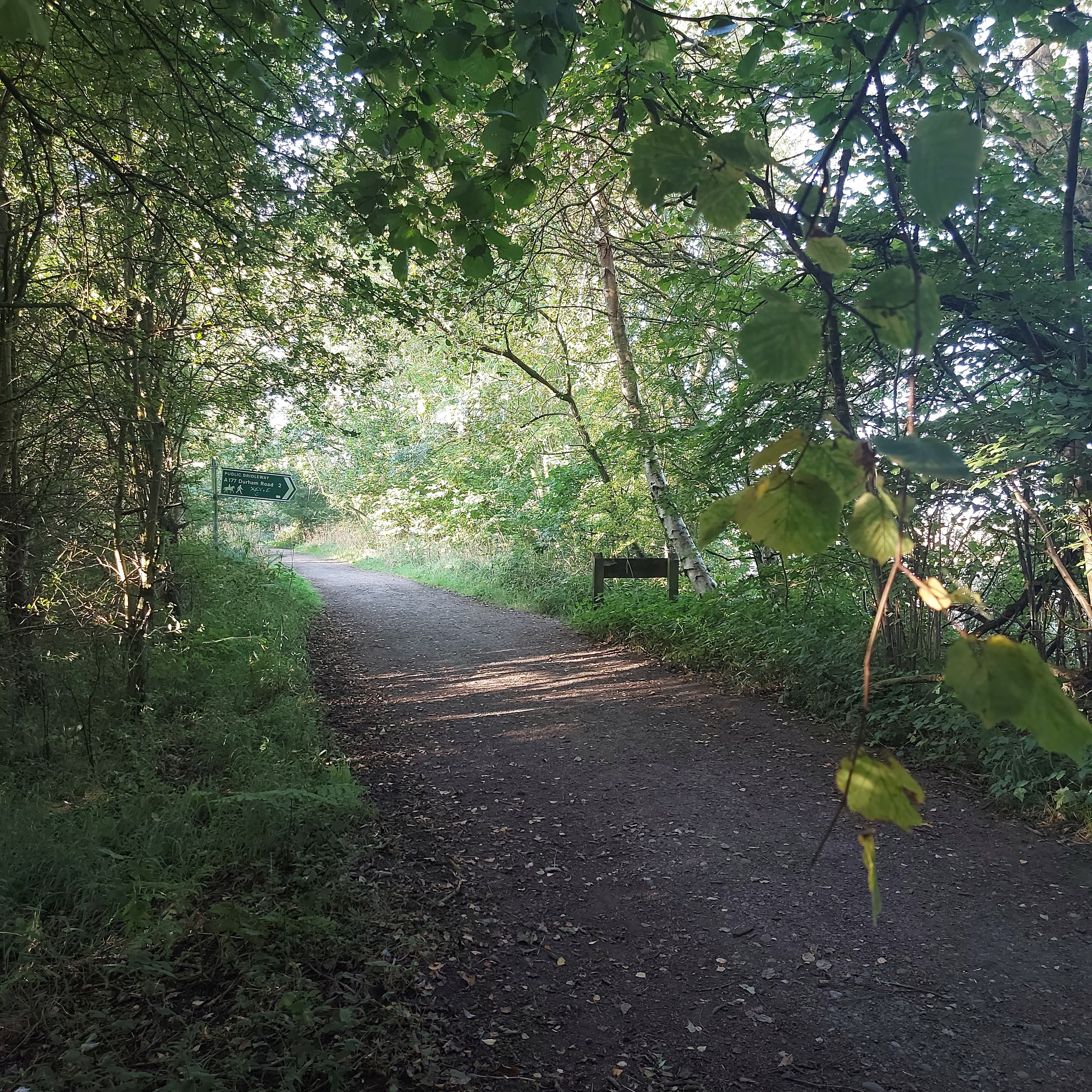
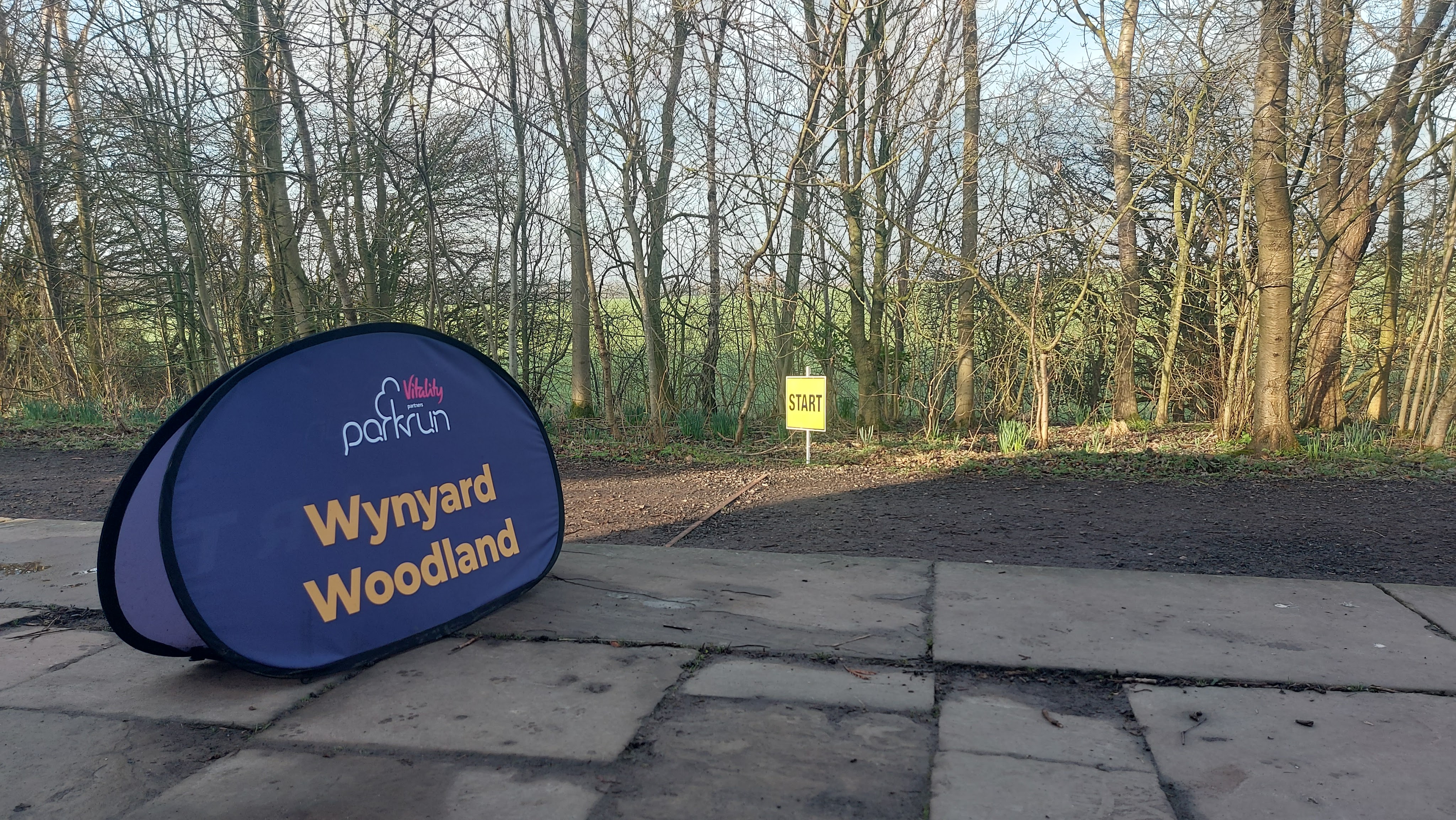
parkwalk is an initiative by parkrun UK launched globally in October 2022 to celebrate parkrun’s 18th anniversary and promote walking as a valued and inclusive part of their weekly 5k events. Recognising that not everyone feels ready to run or jog, parkwalk was designed to break down barriers to participation and support people of all fitness levels, especially those new to physical activity or managing long-term health conditions.
Every Saturday morning, participants gather at local parks across the UK and beyond to walk, jog, or run the 5k course. There’s no time pressure, people are encouraged to go at their own pace. Importantly, the Tail Walker volunteer ensures that no one finishes last, reinforcing the core value that parkrun is for everyone.
In support of the campaign, a new volunteer role called the parkwalker was introduced. Positioned between the runners and the Tail Walker, parkwalkers wear light blue vests and walk the route while offering encouragement and companionship to others walking, helping to foster a stronger sense of community and belonging.
Walking itself brings proven health benefits, such as improved cardiovascular fitness, reduced stress, and better mental wellbeing. According to parkrun, research shows walking 5,000 steps three times per week can significantly lower the risk of early death.
Since its launch, over one million walks have been completed globally, showing that parkwalk has not only increased participation but has also created a more welcoming and inclusive environment for all.
Volunteering at parkrun offers far more than a chance to give back. It brings a host of benefits that positively impact mental, emotional, and even professional wellbeing. Many regular volunteers speak of a deep sense of fulfilment and satisfaction that comes from contributing to the event’s success each week. Studies support this, showing that volunteering can lift mood, reduce stress, and enhance overall wellbeing.
One of the most rewarding aspects of volunteering at parkrun is the sense of community it builds. Whether you’re marshalling, timing, scanning barcodes, or cheering people on, you’re surrounded by like-minded individuals who share a passion for health, connection, and community spirit. These shared moments often lead to lasting friendships and a richer appreciation for the value of local engagement.
Volunteering at parkrun is also a fantastic way to develop and strengthen key life skills. Each role provides opportunities to improve communication, teamwork, problem-solving, and time management. Whether you’re coordinating a finish funnel or supporting first-timers, every task contributes to both personal and professional growth.
From a career perspective, volunteering at parkrun is a valuable addition to your CV. It demonstrates initiative, reliability, and a genuine willingness to contribute to something bigger than yourself. For jobseekers, students, or anyone looking to stand out, regular volunteering shows commitment, people skills, and the ability to work under pressure, all traits employers value highly.
Most importantly, parkrun volunteering can be a journey of self-discovery. It invites you to try new roles, push beyond your comfort zone, and sometimes uncover talents you didn’t know you had. In serving others, you often gain just as much in return, whether it’s confidence, clarity, or simply the joy of making someone’s Saturday morning a little brighter.
Overall, parkrun volunteering is a win-win. It strengthens communities, supports wellbeing, and enriches personal and professional lives. Every barcode scan, every time check, every cheer matters, and so do the people who give their time to make it all happen. Why not have a go?
‘Hey Hey Rise Up’, released in support of the people of Ukraine, sees David Gilmour and Nick Mason joined by long time Pink Floyd bass player Guy Pratt and Nitin Sawhney on keyboards, all accompanying an extraordinary vocal by Andriy Khlyvnyuk of Ukrainian band Boombox. All proceeds go to Ukrainian Humanitarian Relief.




 John Ager's Home on the Web!