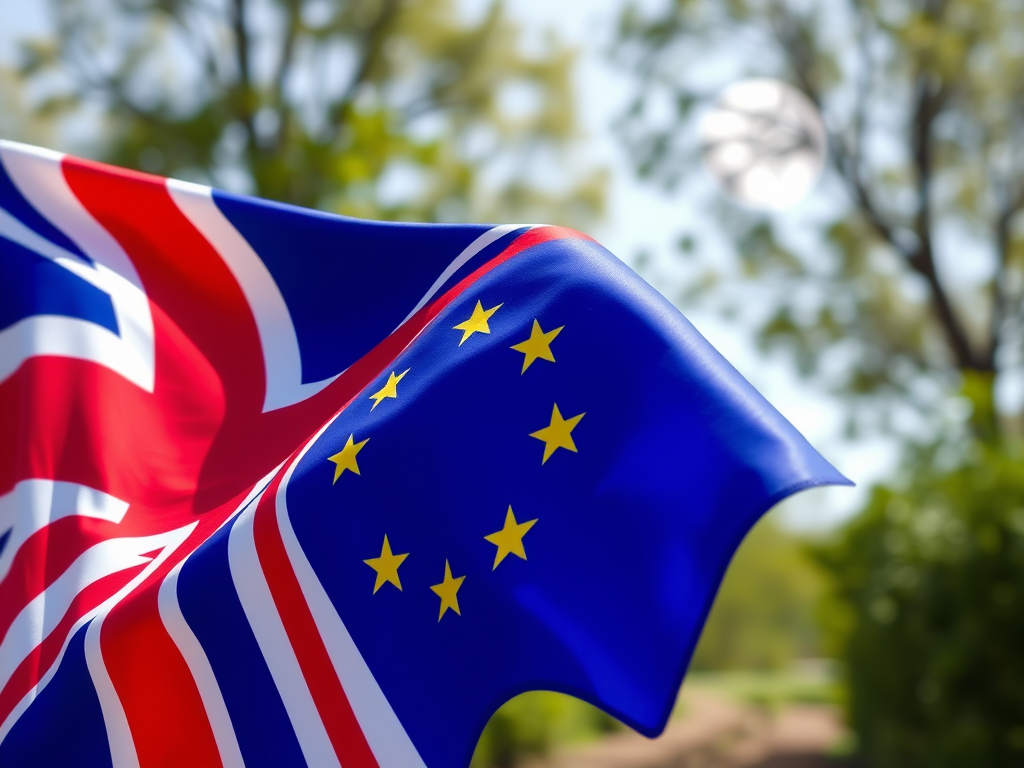
I’ve always considered Brexit to be a mistake, but I understand the motivations of those supporting it: national pride, a desire for independence, and faith in Britain’s ability to succeed on its own. But the world has changed. Britain no longer holds the global power it once did as a colonial empire, and we can’t pretend otherwise. That past structure of influence is gone, and with it, much of the leverage we once relied on. Additionally, much of the rhetoric advocating Brexit was false or misleading, and often xenophobic in tone.
Despite this, we left the EU under the illusion we could thrive independently, yet instead of strengthening the country, Brexit has weakened it. It’s also taken away the freedoms and opportunities we once enjoyed within the European continent.
Brexit promised control and prosperity but has delivered economic strain and fewer opportunities. We’re all feeling it, higher food prices, soaring energy bills, struggling small businesses. UK-EU trade is down 15%, and the economy is set to be 4% smaller long-term; a £100 billion annual hit, or £1,000 per household. Inflation has jumped more than 20% since 2021, while wages have barely moved. Investment has fallen, bureaucracy has grown, and growth has slowed.
Far from taking back control, we gave it away, walking out of the world’s largest trading bloc and isolating ourselves from partnerships that helped us compete globally. The idea of ‘Global Britain’ was never a realistic replacement for EU membership. The US won’t bail us out, and Commonwealth countries are turning to the EU for trade. National pride doesn’t pay the bills, and nostalgia doesn’t drive prosperity.
This isn’t about disloyalty. It’s about honesty. Brexit has failed to deliver on its promises, and continuing down this path is harming the very country we’re trying to protect. The EU wasn’t perfect, but when we were inside, we had influence, access, and opportunity. Rejoining the Single Market isn’t surrender, it’s a step toward recovery. It’s how we can support businesses, lower costs, and rebuild trust.
Brexit has brought decline, division, and disappointment. The empire is gone. We can’t stand alone anymore. It’s time to stop the self-inflicted damage. Let’s rejoin the Single Market. Let’s return to the EU, not because we’re weak, but because we’re strong enough to admit when we were wrong.
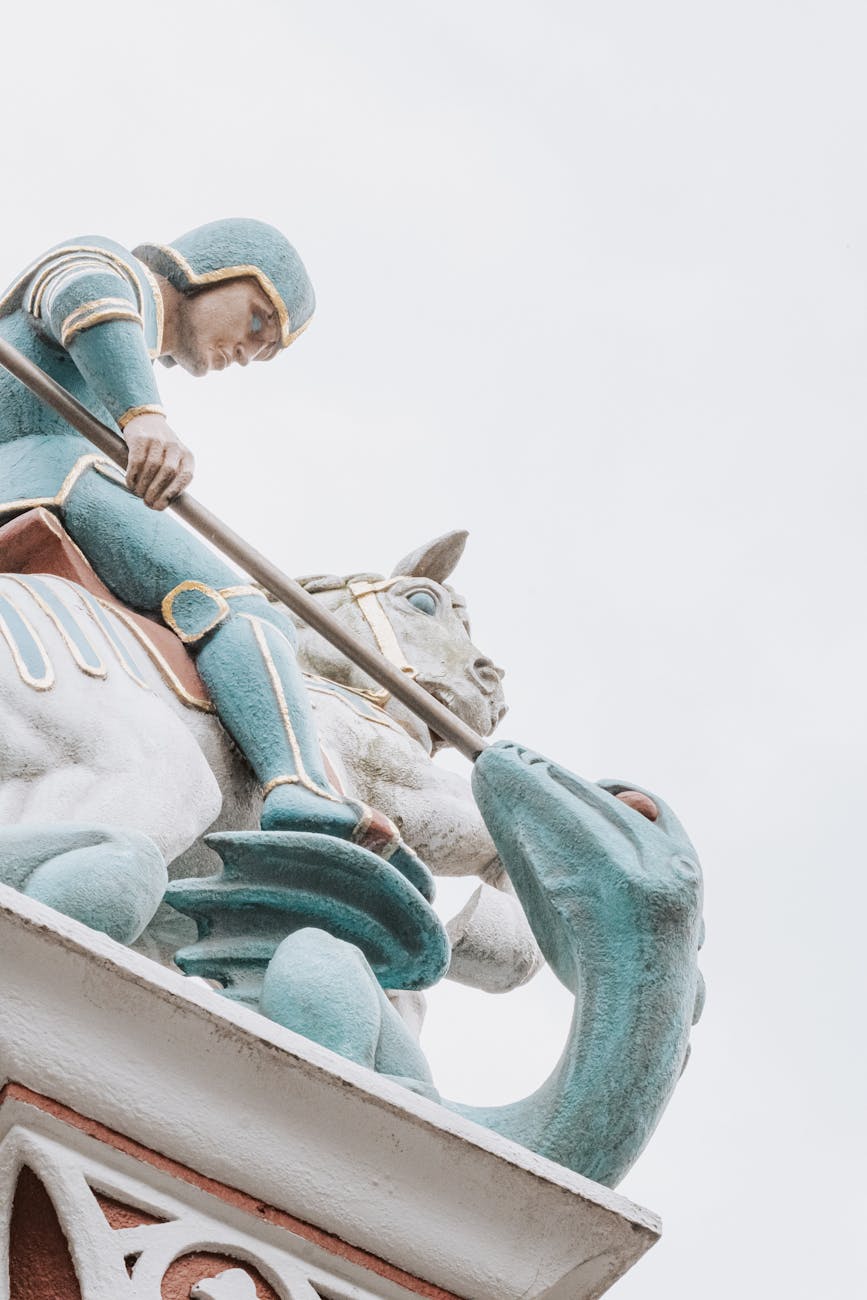
St George is one of the most enduring figures in Christian tradition, revered as a martyr and the patron saint of England. Though much of his life is wrapped in legend, it’s generally believed that George was a Roman soldier born in the 3rd century in Cappadocia, a region in modern-day Turkey. He served under Emperor Diocletian but refused to renounce his Christian faith during a time of intense persecution. For this, he was tortured and ultimately executed, dying around the year 303.
The most famous legend surrounding St George is that of him slaying a dragon. According to the tale, a town was being terrorized by a dragon, and in a bid to appease it, the townspeople offered it sheep, and eventually, their own children. When a princess was chosen to be sacrificed, George intervened, tamed the dragon, and killed it, saving the princess and converting the town to Christianity. While clearly mythical, the story symbolizes the triumph of good over evil and faith over fear.
St George’s cult spread rapidly across Europe during the Middle Ages, and he became a symbol of chivalry and courage. He was adopted as the patron saint of England in the 14th century by Edward III, and his red cross on a white background became a national emblem. His feast day, April 23rd, is still celebrated in many countries. Despite the blurred lines between fact and legend, St George’s legacy remains one of steadfast faith and heroic virtue.
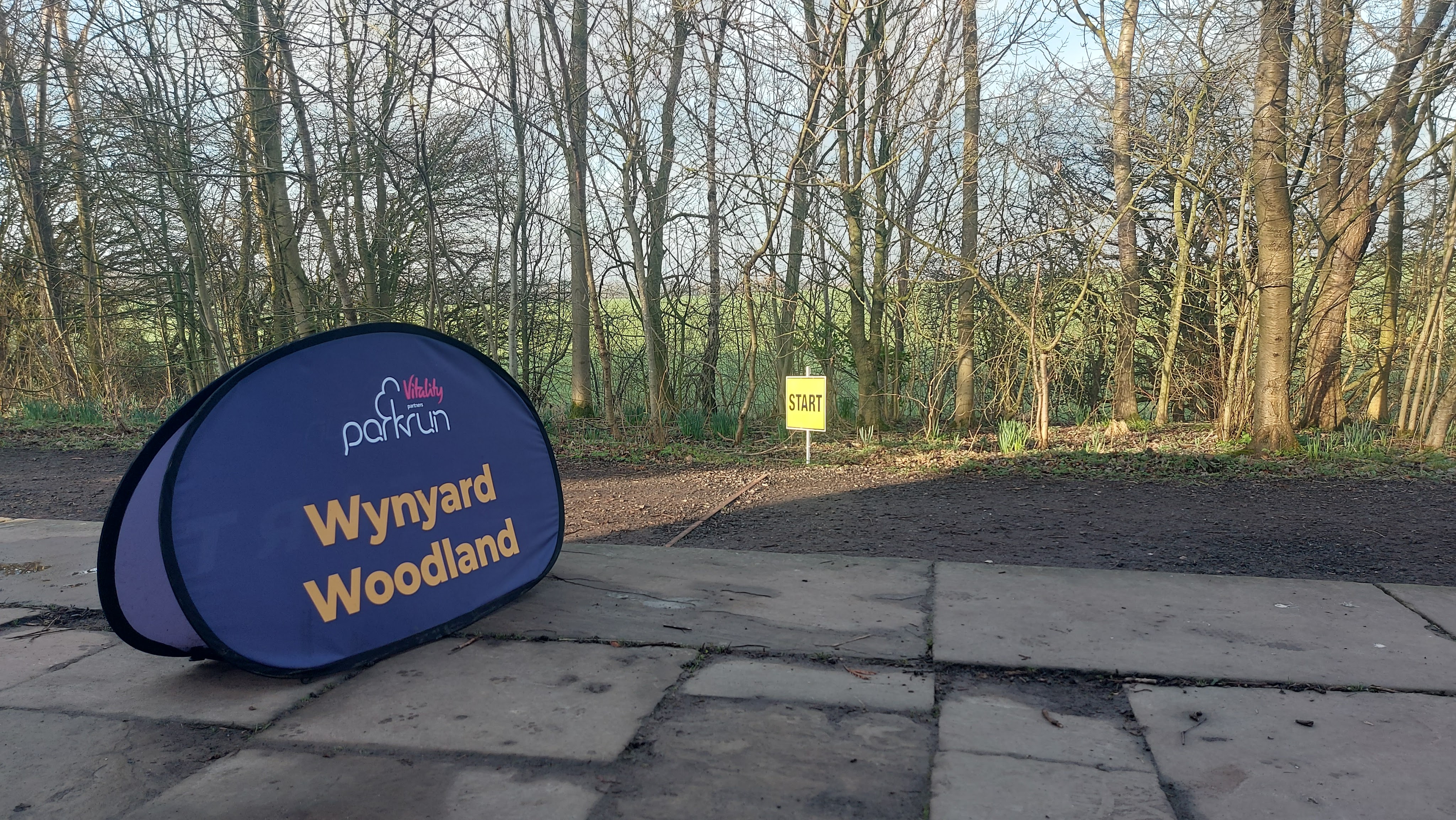
parkwalk is an initiative by parkrun UK launched globally in October 2022 to celebrate parkrun’s 18th anniversary and promote walking as a valued and inclusive part of their weekly 5k events. Recognising that not everyone feels ready to run or jog, parkwalk was designed to break down barriers to participation and support people of all fitness levels, especially those new to physical activity or managing long-term health conditions.
Every Saturday morning, participants gather at local parks across the UK and beyond to walk, jog, or run the 5k course. There’s no time pressure, people are encouraged to go at their own pace. Importantly, the Tail Walker volunteer ensures that no one finishes last, reinforcing the core value that parkrun is for everyone.
In support of the campaign, a new volunteer role called the parkwalker was introduced. Positioned between the runners and the Tail Walker, parkwalkers wear light blue vests and walk the route while offering encouragement and companionship to others walking, helping to foster a stronger sense of community and belonging.
Walking itself brings proven health benefits, such as improved cardiovascular fitness, reduced stress, and better mental wellbeing. According to parkrun, research shows walking 5,000 steps three times per week can significantly lower the risk of early death.
Since its launch, over one million walks have been completed globally, showing that parkwalk has not only increased participation but has also created a more welcoming and inclusive environment for all.
Volunteering at parkrun offers far more than a chance to give back. It brings a host of benefits that positively impact mental, emotional, and even professional wellbeing. Many regular volunteers speak of a deep sense of fulfilment and satisfaction that comes from contributing to the event’s success each week. Studies support this, showing that volunteering can lift mood, reduce stress, and enhance overall wellbeing.
One of the most rewarding aspects of volunteering at parkrun is the sense of community it builds. Whether you’re marshalling, timing, scanning barcodes, or cheering people on, you’re surrounded by like-minded individuals who share a passion for health, connection, and community spirit. These shared moments often lead to lasting friendships and a richer appreciation for the value of local engagement.
Volunteering at parkrun is also a fantastic way to develop and strengthen key life skills. Each role provides opportunities to improve communication, teamwork, problem-solving, and time management. Whether you’re coordinating a finish funnel or supporting first-timers, every task contributes to both personal and professional growth.
From a career perspective, volunteering at parkrun is a valuable addition to your CV. It demonstrates initiative, reliability, and a genuine willingness to contribute to something bigger than yourself. For jobseekers, students, or anyone looking to stand out, regular volunteering shows commitment, people skills, and the ability to work under pressure, all traits employers value highly.
Most importantly, parkrun volunteering can be a journey of self-discovery. It invites you to try new roles, push beyond your comfort zone, and sometimes uncover talents you didn’t know you had. In serving others, you often gain just as much in return, whether it’s confidence, clarity, or simply the joy of making someone’s Saturday morning a little brighter.
Overall, parkrun volunteering is a win-win. It strengthens communities, supports wellbeing, and enriches personal and professional lives. Every barcode scan, every time check, every cheer matters, and so do the people who give their time to make it all happen. Why not have a go?
‘Hey Hey Rise Up’, released in support of the people of Ukraine, sees David Gilmour and Nick Mason joined by long time Pink Floyd bass player Guy Pratt and Nitin Sawhney on keyboards, all accompanying an extraordinary vocal by Andriy Khlyvnyuk of Ukrainian band Boombox. All proceeds go to Ukrainian Humanitarian Relief.
Have you ever wondered why February is the shortest month? OK, maybe not, but I’m going to tell you anyway!
The problem (because that’s what it was) originates from the fact that all calendars were once lunar, and the number of lunar months does not equal the solar year. Additionally, the solar year is not exactly 365 days, and this simply compounds the problem. That’s why we add an extra day occasionally to keep the calendar in line with our annual journey around the Sun.
The problem with February goes back to the Romans, and what have they ever done for us? They used a lunar calendar, but thought it would be a good idea if winter didn’t have months. eventually (around 713 BCE) they added two months (January and February) to the end of the year, because they considered the year started with the spring equinox in March.
There was still a problem for many centuries though, because there was all sorts of tinkering for all sorts of reasons. Julius Caesar eventually initiated calendar reform creating the Julian calendar, but even then there were still problems. The months now had either thirty one or thirty days, but the year was slightly too long. They resolved this by removing one day from February and returning it once every four years.
Having more or less solved the problem, they started counting leap years every three years and messed everything up again. Emperor Augustus corrected the issue, and all was well again – until it was decided to name a month after him. Now his month (I’ll leave you to work out which one) had one less day than the one honouring Julius Caesar (you can work it out), and that was out of the question.
So, what did they do? They took another day off poor February and added it to August, obviously! Hence, February has only twenty eight days, except in a leap year. There just remained a little adjustment to the months after August, so as to avoid having three consecutive months with thirty one days.
Note: Many centuries later, most of the world moved to the Gregorian calendar, but that’s another story.
Years ago, you might have seen the Beatitudes embroidered and framed. Unfortunately, this could so easily rob them of their radical, prophetic, and subversive power, being regarded as twee and restrained rather than powerful and revolutionary.
The Beatitudes challenge conventional wisdom by reversing societal values: the weak are strong, the humble are exalted, and suffering leads to divine blessing. They encourage believers to reflect Christ’s character and embrace a countercultural way of living. These teachings provide comfort and assurance, affirming that God’s kingdom operates on different principles than worldly systems, offering hope to the marginalized.
As a blueprint for Christian ethics, the Beatitudes influence theology, spirituality, and social movements. They call believers to embody love, justice, and humility, shaping both personal conduct and community interactions. Found in Matthew 5:3–12 and partially in Luke 6:20–23, they express core Christian teachings, revealing the qualities of a life blessed by God. Each Beatitude presents a paradox, contrasting worldly values with God’s ideals. The term “beatitude” comes from the Latin beatus, meaning “blessed” or “happy.”
More than moral instructions, the Beatitudes declare divine favour on those who embody humility, mercy, and righteousness. In Jesus’ time, they challenged traditional views on power and success, urging trust in God, solidarity with the suffering, and a pursuit of justice. Christians are called to be pure of heart and endure persecution for righteousness.
The Beatitudes reveal God’s nature and kingdom, holding believers accountable, as seen in the parable of the sheep and goats in Matthew 25, where judgment depends on how we treat the poor. Jesus himself exemplified them, living in spiritual poverty and meeting people’s needs, as seen in Matthew 15. Charles Spurgeon noted that true meekness withstands persecution, just as Christ did on the cross.
One thing is framing them in homes, quite another is framing them within the home of our hearts.
Ultimately, the Beatitudes encapsulate discipleship, teaching that true fulfillment lies in humility and mercy. By embracing their paradoxes, we align with Christ’s values, living out God’s kingdom now and into the future.
Not as many books read as I’d hoped, as my aim was 24 in 2024.
The Hobbit (J. R. R. Tolkien) I enjoyed listening to this while walking Rufus.
Everything Is F*cked (Mark Manson) Don’t be put off by the title, an excellent book to guide you through life and manage your expectations and mental health.
Tin Men (Christopher Golden) Great science fiction with a good human element and twists.
Alien (Alan Dean Foster) A novel based on the movie, what happens when you don’t listen to a smart woman with a cat.
She/He/They/Me (Robyn Ryle) An interactive book that guides you through the issue of gender, your journey depends on your answers to questions.
Wrong Place Wrong Time (Gillian McAllister) A journey backwards in time to understand a murder.
Eating Robots (Stephen Oram) Short stories that anticipate the near future of technology, often shocking.
Biohacked & Begging (Stephen Oram) Another series of short stories to pull you up sharp and challenge your thinking.
Fathomless Riches (Rev. Richard Coles) A brutally honest autobiography that covers attempted suicide, time in a mental hospital, London’s gay scene, drugs, pop stardom, broadcasting, writing, and life as a vicar – and that’s just for starters! Not for the easily offended.
Beyond the Burn Line (Paul McAuley) A science fiction novel set in the distant future that addresses big issues. I rarely give up on a book but, like many other people, I gave up with this one. My advice, avoid like the plague!
How to Sleep Well (Dr. Neil Stanley) An excellent book covering all aspects of sleep.
Aliens (Jim Al-Khalili/Editor) A comprehensive study about the possibility of life elsewhere in the universe from a variety of authors and experts.
Night Sky Almanac 2024 (Storm Dunlop & Wil Tirion) This is a yearbook I wouldn’t be without; each year’s edition is always by my side.
So, my aim is now at least 25 in 2025, and I’m off to a good start.
My twenty favourite albums of 2024 are largely connected by being works of maturity (including Billie Eilish) with the remaining albums showing great originality. I’ll let you discover which is which as all these albums demand careful and repeated listens. As with most albums, they should be listened to in their entirety as presented (not shuffled).
The twenty albums are listed and described below. My top five (in alphabetical order of artist and marked with an asterisk) are The Cure, David Gilmore, Jon Anderson & The Band Geeks, Nick Cave & The Bad Seeds, and Stuckfish. All five are worthy of the top spot, but I couldn’t decide. If pushed, I’d say The Cure is my number one album of the year.
Lives Outgrown (Beth Gibbons) – This is the debut solo studio album by Beth Gibbons, the singer of the group Portishead. She wrote the album over a decade, with topics specific to nearing the age of 60, including motherhood, anxiety, menopause, and mortality. The album reflects on the deaths of family and friends over several years.
Hit Me Hard and Soft (Billie Eilish) – Billie Eilish hasn’t always hit the musical spot for me, apart from some notable exceptions. But, at an incredibly early age, she has produced a masterpiece with this album, it speaks to both the mind and heart. A true work of maturity.
Songs of a Lost World (The Cure)* – A mind-blowing album from Robert Smith and The Cure. It both laments the lost of loved ones and uplifts the spirit, there’s light in the darkness. It’s arguably the most personal album of Smith’s career. Let the entire album flood your heart and soul.
Down the Hill (Cousin Silas) – This is a really excellent ambient album from my friend David Hughes, it’s relaxing and reflective. You can find this album on Bandcamp.
The Derelict (Cousin Silas) – Another favourite from Cousin Silas, this time some dark ambient inspired by the original Alien movie and scenes of the alien ship, both external and internal, the corridors, and the alien pilot room. As before, this album can be found on Bandcamp.
Luck and Strange (David Gilmour)* – The legendary guitarist of Pink Floyd needs no introduction, and this is an album of both maturity and creativity. His daughter Romany features on the album as does the keyboard playing of the late Richard Wright from 2007. David Gilmour said that his producer (Charlie Andrew) challenged him musically and was not intimidated by his past work with Pink Floyd. He also considers it to be some of his best work.
This Could Be Texas (English Teacher) – The debut studio album by the English Teacher. It drew acclaim from critics and won the 2024 Mercury Prize. It’s been described as a truly original effort from start to finish, an adventure in sound and words, and a landmark statement.
Mountainhead (Everything Everything) – This concept album takes place in a fictional world wherein all of society is consumed with the building of a giant mountain. However, the twist in the story is that the people would have to dig a deep hole and live in it in order to build the mountain. Furthermore, at the bottom of the pit lives a giant golden snake that they have to escape. It represents an alternate society where those at the bottom have to work relentlessly to keep the elite elevated.
Romance (Fontaines D.C.) – This is the fourth studio album from this Irish rock band, one in which they have moved on from their previous work. Inspired by Japanese manga and Italian cinema, they search for truth in a world gone wrong.
True (Jon Anderson & The Band Geeks)* – What can I say? Jon Anderson is the voice of Yes, and this is like getting a new Yes album. Fantastic progressive rock.
Ritual (Jon Hopkins) -This is an album to feel or (equally) one to listen carefully and deeply. It works on both levels. An ambient album from a master of electronic music.
In a Landscape (Max Richter) – Another album of reflective music, this time from a master of classical minimalism.
Wild God (Nick Cave & The Bad Seeds)* – This is a magnificent album by the wonderful Nick Cave, released to universal acclaim.
A Matter of Time (Shed Seven) – Shed Seven passed me by first time around, but I decided to give this album a listen. There’s nothing original here, except an album full of good songs created by a group that clearly enjoy making music. It’s a case of the whole being greater than the sum of the individual parts.
Wall of Eyes (The Smile) – This is the first of two albums released this year by the Radiohead spin-off group. As a Radiohead fan it’s unsurprising that both albums feature in my favourites. Having said that, both were released to universal acclaim.
Cutouts (The Smile) – The second of the two albums is more challenging and prioritises atmosphere over conventional song writing. The lyrics address capitalism, climate change denial, and socio-political dread.
All Born Screaming (St. Vincent) – Anne Clark, known professionally as St. Vincent, has made the album whose title she’s had in her head for nearly twenty years. She wasn’t ready then, but felt the time was right now. It’s a uniquely personal album and is self-produced, to truly render the sounds in her head and maintain a greater control over her own work.
Ensoulment (The The) – A late night listening album (long in the making) from the wonderful Matt Johnson and The The.
Confidenza Soundtrack (Thom Yorke) – I’m not a great fan of soundtrack albums, but this one by Thom Yorke of Radiohead stands tall on its own. One for everyone, but especially Radiohead fans.
Stuckfish IV (Stuckfish)* – This is the fourth album (obviously) from a melodic progressive rock group based in Northumberland. Philip Stuckey is a friend, although I haven’t had the chance to hear them live. They deserve wider recognition. Find them on Bandcamp.
James 2:1-10 addresses favouritism within the Christian community, particularly regarding the treatment of rich and poor. This passage questions whether showing partiality aligns with genuine faith in Jesus Christ, presenting a scenario where a wealthy person is given preferential treatment over a poor person.
James emphasises that God has chosen the poor to be rich in faith and heirs of his Kingdom, pointing out the irony that the rich, often shown favouritism, typically oppress believers.
The author introduces the ‘royal law’ of loving one’s neighbour as oneself, arguing that showing favouritism violates this principle, like breaking the whole law.
James 2:11-17 continues by discussing the ‘law of liberty’ and the relationship between faith and works. James warns that judgement without mercy will be shown to those who have not been merciful, emphasising the importance of compassion in Christian living.
The passage concludes by stressing the crucial relationship between faith and works, arguing that faith without action is dead. James illustrates this with an example of encountering a person in need and offering words without practical assistance, emphasising that true faith is demonstrated through actions.
May we demonstrate our faith every day through an attitude of understanding that results in beautiful actions of love without favouritism.







 John Ager's Home on the Web!