Staying Friends on Social Media

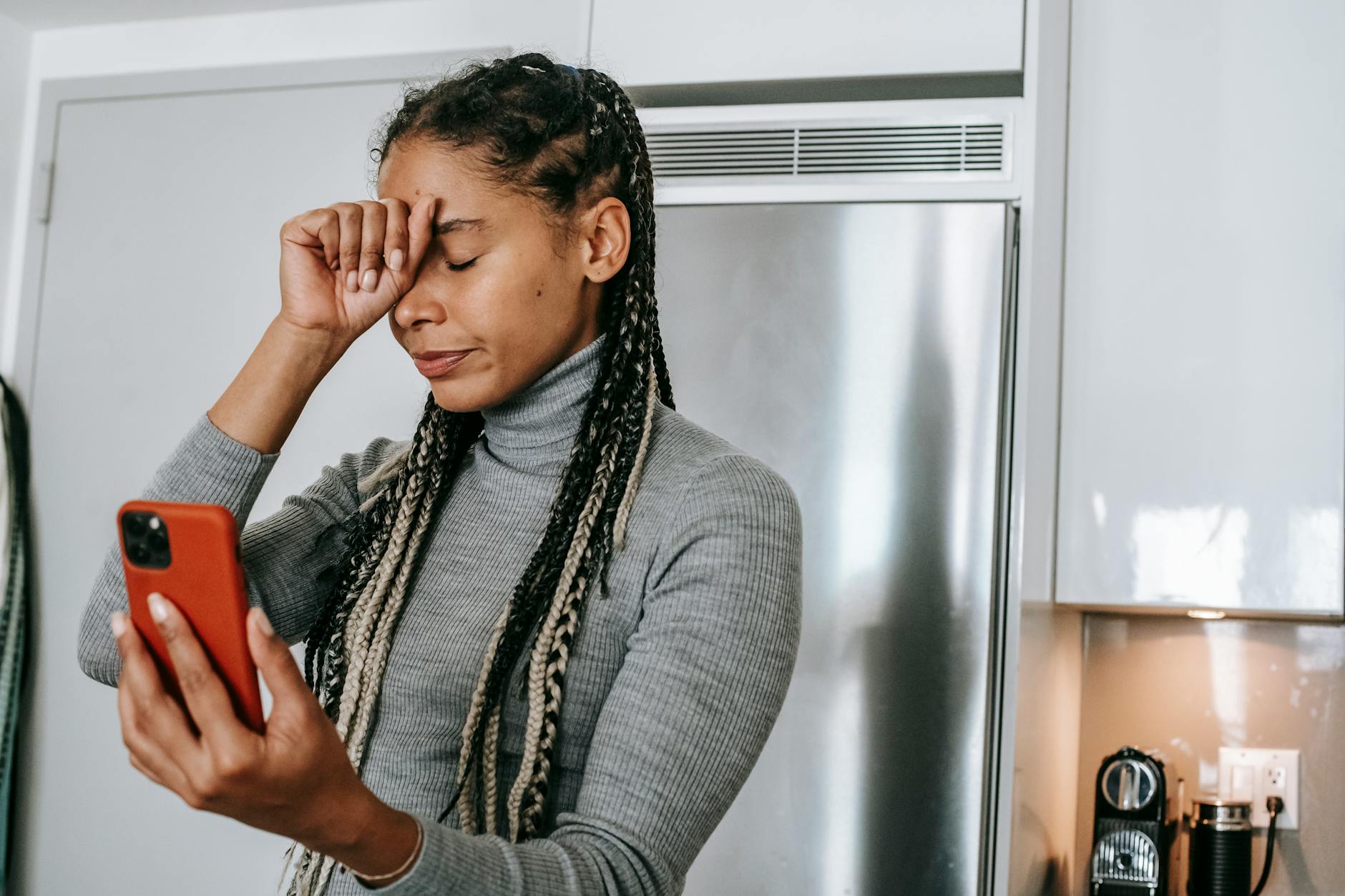
The algorithms of social media often ensure that we live within an echo chamber of friends who share our outlook on life. Yet not everyone agrees with us, nor do we always agree with others. The adage of ‘agreeing to disagree agreeably’ sometimes goes out of the window when passions run high, and social media can act as a catalyst to entrench our opinions and polarise debate.

In an increasingly divisive society, we may need to relearn the simple art of being kind, affirming one another and appreciating diversity. When I post something on Facebook, I expect disagreement, but I don’t expect rudeness. People can become so angry that others hold a different, well-considered opinion, one that may be part of their very identity.

Often on social media there’s no real engagement with the issue at hand, just a loud alternative opinion shouted into the void, with little sense of nuance or listening. We aren’t heard by shouting. There must be respect, both for ourselves and for others. It’s also perfectly acceptable to acknowledge the merits of someone else’s position, even if we don’t share it.

Please don’t think I’m claiming to be perfect in this regard, I’m not. But I do believe we all need to take a careful, humble look at how we respond to what’s posted on Facebook and social media in general.

Personally, I approach this as a person of faith. Many of my attitudes, thoughts, and actions flow from that and shape who I am. Paul, writing to the Philippians, said: Do nothing out of selfish ambition or vain conceit. Rather, in humility value others above yourselves, not looking to your own interests but each of you to the interests of the others.

Here lies the heart of the matter, Paul’s call to have the same mindset as Christ Jesus. Be kind to each other.

Note: Originally published in 2020.

Why Doom-Scrolling is Addictive

Doom-scrolling is addictive because it taps into deep instincts that once helped us survive but now keep us glued to screens. It plays on the brain’s reward and threat systems at the same time. When we scroll, we’re seeking information, especially about danger or uncertainty, which the brain interprets as staying safe.

In the past, being alert to threats was vital; now that instinct locks us into endless feeds of bad news.

Each swipe brings something new, and that unpredictability releases dopamine, the same chemical linked to gambling or social media likes. Sometimes we find shock, sometimes relief or outrage, and each hit keeps the cycle going. This variable reward system makes the habit stronger.

There’s also a strange comfort in doom-scrolling, it gives an illusion of control. In anxious times, we try to manage uncertainty by consuming more information, as if knowing enough will protect us. Instead, it feeds stress and helplessness.

Digital platforms amplify the effect. They’re built to maximise engagement, showing emotionally charged content that provokes fear or anger, because strong emotions keep us scrolling. The more we scroll to calm anxiety, the deeper it pulls us in. Breaking the pattern means recognising what’s happening and setting clear boundaries; curating calmer news sources, limiting screen time, or replacing the habit with something that restores peace and presence.

Reclaiming Your Digital Life

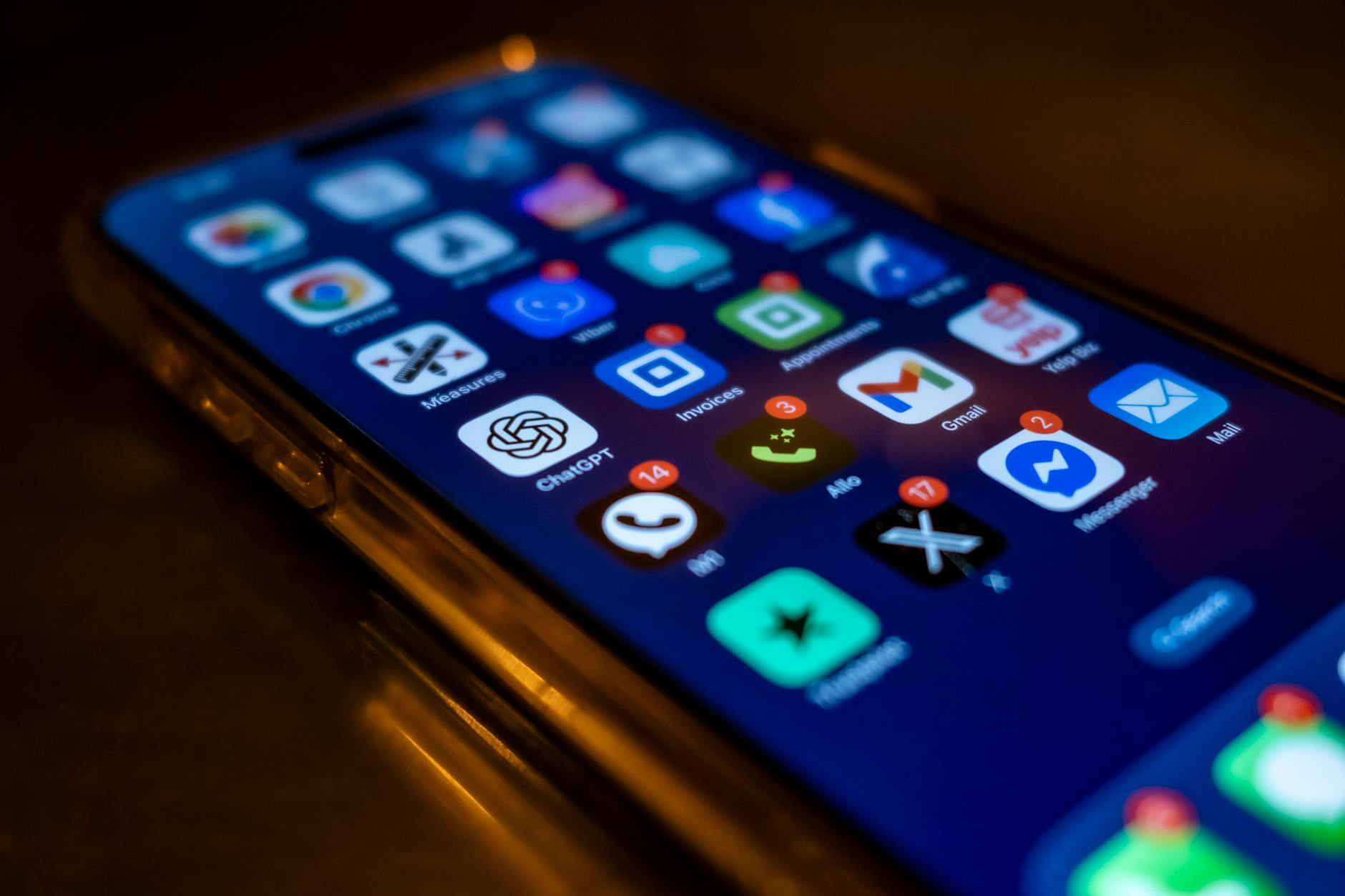
All the apps on your smartphone are designed to draw you in, and this can be unhealthy. So, think about turning OFF notifications and choosing when you access social media and the like.

Every ping, buzz, and pop-up is crafted to capture your attention, keeping you scrolling longer than you meant to. What begins as a quick check of messages or news often turns into half an hour lost to endless feeds and fleeting updates. These platforms aren’t neutral; they’re engineered to manipulate human psychology, using likes, alerts, and endless refresh loops to reward your brain just enough to keep you hooked.

It’s easy to feel that you’re in control because you choose what to click, but often it’s the algorithms choosing for you. They decide what you see, what you think about, and how long you stay. Over time, this constant digital noise can increase anxiety, shorten your attention span, and leave you oddly unsatisfied.

Breaking free doesn’t mean rejecting technology altogether. It means reclaiming your time and focus. Try setting boundaries; keep your phone out of reach during meals, resist checking it first thing in the morning, and take moments of quiet without the screen. Notice how your thoughts clear, how real conversations deepen, how silence feels less awkward.

You’ll discover that connection, creativity, and calm are still possible beyond the glow of your phone. Take back control. Don’t let the apps control you. Apps are tools NOT masters. Life is more important.

How to be a Peacemaker

Peace is a wonderful state of being free from conflict, violence, and war. It’s a condition of harmony, tranquility, and stability that we all strive for. In a broader sense, peace is a universal human aspiration that transcends geographical boundaries, cultures, and ideologies. It’s a fundamental human need that’s essential for individual and collective well-being.

Internal peace is a state of inner calm and contentment, free from mental and emotional turmoil. It’s a state of being that allows individuals to feel at peace with themselves and their surroundings. Imagine being able to wake up every morning feeling refreshed, renewed, and ready to take on the day.

On the other hand, external peace is a state of harmony and stability in relationships, communities, and societies. It’s a state where individuals and groups can live together in mutual respect and understanding. Just think about it – a world where everyone gets along, and we can all live in harmony with one another.

Global peace is a state of international cooperation, understanding, and peaceful resolution of conflicts. It’s a state where nations and international organizations work together to address common challenges and promote peace and stability. Can you imagine a world where countries put aside their differences and work together for the greater good?

Achieving peace requires effort and commitment from individuals, communities, and nations. It involves promoting understanding, tolerance, and empathy, as well as addressing the root causes of conflict, such as poverty, inequality, and injustice. We can all play a role in creating a more peaceful world by being kind, compassionate, and open-minded.

Peace is a dynamic and ongoing process that requires continuous effort and dedication. It’s not a static state that can be achieved once and for all, but rather a continuous journey that requires constant attention and commitment. But the benefits of peace are so worth it – improved mental and physical health, increased economic growth and development, enhanced social cohesion and community engagement, and greater international cooperation and understanding.

So, let’s work together to create a more peaceful and harmonious world where individuals and communities can thrive. We can do this by educating ourselves and others about the importance of peace, engaging in respectful dialogue, and promoting human rights and dignity. Together, we can make a difference and create a brighter, more peaceful future for all.

VE Day: Resilience in Modern Times

While it’s important to be cautious when comparing today’s world with the era of the Second World War, there are still meaningful lessons to be drawn. VE Day in 1945 symbolised more than just the defeat of a visible enemy; it also marked a triumph over destructive ideologies and deeply rooted fear. In our time, we face different but equally serious threats, ones that may not involve tanks or bombs but still cause disruption and anxiety. Misinformation, manipulation, and attacks on truth are among today’s adversaries. Had social media existed during the war, it likely would have become another front in the struggle for clarity and trust.

Just as people then had to remain alert to defend hard-won freedoms, we too must guard the values we often take for granted. The suffering endured during the war defies comprehension, yet today we continue to see suffering, though in different forms. Many are grieving, many are struggling, and often due to circumstances beyond their control. The threats we face now are not always visible but still challenge our sense of safety and stability. In such times, it becomes even more important to support and uplift each other, to offer reassurance in the face of uncertainty.

Not everyone greeted VE Day with simple joy. Though the war had ended, hardship remained. Food rationing continued, and the task of rebuilding was immense. Likewise, in our age, recovery from recent problems will not be immediate. But we can take inspiration from the resilience and courage shown then. Alongside the heroes of the past, we must celebrate those who serve society today, health workers, teachers, public servants, and countless others who keep daily life going. One of the greatest post-war legacies, the NHS, remains a powerful symbol of care and hope. So today, as we reflect, it’s worth asking: who are your heroes now? And how can you be a source of strength for someone else in the days to come?

Ed Balls Day (2011)

13062125_909226729186952_4467546217560951853_n

Ed Balls Day is a bit of fun and the stuff of nonsense. It celebrates and remembers the day (28 April 2011) when British politician Ed Balls tweeted his name thinking he was entering it into a search box.

Since then […] every year Twitter rejoices in the madness of the internet gaffe and marks Ed Balls Day. Source

A simple mistake has made him the Patron Saint of Simple Mistakes. To his credit, he hasn’t deleted the tweet, it remains on Twitter in all its pomp and glory, although at the time he didn’t know it was possible to delete them.

It’s a day to look forward to, it’s a day to enjoy with family and friends, it’s a day to share with others. It’s a day that unites everyone. Whatever your race, colour, or creed, everyone can enjoy Ed Balls Day.

Some bemoan the fact that’s it’s become too commercialised these days, having lost its true meaning. So, however you celebrate, make sure it’s significant.

Yes, it’s a bit of fun, but at its heart is the positive affirmation of simple mistakes and a willingness to own them.

Living in a Social Media Bubble

Oxford Dictionaries decided that the word post-truth (or is that two words?) should be Word of the Year for 2016. They defined it as an adjective ‘relating to or denoting circumstances in which objective facts are less influential in shaping public opinion than appeals to emotion and personal belief’. Two major news events of 2016 illustrated how untruths (or should I just say lies?) were an illustration of this; namely, the debate prior to the UK referendum vote to leave the European Union and the campaign that resulted in the election of Donald Trump in the United States of America.

Many people were surprised by these two events, and one explanation is the so-called social media bubble. This is a phenomenon which links us to like-minded friends and others, sharing and liking similar news stories, views, and opinions. The algorithms of Facebook (and the like) can decide our friends for us, as those with similar views. Yes, this goes on in the everyday world, but the effect is magnified by the very nature of the medium. It’s like living in an echo chamber.

Many were surprised by Brexit and Trump because they weren’t aware of many people who favoured them. They just weren’t in their circle of friends, or they possibly kept quiet. Add to this the problem of hoaxes, fake news and unreliable quotes, and things can get quite messy. What is truth in a post-truth world after all? Falsehoods are easily spread by people unwilling (or too busy) to make a simple check of their veracity. Google can be your friend, or possibly your false-friend, who knows anymore?

In the space of two days I heard both Brian Eno and Laurie Anderson speak about the feature on Amazon that shows what other people bought after you’ve made a purchase. Another example of the bubble effect? Wouldn’t it be better to have a reverse filter suggesting what they didn’t buy? We can so easily inhabit an echo chamber.

Shouldn’t we be reaching out those with different opinions to our own and seeking to understand?

Staying whole in a fractured world

The world can be a confusing and unsettling place, especially with technology at our fingertips and 24/7 news. Making sense of it all can take its toll on our inner life. In this context, preserving our mental health is essential.

Here’s some strategies that work for me:

Limit your news consumption. Constant exposure to distressing news can lead to anxiety and stress. Set aside specific times to check the news and avoid it during the rest of the day. Consider turning off news notifications on your devices.

Choose reliable news sources. Verify the credibility of the news sources you follow and ask questions, such as, why is this person saying a certain thing, for example. This can reduce fear and uncertainty.

Focus on what you can control. It’s easy to feel powerless in the face of global crises. Concentrate on actions you can take in your own life, like supporting local charities, volunteering, or making environmentally conscious choices.

Establish a daily routine to bring stability and predictability. Regular sleep patterns, exercise, and work schedules can all help you maintain a sense of normality. Do what works for you.

Talk to people. Human connection is vital for mental wellbeing. Even when you can’t meet in person, stay connected with friends and family through phone calls, video chats, or online social groups. Sharing your feelings and experiences can be comforting. Smile at people and talk to strangers.

Develop the art of self-care. Dedicate time to activities that help you relax and unwind. Exercise, meditation, deep breathing, and hobbies can all reduce stress and improve your mood.

Seek help. If you find yourself struggling to cope with the constant stream of negative news, don’t hesitate to reach out for professional help. A therapist or counsellor can provide valuable guidance and support.

Stay informed, but not obsessed. Whilst staying informed is important, obsessing over the news can lead to information overload and increased anxiety. Set boundaries and avoid overconsumption.

Remember, preserving your mental health is a priority, it’s okay to take breaks from the news and practice self-compassion. By implementing these strategies, you can better navigate a world of bad news while maintaining your mental wellbeing.

Security for Facebook

My observation of comments on Facebook (and other social media sites) suggests that there is considerable confusion between cloning and hacking.

Cloning does NOT involve someone getting into your account, so your password isn’t compromised. Hacking (on the other hand) DOES mean that someone has gained unauthorised access to your account, and you will need to regain control and change your password.

So, cloning a Facebook account is NOT hacking; it’s when someone copies your personal details and tricks your friends and others into thinking it’s you. It can happen because your security settings allow the public to see your friends list. Cloning can’t be prevented, but it’s less likely if you set the visibility of your friends list to [Friends only].

You can prevent hacking (when your account IS compromised) by setting up two-step verification; this simply involves a verification code being sent to a previously nominated mobile phone when there’s a login attempt from any new browser or device. This way, you are alerted to someone attempting to hack your account before it happens and can deal with it.

Two-step verification is widely available for many apps and websites.

People often complain about Facebook (and rightly so sometimes), but the tools needed to limit cloning or prevent hacking are already available and have been for a considerable time. They take little effort to set up, but may prevent big problems later on.

Spend a few minutes every so often to review your security settings on Facebook and other websites, you know it makes sense.

See also: Spotting Hoaxes and Scams Online

Spotting Hoaxes and Scams Online

I’m sometimes amazed at the things people share on Facebook and other social media sites without first checking their veracity. NO, Facebook doesn’t have a new algorithm that limits the number of friends you see, and NO, your favourite supermarket isn’t going to give £75 to every customer – just STOP and think before sharing.

There’s a fantastic way of checking if something is a hoax or a scam, it’s called Google. If you come across something you think might be a hoax or scam on Facebook or elsewhere, simply Google it and add the word ‘hoax’ or ‘scam’ to the search terms. Always works for me. There’s also a couple of useful sites for checking; namely Snopes and Hoax Slayer, and both have a presence on Facebook.

Fake news is something else altogether, that’s sometimes more difficult to spot; but also watch out for satirical sites before reacting. Think before sharing, if it looks dodgy it probably is. Rant over!

See also: Security for Facebook