Truth Twisting, Science Silenced

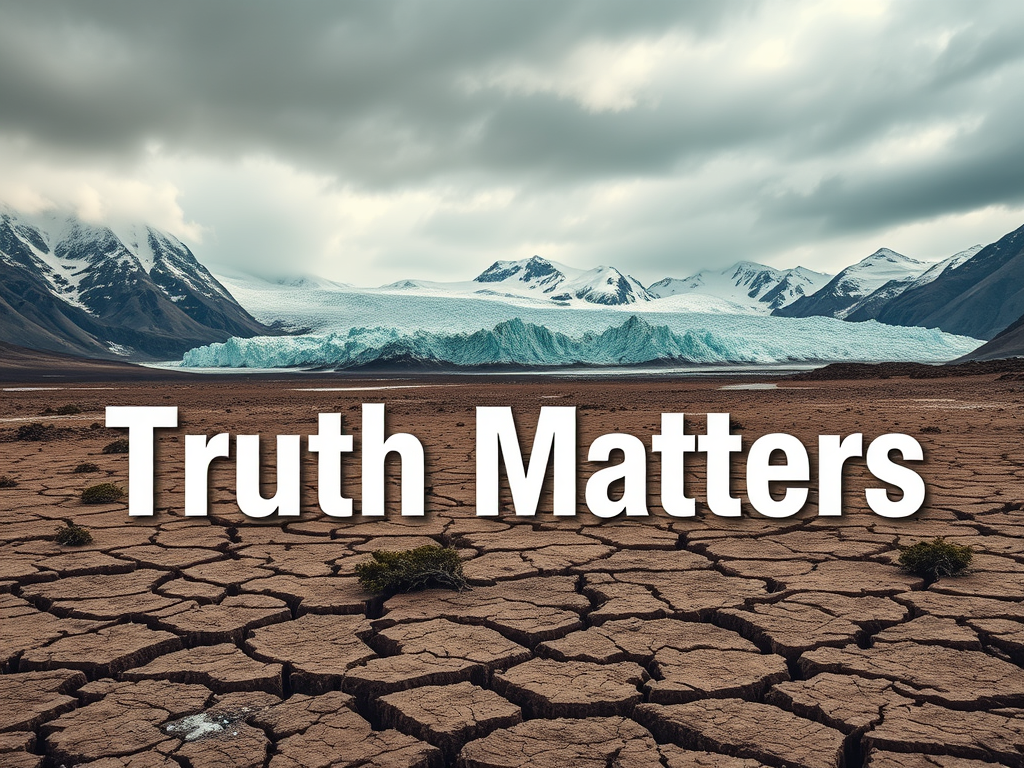
There’s a quiet but deeply troubling shift when official US government websites remove or rewrite scientific information about global warming. When the causes of climate change are presented as though they arise only from natural cycles, and when references to fossil fuels, rising emissions, or well-established impacts are deleted, something essential is lost. Science depends on clarity, transparency, and the willingness to face evidence even when it’s uncomfortable. When public institutions obscure that evidence, they weaken the trust people place in them and leave citizens less equipped to understand the world they live in.

These changes don’t alter the reality of global warming, but they make it harder for people to see the full picture. Without honest information, communities struggle to prepare for floods, heatwaves, and rising seas. Farmers, planners, schools, and local councils rely on accurate data to make decisions that shape people’s lives. Removing or downplaying that information doesn’t protect anyone; it simply masks the scale of the challenge.

There’s also a deeper danger here. When governments deny or distort science, they encourage a culture where facts become optional and evidence is treated as an inconvenience. That’s how societies drift downhill into ignorance. Once we start believing that inconvenient truths can be edited away, we create space for misinformation, mistrust, and division. Scientific understanding is one of humanity’s greatest achievements, a hard-won gift passed down through generations of curiosity and courage. To tamper with it for political comfort is to erode that gift.

We all deserve better, and the planet certainly does.

What is a Supermoon?

A supermoon is one of those small celestial gifts that invites you to pause, look up, and remember how closely we’re tied to the rhythms of creation. It isn’t a different kind of moon, although it certainly looks that way.

A supermoon happens when the full moon occurs at the same time the moon is at, or very near, the point in its elliptical orbit that brings it closest to Earth. This point is called perigee, and because the moon is several thousand miles nearer than usual, it appears larger to the eye and slightly brighter, with a softer, more luminous glow that seems to rest gently on the landscape.

The effect is subtle rather than dramatic. You won’t see the moon looming over rooftops like something from a film poster, yet you may notice that it feels fuller, more present, and somehow more compelling. People often describe supermoons as stirring something emotional, perhaps because light has a way of reaching more than our eyes. The moon’s pull shapes the tides, the habits of wildlife, and the way we tell stories. When it appears a little closer, those connections feel closer too.

Supermoons have become moments when communities gather. Photographers wait for that quiet instant when the rising moon sits on the horizon, and runners, night hikers, and families step outdoors simply to enjoy the sight. It’s a reminder that the heavens aren’t distant or indifferent, they’re part of the same world that holds us, and sometimes they shine a little brighter to make sure we notice.

World AIDS Day

World AIDS Day invites us to pause and look honestly at a story that’s still unfolding; a story shaped by loss, courage, stigma, resilience, and hope. It’s a moment to remember every name, every family, and every community affected by HIV and AIDS, and to let their experiences deepen our compassion. Behind the headlines are people whose lives have been marked by both struggle and remarkable strength.

For decades, many lived through fear, silence, and discrimination. Yet alongside the pain are countless examples of bravery: activists who fought for access to treatment, healthcare workers who showed unwavering care, and communities who stood beside people when wider society didn’t know how to respond. Their determination quietly changed the world, opening doors to treatment, understanding, and dignity.

World AIDS Day asks us not only to honour the past, but to commit ourselves to the present. HIV remains a daily reality for millions, especially where inequality, poverty, or limited healthcare still create barriers. Stigma continues to harm lives, sometimes more deeply than the virus itself, and it’s within our power to challenge it whenever we encounter it.

This day reminds us that compassion isn’t abstract, it’s practical and human. Listening well, speaking kindly, supporting reliable information, and ensuring no one feels alone all play a part. Hope grows through small, deliberate acts that affirm someone’s worth. When we choose understanding over judgement, and solidarity over indifference, we help shape a world where dignity and health are shared by everyone.

A Truly British Achievement

The early Covid-19 vaccination roll-out was a great UK achievement, not a Brexit one. This is something to celebrate amongst all the failures and mistakes. If we believe the lies (mainly by disgraced former Prime Minister Boris Johnson) we diminish a truly great British achievement.

Brexit didn’t meaningfully enable the UK to roll out Covid-19 vaccines earlier. The UK was still in the post-Brexit transition period in late 2020, which meant it remained under EU rules. Crucially, EU law allowed any member state or transitioning state to issue its own emergency authorisation for medicines. The UK used that existing mechanism through the MHRA. It didn’t need to leave the EU to do so, and countries inside the EU could’ve done the same if they’d chosen to.

Where the UK did move faster was in planning, procurement, and regulatory readiness. The MHRA worked at extraordinary speed, the NHS had a well-organised distribution plan, and the government pre-ordered large quantities of vaccine early. Those advantages came from national decisions and infrastructure, not from Brexit itself.

UK Government Covid-19 Failures

The UK Covid-19 Inquiry concludes that the government’s response in March 2020 was simply too little, too late. It paints a picture of a moment when decisive action was needed and, instead, hesitation allowed the virus to spread unchecked. According to the report, bringing in lockdown just a week earlier would likely have saved around 23,000 lives during the first wave in England. That single week, the inquiry suggests, became the difference between containment and tragedy.

Yet the inquiry goes further, arguing that lockdown might not have been necessary at all if basic measures such as early social distancing and the prompt isolation of those with symptoms had been introduced. The implication is stark: a different approach, taken earlier and with clearer communication, could have altered the entire trajectory of the pandemic’s opening months.

The report also criticises the government for failing to learn from its early mistakes. Missteps that should have prompted urgent reflection weren’t addressed, leading to further avoidable harm during later waves. This failure, the inquiry says, was inexcusable. At the heart of the problem lay what it describes as a toxic and chaotic culture within government, a climate that clouded judgement and made good decision-making harder. It highlights how the leadership of the time, including then-Prime Minister Boris Johnson, struggled to confront and correct these challenges.

Taken together, the inquiry’s findings offer a sobering reflection on the cost of delay, confusion, and poor communication at a moment when clarity and courage were needed most.

Hidden Sugar, Hidden Truth

When food manufacturers label a product “low fat”, they should probably be obliged to also label it ‘high sugar’. For decades, the food industry has ridden the wave of fat-phobia, convincing consumers that cutting fat automatically means eating healthily. Yet, in reality, the fat often removed for marketing appeal is replaced by sugar or refined carbohydrates to maintain taste and texture. The result isn’t a healthier product, but one that can be just as (if not more) damaging to our bodies.

Fat, especially unsaturated fat, is essential for energy, hormone balance, and nutrient absorption. Sugar, on the other hand, offers empty calories and can wreak havoc on our metabolism when consumed excessively. The problem is that consumers trying to make responsible choices are often misled by selective labelling. “Low fat” sounds virtuous, but without full disclosure, people may unknowingly choose foods that spike blood sugar and contribute to weight gain, diabetes, and heart disease.

If honesty were the rule rather than the exception, a “low fat” label would have to sit alongside a clear statement of sugar content; ideally in simple, visible language rather than fine print. People deserve to know what they’re eating without needing a degree in nutrition. Transparency shouldn’t be optional; it’s a matter of public health. Perhaps then, we’d think twice before assuming that “low fat” yoghurt or cereal bar is a healthy choice, and start valuing balance, moderation, and genuine nourishment over clever marketing.

Climate Change and Pollution

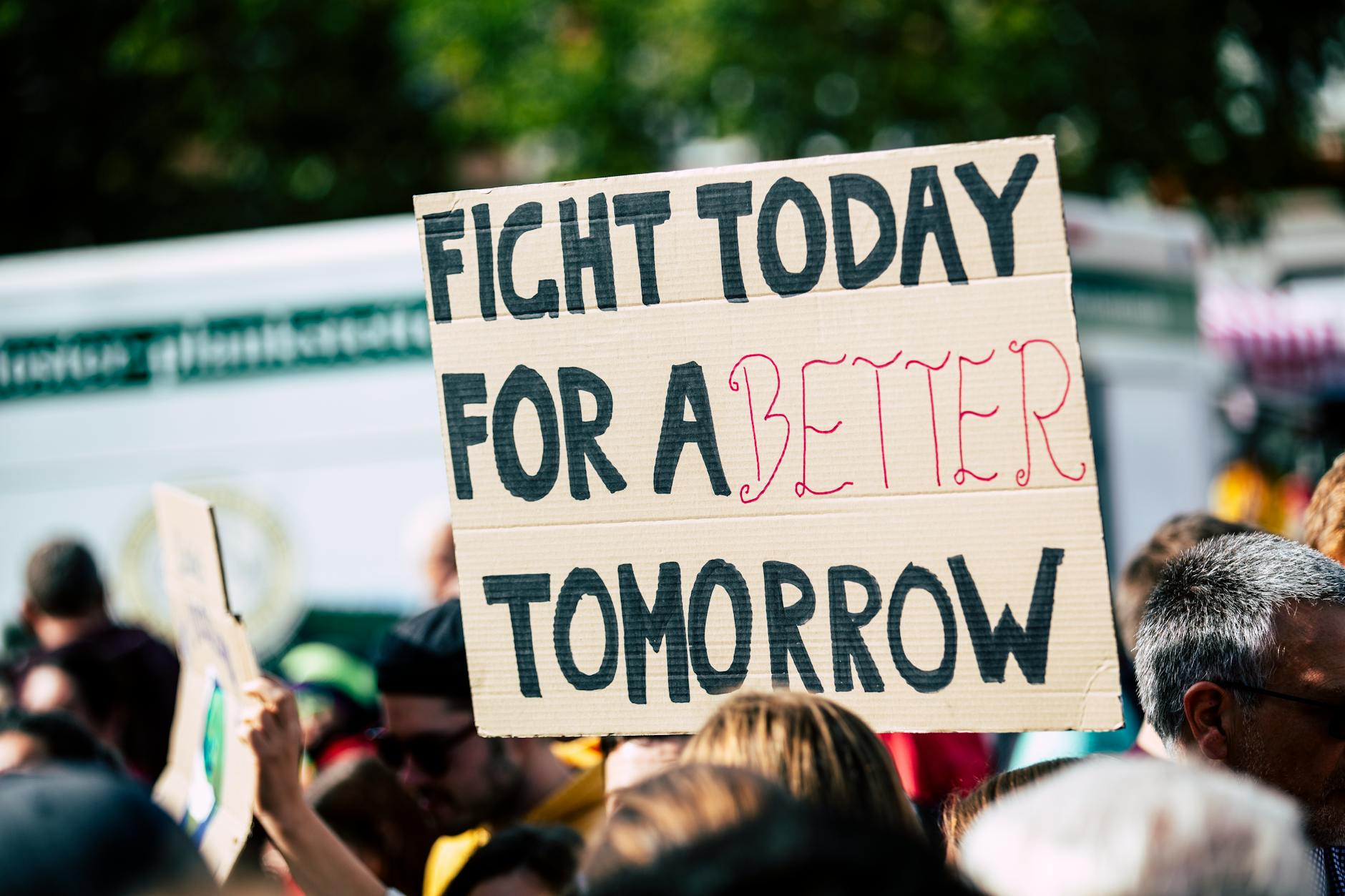
When it comes to climate change and pollution, we’re all hypocrites. There’s no inconsistency here, and that’s the point of the protests as I understand them. This is so bound up to our whole way of life that radical change is needed. As individuals we can only do so much, corporations and governments have to make the changes for the wellbeing of the planet.

Every one of us depends on systems that damage the environment, transport, food, technology, energy, even healthcare. It’s impossible to live in the modern world without leaving a carbon footprint, and yet we’re rightly alarmed by the damage being done. The hypocrisy isn’t moral failure; it’s a symptom of being trapped within a system that’s built on unsustainable foundations. Protesters aren’t pretending to be pure; they’re acknowledging the truth that we’re all implicated, but still calling for something better. They remind us that caring about the planet doesn’t require perfection; it requires persistence, honesty, and courage.

Recycling, eating less meat, or driving electric cars are valuable acts, but they’re not enough to counteract industries that pour billions of tonnes of carbon into the atmosphere each year. Systemic change demands bold political leadership and corporate accountability. Governments must legislate for cleaner energy, fairer trade, and sustainable agriculture. Corporations must stop externalising costs to the environment and start treating the planet as a partner, not a resource to exploit.

Humanity is capable of extraordinary cooperation when the stakes are high, and they couldn’t be higher than this. If we can face our shared hypocrisy with humility and hope, perhaps that’s where true change begins.

Hopetown Darlington

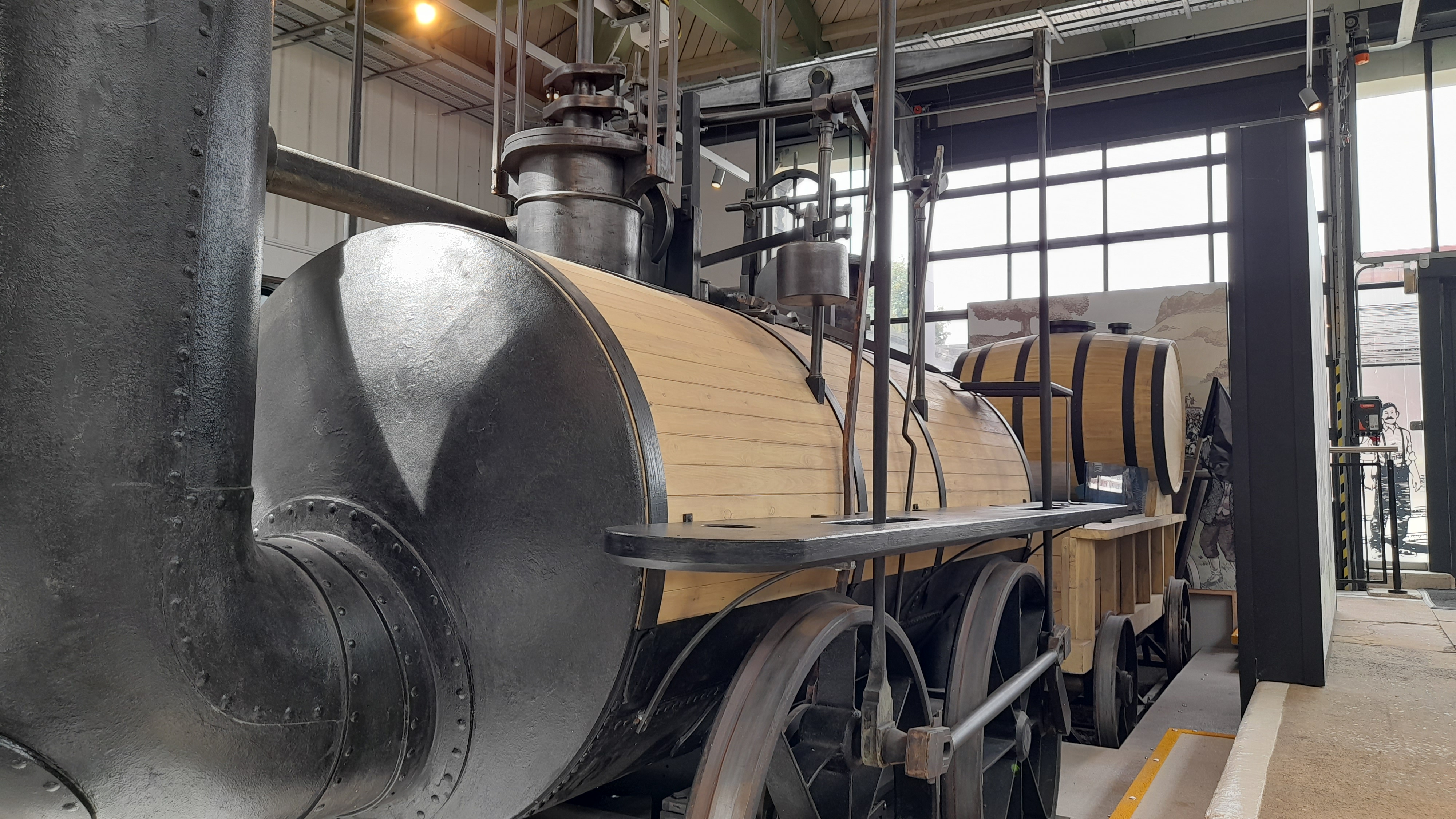
Darlington has long been known as the birthplace of the railway, and nowhere is that legacy celebrated more vividly than at Hopetown Darlington. Formerly the Head of Steam Museum, this reimagined 7.5 acre site blends heritage and innovation, telling the story of how the railways changed the world while inviting visitors to experience history in creative ways.

Visitors arrive through the 1833 Goods Shed, now transformed into a welcoming entrance with a café, shop, and interactive media. From there, the site opens up into a collection of historic buildings. The old North Road Station, built in 1842, houses displays about the birth of the Stockton & Darlington Railway. Nearby, the Carriage Works hosts exhibitions and archives, while also being home to the Darlington Locomotive Works, where the A1 Steam Locomotive Trust continues the tradition of steam engineering by constructing a new engine, the Prince of Wales.

Families are especially well-catered for. The imaginative Wagon Woods playground takes inspiration from railway inclines and wagons, designed for both accessibility and adventure. Outdoor spaces like Foundry Green host community events and seasonal festivals, making Hopetown as much a gathering place as a museum.

What makes it even more remarkable is that general admission is free. Visitors can explore the historic galleries, watch engineering in action, or simply enjoy the café and open grounds, with only certain exhibitions and activities carrying a small fee.

Hopetown reopened in 2024 after a £35 million redevelopment, complete with immersive attractions like the Experiment! 4D ride and creative programmes for schools and communities. It’s not just a museum but a celebration of heritage, imagination, and community where the past and future of rail come alive together.

Attention Moon Landing Deniers!

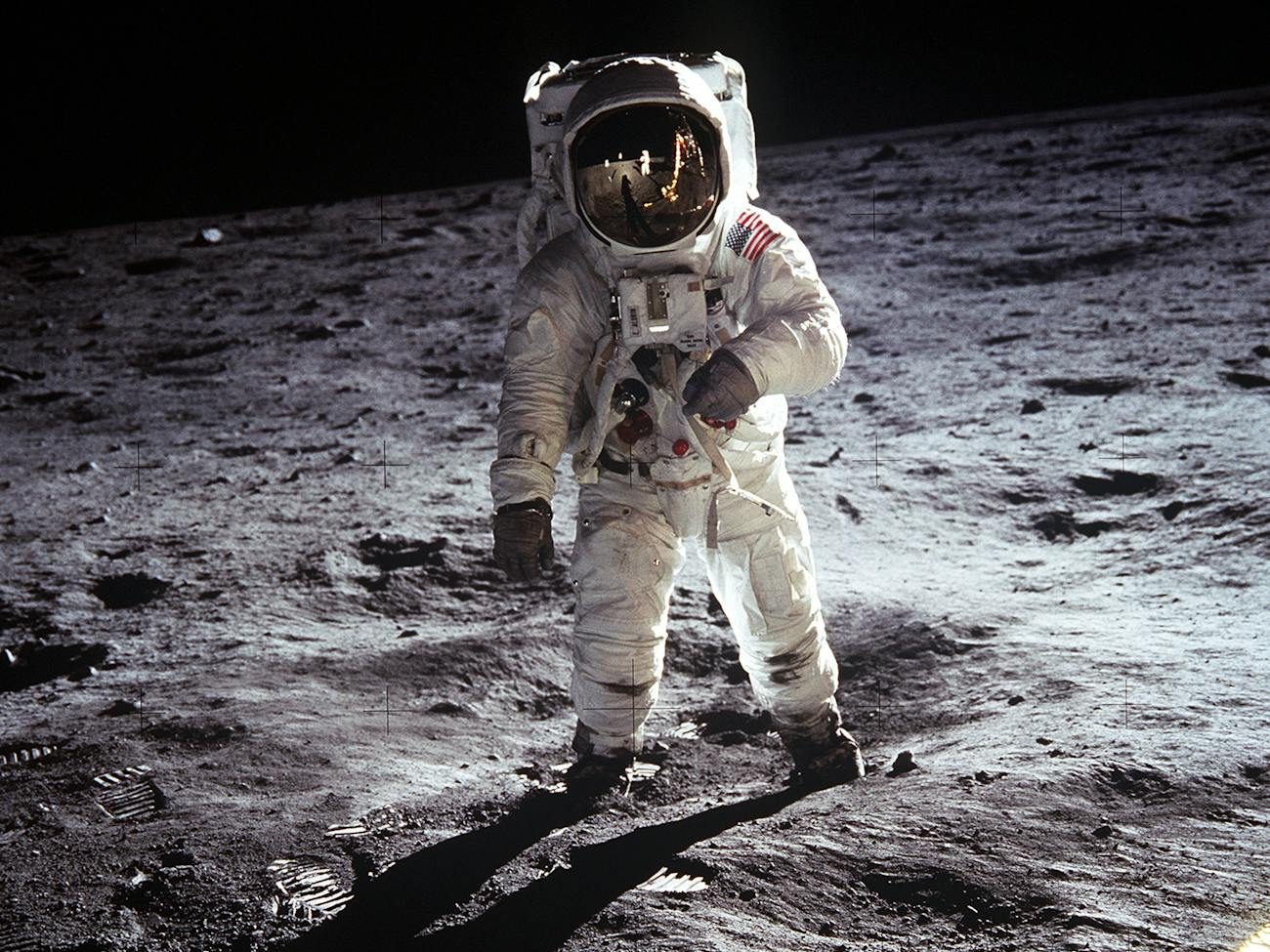
Healthy scepticism is important, and questioning what we’re told is a vital part of being human. But when it comes to the Moon landings, the evidence is so overwhelming, so beautiful in its scale and collaboration, to deny it is laughable.

Let’s start with this: the Apollo missions weren’t just a few astronauts and a secretive NASA control room. They involved over 400,000 people, scientists, engineers, programmers, builders, planners, many of whom weren’t even working in the same place or under the same leadership. To fake something of that size, and keep it hidden for over half a century, would require a conspiracy larger and more intricate than anything the world has ever seen. And that kind of silence? It just doesn’t happen!

But it’s not just about the people involved. We brought back rocks. Moon rocks. Not pebbles anyone could fake in a lab, but samples that have been studied and confirmed by independent scientists all over the world, including those in countries that weren’t exactly friendly with the USA at the time. These rocks are unlike anything we’ve found on Earth: their composition, age, and exposure to cosmic radiation tell a story that only the Moon could have written.

And then there’s the technology. Space agencies in other countries, Russia, China, India, have tracked and mapped the Moon using their own satellites. They’ve seen the sites. Some of these spacecraft have even captured images of the Apollo landers still sitting there, untouched, in the grey lunar dust. The reflectors the astronauts left behind still bounce laser beams back to Earth. You can test it yourself, if you’ve got access to the right equipment.

I understand the mistrust that fuels conspiracy theories. We live in a world where institutions have sometimes failed us, where secrets get kept and stories get twisted. It makes sense to wonder. But the Moon landings aren’t a lie. They’re one of humanity’s greatest stories, of courage, intelligence, teamwork, and imagination.

To believe we didn’t go sells short what we’re capable of. It turns a collective triumph into a cynical illusion. And maybe most tragically, it robs us of wonder. Because when we look up at the Moon, knowing we’ve stood there, not once, but six times, we get to feel something rare and precious – AWE!

And I don’t want to give that up!

Books Read in 2024

Not as many books read as I’d hoped, as my aim was 24 in 2024.

The Hobbit (J. R. R. Tolkien)
I enjoyed listening to this while walking Rufus.

Everything Is F*cked (Mark Manson)
Don’t be put off by the title, an excellent book to guide you through life and manage your expectations and mental health.

Tin Men (Christopher Golden)
Great science fiction with a good human element and twists.

Alien (Alan Dean Foster)
A novel based on the movie, what happens when you don’t listen to a smart woman with a cat.

She/He/They/Me (Robyn Ryle)
An interactive book that guides you through the issue of gender, your journey depends on your answers to questions.

Wrong Place Wrong Time (Gillian McAllister)
A journey backwards in time to understand a murder.

Eating Robots (Stephen Oram)
Short stories that anticipate the near future of technology, often shocking.

Biohacked & Begging (Stephen Oram)
Another series of short stories to pull you up sharp and challenge your thinking.

Fathomless Riches (Rev. Richard Coles)
A brutally honest autobiography that covers attempted suicide, time in a mental hospital, London’s gay scene, drugs, pop stardom, broadcasting, writing, and life as a vicar – and that’s just for starters! Not for the easily offended.

Beyond the Burn Line (Paul McAuley)
A science fiction novel set in the distant future that addresses big issues. I rarely give up on a book but, like many other people, I gave up with this one. My advice, avoid like the plague!

How to Sleep Well (Dr. Neil Stanley)
An excellent book covering all aspects of sleep.

Aliens (Jim Al-Khalili/Editor)
A comprehensive study about the possibility of life elsewhere in the universe from a variety of authors and experts.

Night Sky Almanac 2024 (Storm Dunlop & Wil Tirion)
This is a yearbook I wouldn’t be without; each year’s edition is always by my side.

So, my aim is now at least 25 in 2025, and I’m off to a good start.