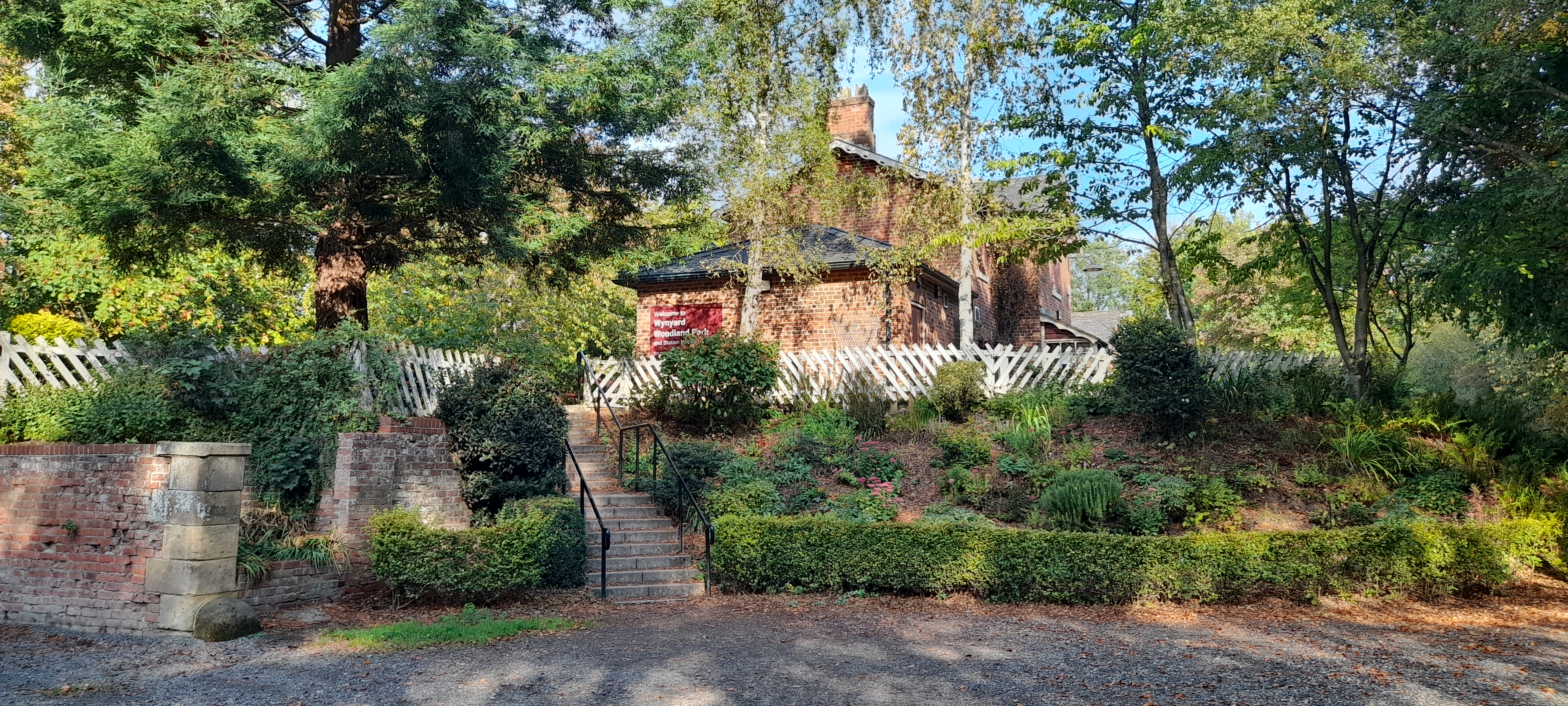
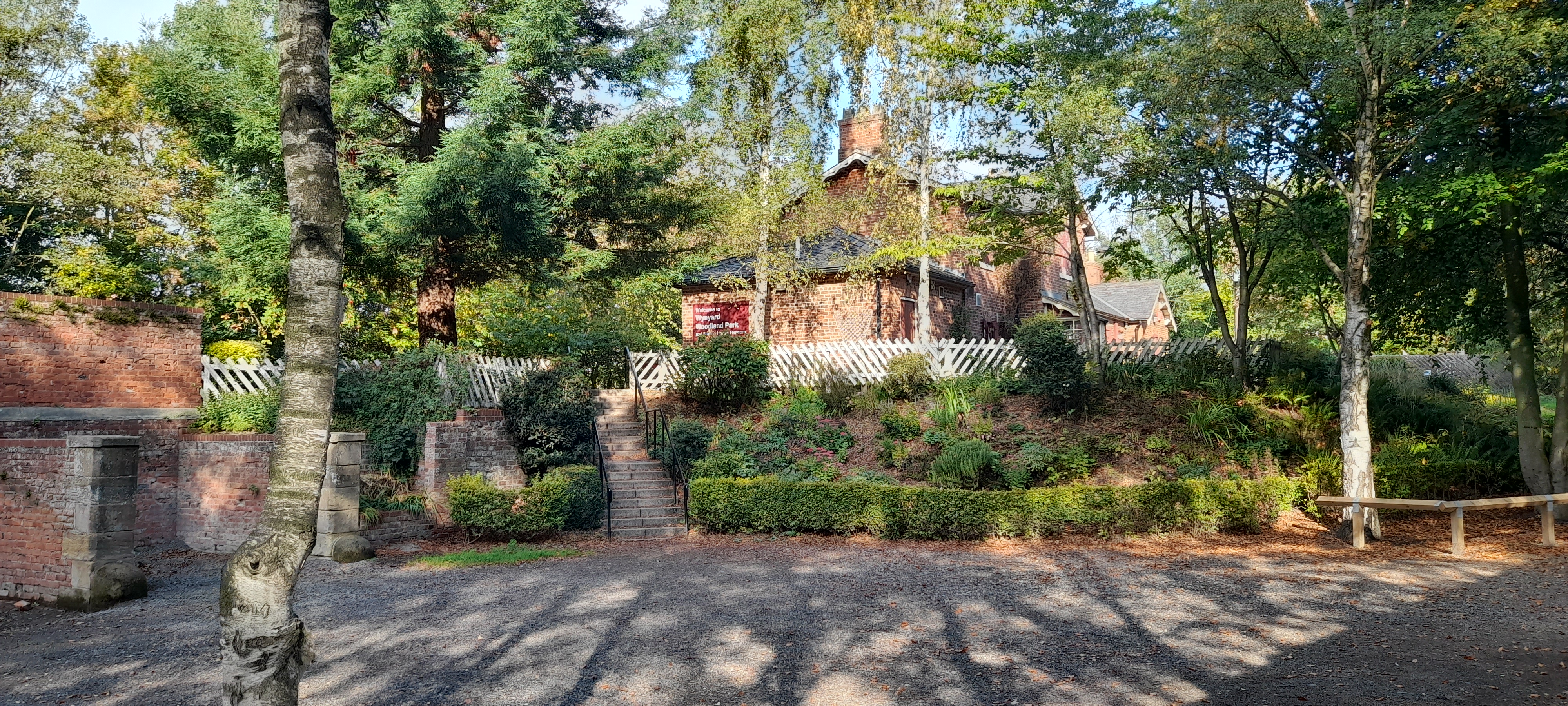
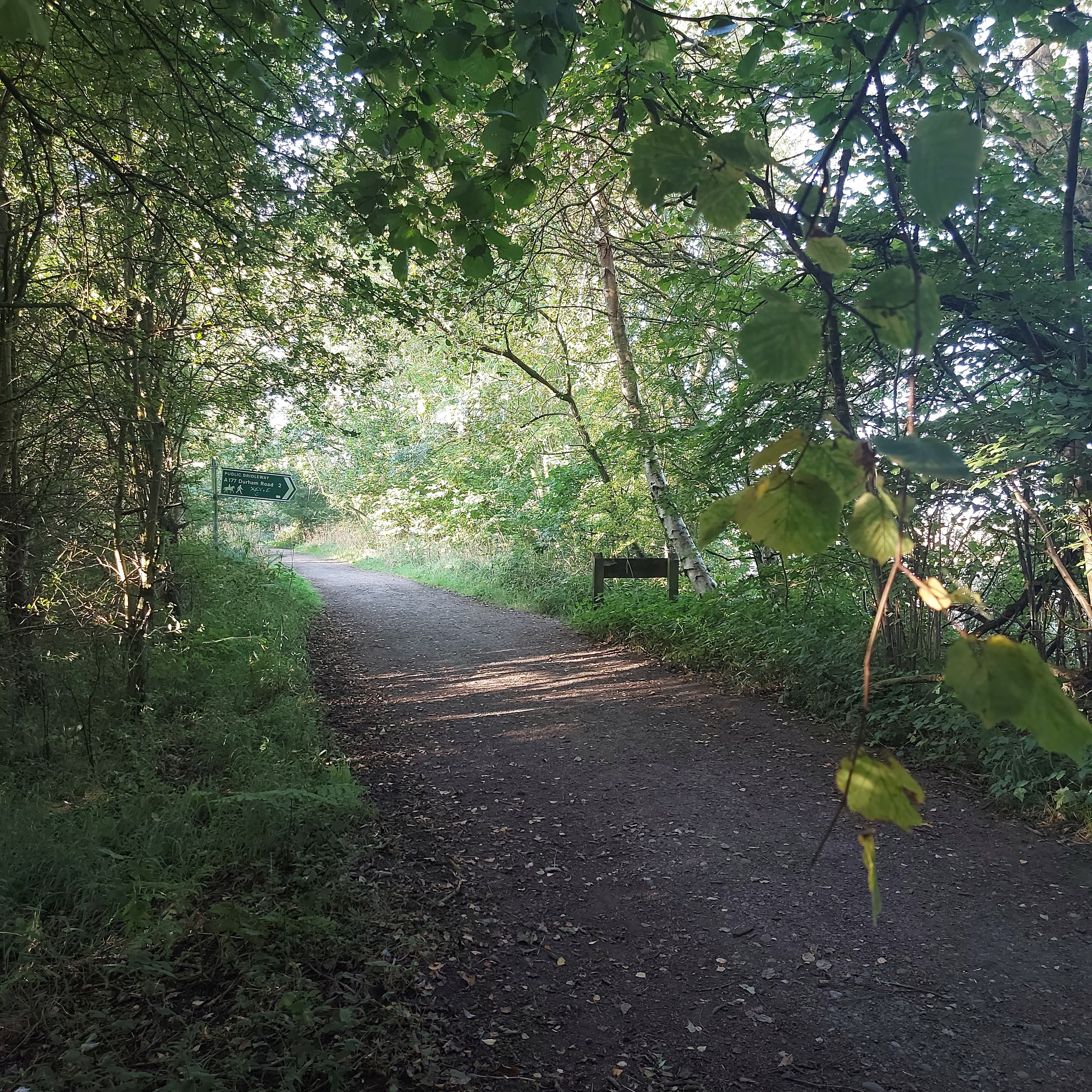
Wynyard Woodland Park occupies land that was once part of the nineteenth-century Clarence Railway, a line built to transport coal from the Durham coalfields to the River Tees. The railway served the industrial development of the region for many decades, passing through what is now Thorpe Thewles. When the line closed in the twentieth century, the trackbed and surrounding land were left unused until local authorities identified the opportunity to convert the disused route into a public green space.
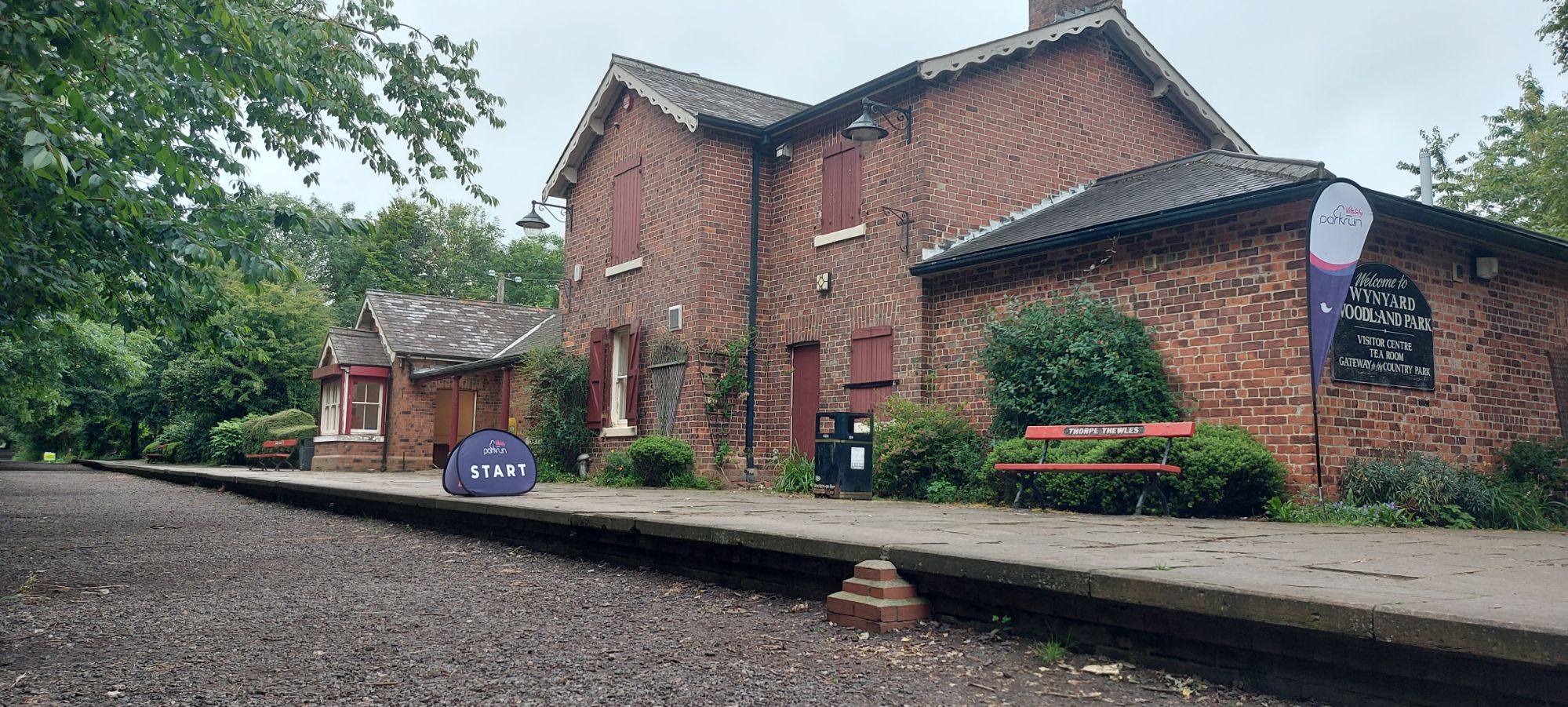
The redevelopment created a linear park that follows the former railway corridor. New pathways, cycle routes, and planted woodlands were introduced, allowing visitors to move through the landscape along the old line. The former station house at Thorpe Thewles was restored and adapted to include visitor facilities, a small museum covering the history of the railway, and a café. As the site matured, the woodland areas developed greater ecological value, supporting a range of wildlife and providing a mix of open and shaded spaces for recreation.
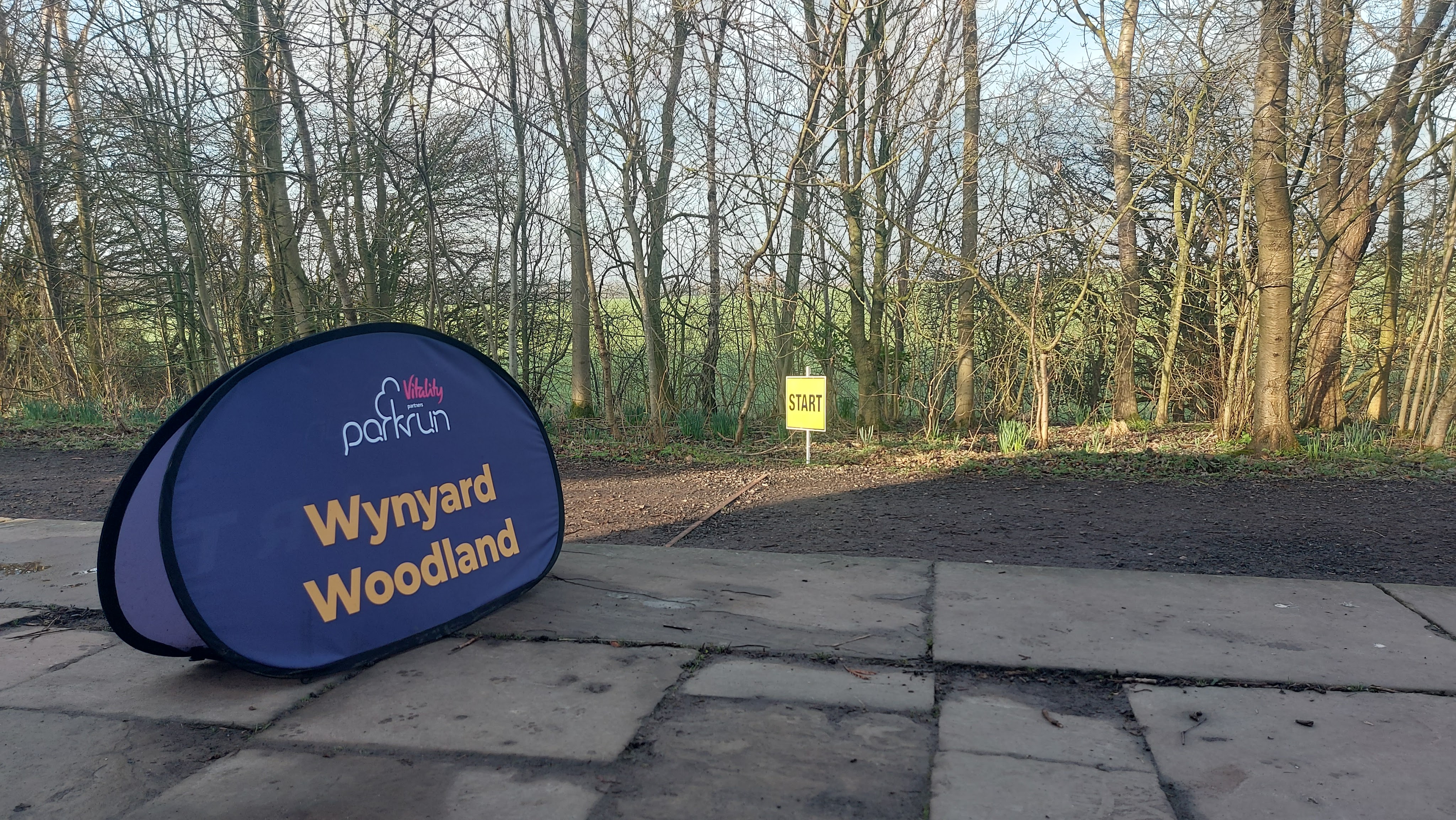
Wynyard Woodland parkrun forms part of the park’s present-day use. Held every Saturday morning, it follows sections of the former railway route and attracts local runners, walkers, and volunteers. The event highlights how the park has shifted from an industrial transport corridor to a community-focused recreational area.
Today Wynyard Woodland Park serves as a practical example of how former industrial land can be repurposed for public benefit. Its combination of historical features, accessible paths, and expanding natural habitats makes it a valued local space for exercise, education, and outdoor leisure.
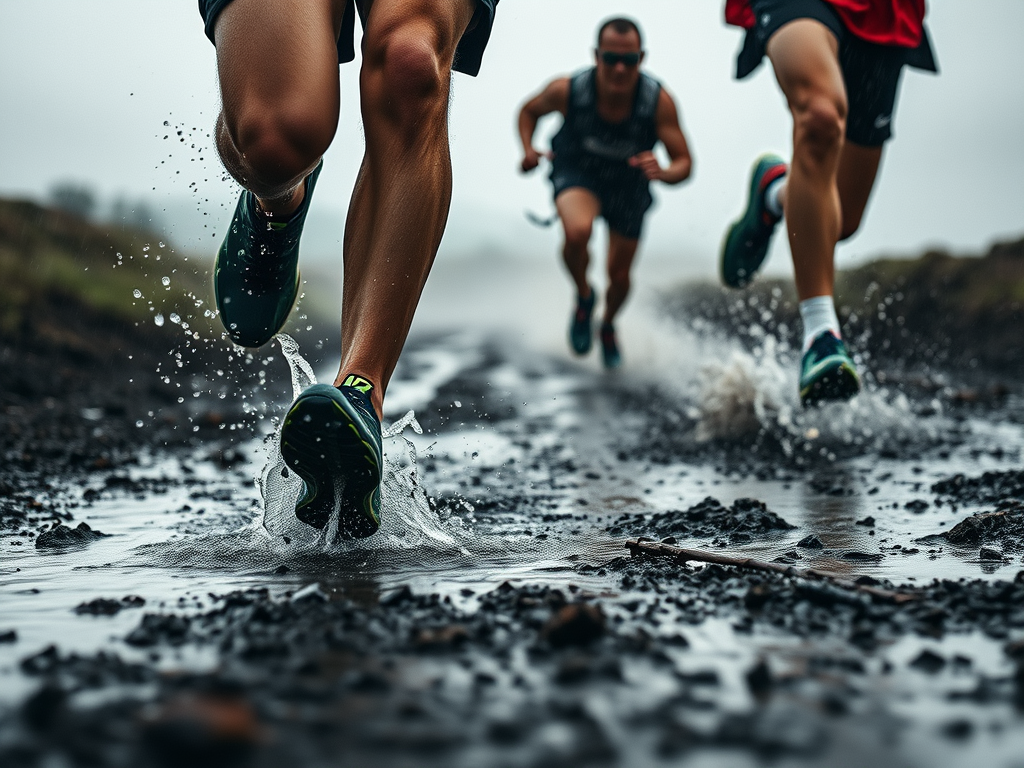
Running in wet weather carries its own quiet appeal. Rain softens the landscape, adds a shimmer to the pavements, and turns an ordinary route into something slightly untamed. Once you’re out in it, it’s often gentler than it first appeared, and there’s a subtle satisfaction in settling into the rhythm of moving through the rain rather than resisting it. Letting go of the idea of staying dry frees you to notice the atmosphere around you; the muted colours, the hum of rainfall, the way everything feels closer and more alive.
Wet ground changes how you run. Roads can become slick, leaves stick underfoot, and puddles can send a cold shock up your legs. Those small challenges encourage a more attentive stride, keeping you balanced and steady, rather than pushing for pace when the conditions ask for care. The rain sharpens your senses in unexpected ways; sound seems clearer, breath feels cleaner, and each step lands with more intention.
A few simple choices make wet-weather running more comfortable. A light, breathable layer helps fend off the chill without overheating. A cap can stop rain from blurring your vision. Since damp fabric can rub, a little anti-chafe balm and a good pair of socks are worthwhile, especially on longer outings. Shoes will inevitably get soaked, yet they dry, and the run tends to stay with you more vividly than the discomfort ever does.
There’s a distinctive clarity that comes from embracing the elements rather than waiting them out. You finish the run damp, tired, and somehow refreshed, reminded that even a grey day can offer its own kind of beauty.
Volunteering at parkrun is more than keeping the event running; it’s a way of building confidence, learning responsibility, and feeling part of a welcoming community. For young people, roles such as marshalling, scanning barcodes, or timekeeping show them that others are depending on their contribution. Arriving on time, listening to instructions, and carrying out tasks carefully teaches responsibility in a practical and meaningful way.
Because under 18s must be supervised, they also learn how to work alongside supportive adults, gaining guidance while still being trusted to play their part. Mistakes sometimes happen, but the culture of encouragement at parkrun shows that responsibility isn’t about perfection, it’s about trying, learning, and growing. Confidence develops naturally when they see runners responding warmly to their encouragement or when they master a task they once found daunting.
Adults gain just as much from volunteering. For some, it offers purpose and connection at a time in life when confidence may be low or health prevents them from running. It brings people together across ages and backgrounds, building friendships and a sense of belonging. Taking on a role provides the chance to rediscover strengths, develop new skills, and experience the satisfaction that comes from giving something back.
For both young people and adults, parkrun is far more than a Saturday morning run; it’s a community built on teamwork, kindness, and encouragement. Each role, however small, is vital to the event’s rhythm. Over time, confidence grows, responsibility becomes second nature, and everyone involved leaves with a deeper sense of connection. Volunteering, in this way, helps shape resilient, compassionate people who carry these lessons into every part of their lives.
parkrun isn’t just about running, it’s about making friends and building community. Each Saturday morning, as people gather in parks across the country, there’s a buzz that has little to do with competition and much to do with connection. Yes, some turn up eager to set a personal best, but many more come simply to share in the rhythm of moving together, side by side, regardless of age, ability, or background.
There’s a warmth in the way volunteers cheer and clap, calling out names, encouraging the weary, and celebrating every finisher. The front runner is applauded, but so is the person walking at the back, because the emphasis isn’t on who’s fastest but on the shared achievement of taking part. In that space, labels fall away: young or old, seasoned athlete or first-timer, everyone matters equally.
Conversations spring up naturally, sometimes in the pre-run hush, sometimes in the shared breathlessness afterwards. Friendships are forged over the kilometres, but also over post-run coffees, where people linger, laugh, and listen. For some, it becomes a lifeline, a chance to combat loneliness, to find encouragement in tough times, or to celebrate milestones both on and off the course.
parkrun embodies the simple truth that community thrives when people gather with purpose and openness. The act of running, jogging, or walking becomes a thread, stitching together stories that might never otherwise intersect. Someone recovering from illness runs alongside someone training for a marathon, a child dashes past, cheered on by grandparents, strangers become companions.
In a world often fractured and hurried, parkrun quietly insists on something different, that life is richer when we move together, when we notice one another, and when we create spaces where everyone belongs. And that’s the real finish line, friendship and community.
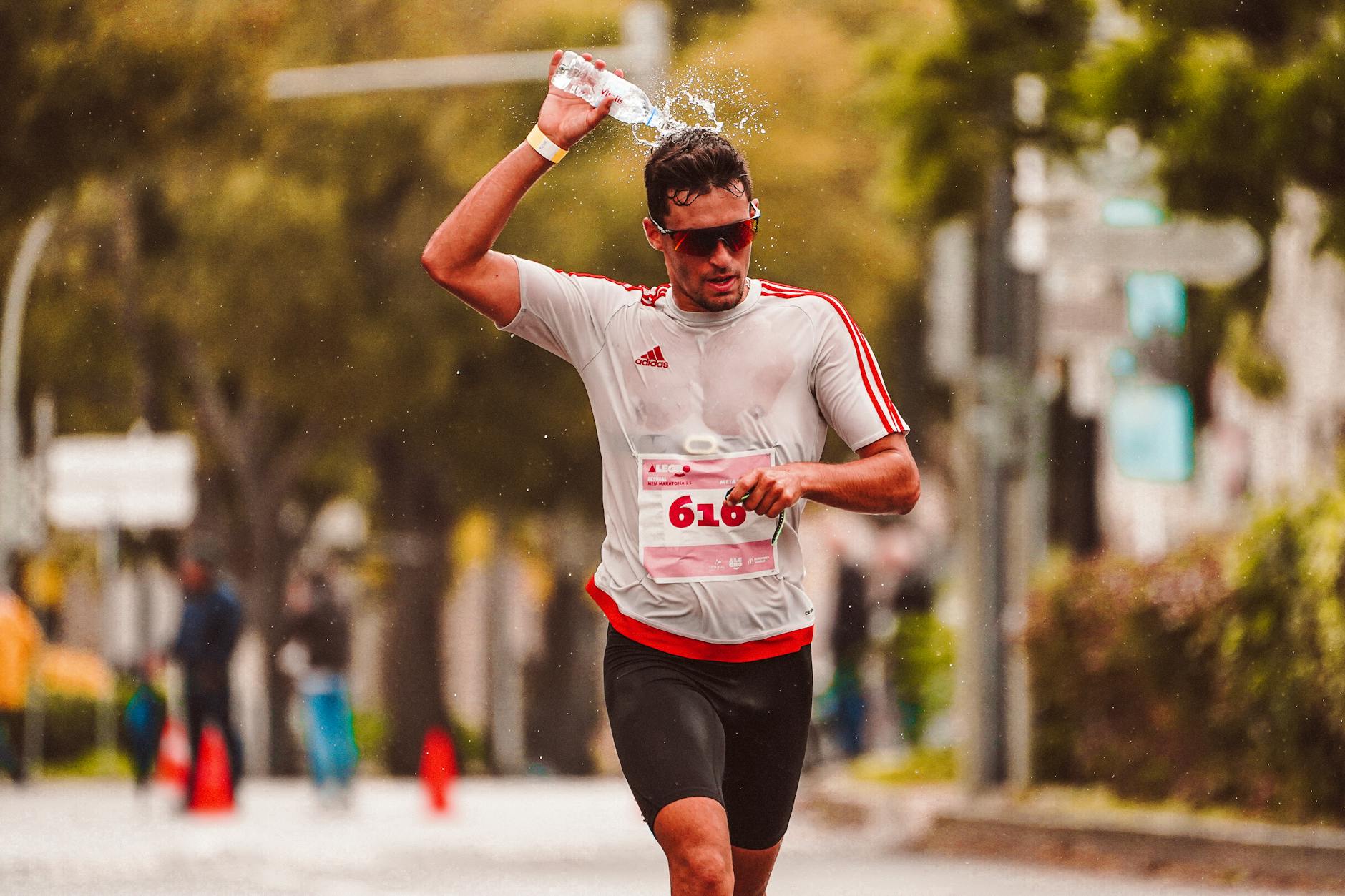
Running in hot weather can be tough, but with a bit of preparation and a sensible approach, it can still be enjoyable.
First, accept that the heat will affect your performance. That’s normal. You’re not slower because you’re unfit, you’re slower because your body is working harder to keep cool. Adjust your expectations. Focus on finishing comfortably rather than chasing a personal best.
Hydration matters. Try to drink water before you arrive, not just on the morning itself, but the day before as well. If you’re well hydrated at the start line, you’ll feel much better on the course. Consider running with a water bottle.
Clothing makes a difference. Choose lightweight, breathable kit in light colours, and avoid cotton as it holds on to sweat. A cap or visor helps keep the sun off your face, and sunglasses can make a surprisingly big difference to how comfortable you feel.
Warming up is still important, but in hot weather it doesn’t need to be long. A brisk walk, some dynamic stretches, or a slow jog is enough to get moving without overheating before the run starts.
Once you’re running, listen to your body. If you need to slow down or take walking breaks, that’s absolutely fine. Many runners do this, especially in summer.
After the run, rehydrate and try to find some shade. A cool drink and a gentle stretch can help avoid post-run fatigue later in the day.
Running in hot weather isn’t about pushing through discomfort, it’s about being smart, staying safe, and enjoying the experience. The heat brings a different kind of challenge, but it doesn’t have to take away the joy. You’re still getting out there, still part of something positive. That’s what counts.
When the sun’s high and the air feels heavy, staying hydrated becomes more than just good advice, it’s survival. Not every drink helps, though. Some replenish and restore. Others leave us thirstier than before.
Water, as always, is king. Cold or not, sipped steadily through the day, it quietly does exactly what we need. But sometimes, especially after lots of sweat or activity, water needs a little backup.
That’s where oral rehydration solutions come in. With the right mix of salts and sugars, they help your body absorb water more efficiently, perfect after a long run, garden work, or a pounding headache.
Coconut water’s another gentle ally: full of potassium, lightly sweet, and refreshingly natural. It’s a lovely alternative to sugary sports drinks. Herbal teas, cooled and poured over ice, also work wonders, peppermint or hibiscus are especially refreshing and caffeine-free.
Diluted juice (half juice, half water) gives flavour and a little natural sugar, without overwhelming. And don’t underestimate milk. Cold, semi-skimmed, it’s surprisingly good at rehydration, especially after activity.
Infused water can also lift the ordinary. Add cucumber, mint, berries, or citrus, suddenly water’s more inviting, more likely to tempt you for another glass.
Avoid alcohol, fizzy sodas, and high-caffeine energy drinks. They might seem refreshing, but they quietly take more than they give.
Hydration isn’t about gulping gallons. It’s about listening, sipping often, and choosing drinks that care for your body, especially when the world turns hot.
parkwalk is an initiative by parkrun UK launched globally in October 2022 to celebrate parkrun’s 18th anniversary and promote walking as a valued and inclusive part of their weekly 5k events. Recognising that not everyone feels ready to run or jog, parkwalk was designed to break down barriers to participation and support people of all fitness levels, especially those new to physical activity or managing long-term health conditions.
Every Saturday morning, participants gather at local parks across the UK and beyond to walk, jog, or run the 5k course. There’s no time pressure, people are encouraged to go at their own pace. Importantly, the Tail Walker volunteer ensures that no one finishes last, reinforcing the core value that parkrun is for everyone.
In support of the campaign, a new volunteer role called the parkwalker was introduced. Positioned between the runners and the Tail Walker, parkwalkers wear light blue vests and walk the route while offering encouragement and companionship to others walking, helping to foster a stronger sense of community and belonging.
Walking itself brings proven health benefits, such as improved cardiovascular fitness, reduced stress, and better mental wellbeing. According to parkrun, research shows walking 5,000 steps three times per week can significantly lower the risk of early death.
Since its launch, over one million walks have been completed globally, showing that parkwalk has not only increased participation but has also created a more welcoming and inclusive environment for all.
Volunteering at parkrun offers far more than a chance to give back. It brings a host of benefits that positively impact mental, emotional, and even professional wellbeing. Many regular volunteers speak of a deep sense of fulfilment and satisfaction that comes from contributing to the event’s success each week. Studies support this, showing that volunteering can lift mood, reduce stress, and enhance overall wellbeing.
One of the most rewarding aspects of volunteering at parkrun is the sense of community it builds. Whether you’re marshalling, timing, scanning barcodes, or cheering people on, you’re surrounded by like-minded individuals who share a passion for health, connection, and community spirit. These shared moments often lead to lasting friendships and a richer appreciation for the value of local engagement.
Volunteering at parkrun is also a fantastic way to develop and strengthen key life skills. Each role provides opportunities to improve communication, teamwork, problem-solving, and time management. Whether you’re coordinating a finish funnel or supporting first-timers, every task contributes to both personal and professional growth.
From a career perspective, volunteering at parkrun is a valuable addition to your CV. It demonstrates initiative, reliability, and a genuine willingness to contribute to something bigger than yourself. For jobseekers, students, or anyone looking to stand out, regular volunteering shows commitment, people skills, and the ability to work under pressure, all traits employers value highly.
Most importantly, parkrun volunteering can be a journey of self-discovery. It invites you to try new roles, push beyond your comfort zone, and sometimes uncover talents you didn’t know you had. In serving others, you often gain just as much in return, whether it’s confidence, clarity, or simply the joy of making someone’s Saturday morning a little brighter.
Overall, parkrun volunteering is a win-win. It strengthens communities, supports wellbeing, and enriches personal and professional lives. Every barcode scan, every time check, every cheer matters, and so do the people who give their time to make it all happen. Why not have a go?
Wynyard Woodland parkrun is a weekly timed 5k run/walk organised by volunteers. Click the photo or here for more information.
Event Director: Wynyard Woodland parkrun is managed by an event director (Rosie Dawson) who is responsible for ensuring the event is delivered appropriately, building relationships with landowners, and for liaising with parkrun HQ. The Event Director is assisted by a number of Run Directors.
Run Director: The designated Run Director for an event has the overall responsibility for safety and oversees proceedings before, during, and after the event. They must be near the start/finish area at all times. The Run Director has the ultimate authority to decide whether the event should be cancelled or postponed or if an adjustment to the course is required. The Run Director also welcomes all parkrunners to the event via the pre-event briefing and communicates all important messages prior to the event start, recognises the contributions of the volunteers, acknowledges visitors, first-timers and ensures everyone understands the event and stays safe for the duration. The Run Director at Wynyard Woodland parkrun is usually the Volunteer Coordinator that week and also the Results Processor. We are always glad for help setting up the event and clearing away afterwards.
Course Checker: Every Saturday a course checker runs, walks, or cycles the course to check it’s safe to use and free from anything that might be hazardous to runners and volunteers. These hazards could be rocks, branches, or flooding, etc. The check takes place on the day of the parkrun and as close to the start time as reasonably possible, this usually involves meeting the Run Director at about 8.00 am.
First-Timers Welcome: This role is to create a friendly atmosphere for first timers and visitors. The volunteer introduces parkrun, its inclusiveness and ethos, highlights any course-specific information, and explains the finish procedure. This vital volunteer role provides essential reassurance for first-timers especially. It can also help the volunteer to gain confidence in public speaking in a relaxed atmosphere. We sometimes provide an additional welcome volunteer in the car park to encourage people and point them in the right direction.
Timekeeper: The thought of timekeeping can seem daunting, but it’s very straightforward. The timekeepers are responsible for recording the finish times of all participants at parkrun by using the Virtual Volunteer app (which is also used for barcode scanning) in aeroplane mode. We always have two timekeepers to protect against losing one set of times. The Run Director instructs them to start timing on the word GO! Then they press the timer once as each participant crosses the finish line. They liaise with each other to make sure the numbers match during the event. They work with the funnel manager (if there is one) to keep everyone in order until they have received their finish token. The last person to cross the line is always the tail walker(s). It’s then a simple matter of uploading the results with the Run Director. The timekeepers retain the results in their app in case of problems but can delete them the next time they use the app.
Finish Tokens: This person is responsible for handing out position tokens to all participants. They work closely with the funnel manager and timekeepers because finishers must stay in order until they have received their token. They may be assisted by a finish token support volunteer, and this is an ideal role for a younger volunteer.
Barcode Scanner: Volunteers use the Virtual Volunteer app to scan the personal barcode of every finisher along with their finish token. This ensures that every participant who completes the course receives a result. The data is then uploaded to be processed by the Run Director. The barcode scanners retain the results in their app in case of problems but can delete them the next time they use the app. The Virtual Volunteer parkrun app is available in your app store. It’s used for both barcode scanning and timekeeping and is always used in aeroplane mode.
Funnel Manager: This person is responsible for the whole finish area but is primarily focused on ensuring that participants move smoothly and swiftly through the finish funnel. Also, along with other volunteers at the finish line, they ensure participants stay in their finish order until they have received a finish token. They also look out for ‘funnel dodgers’ who cross the finish line but ‘escape’ before taking a token as this causes problems with the results. Even if a participant wishes to remain ‘unknown’ in the results, they must take a token and return it to the barcode scanners.
Marshals: The main tasks performed by marshals are guiding, interacting and encouraging the participants along the course, warning them of any obstacles or hazards, alerting the Run Director of any incidents, as well as ensuring that other park users are aware of the event. The marshal should stay in position until the tail walker passes them for the last time. The turning point marshal is usually responsible for unlocking and locking the gates.
We sometimes have a marshal(s) in the car park to encourage people and point them in the right direction. They also supervise parking if we’re especially busy. Ideally, we’d have a marshal beyond the turning point every week, but the turning point marshal always takes a ‘Caution Runners’ sign to warn other park users.
Tail Walker and parkwalker: The Tail Walker role is a friendly face who stays right at the back of the field and should be the last to go through the finish funnel, ensuring that everyone is accounted for. The parkwalker role is also a friendly face who provides support and encouragement to walkers, as part of our commitment to increasing the number of people who walk at our events. This is a separate role from that of tail walker. The parkwalker should be positioned ahead of the tail walker but behind those who are running.
Tail walkers and parkwalkers are entitled to receive both a volunteer credit and a walk/run credit when carrying out this role. We ask that these roles aren’t filled by the same volunteers each week (for more than three consecutive weeks) and whenever possible multiple people carry out the role. This is both for safeguarding purposes and to provide as positive and sociable experience as possible for everyone.
Setup and Close Down: The Pre-event Setup volunteer(s) help the Run Director prepare for the event. This involves the placement of markers and signage around the course, setting up the start/finish area including the finish funnel, and placing signs to indicate the route. Not forgetting the personal best bell! The Post-event Close Down volunteer(s) help clear up and return any kit to its storage place, leaving our parkrun space as we found it. Both volunteer roles are very suitable for our young people, and they also allow you to volunteer and run.
Photographer: The official photographer is an optional volunteer role. They take photographs and videos for our Facebook page. Photographers must always register as an official volunteer, make themselves known to the Run Director, and wear a high-vis vest at all times. Photographers cannot charge individuals for event photography at parkrun events and watermarks are not permitted.
In conclusion, there are a few volunteer roles that are self-explanatory. Token sorting, report writer, and pacers. Obviously, we need volunteers to sort the tokens each week, the report writer role is optional, and we have pacers on the last Saturday of the month.
Volunteers are welcome to be accompanied by their children. However, they can be distracting and volunteers may find themselves in very challenging situations, so volunteers must be mindful of this at all times.
Volunteers are requested to: Wear a volunteer vest to make them visible as a person who can help. Keep a watchful eye as people arrive looking for those who are there for the first time; they may be looking apprehensive and unsure of what to do. Greet people with a warm welcome, asking where they are from and what brings them to parkrun.
I’m pleased to share this post by fellow Salvation Army Officer John Clifton…
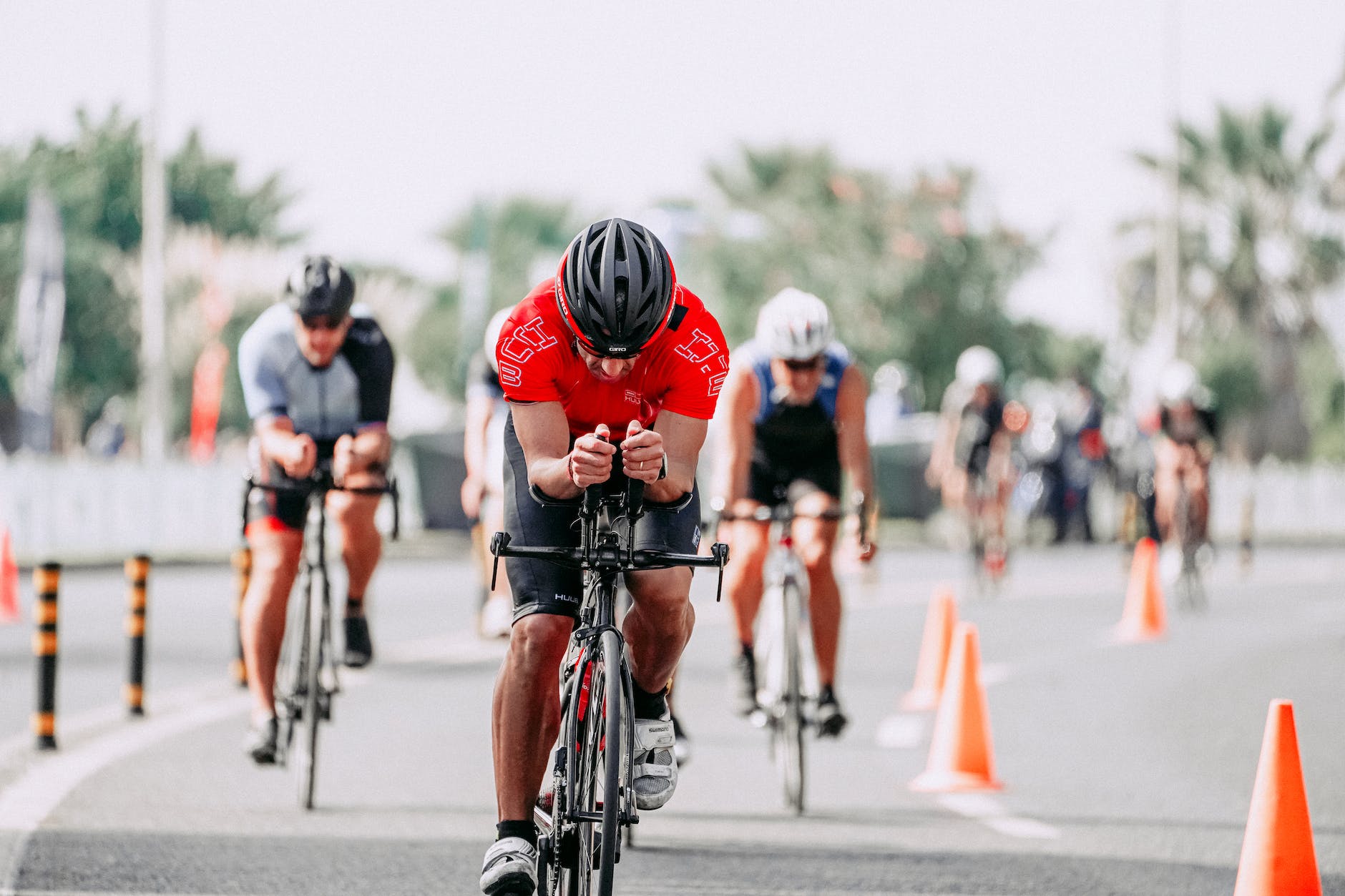
Following a training programme is crucial to being able to complete any physical event. Towards the end of 2022, I signed up to do an iron-distance triathlon. Knowing I couldn’t just turn up and complete it on the day, I followed, in a manner that could be called ‘religious’, the ‘Be Iron Fit’ programme by Don Fink. It is a 30-week programme that, starting on January 1st, 2023, meant that the event day landed perfectly on July 30th, the race day for Outlaw Nottingham Full. The format of the programme is clearly structured. Monday is rest day (there was an addictive dopamine-rush of achievement from ticking off completion of the first training session on January 1 – a Monday!); Tuesday was swim and run; Wednesday was the brick session (google it); Thursday was swim and cycle; Friday was run (then also swim at a later phase of the programme); Saturday was a long cycle (then followed by a short run brick session; again, google it) and then Sunday was a short cycle and a longer run (not back-to-back, so not a ‘brick’… Ok, here you go…).



 John Ager's Home on the Web!