Living in a Social Media Bubble

Oxford Dictionaries decided that the word post-truth (or is that two words?) should be Word of the Year for 2016. They defined it as an adjective ‘relating to or denoting circumstances in which objective facts are less influential in shaping public opinion than appeals to emotion and personal belief’. Two major news events of 2016 illustrated how untruths (or should I just say lies?) were an illustration of this; namely, the debate prior to the UK referendum vote to leave the European Union and the campaign that resulted in the election of Donald Trump in the United States of America.

Many people were surprised by these two events, and one explanation is the so-called social media bubble. This is a phenomenon which links us to like-minded friends and others, sharing and liking similar news stories, views, and opinions. The algorithms of Facebook (and the like) can decide our friends for us, as those with similar views. Yes, this goes on in the everyday world, but the effect is magnified by the very nature of the medium. It’s like living in an echo chamber.

Many were surprised by Brexit and Trump because they weren’t aware of many people who favoured them. They just weren’t in their circle of friends, or they possibly kept quiet. Add to this the problem of hoaxes, fake news and unreliable quotes, and things can get quite messy. What is truth in a post-truth world after all? Falsehoods are easily spread by people unwilling (or too busy) to make a simple check of their veracity. Google can be your friend, or possibly your false-friend, who knows anymore?

In the space of two days I heard both Brian Eno and Laurie Anderson speak about the feature on Amazon that shows what other people bought after you’ve made a purchase. Another example of the bubble effect? Wouldn’t it be better to have a reverse filter suggesting what they didn’t buy? We can so easily inhabit an echo chamber.

Shouldn’t we be reaching out those with different opinions to our own and seeking to understand?
Christian Remembrance

Remembrance Sunday is observed on the second Sunday in November in the UK and some Commonwealth nations. It’s a day to honour and remember the sacrifices made by those who lost their lives in times of war. It holds deep significance for Christians, interweaving both historical and spiritual elements in its observance.

At the heart of the Christian faith lies the principle of love, echoed in Jesus Christ’s teachings to “love your neighbour as yourself.” Remembrance Sunday aligns with this core belief, emphasising the sacrificial love shown by soldiers and civilians who laid down their lives for the well-being of others. Christians view this sacrifice as reflective of Christ’s own sacrificial love, embodied in his death on the cross.

For many Christian denominations, the act of remembrance itself is profoundly rooted in their faith. It’s a time to reflect on the virtues of courage, selflessness, and service exemplified by those who served in the armed forces. Christians recognise and honour the dedication and commitment of these individuals, echoing Christ’s message of service to others.

Church services on Remembrance Sunday often incorporate themes of peace, reconciliation, and the call for a world free from conflict. The prayers and hymns during these services focus on the hope for peace, drawing inspiration from biblical passages that speak of peace and the cessation of violence. It’s a moment to pray for global peace and for the families who continue to suffer due to the consequences of war.

The act of remembrance, marked by the two-minute silence at 11.00 am, stands as a solemn acknowledgment of the sacrifice made by so many. This silence is an act of collective honour and gratitude, echoing the Christian value of reverence, humility, and thankfulness.

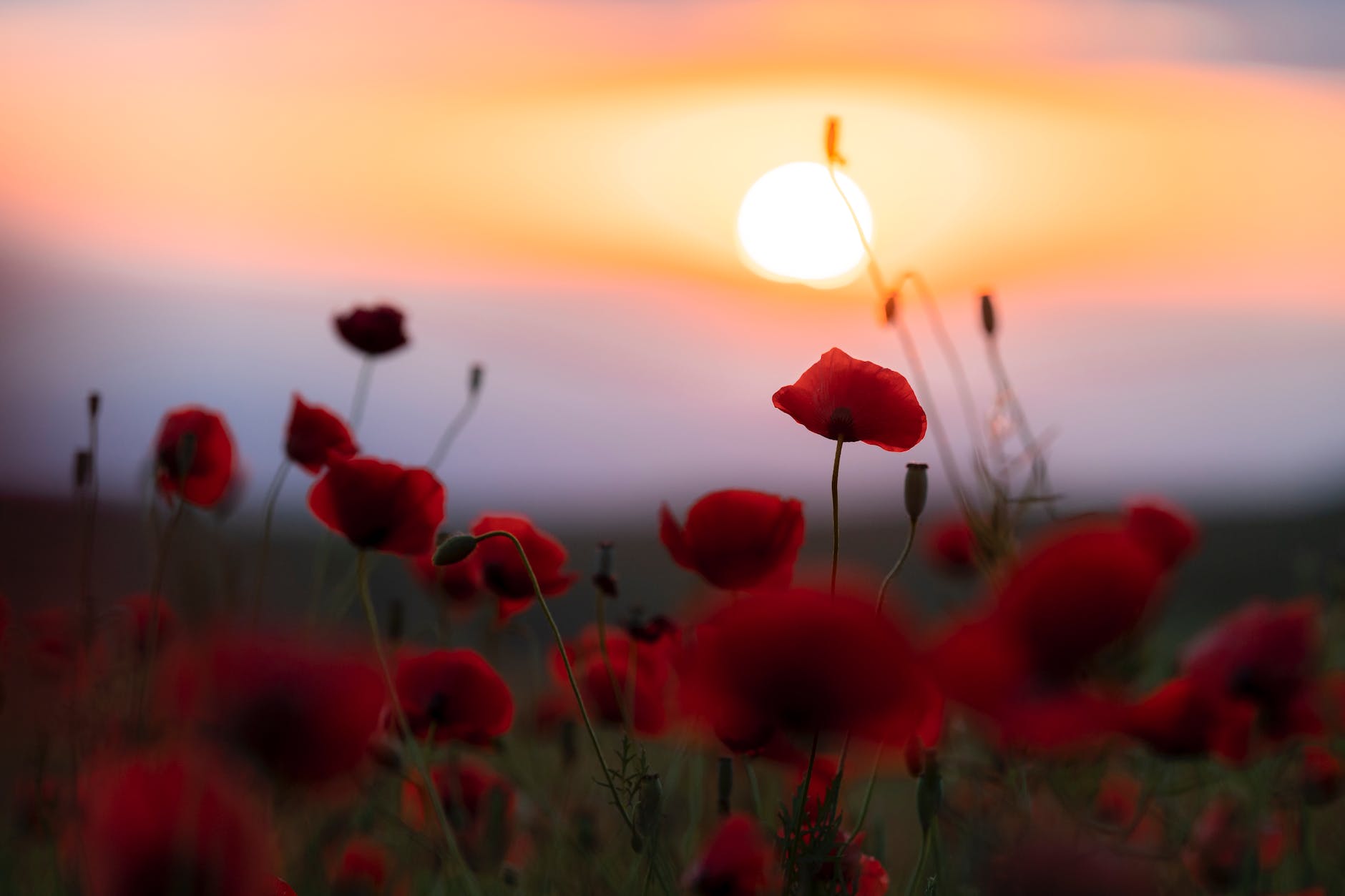
Moreover, the red poppy, often worn during this time, symbolises both loss and hope. While it signifies the bloodshed and sacrifices of war, it also represents the hope for a peaceful future. In a Christian context, the red poppy can be likened to the redemptive nature of Christ’s sacrifice, offering hope and renewal even in the face of immense suffering.

The Christian perspective on Remembrance Sunday also incorporates a plea for learning from history. It encourages reflection on the tragic consequences of war and the importance of pursuing peace, justice, and reconciliation. This aligns with the Christian ideals of forgiveness and understanding, emphasising the need to work towards preventing conflict and promoting harmony in society. Some wear a white poppy for this reason.

Ultimately, for Christians, Remembrance Sunday is a time to pay homage to the fallen, to reflect on the virtues of sacrifice, courage, and service, and to recommit to the pursuit of peace in a world often marred by conflict. It’s a day that highlights the interconnectedness of remembrance, faith, and the aspiration for a future guided by love, harmony, and unity.

Staying whole in a fractured world

The world can be a confusing and unsettling place, especially with technology at our fingertips and 24/7 news. Making sense of it all can take its toll on our inner life. In this context, preserving our mental health is essential.

Here’s some strategies that work for me:

Limit your news consumption. Constant exposure to distressing news can lead to anxiety and stress. Set aside specific times to check the news and avoid it during the rest of the day. Consider turning off news notifications on your devices.

Choose reliable news sources. Verify the credibility of the news sources you follow and ask questions, such as, why is this person saying a certain thing, for example. This can reduce fear and uncertainty.

Focus on what you can control. It’s easy to feel powerless in the face of global crises. Concentrate on actions you can take in your own life, like supporting local charities, volunteering, or making environmentally conscious choices.

Establish a daily routine to bring stability and predictability. Regular sleep patterns, exercise, and work schedules can all help you maintain a sense of normality. Do what works for you.

Talk to people. Human connection is vital for mental wellbeing. Even when you can’t meet in person, stay connected with friends and family through phone calls, video chats, or online social groups. Sharing your feelings and experiences can be comforting. Smile at people and talk to strangers.

Develop the art of self-care. Dedicate time to activities that help you relax and unwind. Exercise, meditation, deep breathing, and hobbies can all reduce stress and improve your mood.

Seek help. If you find yourself struggling to cope with the constant stream of negative news, don’t hesitate to reach out for professional help. A therapist or counsellor can provide valuable guidance and support.

Stay informed, but not obsessed. Whilst staying informed is important, obsessing over the news can lead to information overload and increased anxiety. Set boundaries and avoid overconsumption.

Remember, preserving your mental health is a priority, it’s okay to take breaks from the news and practice self-compassion. By implementing these strategies, you can better navigate a world of bad news while maintaining your mental wellbeing.

Israel-Palestine Conflict Overview

The Israel-Palestine conflict, one of the most protracted and deeply entrenched disputes in the world, revolves around historical claims to land, national identity, and sovereignty in the Middle East. It’s a complex and multifaceted issue with roots dating back to the late 19th and early 20th centuries.

At the heart of this conflict is the clash between Jewish Zionists and Arab Palestinians over territory, primarily the land that now comprises Israel, the West Bank, and the Gaza Strip. The Zionist movement emerged in the late 19th century, aiming to establish a Jewish homeland in Palestine, which was then part of the Ottoman Empire. The migration of Jewish immigrants into Palestine, primarily in the early 20th century, resulted in increasing tensions between the Jewish and Arab communities.

The situation escalated in the aftermath of World War II and the Holocaust, prompting international sympathy and support for Jewish survivors and the Zionist cause. In 1947, the United Nations proposed a partition plan, dividing Palestine into separate Jewish and Arab states, with Jerusalem designated as an international city. The plan was accepted by the Jewish leadership but rejected by the Arab states and Palestinian leadership.

In 1948, following the declaration of the State of Israel, the Arab-Israeli War broke out. Israel emerged victorious and expanded its territory beyond the UN-allocated borders. This led to the displacement of hundreds of thousands of Palestinian Arabs, creating a refugee crisis that remains unresolved to this day.

Subsequent conflicts, most notably the Six-Day War in 1967, further reshaped the territorial landscape, with Israel capturing the West Bank, Gaza Strip, Sinai Peninsula, and the Golan Heights. The occupation of these territories has been a central point of contention in the conflict.

Core issues in the Israel-Palestine conflict include:

Jerusalem: Both Israelis and Palestinians claim Jerusalem as their capital, with the city holding deep religious significance for Jews, Muslims, and Christians. The status of Jerusalem remains a major obstacle to a comprehensive peace agreement.

Borders: The borders of a future Palestinian state and the security concerns of Israel are fundamental issues. Palestinians seek a state based on pre-1967 borders, while Israel emphasizes the need for secure borders.

Refugees: The Palestinian refugee issue is a matter of great importance. Millions of Palestinians are descendants of those who were displaced during the 1948 and 1967 conflicts. They demand the right of return or compensation, while Israel is concerned about the demographic implications of such a return.

Security: Ensuring the security of Israel and its citizens has been a paramount concern, given historical conflicts and acts of violence. The demilitarization of a future Palestinian state and other security arrangements are central to negotiations.

Efforts to resolve the Israel-Palestine conflict have involved various peace negotiations, international initiatives, and accords. The Oslo Accords of the 1990s aimed at a two-state solution, where Israel and Palestine would coexist peacefully side by side. However, the implementation of these agreements faced numerous obstacles, including violence and political disputes.

The situation on the ground remains tense, marked by recurring violence, settlement expansion in the West Bank, and restrictions on the movement of Palestinians. International involvement, including mediation by the United States, the United Nations, and regional actors, continues in attempts to reach a comprehensive and lasting resolution to the conflict.

The Israel-Palestine conflict has significant regional and global implications, impacting stability in the Middle East and international diplomacy. Finding a just and sustainable solution remains a formidable challenge, with the hope that a negotiated settlement can eventually bring about a peaceful coexistence between Israelis and Palestinians.

Remembering the Holocaust

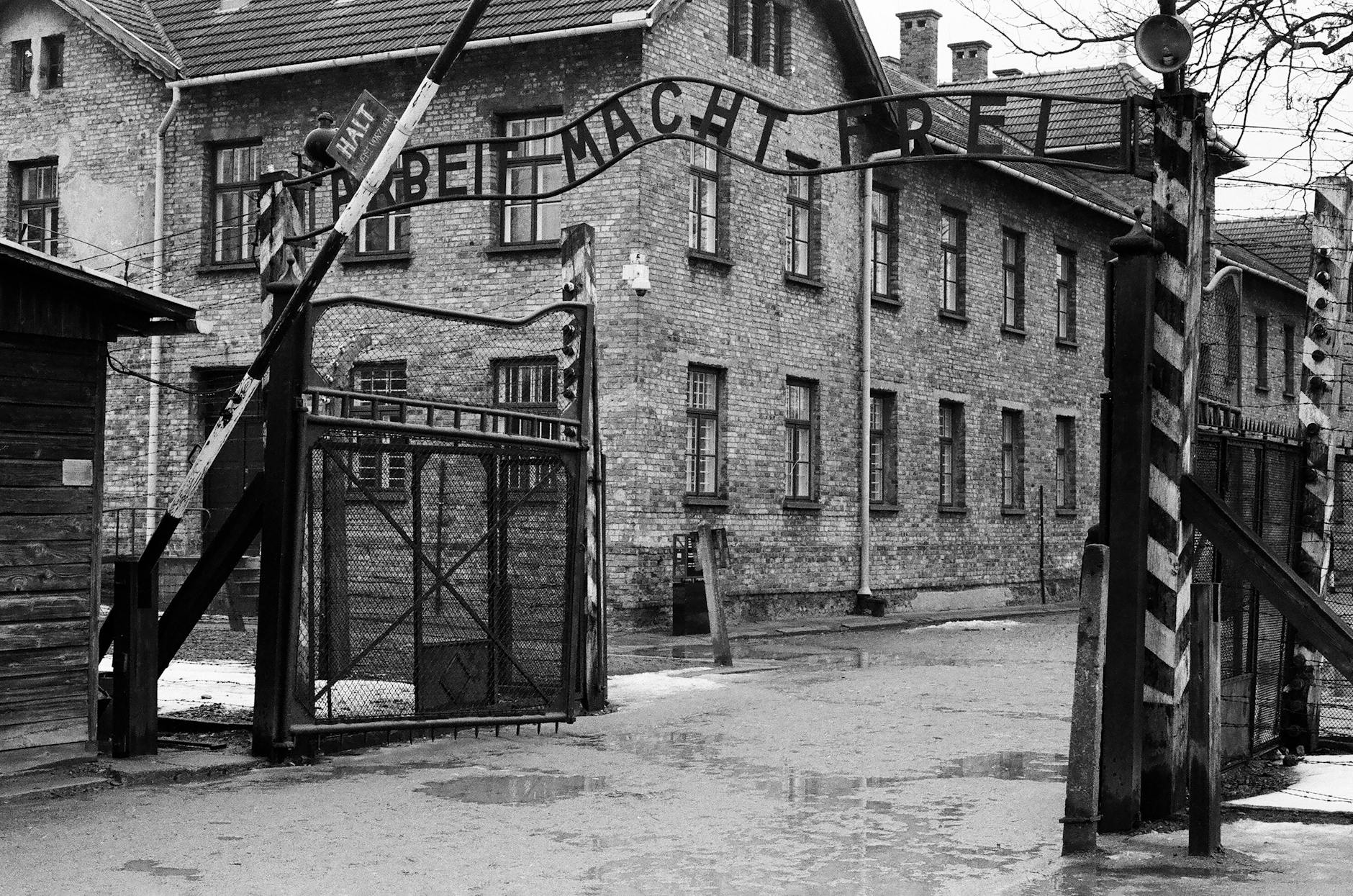
Sadly, hatred of ‘others’ is very often in the open these days, with much more just under the thin veneer of civilized society. It’s not enough to simply ‘never forget’ the events of the Holocaust, all forms of discrimination and hatred must be actively resisted. The Holocaust happened (and can happen again) when good people turn a blind eye to everyday hatred.

First they came for the Communists,
And I did not speak out
Because I was not a Communist.
Then they came for the Socialists,
And I did not speak out
Because I was not a Socialist.
Then they came for the trade unionists,
And I did not speak out
Because I was not a trade unionist.
Then they came for the Jews,
And I did not speak out
Because I was not a Jew.
Then they came for me,
And there was no one left
To speak out for me.
Martin Niemöller

The Holocaust didn’t begin in the gas chambers, it began with words of hate, because words matter. So, as we pause and remember, we need to reflect on how easy it is to dehumanise people and exclude them because they are different from us; maybe because of their colour or culture, their faith or politics, their gender or sexual orientation etc.

As well as remembering the evils of the past, we should commit to affirming all people, valuing everyone as part of the rich tapestry of humankind, and loving them as they are and for who they are.

Slaying Imaginary Dragons

1280px-st_george_and_dragon_philly

It seems to me there’s an element in the English psyche that needs an enemy to fight, a dragon for St George (a foreigner by the way) to slay; an element that harks back to the Second World War and an imagined golden age. In the absence of a current aggressor, that role has been taken for many years by the European Union, which the United Kingdom voted to leave in 2016 by a narrow majority in a divisive referendum.

The benefits of EU membership have never really been promoted, and often lies about the EU have been perpetuated that have established themselves in our national identity. For decades politicians have also been content to blame their failures on the EU because it’s been politically expedient for them to do so.

We dubiously lift ourselves up by putting others down, insulting the Germans (for example), and hating others rather than working together for the common good, even if we hurt ourselves in the process. The latter is especially so in the possible no-deal Brexit scenario, as this would have catastrophic consequences for the UK.

For some who voted Brexit, the ‘enemy’ is now those who voted to remain in the EU, often referred to as ‘traitors’ and ‘enemies of the people’. This attitude is unhelpful and dangerous as it opens the way for far-right extremists to gain influence and power, history reminding us this never ends well.

Somehow, our nation needs to unite and find the best way forward, but I’m not sure how this can happen, and I’m concerned about the country I love.