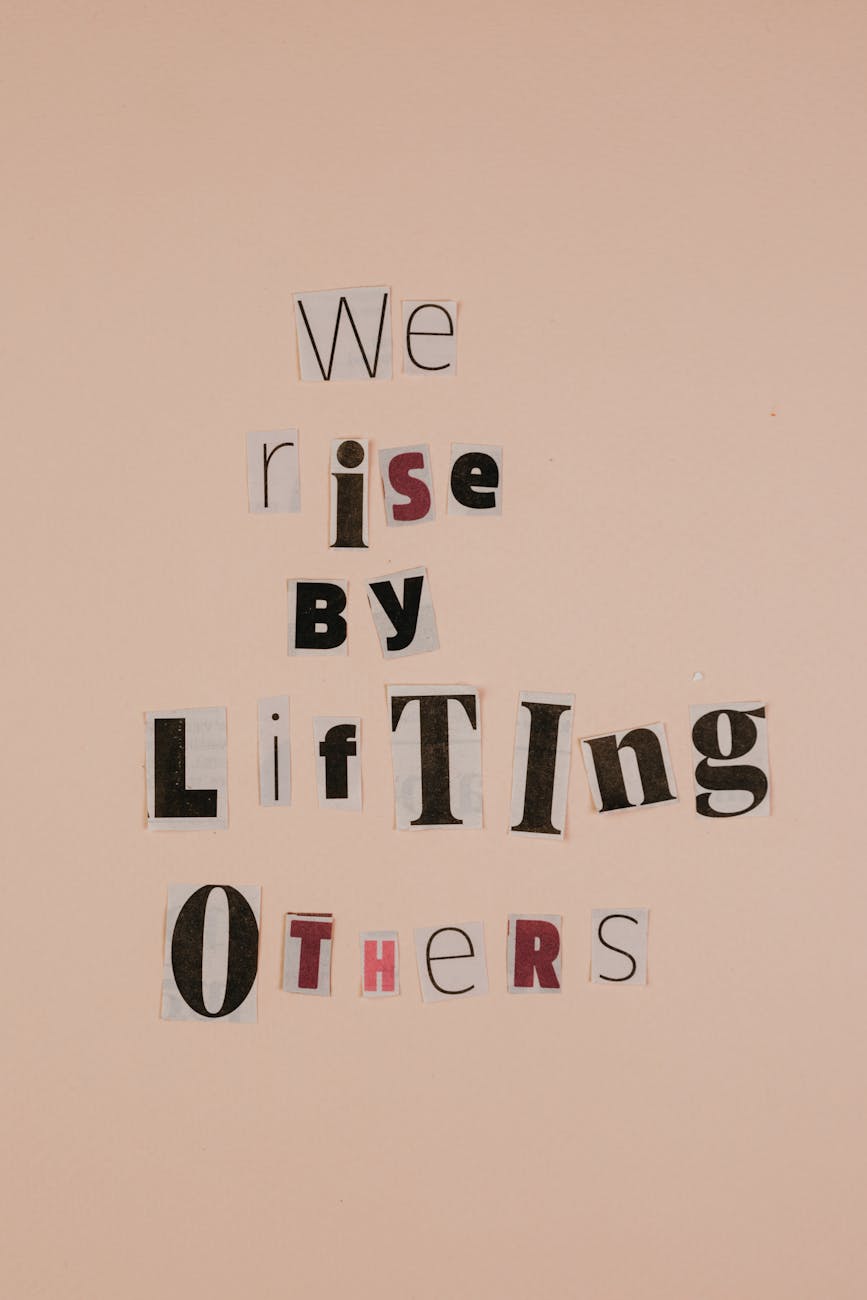
Kindness is simple, just a kind word, a thoughtful gesture, or a small act of compassion. It doesn’t require effort or expense. Yet, it can transform someone’s day, bringing light to their world.
When we choose kindness, we open the door to compassion. Each act fosters a ripple effect, spreading warmth, understanding, and connection. In doing so, we don’t just improve someone’s mood, we help to build a more empathetic, caring world.
It’s not about grand gestures. It’s about presence. It’s about noticing someone’s struggle, offering a smile, or listening without judgment. These moments matter, because they remind others that they are seen, valued, and not alone.
Kindness is free. And in a world that often feels fast and cold, it’s one of the most powerful forces we have.
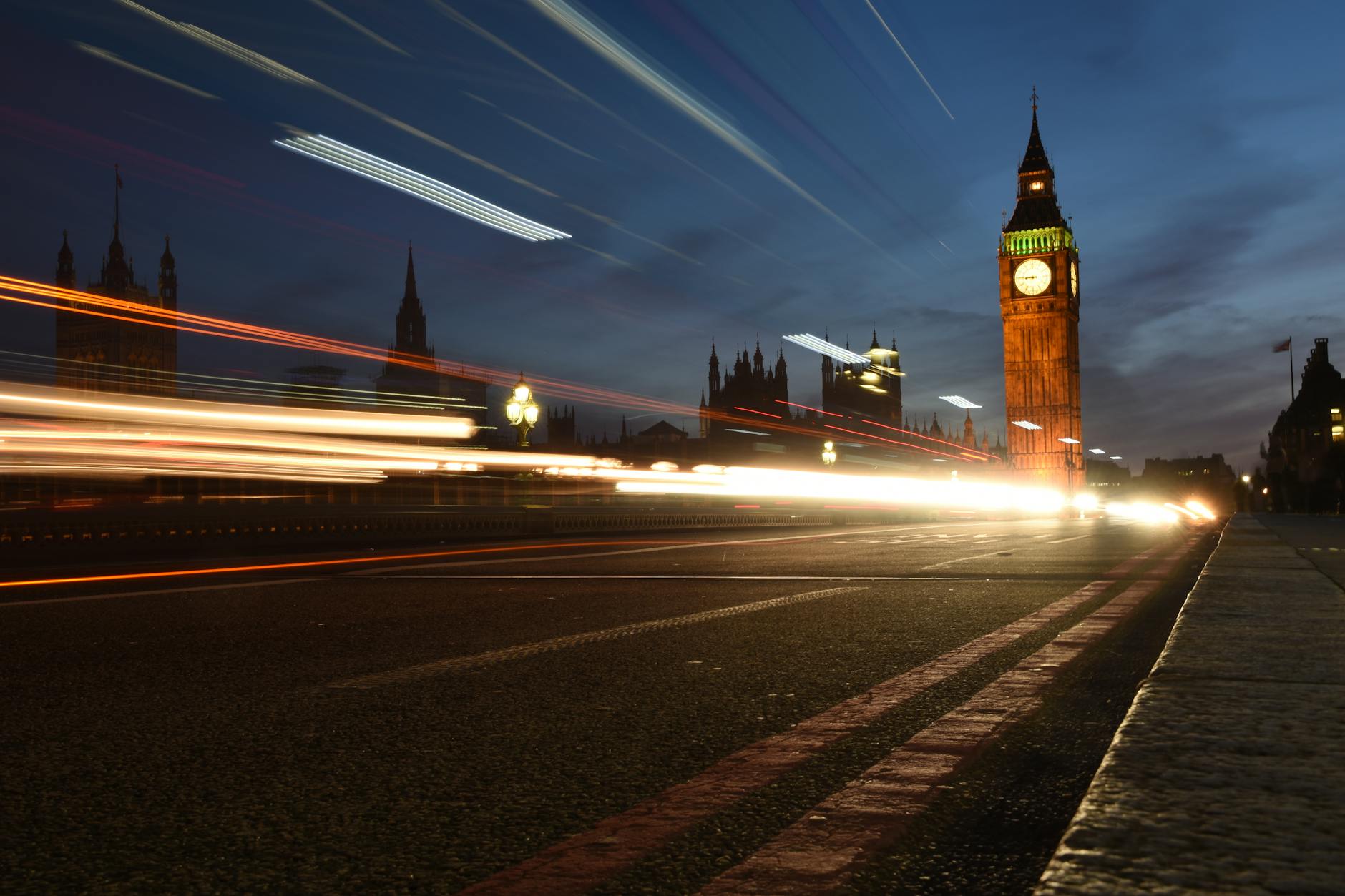
The Labour Government inherited a mess, an economy weakened by years of mismanagement, broken public services, crumbling infrastructure, and a deep erosion of trust in politics itself. They’re now adding to that mess in some ways, through poor communication, mixed messaging, and a tendency to shoot themselves in the foot just when they most need stability and clarity. Yet beneath the noise, there are real achievements that the public rarely hears about, serious efforts to repair what’s broken, rebuild international credibility, and steer Britain back toward fairness, competence, and decency.
The tragedy is that these good things are being drowned out by internal squabbles and self-inflicted wounds. Each time the party turns on itself or fails to explain its vision clearly, it chips away at the fragile confidence of those who placed their hope in change. Hitting the self-destruct button again and again doesn’t just harm the government, it harms the country, which desperately needs a period of calm, focus, and long-term rebuilding.
The last thing Britain needs right now is another leadership crisis or, worse, a premature General Election. That would hand a golden opportunity to populists like Nigel Farage (one of the architects of the current mess) whose brand of grievance and division offers no real solutions, only more chaos. The country deserves better than endless turbulence; it needs grown-up politics, honest communication, and the courage to stay the course long enough to make genuine recovery possible.
On the eleventh hour of the day, When silent, solemn people pray, A brazen standard slowly raised, And every passing thought it fazed.
A bugle holds its notes depressed, It grips the grief within its breast, Awakening from a quiet sleep, The mournful memories that we keep.
The Last Post call begins to climb, Above the march of wounded time, A rising sound, so clear and high, A final poignant, last goodbye.
It is the soldier’s evening bell, That duties over, all is well. The mind recalls a distant sound, Of footprints lost on foreign ground.
A memory stirs, the lists we keep, Of Grandfathers who did live…or sleep. They bore the shield, they saw the cost, the battle won, the loved ones lost.
The shell did burst, the flash of white… Such darkness born within the light. The shrapnel’s kiss upon the brow… A battle fought, still fighting now.
Though home he stood, a heavy toll, A silence broken in his soul. This memory allowed no full release, of one who gave his mind for peace.
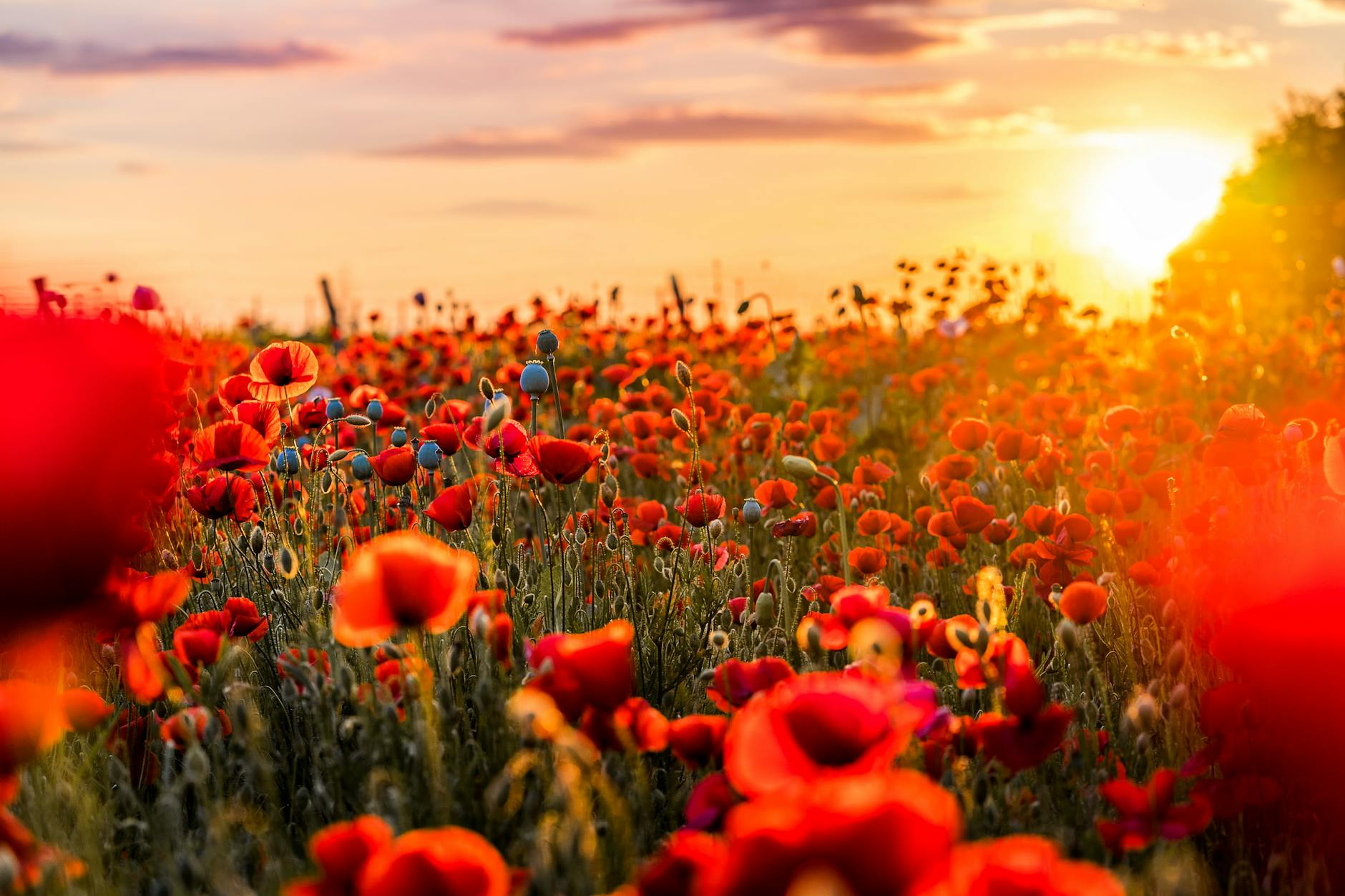
The crimson poppies newly laid, The costly heavy debt that’s paid. The world hold still for one brief space, with sorrow etched on every face.
In two small minutes, fast and slow, the deepest truths of war come through. And when the final note ascends, The price was paid for me and you.
This is my Remembrance Sunday Sermon at Stockton Salvation Army on Sunday 9 November 2025.
It starts with three short Bible readings (each with brief context), moves into two quotes (which I come back to later in the sermon), and then the sermon itself. There is an additional prayer at the end.
Psalm 51:3–5
For I know my transgressions, and my sin is always before me. 4 Against you, you only, have I sinned and done what is evil in your sight; so you are right in your verdict and justified when you judge. 5 Surely I was sinful at birth, sinful from the time my mother conceived me.
David recognises the depth of sin not just in his actions but in his very nature, expressing the idea that human brokenness is inherited and universal.
Luke 6:43–45
‘No good tree bears bad fruit, nor does a bad tree bear good fruit. 44 Each tree is recognised by its own fruit. People do not pick figs from thorn-bushes, or grapes from briers. 45 A good man brings good things out of the good stored up in his heart, and an evil man brings evil things out of the evil stored up in his heart. For the mouth speaks what the heart is full of.
Jesus uses simple imagery to show that goodness can flow from a good heart. It shows that goodness isn’t foreign to us, it springs from within, from the heart shaped by God’s image and nurtured by his grace. It reminds us that the human heart, though capable of terrible wrong, still holds the seed of goodness that God can help grow.
Galatians 5:22–23
But the fruit of the Spirit is love, joy, peace, forbearance, kindness, goodness, faithfulness, 23 gentleness and self-control. Against such things there is no law.
Paul describes how the Holy Spirit brings forth goodness and other virtues in those who open their hearts to God. This reminds us that genuine goodness isn’t merely human effort, but the Spirit’s life within us. Even though we’re marked by sin, the Spirit cultivates in us a new nature, one that reflects the goodness of God himself.
True lament is not born from that trite sentiment that the world is bad but rather from a deep conviction that it is worthy of goodness.
We are not meant for war, For target-seeking arms, For blood that stains a fun-meant shore, For shells that scream alarms.
Before we speak of Remembrance, we begin with lament – the honest naming of pain and the longing for goodness.
Remembrance Sunday invites us to pause between the silence of loss and the call of hope. It’s a day when memory feels sacred, when we remember those who gave their lives, and the terrible cost of human pride, fear, and sin.
Psalm 51 reminds us that brokenness runs deep, not only in history but in every human heart. David’s confession, surely I was sinful at birth, acknowledges a truth we’d rather avoid, that the seeds of destruction lie not only in nations but in us.
Yet Jesus, in Luke 6, speaks of another seed, goodness that can still grow within the human heart. A good tree bears good fruit, he says, hinting that beneath the ash of sin, the image of God remains – a spark of life that grace can fan into flame.
Paul takes us further, describing the fruit of the Spirit, love, joy, peace, and the rest, as evidence that goodness isn’t lost but renewed. It isn’t our achievement, but God’s own life flowering within us. So even as we lament the wars of the past and the wars still raging in hearts and lands, we dare to believe that goodness is possible.
So as we hold these scriptures together, we face a paradox that reaches to the heart of our faith…
Original sin reminds us we’re all touched by brokenness. The image of God reminds us we’re all capable of goodness. The first shows our need for grace, the second reveals our dignity and our hope.
This paradox has deep roots in Christian theology. It stretches back to the debates between Augustine, who emphasised humanity’s inherited sinfulness, and Pelagius, who believed in the innate capacity for goodness and moral choice. Over the centuries, theologians have wrestled with this tension, seeking to balance the reality of sin with the redeeming grace that restores human goodness through Christ.
On the one hand, the doctrine of original sin teaches that humanity is marked by a brokenness inherited from Adam and Eve, a bent towards self-centredness that no one can escape. On the other, the Scriptures affirm that every person bears the image of God, and so carries the possibility of goodness, love, and truth.
The reconciliation lies in holding both truths together without letting one cancel out the other. Original sin doesn’t mean humanity is utterly evil, but rather that even our best intentions are tinged with self-interest, fear, or pride.
Augustine and later theologians stressed that while sin distorts the image of God in us, it doesn’t erase it. That divine imprint remains, like a flame flickering under ash.
So, the possibility of goodness is real, but it isn’t self-sufficient. Our goodness always points back to God’s sustaining grace, the Spirit moving within us. Paul speaks of people who do by nature things required by the law, showing that even those outside the covenant can reflect God’s goodness written on the heart. And yet he also says, all have sinned and fall short of the glory of God.
The paradox is that both can be true: goodness is possible because of God’s image within us, but salvation and wholeness require grace beyond us.
In that way, original sin underscores the need for redemption, while the possibility of goodness affirms our dignity and responsibility. We are neither condemned to despair nor able to save ourselves by our own light; instead, we’re invited to trust the God who renews the image already planted within us.
Let’s return to that first quote:
True lament is not born from that trite sentiment that the world is bad but rather from a deep conviction that it is worthy of goodness. Cole Arthur Riley
This striking quote reframes what it means to grieve. Lament isn’t shallow pessimism or complaint. It doesn’t flow from cynicism, the shrug that says the world is hopeless and always will be. Instead, Riley shows that lament is rooted in love, in the belief that the world can and should be different. To cry out against injustice or brokenness is to affirm that goodness is possible, that life is meant for something more.
Lament demands both courage and imagination, asking us to recognize current pain while envisioning better possibilities. It resists giving in to suffering or cruelty and instead acts as a form of hope, those who mourn deeply often do so because they truly believe in meaning, justice, and beauty.
Riley’s understanding of lament turns it into a form of witness. To lament is to stand against indifference, to speak truth to the world’s brokenness, and to demand something better. It’s an active testimony, one that refuses to let the world settle for less than goodness.
Through her writing, Riley insists on a more human and liberating expression of faith; one that makes space for grief and tenderness yet never gives up on goodness. In her vision, lament is not weakness but love, not despair but hope strong enough to weep.
True remembrance is more than sorrow, it’s a cry of faith. Like she says, lament is born not of cynicism but of conviction that the world is worthy of goodness. We remember, then, not just to mourn what’s been lost, but to nurture what can yet grow: peace, mercy, and the Spirit’s fruit in every heart.
And so, we remember not just with tears, but with longing – longing for peace, for goodness, for the renewal of all things in God.
Harry Read was a wireless operator in the 6th Airborne Division when he was parachuted into Normandy in the early hours of 6 June 1944, aged 20.
As Commissioner Harry Read, he was a much-loved Salvation Army Officer, who served with distinction, and in later life shared his poetry on Facebook. These poems have been compiled into anthologies, books I treasure especially as he was my Training Principal.
These are his words:
We are not meant for war, For target-seeking arms, For blood that stains a fun-meant shore, For shells that scream alarms.
We are not meant to kill Or, even worse, to maim Because of some despotic will, And do it in God’s name.
We are not meant to mourn, Have chilling memories; Of youth and innocence be shorn, Call good men enemies.
We are not meant to hate And hate with gathering force, Because our hate we cultivate And poison reason’s source.
But we are meant for peace And joy and harmony, For hearts that know a blest release From hate and enmity.
And we are meant for God, For whom our spirits yearn, Who has our war-torn pathways trod In hope of our return.
[Pause]
Prayer for Remembrance Sunday
God of peace and mercy, we come before you with hearts full of gratitude and sorrow. We remember those who gave their lives in war— those who fell in foreign fields, those who never came home, and those whose wounds, seen and unseen, carried the weight of the world’s brokenness.
We remember, too, those who still serve today, striving to keep peace in troubled lands; and we pray for all who live with the grief, fear, or silence that war leaves behind.
Teach us, Lord, to remember not only with words, but with lives that honour their sacrifice— by seeking peace where there is hatred, by building bridges where there are walls, by loving even our enemies, as Christ loved us.
May your Spirit comfort the sorrowing, strengthen the weary, and guide all nations in the ways of justice and compassion. Until that day when swords are beaten into ploughshares, and your kingdom of peace reigns over all the earth.
Remembrance Sunday calls us to pause, to remember, and to seek peace. James writes, Who is wise and understanding among you? Let them show it by their good life, by deeds done in the humility that comes from wisdom. James 3:13-18. True wisdom, he says, isn’t about cleverness or control, but about gentleness and sincerity, qualities that echo the quiet strength of those we honour today.
As we remember the fallen, we think of lives given not in pursuit of pride, but in the hope of peace. James contrasts earthly wisdom, driven by envy and selfish ambition, with wisdom from above, which is pure, peace-loving, considerate, submissive, full of mercy and good fruit, impartial and sincere. Such wisdom doesn’t roar; it whispers through acts of courage, compassion, and costly love.
War is the tragic failure of wisdom, yet even in its shadows we see glimpses of heaven’s light. The peacemaker who comforts the broken, the nurse who tends the wounded, the soldier who lays down his life for others, all reflect the divine wisdom that sows peace.
So on this Remembrance Sunday, as the bugle’s call fades and silence falls, may we not only remember the cost of peace but also commit ourselves to live wisely, to be people whose humility and mercy sow peace in our homes, our communities, and our world. For, as James reminds us, Peacemakers who sow in peace reap a harvest of righteousness.
When it comes to same-sex relationships and equal marriage within Christianity, we can’t continue with our collective head in the sand, stifling discussion and not allowing room for the possibility of a theology that treats the lesbian, gay, bisexual and transgender community with respect. I say this as a straight man whose heart breaks to see individuals and same-sex couples excluded by dogma and rejected by the church, lose faith in the inclusive love of God, and (in the worst cases) take their own lives.
The Christian tradition, rooted in love, compassion, and the teachings of Jesus, has always emphasized the dignity of every person created in the image of God. Jesus’ actions, such as healing the sick, welcoming the outcast, and dining with sinners, demonstrate a radical inclusivity that challenges exclusionary interpretations of scripture. When we interpret scripture through a lens of exclusion, we risk distorting the very message of grace and mercy that defines Christianity.
The Gospel calls us to love our neighbours as ourselves, and that includes loving those who live in same-sex relationships, who identify as LGBTQ+, or who face societal marginalization. Theologians throughout history have long argued that love, not rigid categorizations, is the central tenet of Christian faith. The church must move beyond outdated traditions that were shaped by cultural and historical contexts that no longer reflect the spirit of Christ.
Equal marriage isn’t a political demand, it’s a moral imperative grounded in the biblical call to justice and equality. It’s not about changing God’s will, but about aligning our understanding of God’s love with the reality of human diversity. When we affirm same-sex relationships as valid expressions of love and commitment, we aren’t rejecting Christianity, we’re deepening it. We’re honoring the commandment to love one another, to forgive, to serve, and to embrace all people without judgment.
The church must become a place of healing, not division. It must provide safe spaces where LGBTQ+ individuals can find belonging, support, and spiritual growth. This isn’t a compromise of faith, it’s a fulfillment of it. In embracing inclusion, the church becomes more faithful to the teachings of Jesus, who saw no one as unworthy of love. True Christian witness isn’t found in exclusion, but in radical acceptance.
Seeing nuance in issues that others view as black and white can be both enriching and exhausting. It’s a strange kind of loneliness to stand in the grey areas, aware that truth rarely fits neatly into one camp or another. When I try to express that complexity, I’m often misunderstood by both sides; too cautious for one, too compromising for the other. Yet real life, real people, and real morality are far more intricate than slogans or hashtags can capture.
It’s entirely possible, even healthy, to agree and disagree at the same time. You can recognise the value in someone’s argument while still questioning their conclusions. You can want justice yet doubt the methods used to pursue it. You can admire tradition while welcoming change. Holding conflicting opinions doesn’t make you indecisive; it makes you honest about the world’s complexity and the limits of your own understanding.
At times, it’s draining to live in this tension, to resist the comfort of easy answers. But perhaps it’s also where empathy grows, in the willingness to listen deeply, to imagine why someone might see things differently. The world doesn’t need more certainty; it needs more curiosity, more grace for contradiction, and more people willing to dwell in the in-between spaces. That’s where we find truth, not as a fixed point, but as a living, shifting conversation that keeps us humble, human, and connected.
Sky News have produced an exceptional piece of journalism exploring how Elon Musk, via his ownership of X (formerly Twitter), is increasingly shaping political discourse in the UK, particularly by boosting right-wing and fringe voices. The investigation involved creating nine new British X accounts (three left-leaning, three right-leaning, three neutral) and collecting roughly 90,000 posts from about 22,000 accounts. The key finding was that over 60% of political content shown to these accounts came from right-wing sources, while only about 32% came from left-wing ones, and just 6% from non-partisan sources. Left-leaning users still saw nearly as much right-wing content as left. Neutral users saw twice as much right-wing content as left.
Musk himself has publicly endorsed or amplified figures like Rupert Lowe and Ben Habib, whose posts saw notable upticks in engagement when Musk replied or retweeted them. For example, Lowe’s tweets got roughly five times more reach when Musk engaged with them. The article suggests this is more than coincidence, the algorithm appears to favour right-wing and extreme content, with 72% of posts from ‘extreme’ authors coming from the right.
The piece also examines the broader shift: Musk’s overhaul of the platform, the drastic staff reductions after his takeover of Twitter, and a move towards open-sourcing the algorithm (though experts say the publicly available code offers limited transparency). Meanwhile UK regulators under the Online Safety Act are grappling with how to deal with these developments. Many voices quoted argue that unconstrained platform power coupled with algorithmic bias poses a threat to democratic discourse.
Every year on the 5th of November, skies across Britain come alive with fireworks, bonfires, and the smell of burning wood and toffee apples. Bonfire Night, or Guy Fawkes Night, is one of the nation’s most distinctive traditions, an autumn ritual of light, noise, and remembrance with roots that go back over four centuries.
Its story begins in 1605, during the reign of King James I. A group of English Catholics, angered by the King’s refusal to grant them greater religious tolerance, plotted to blow up the Houses of Parliament during its State Opening. Their aim was to kill the King and much of the Protestant establishment, hoping to spark a Catholic uprising. Among the conspirators was Guy Fawkes, an experienced soldier who’d fought for Catholic Spain. He was the one chosen to guard the barrels of gunpowder hidden beneath the House of Lords.
But the plan was discovered. An anonymous letter warned a nobleman to stay away from Parliament, and in the early hours of 5th November, Fawkes was caught red-handed in the cellar. He was tortured, forced to reveal the names of his fellow plotters, and later executed. The failure of the Gunpowder Plot was celebrated across the country as divine deliverance, and Parliament soon passed a law making 5th November a day of thanksgiving.
Early observances were deeply political, bonfires symbolised victory over treason, and effigies of the Pope were burned. Over time, however, the focus shifted. By the 18th century, communities were lighting bonfires, setting off fireworks, and parading homemade “Guys” through the streets for pennies. The religious animosity faded, replaced by something more communal and festive.
Today, Bonfire Night is a blend of history and celebration. The flames that once marked political survival now bring people together in parks and gardens, sharing sparklers, hot chocolate, and stories from a past that shaped the nation. As the fireworks burst overhead, it’s a reminder of the fragile balance between faith and power, rebellion and unity, and how history can be retold not through hatred, but through light.
I’ve been reflecting on being an older father with young children and wanting the best for them in the future (I also have two grown up children). Bringing up children today is far more challenging than it was just a generation ago, mainly because of the rise of technology and the Internet, but there are also huge societal changes that affect parenthood. Even though I’m a Baby Boomer, I can relate to my young children, and I remain in good health; but the problems facing the UK present their own challenge.
The age demographics of the United Kingdom have changed steadily over the past few decades, reflecting longer lives, lower birth rates, and patterns of migration that have reshaped communities. The overall population continues to grow, but that growth is most visible in older age groups. The median age has risen from just under forty at the start of the last decade to over forty now, with projections showing it will keep climbing in the years to come. The number of people aged sixty-five and over has grown significantly, while the proportion of children and young people has declined slightly. Wales and many rural areas have older populations on average than England’s major cities, where younger adults and families are more concentrated.
These shifts are largely the result of longer life expectancy, fewer children being born, and the ageing of large generations born after the Second World War. Many people now have children later in life, and some have fewer or none at all, which lowers the share of younger age groups. At the same time, advances in healthcare and living standards have extended lifespans, meaning that people spend more years in retirement than before. Migration has also played a key part in shaping the balance of ages, with younger workers arriving from overseas to fill gaps in the labour market and contribute to the economy.
An ageing population brings both challenges and opportunities. On one hand, there’s growing demand for healthcare, social care, and suitable housing, alongside pressure on pension systems and public finances. The ratio of working-age adults to those who are retired is slowly narrowing, which can strain services funded by taxation. On the other hand, an older population can mean a more experienced workforce, strong community engagement, and new possibilities for volunteering, learning, and connection between generations.
The pattern of change is uneven. Urban areas often remain younger and more diverse, while coastal and rural regions are ageing faster. Policymakers and local authorities are increasingly aware of the need to adapt schools, housing, transport, and health provision to reflect these demographic realities. The long-term trend is clear: Britain is becoming older as a nation, but with that comes the opportunity to rethink how society values every stage of life and how generations support one another in a changing world.
As I look at my own family against this backdrop of a changing nation, I feel both the weight of responsibility and the quiet gift of perspective. Being an older father means I see my young children’s future through the lens of experience, mindful of how fragile and precious time really is. I want them to inherit a country that values compassion over division, wisdom over noise, and hope over cynicism. Technology and social change will continue to reshape their world, but what endures (that I can still offer) is love, stability, curiosity, and faith in their potential. Perhaps that’s what connects the generations most deeply: the belief that, however uncertain the times, there’s always something worth passing on, something good still growing in the soil of tomorrow.






 John Ager's Home on the Web!