A billionaire worth around £17 billion who has moved his tax residence to Monaco is now criticising immigration and suggesting migrants are a major cause of Britain’s problems.
Whatever your view on immigration, it’s hard to ignore the hypocrisy. When extremely wealthy individuals avoid paying large amounts of tax in the UK, it weakens the funding base for public services like the NHS, schools, and local councils.
This kind of rhetoric risks turning working people against migrants, while far bigger pressures come from inequality, underfunding, and a system that allows the richest to opt out of contributing fairly.
If we want honest solutions, we should focus less on scapegoating newcomers and more on holding the powerful to account.
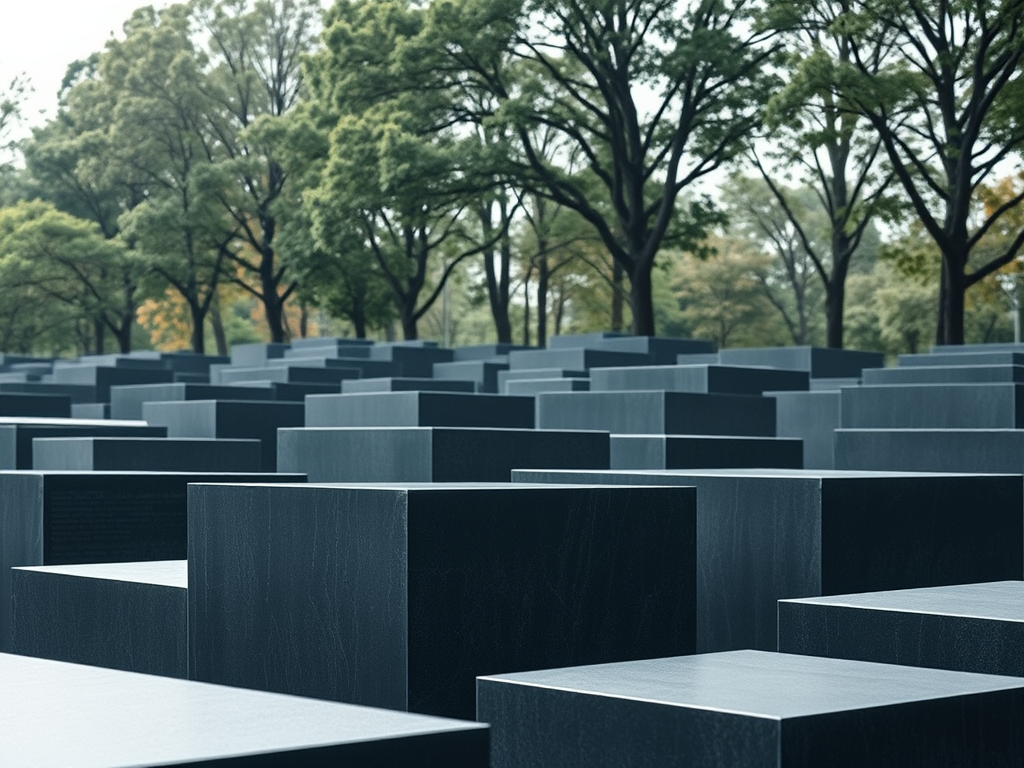
Holocaust Memorial Day calls us into a sacred kind of remembering, not distant or abstract, but close to the heart, where names, faces, and stories matter. We remember the six million Jewish lives stolen, alongside Roma, disabled people, LGBTQ+ people, political dissidents, and so many others whose humanity was denied. We don’t remember to wallow in despair, we remember because love demands truth, and because forgetting is the first step towards repeating.
Scripture doesn’t offer easy comfort here, but it does offer presence. “The Lord is close to the brokenhearted and saves those who are crushed in spirit,” the psalmist writes, and we cling to that promise for every life shattered by hatred. The cry of Micah still confronts us with holy clarity: God requires us “to act justly and to love mercy and to walk humbly with your God.” Remembrance, then, is not passive, it’s a call to live differently.
We hold the tension between grief and hope. We name the darkness honestly, because anything less would betray the truth, yet we also dare to believe with John’s gospel that “the light shines in the darkness, and the darkness has not overcome it.” That light flickers in every act of resistance to hatred, every stand against prejudice, every choice to protect the dignity of another.
Today, we remember with reverence, we lament with sincerity, and we commit ourselves again to compassion, justice, and courageous love, trusting that God’s memory is deeper than ours, and that no life, no story, no tear is ever forgotten.
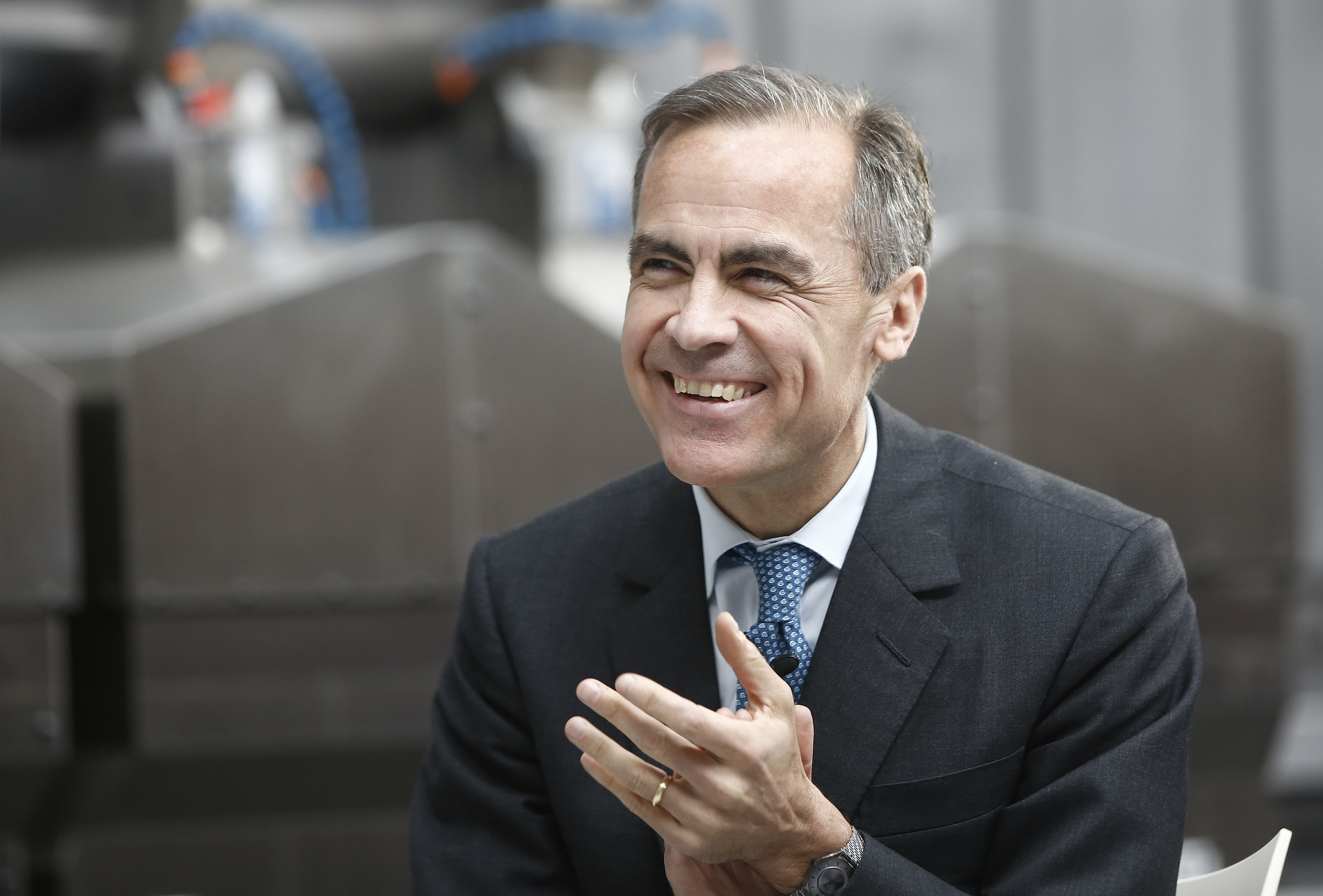
Mark Carney’s Davos speech argues that the familiar story of a stable, rules-based international order has broken down, replaced by an era of intensified great power rivalry where economic interdependence is increasingly used as a tool of coercion. He warns that middle powers can no longer rely on comforting fictions, symbolic commitments, or inherited institutions for protection, and instead must adopt honesty about the world as it is. Drawing on Václav Havel’s idea of “living in truth”, he challenges countries and companies to stop performing compliance with systems they know are failing, and to act consistently with their stated values.
Carney proposes a path he calls values-based realism, combining principled commitment to sovereignty, human rights, and the rule of law with pragmatic engagement across a fragmented world. He argues that strategic autonomy is necessary, but that isolated national fortresses would leave everyone poorer and less secure. Instead, middle powers should cooperate through flexible coalitions, shared standards, and collective investment in resilience, creating practical alternatives to weakened global institutions.
He presents Canada as an example of this approach, outlining domestic reforms to strengthen economic capacity, major investments in defence, infrastructure, energy, AI, and critical minerals, and a deliberate strategy of diversifying international partnerships across regions and issues. Through variable coalitions on security, trade, technology, and climate, Canada seeks to increase its influence without subordination to any hegemon.
Carney’s core message is that middle powers still have agency. By naming reality, strengthening themselves at home, and acting together with integrity, they can help build a more honest, cooperative, and just international order rather than retreating into fear or nostalgia.
The Book of Hosea offers one of scripture’s most searching critiques of what happens when faith becomes entangled with power, identity, and national pride. It speaks into any age where devotion to God is claimed loudly, yet trust quietly shifts towards political strength, cultural dominance, and the comfort of belonging to the “right” side of history. Hosea’s burden is not that the people of Israel stopped being religious, but that their religion had become distorted, busy with ritual yet hollowed out by misplaced loyalties.
Again and again, the prophet exposes the danger of claiming God’s authority for structures God has not ordained. They set up kings without my consent; they choose princes without my approval (Hosea 8:4) is a devastating spiritual diagnosis, not simply a political observation. It confronts the instinct to baptise human systems with divine approval, to assume that national success, military strength, or political dominance must surely reflect God’s favour. Hosea insists that such confidence is a form of unfaithfulness, even when it wears religious clothing.
What makes this prophecy so piercing is its emotional honesty. The critique is not cold or detached. God’s voice through Hosea is full of anguish and longing, not triumphalism. How can I give you up, Ephraim? How can I hand you over, Israel? (Hosea 11:8) reveals a heart broken by the distance between what faith is meant to be and what it has become. This is not the language of contempt, but of wounded love.
Hosea calls the people back to a faith rooted in trust, justice, mercy, and humility rather than in power or identity. That call remains timeless. Whenever Christianity is used to defend control rather than compassion, to protect privilege rather than pursue righteousness, Hosea’s voice still speaks. It invites honest self-examination, gentle repentance, and a return to the God who desires steadfast love more than sacrifice, and faithfulness more than any display of religious certainty.
Let’s be honest about what’s happening here. X hasn’t simply “changed”, it’s been deliberately reshaped into something harsher, noisier, and less trustworthy, and people are right to walk away. A public square that once aspired, however imperfectly, to host plural voices has become a platform where outrage is rewarded, nuance is buried, and misinformation travels faster than truth. That’s not accidental, it’s structural, and users are being asked to accept it as the new normal.
Trust has been hollowed out. Moderation has been weakened in the name of “free speech”, but what that has often meant in practice is freedom for the loudest, the most aggressive, and the most cynical. Good-faith conversation gets drowned. Marginalised voices retreat. Reasonable people self-censor or leave altogether. A space that silences people through hostility is not a free space, it’s a hostile one.
Then there’s the concentration of power. One individual now exerts extraordinary influence over rules, reach, and direction, with minimal transparency and no meaningful accountability. You don’t need a law to be broken to decide you want no part in that. Consumers are allowed to make moral choices. Withdrawing attention, data, and participation isn’t censorship, it’s conscience.
Grok sits uncomfortably inside all of this. It isn’t being received as a neutral, trustworthy tool, but as an extension of the platform’s brand and ideology. When the environment around a technology feels politicised, unstable, and ego-driven, trust in the technology collapses with it. That’s not irrational scepticism, it’s common sense.
People aren’t leaving because they’re fragile or offended. They’re leaving because they can see clearly what the platform has become, and they refuse to pretend otherwise. That’s not virtue signalling, it’s integrity.
Many things in our modern world require complex explanation, yet people increasingly want simple, black and white answers. We live in an age shaped by science, technology, economics, psychology, and global interconnection, all of which are layered and subtle. Real understanding often demands patience, humility, and a willingness to sit with uncertainty. But too many people resist that discomfort. They’d rather reach for certainty than wrestle with complexity, rather accept a neat story than think carefully about probabilities, evidence, or the messy realities of human behaviour.
Social media makes this worse. Its design rewards speed over reflection, outrage over balance, and certainty over curiosity. Algorithms don’t promote nuance because nuance doesn’t travel well. What spreads fastest are the loudest, simplest, most emotionally charged claims, regardless of whether they’re true. In that environment, conspiracy theories flourish and extremism feels normalised. Ignorance isn’t just tolerated; it’s amplified, packaged, and broadcast with confidence.
That’s what makes it so exhausting. Trying to explain basic concepts in science, history, or maths can feel like pushing against a tide. Conversations that should begin with shared foundations often start with fundamental misunderstandings. Instead of building on common ground, you’re forced to go back to first principles again and again. It drains energy, patience, and hope. Yet the work still matters, because without careful thinking, honest learning, and respect for complexity, we lose our grip on truth itself, and that loss carries consequences for everyone.
The killing of Renee Nicole Good has forced the USA into a defining moment, one that exposes in painful clarity two competing visions of what the country is and what it ought to be.
On one side are those who believe that accountability must apply to everyone, without exception, that the rule of law only has meaning if it restrains power rather than protects it. They argue that when an American citizen is killed in the street by a federal agent, the response must be humility, transparency, and an independent search for truth. They insist that no uniform, no badge, and no political convenience should shield anyone from scrutiny. This vision is rooted in the belief that justice is fragile and must be actively defended, especially for those whose voices are most easily ignored.
On the other side is a far darker impulse, one that rushes to judgement, excuses violence, and treats state power as something to be obeyed rather than questioned. An administration that has already declared the agent innocent and the woman he killed guilty, before any meaningful investigation has begun, sends a chilling message about whose lives are valued and whose are expendable. That instinct embraces impunity over process, loyalty over truth, and force over fairness.
This moment is no longer only about one death, tragic as that is. It’s become a test of whether America still believes in equal justice under the law, or whether it is prepared to surrender that ideal in the name of power, fear, and political expediency.
The world order is changing at an alarming pace, and what’s at stake reaches far beyond any single conflict or crisis. The credibility of international law itself is under pressure, tested by actions that appear selective, self-serving, or indifferent to agreed norms. When rules are applied inconsistently, or bent to suit the interests of the powerful, law begins to look less like a shared framework for justice and more like a tool of convenience. That erosion doesn’t happen overnight, but once trust is weakened, it’s painfully hard to restore.
Alongside this, the authority of the United Nations is being steadily undermined when its resolutions are ignored, bypassed, or treated as optional. The UN was never perfect, but it was built on the conviction that dialogue, restraint, and collective decision-making were preferable to unilateral force. When states act as though multilateral institutions matter only when they deliver convenient outcomes, they hollow those institutions out from within, leaving little more than symbolism where substance once stood.
At the heart of the matter lies a vital principle, that no state, however powerful, can appoint itself as judge, jury, and enforcer of the world order. Power without accountability breeds resentment, instability, and, ultimately, resistance. If might replaces right as the organising logic of global affairs, smaller nations are left exposed, alliances fray, and cooperation gives way to fear and calculation.
If that principle collapses, so too does the fragile trust on which global cooperation depends. Climate action, humanitarian protection, arms control, and peace itself all rely on the belief that rules mean something, and that no one is above them. Once that belief is lost, the consequences will be felt everywhere, and for generations.
Holy Innocents’ Day confronts us with one of the darkest moments in the Christmas story. Matthew tells of Herod, fearful and threatened, ordering the slaughter of Bethlehem’s children, a brutal act of power seeking to silence hope. Rachel weeping for her children, refusing to be comforted, is an image that still aches with truth today. The birth of Christ is barely announced before violence erupts, reminding us that God’s love enters a world already wounded.
This day refuses to let faith drift into sentimentality. It insists we look honestly at the cost of injustice and the suffering of the vulnerable. The holy family themselves become refugees, fleeing by night into Egypt, carrying with them fear, uncertainty, and a fragile child who is nevertheless God-with-us. Jesus’ story begins not in safety, but in danger.
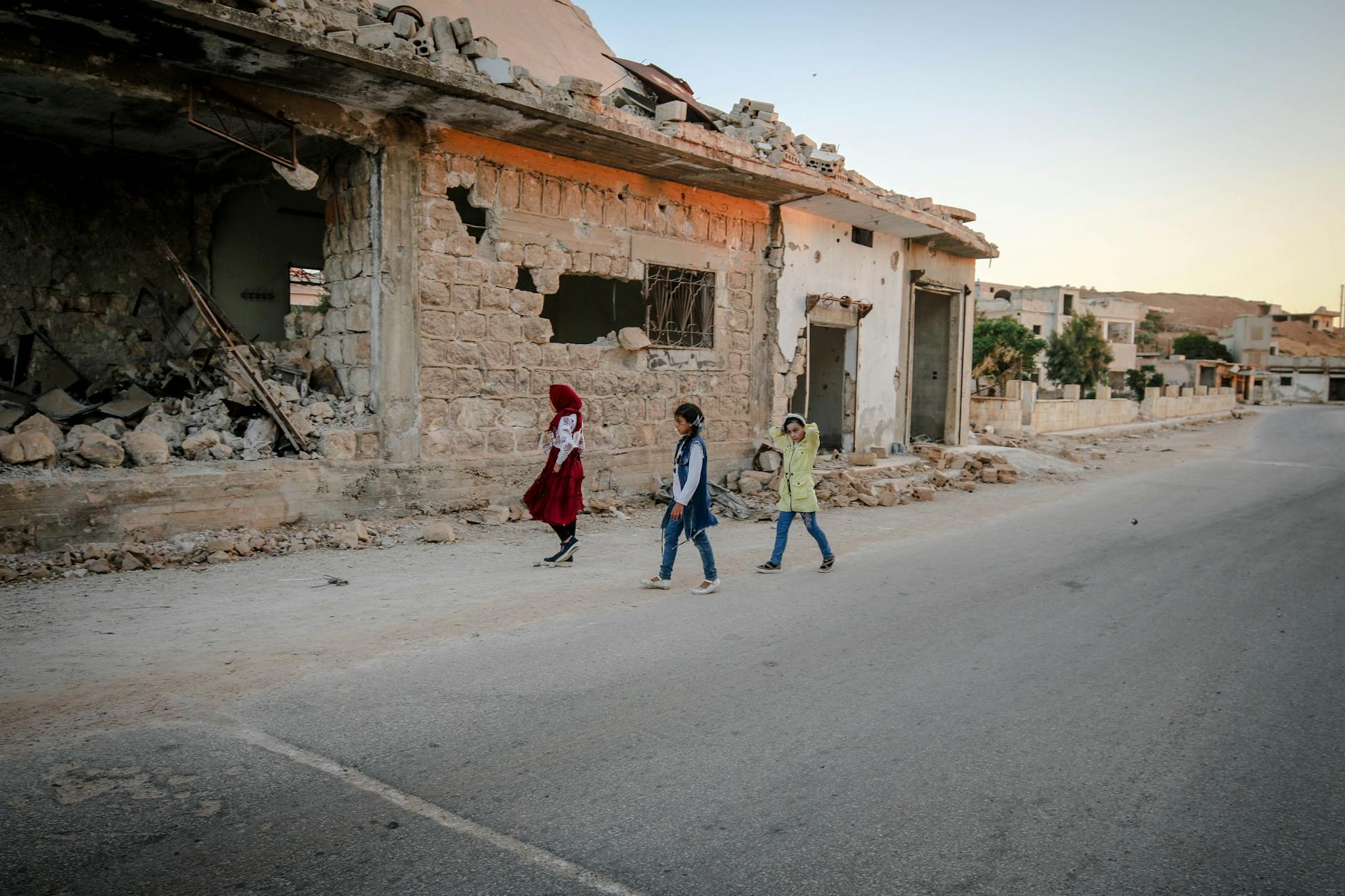
In our own time, the echoes are unmistakable. Children continue to suffer because of war, poverty, abuse, and neglect. From conflict zones where young lives are shattered, to quieter harms closer to home where children are unseen or unheard, the cry of the innocents has not faded. Holy Innocents’ Day calls us to resist becoming numb. It asks whether we are willing to notice, to grieve, and to act.
Yet this day is not only about sorrow. It also proclaims that God stands unequivocally with the vulnerable. The powers of violence do not get the final word. Even here, God’s purposes are quietly unfolding, carried forward by courage, compassion, and faithful care. Remembering the holy innocents invites us to align our lives with that divine tenderness, to protect, to speak out, and to nurture hope where it feels most fragile. In doing so, we honour those children, then and now, whose lives matter deeply to God.
People don’t say “Happy Holidays” because they’re ashamed of Christmas. They say it because several holidays occur around the same time – Christmas, Hanukkah, Kwanzaa, New Year, and others. Using an inclusive greeting simply recognises the reality of multiple celebrations happening at once. Yet somehow, this has been framed as a cultural threat.
In truth, the areas often criticised for saying “Happy Holidays” tend to be more economically productive, globally connected, and culturally diverse. People there interact daily with neighbours, colleagues, and strangers who don’t look, worship, or live exactly as they do. Exposure to different traditions isn’t threatening, it’s normal. Acknowledging others’ celebrations doesn’t diminish your own.
Graphics or narratives that suggest otherwise aren’t educational. They are carefully packaged branding, a form of grievance marketing designed to create division rather than understanding. When such messaging forms the bulk of someone’s information diet, it shapes their perception of the world in a narrow and fearful way.
Loving Christmas and recognising why “Happy Holidays” exists aren’t contradictory. They can coexist comfortably, reflecting both personal tradition and social awareness. Inclusivity doesn’t erase identity; it affirms that in a shared world, multiple stories and celebrations can exist side by side.
So this season, there’s no need to choose between joy and acknowledgment. You can celebrate what you love while respecting others’ traditions. In doing so, the message is clear: kindness, curiosity, and understanding matter more than cultural grievance. Merry Christmas and Happy Holidays!






 John Ager's Home on the Web!