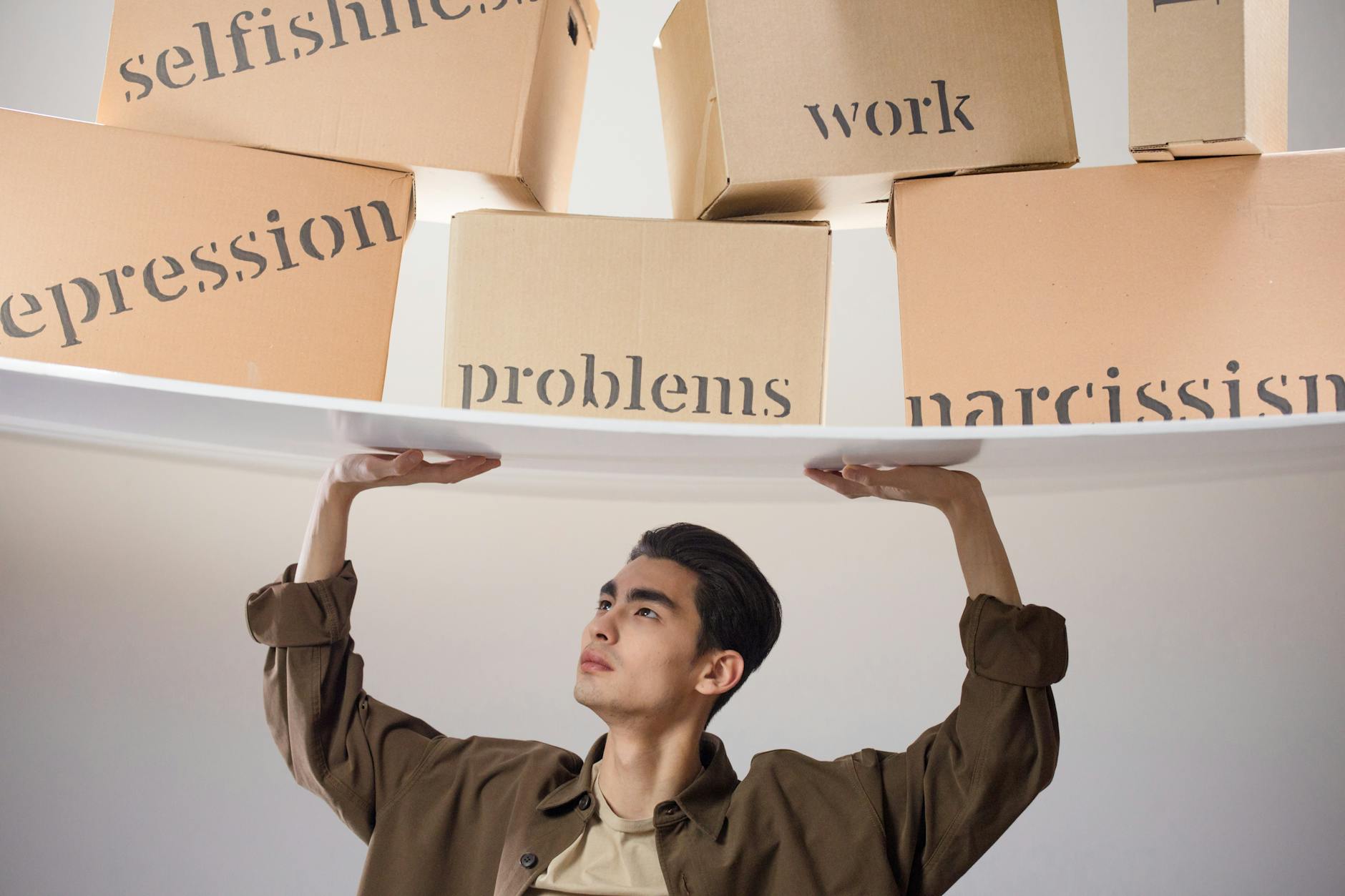
Mental resilience is the quiet strength that helps us stay steady when life tilts, wobbles, or falls apart. It isn’t about pretending everything’s fine or forcing ourselves to be endlessly positive; it’s the capacity to bend without breaking, and to trust that even when we do break a little, we can grow back in ways that are wiser, kinder, and more grounded. Resilience begins in those small moments when we choose to breathe before reacting, to ask for help when pride whispers otherwise, or to take one small step forward when standing still feels safer.
At its heart, mental resilience is a relationship with ourselves. It’s built slowly, like muscle memory, through the ways we respond to stress, disappointment, and uncertainty. When we face a setback, resilience reminds us that the story isn’t over. When emotions surge, it gives us space to feel them without being swept away. When life becomes overwhelming, it helps us notice what’s still steady beneath our feet, and what’s still good around us.
Resilience isn’t fixed, it grows with practice. Healthy routines, supportive relationships, rest that genuinely restores, and self-talk that’s honest but gentle all strengthen it. It deepens when we learn to name what hurts, and when we let ourselves be imperfect without slipping into shame. It’s also strengthened by purpose, by knowing what matters to us, and by returning to those values when everything else feels noisy or unstable.
Perhaps the most hopeful thing about mental resilience is that it doesn’t require extraordinary bravery. It asks only for openness, curiosity, and the willingness to begin again. Over time, it becomes a kind of inner warmth, a steadying voice that says, you’ve been here before, and you made it through. You can make it through this as well, and you’ll carry new strength with you as you go.
With so much negativity about, it might seem difficult to remain positive. This reflection is about how I see the challenge, and what I try to do to keep my balance on the plus side.
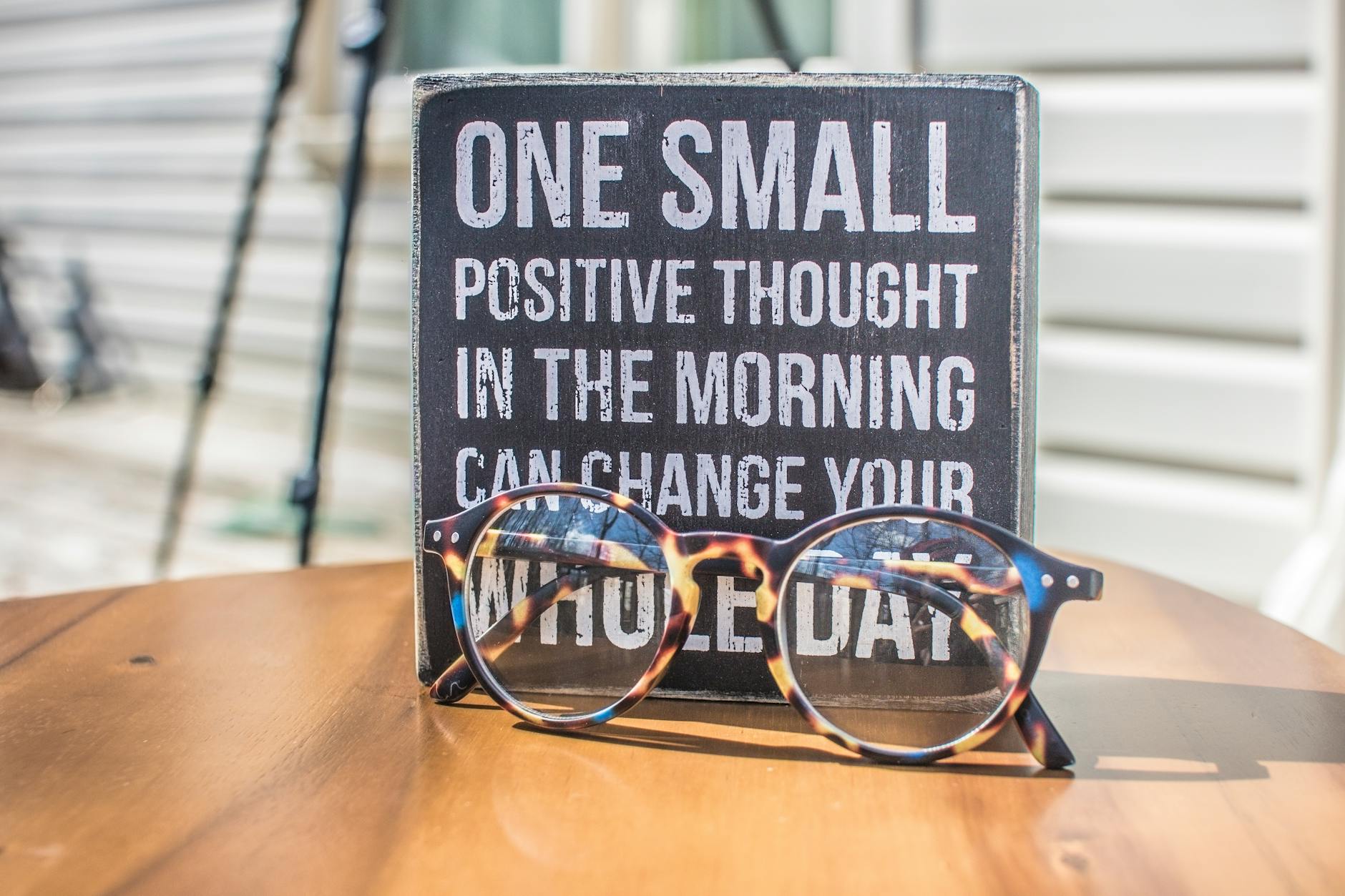
Positivity isn’t about pretending life’s perfect or ignoring difficulties; it’s about choosing to notice what’s good, even when things aren’t easy. It’s a mindset that favours hope over cynicism, gratitude over complaint, and calm over worry. Small, intentional habits can make a big difference.
Start with gratitude. Each evening, take a moment to reflect on three things you’re thankful for, a warm drink, a friendly smile, a moment of peace. Gratitude gradually retrains your mind to focus on what’s right rather than what’s missing. Be gentle with yourself, too. When negative thoughts appear, ask, “Is there another, kinder way to see this?” Over time, that simple question can change your inner voice from critic to encourager.
Surround yourself with positive influences; people, books, music, and conversations that lift your mood and bring out your best. Do something small and kind each day. A thoughtful message, a smile, or a helping hand can spark connection and joy that spreads both ways.
Learn to accept what you can’t control. Much of life’s stress comes from trying to manage the unmanageable. When you focus instead on what you can change, your actions, your outlook, your response, you create space for peace and perspective.
Finally, make room for rest and reflection. Pause, breathe, and allow quiet moments to reset your thoughts. Positivity grows in that stillness, helping you meet each day with balance, compassion, and gratitude.
I’ve been reflecting on being an older father with young children and wanting the best for them in the future (I also have two grown up children). Bringing up children today is far more challenging than it was just a generation ago, mainly because of the rise of technology and the Internet, but there are also huge societal changes that affect parenthood. Even though I’m a Baby Boomer, I can relate to my young children, and I remain in good health; but the problems facing the UK present their own challenge.
The age demographics of the United Kingdom have changed steadily over the past few decades, reflecting longer lives, lower birth rates, and patterns of migration that have reshaped communities. The overall population continues to grow, but that growth is most visible in older age groups. The median age has risen from just under forty at the start of the last decade to over forty now, with projections showing it will keep climbing in the years to come. The number of people aged sixty-five and over has grown significantly, while the proportion of children and young people has declined slightly. Wales and many rural areas have older populations on average than England’s major cities, where younger adults and families are more concentrated.
These shifts are largely the result of longer life expectancy, fewer children being born, and the ageing of large generations born after the Second World War. Many people now have children later in life, and some have fewer or none at all, which lowers the share of younger age groups. At the same time, advances in healthcare and living standards have extended lifespans, meaning that people spend more years in retirement than before. Migration has also played a key part in shaping the balance of ages, with younger workers arriving from overseas to fill gaps in the labour market and contribute to the economy.
An ageing population brings both challenges and opportunities. On one hand, there’s growing demand for healthcare, social care, and suitable housing, alongside pressure on pension systems and public finances. The ratio of working-age adults to those who are retired is slowly narrowing, which can strain services funded by taxation. On the other hand, an older population can mean a more experienced workforce, strong community engagement, and new possibilities for volunteering, learning, and connection between generations.
The pattern of change is uneven. Urban areas often remain younger and more diverse, while coastal and rural regions are ageing faster. Policymakers and local authorities are increasingly aware of the need to adapt schools, housing, transport, and health provision to reflect these demographic realities. The long-term trend is clear: Britain is becoming older as a nation, but with that comes the opportunity to rethink how society values every stage of life and how generations support one another in a changing world.
As I look at my own family against this backdrop of a changing nation, I feel both the weight of responsibility and the quiet gift of perspective. Being an older father means I see my young children’s future through the lens of experience, mindful of how fragile and precious time really is. I want them to inherit a country that values compassion over division, wisdom over noise, and hope over cynicism. Technology and social change will continue to reshape their world, but what endures (that I can still offer) is love, stability, curiosity, and faith in their potential. Perhaps that’s what connects the generations most deeply: the belief that, however uncertain the times, there’s always something worth passing on, something good still growing in the soil of tomorrow.
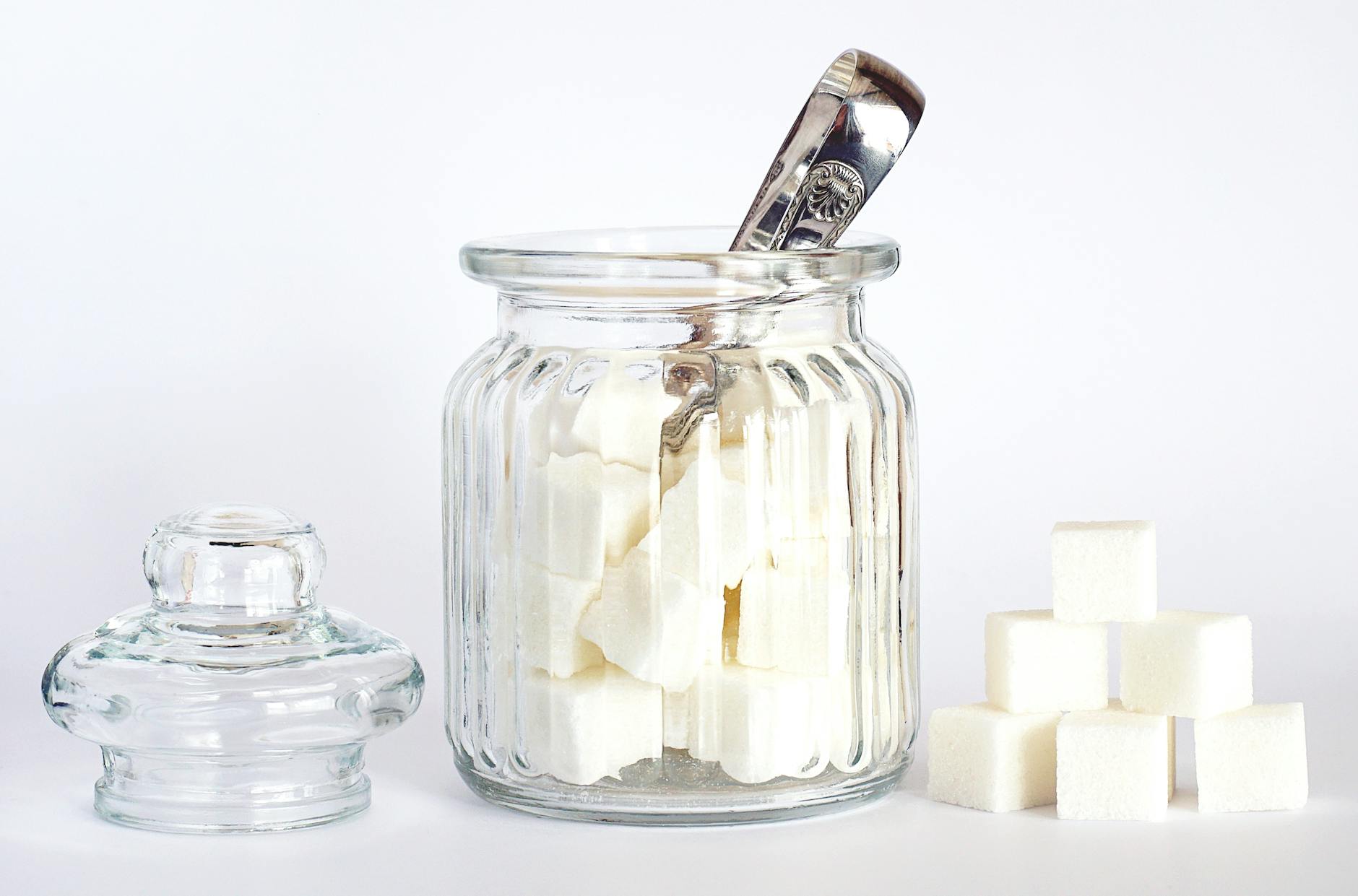
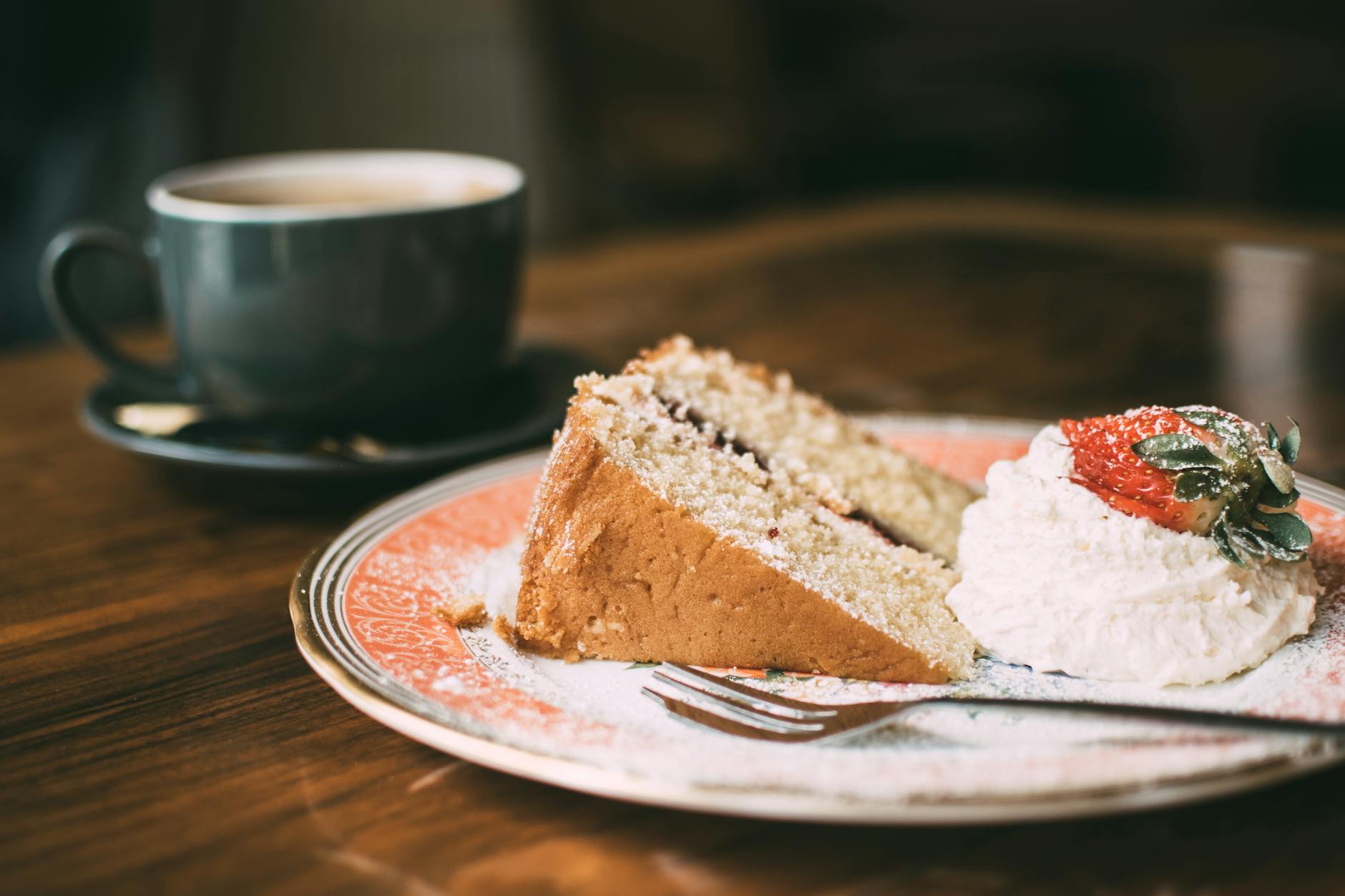
When food manufacturers label a product “low fat”, they should probably be obliged to also label it ‘high sugar’. For decades, the food industry has ridden the wave of fat-phobia, convincing consumers that cutting fat automatically means eating healthily. Yet, in reality, the fat often removed for marketing appeal is replaced by sugar or refined carbohydrates to maintain taste and texture. The result isn’t a healthier product, but one that can be just as (if not more) damaging to our bodies.
Fat, especially unsaturated fat, is essential for energy, hormone balance, and nutrient absorption. Sugar, on the other hand, offers empty calories and can wreak havoc on our metabolism when consumed excessively. The problem is that consumers trying to make responsible choices are often misled by selective labelling. “Low fat” sounds virtuous, but without full disclosure, people may unknowingly choose foods that spike blood sugar and contribute to weight gain, diabetes, and heart disease.
If honesty were the rule rather than the exception, a “low fat” label would have to sit alongside a clear statement of sugar content; ideally in simple, visible language rather than fine print. People deserve to know what they’re eating without needing a degree in nutrition. Transparency shouldn’t be optional; it’s a matter of public health. Perhaps then, we’d think twice before assuming that “low fat” yoghurt or cereal bar is a healthy choice, and start valuing balance, moderation, and genuine nourishment over clever marketing.
All the apps on your smartphone are designed to draw you in, and this can be unhealthy. So, think about turning OFF notifications and choosing when you access social media and the like.
Every ping, buzz, and pop-up is crafted to capture your attention, keeping you scrolling longer than you meant to. What begins as a quick check of messages or news often turns into half an hour lost to endless feeds and fleeting updates. These platforms aren’t neutral; they’re engineered to manipulate human psychology, using likes, alerts, and endless refresh loops to reward your brain just enough to keep you hooked.
It’s easy to feel that you’re in control because you choose what to click, but often it’s the algorithms choosing for you. They decide what you see, what you think about, and how long you stay. Over time, this constant digital noise can increase anxiety, shorten your attention span, and leave you oddly unsatisfied.
Breaking free doesn’t mean rejecting technology altogether. It means reclaiming your time and focus. Try setting boundaries; keep your phone out of reach during meals, resist checking it first thing in the morning, and take moments of quiet without the screen. Notice how your thoughts clear, how real conversations deepen, how silence feels less awkward.
You’ll discover that connection, creativity, and calm are still possible beyond the glow of your phone. Take back control. Don’t let the apps control you. Apps are tools NOT masters. Life is more important.
Language shapes the way we understand life, death, and everything in between. When it comes to suicide, the words we choose carry enormous weight. For many years, people said someone “committed suicide,” a phrase that lingers from a time when suicide was considered a crime. Until the 1960s, some parts of the world even treated attempted suicide as an offence punishable by law. Although those laws have changed, the language hasn’t, and the shame once attached to the act still echoes through that single word – committed.
To describe someone as having “committed” suicide suggests guilt or wrongdoing, yet suicide isn’t a crime. It’s the tragic outcome of unbearable emotional suffering, often endured in silence for years. Those who die by suicide aren’t criminals; they’re people overwhelmed by pain, often believing there’s no other escape. There’s no shame in their struggle – only heartbreak, compassion, and the need for understanding.
That’s why many people now choose to say someone “died by suicide.” It’s a simple shift, but a powerful one. It removes judgement, honours the person’s humanity, and acknowledges their suffering without adding stigma. Language alone can’t heal the deep wounds left by suicide, but it can offer gentleness to those grieving. Changing how we speak about suicide is a small act of kindness with a significant impact – a way to bring light, empathy, and dignity into a space too often darkened by silence and shame.
World Mental Health Day, observed each year on 10 October, invites people everywhere to reflect on the importance of caring for the mind as much as the body. It’s a reminder that mental health is a universal human right, not a privilege for a fortunate few. Across the world, millions live with anxiety, depression, trauma, or other struggles – often silently and without support. Yet when compassion replaces stigma and understanding takes the place of judgment, healing becomes possible.
Promoting mental health for all means ensuring fair access to care, supportive workplaces, and communities that nurture wellbeing rather than drain it. Schools, families, and employers each have a vital part to play – by listening, showing patience, and creating spaces where people feel safe to speak.
World Mental Health Day also reminds us to care for ourselves. Rest, connection, creativity, and time outdoors all help renew our spirits. Sometimes the most powerful act is simply to admit when we’re not okay and to seek help without shame.
In the end, this day isn’t only about awareness, it’s about empathy and action. Through open conversation, kindness, and shared responsibility, we can build communities that value emotional wellbeing as deeply as physical health. Each small act of care, each moment of genuine understanding, becomes part of a larger movement towards a world where every mind is valued and no one suffers in silence.
Volunteering at parkrun is more than keeping the event running; it’s a way of building confidence, learning responsibility, and feeling part of a welcoming community. For young people, roles such as marshalling, scanning barcodes, or timekeeping show them that others are depending on their contribution. Arriving on time, listening to instructions, and carrying out tasks carefully teaches responsibility in a practical and meaningful way.
Because under 18s must be supervised, they also learn how to work alongside supportive adults, gaining guidance while still being trusted to play their part. Mistakes sometimes happen, but the culture of encouragement at parkrun shows that responsibility isn’t about perfection, it’s about trying, learning, and growing. Confidence develops naturally when they see runners responding warmly to their encouragement or when they master a task they once found daunting.
Adults gain just as much from volunteering. For some, it offers purpose and connection at a time in life when confidence may be low or health prevents them from running. It brings people together across ages and backgrounds, building friendships and a sense of belonging. Taking on a role provides the chance to rediscover strengths, develop new skills, and experience the satisfaction that comes from giving something back.
For both young people and adults, parkrun is far more than a Saturday morning run; it’s a community built on teamwork, kindness, and encouragement. Each role, however small, is vital to the event’s rhythm. Over time, confidence grows, responsibility becomes second nature, and everyone involved leaves with a deeper sense of connection. Volunteering, in this way, helps shape resilient, compassionate people who carry these lessons into every part of their lives.
parkrun isn’t just about running, it’s about making friends and building community. Each Saturday morning, as people gather in parks across the country, there’s a buzz that has little to do with competition and much to do with connection. Yes, some turn up eager to set a personal best, but many more come simply to share in the rhythm of moving together, side by side, regardless of age, ability, or background.
There’s a warmth in the way volunteers cheer and clap, calling out names, encouraging the weary, and celebrating every finisher. The front runner is applauded, but so is the person walking at the back, because the emphasis isn’t on who’s fastest but on the shared achievement of taking part. In that space, labels fall away: young or old, seasoned athlete or first-timer, everyone matters equally.
Conversations spring up naturally, sometimes in the pre-run hush, sometimes in the shared breathlessness afterwards. Friendships are forged over the kilometres, but also over post-run coffees, where people linger, laugh, and listen. For some, it becomes a lifeline, a chance to combat loneliness, to find encouragement in tough times, or to celebrate milestones both on and off the course.
parkrun embodies the simple truth that community thrives when people gather with purpose and openness. The act of running, jogging, or walking becomes a thread, stitching together stories that might never otherwise intersect. Someone recovering from illness runs alongside someone training for a marathon, a child dashes past, cheered on by grandparents, strangers become companions.
In a world often fractured and hurried, parkrun quietly insists on something different, that life is richer when we move together, when we notice one another, and when we create spaces where everyone belongs. And that’s the real finish line, friendship and community.
Running in hot weather can be tough, but with a bit of preparation and a sensible approach, it can still be enjoyable.
First, accept that the heat will affect your performance. That’s normal. You’re not slower because you’re unfit, you’re slower because your body is working harder to keep cool. Adjust your expectations. Focus on finishing comfortably rather than chasing a personal best.
Hydration matters. Try to drink water before you arrive, not just on the morning itself, but the day before as well. If you’re well hydrated at the start line, you’ll feel much better on the course. Consider running with a water bottle.
Clothing makes a difference. Choose lightweight, breathable kit in light colours, and avoid cotton as it holds on to sweat. A cap or visor helps keep the sun off your face, and sunglasses can make a surprisingly big difference to how comfortable you feel.
Warming up is still important, but in hot weather it doesn’t need to be long. A brisk walk, some dynamic stretches, or a slow jog is enough to get moving without overheating before the run starts.
Once you’re running, listen to your body. If you need to slow down or take walking breaks, that’s absolutely fine. Many runners do this, especially in summer.
After the run, rehydrate and try to find some shade. A cool drink and a gentle stretch can help avoid post-run fatigue later in the day.
Running in hot weather isn’t about pushing through discomfort, it’s about being smart, staying safe, and enjoying the experience. The heat brings a different kind of challenge, but it doesn’t have to take away the joy. You’re still getting out there, still part of something positive. That’s what counts.







 John Ager's Home on the Web!