If you’re not looking forward to Christmas Day, you’re not broken and you’re not alone. For many people, this season brings pressure, noise, complicated family dynamics, painful memories, or the sharp ache of absence. The world tells us we should be joyful, grateful, and glowing, but real life doesn’t always follow the script.
It’s alright if you’re just getting through. It’s alright to keep the day small, to opt out of traditions, to say no, or to treat it like any other winter day. You don’t owe anyone cheerfulness or explanations. Be kind to yourself in the ways you can, a walk, a familiar film, a quiet moment, or a message to a trusted friend.
Christmas is just one day, not a measure of your worth or your faith, strength, or character. However you survive it is enough. You matter, deeply and genuinely, today and every day that follows.
Christmas carries a strange mix of light and weight. The lights sparkle, the music drifts through shops, and yet the pressure quietly builds. Expectations pile up, family dynamics resurface, money feels tighter, and the calendar fills faster than it ever should. Reducing stress at Christmas begins by noticing that much of it comes not from the season itself, but from what we think it ought to be.
One gentle step is permission, permission to simplify. Not every tradition needs to be honoured every year, not every invitation needs a yes, and not every table needs to look like a magazine spread. Choosing fewer things and doing them with care can be deeply freeing. Rest is not laziness at Christmas, it’s wisdom.
It also helps to ground yourself in small, ordinary moments. A quiet walk in cold air, a mug warming your hands, a familiar song played just for you. These pauses remind the nervous system that it’s safe to slow down. Breathing more deeply, even for a minute, can interrupt the rush and bring you back into your body.
Connection matters too, but it doesn’t have to be perfect. Honest conversations, lowered expectations, and a bit of humour can soften tense edges. If grief or loneliness surfaces, let it be acknowledged rather than pushed away. Christmas doesn’t erase hard feelings, it sits alongside them.
Finally, remember that the season passes. The world doesn’t hinge on one meal, one gift, or one day. Kindness to yourself, as much as to others, is perhaps the most meaningful Christmas practice of all.
Lifting the two-child benefit cap is often painted as indulgent and unfair, yet it carries clear social and economic advantages that ripple far beyond individual families. It recognises that children aren’t responsible for the circumstances they’re born into, and that society’s strength is measured by how we treat its most vulnerable.
Removing the cap helps prevent families from slipping into deep poverty; it gives parents room to breathe, make wiser choices, and build a more stable home. When families aren’t constantly fighting scarcity, children thrive: better nutrition, better school attendance, and a calmer emotional climate. Those outcomes echo into adulthood, breaking patterns of hardship rather than entrenching them.
Economically, it’s a long-term investment. Child poverty costs the UK billions every year in lost potential, higher health needs, and greater strain on public services. Supporting families early reduces those pressures. And it restores a principle that many feel had been eroded: benefits should meet actual need, not punish family size.
World AIDS Day invites us to pause and look honestly at a story that’s still unfolding; a story shaped by loss, courage, stigma, resilience, and hope. It’s a moment to remember every name, every family, and every community affected by HIV and AIDS, and to let their experiences deepen our compassion. Behind the headlines are people whose lives have been marked by both struggle and remarkable strength.
For decades, many lived through fear, silence, and discrimination. Yet alongside the pain are countless examples of bravery: activists who fought for access to treatment, healthcare workers who showed unwavering care, and communities who stood beside people when wider society didn’t know how to respond. Their determination quietly changed the world, opening doors to treatment, understanding, and dignity.
World AIDS Day asks us not only to honour the past, but to commit ourselves to the present. HIV remains a daily reality for millions, especially where inequality, poverty, or limited healthcare still create barriers. Stigma continues to harm lives, sometimes more deeply than the virus itself, and it’s within our power to challenge it whenever we encounter it.
This day reminds us that compassion isn’t abstract, it’s practical and human. Listening well, speaking kindly, supporting reliable information, and ensuring no one feels alone all play a part. Hope grows through small, deliberate acts that affirm someone’s worth. When we choose understanding over judgement, and solidarity over indifference, we help shape a world where dignity and health are shared by everyone.
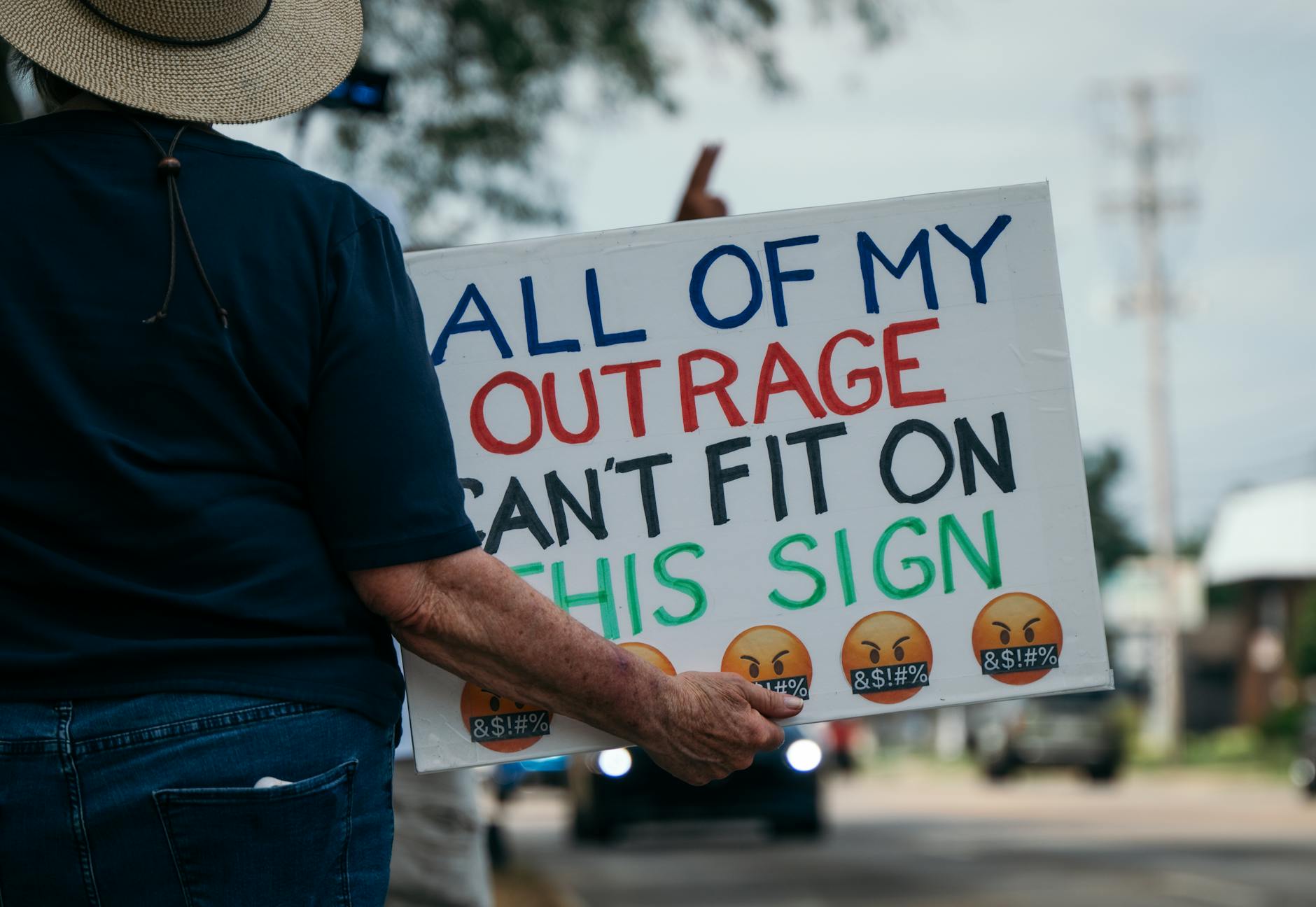
Tabloid newspapers and social media manufacture outrage to promote sales and encourage clicks, but constant outrage about nothing is bad for us. A careless headline or a clipped video is enough to spark a wave of indignation that spreads faster than any calm explanation, and before we realise it, we’ve been drawn into yet another cycle of anger that leaves us feeling drained. This constant agitation isn’t harmless; it shapes the way we see the world and nudges us towards suspicion, cynicism, and fear. It also quietly erodes our mental health, because the human mind isn’t designed to live in a permanent state of alert.
When Jesus said, “do not let your hearts be troubled” (John 14:1 NIVUK), he wasn’t speaking into a peaceful world but into one where fear and confusion were daily companions. His words still meet us there, reminding us that peace isn’t naïve or passive; it’s a form of holy resistance. We can choose to step back, breathe, and seek whatever is true, noble, right, pure, lovely, and admirable, letting that shape our minds instead of the noise.
The early Covid-19 vaccination roll-out was a great UK achievement, not a Brexit one. This is something to celebrate amongst all the failures and mistakes. If we believe the lies (mainly by disgraced former Prime Minister Boris Johnson) we diminish a truly great British achievement.
Brexit didn’t meaningfully enable the UK to roll out Covid-19 vaccines earlier. The UK was still in the post-Brexit transition period in late 2020, which meant it remained under EU rules. Crucially, EU law allowed any member state or transitioning state to issue its own emergency authorisation for medicines. The UK used that existing mechanism through the MHRA. It didn’t need to leave the EU to do so, and countries inside the EU could’ve done the same if they’d chosen to.
Where the UK did move faster was in planning, procurement, and regulatory readiness. The MHRA worked at extraordinary speed, the NHS had a well-organised distribution plan, and the government pre-ordered large quantities of vaccine early. Those advantages came from national decisions and infrastructure, not from Brexit itself.
The UK Covid-19 Inquiry concludes that the government’s response in March 2020 was simply too little, too late. It paints a picture of a moment when decisive action was needed and, instead, hesitation allowed the virus to spread unchecked. According to the report, bringing in lockdown just a week earlier would likely have saved around 23,000 lives during the first wave in England. That single week, the inquiry suggests, became the difference between containment and tragedy.
Yet the inquiry goes further, arguing that lockdown might not have been necessary at all if basic measures such as early social distancing and the prompt isolation of those with symptoms had been introduced. The implication is stark: a different approach, taken earlier and with clearer communication, could have altered the entire trajectory of the pandemic’s opening months.
The report also criticises the government for failing to learn from its early mistakes. Missteps that should have prompted urgent reflection weren’t addressed, leading to further avoidable harm during later waves. This failure, the inquiry says, was inexcusable. At the heart of the problem lay what it describes as a toxic and chaotic culture within government, a climate that clouded judgement and made good decision-making harder. It highlights how the leadership of the time, including then-Prime Minister Boris Johnson, struggled to confront and correct these challenges.
Taken together, the inquiry’s findings offer a sobering reflection on the cost of delay, confusion, and poor communication at a moment when clarity and courage were needed most.
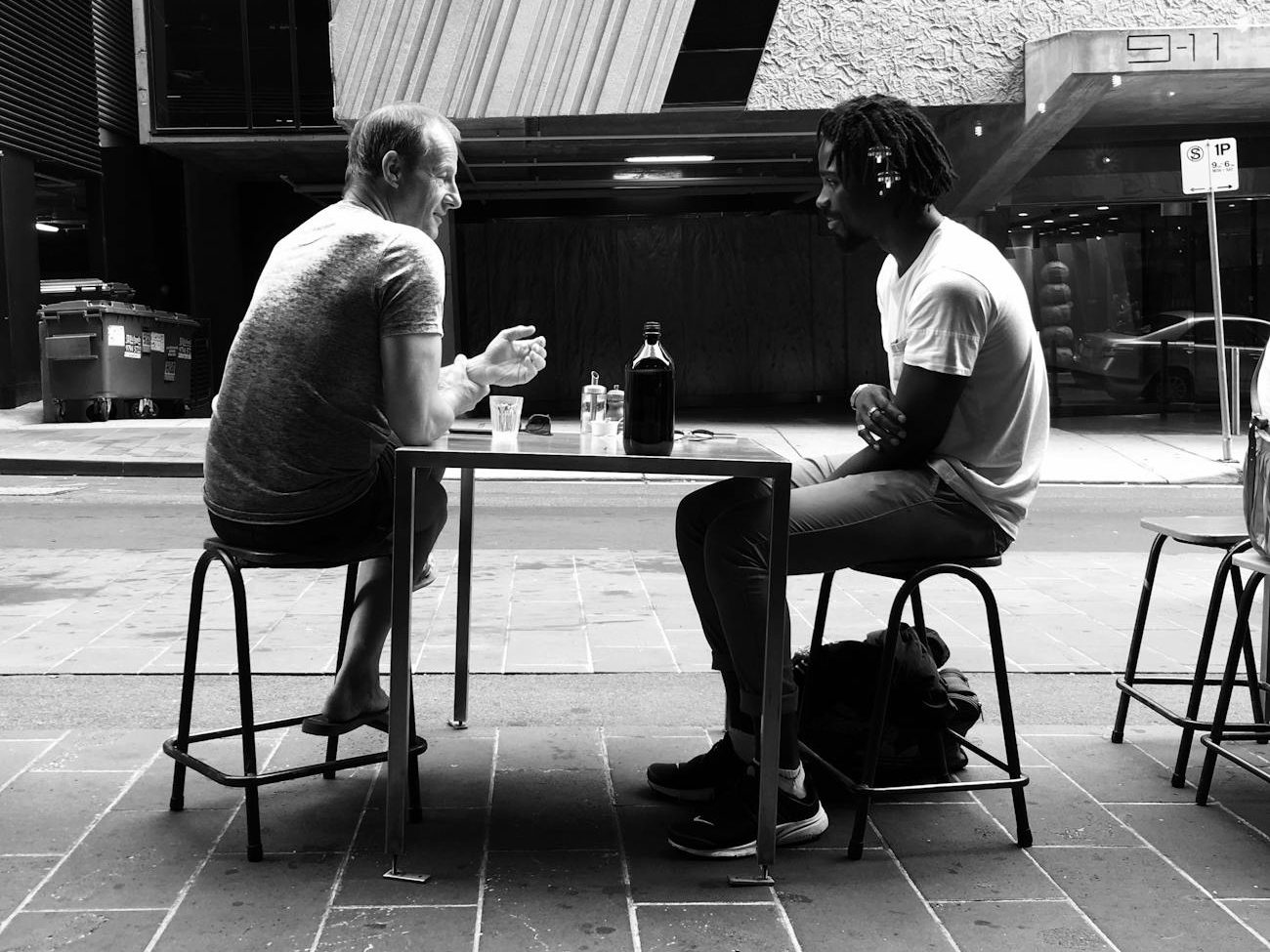
International Men’s Day, celebrated each year on 19 November, offers a gentle pause in the calendar, inviting us to look with honesty, compassion, and gratitude at the diverse experiences of men and boys. It isn’t about elevating men above anyone else, nor is it a counterpoint to the vital work of International Women’s Day; instead, it’s a moment to acknowledge the responsibilities, pressures, joys, and vulnerabilities that shape men’s lives, and to encourage healthier, kinder ways of being in the world.
Too often, men are expected to be unshakeable: strong without faltering, providers without rest, problem-solvers who mustn’t admit fear, sadness, or loneliness. These expectations may look admirable on the surface, but they quietly restrict the full range of human expression. International Men’s Day encourages men to speak with honesty, to seek help when they need it, and to recognise that strength and tenderness aren’t opposites, but threads woven together into a fuller, freer life.
The day also calls attention to the relationships that help men flourish: friendships that allow vulnerability, families shaped by love rather than duty, workplaces where asking for support isn’t seen as weakness, and communities where men help to lift others up. It celebrates positive role models, those who show that empathy, fairness, and courage can coexist; those who challenge harmful stereotypes; those who raise boys with gentleness and integrity.
At its heart, International Men’s Day is an invitation towards wholeness. It’s a reminder that every man, whatever his story, is at his best when he’s allowed to be fully human: strong and soft, steady and questioning, responsible and deeply loved.
Running in wet weather carries its own quiet appeal. Rain softens the landscape, adds a shimmer to the pavements, and turns an ordinary route into something slightly untamed. Once you’re out in it, it’s often gentler than it first appeared, and there’s a subtle satisfaction in settling into the rhythm of moving through the rain rather than resisting it. Letting go of the idea of staying dry frees you to notice the atmosphere around you; the muted colours, the hum of rainfall, the way everything feels closer and more alive.
Wet ground changes how you run. Roads can become slick, leaves stick underfoot, and puddles can send a cold shock up your legs. Those small challenges encourage a more attentive stride, keeping you balanced and steady, rather than pushing for pace when the conditions ask for care. The rain sharpens your senses in unexpected ways; sound seems clearer, breath feels cleaner, and each step lands with more intention.
A few simple choices make wet-weather running more comfortable. A light, breathable layer helps fend off the chill without overheating. A cap can stop rain from blurring your vision. Since damp fabric can rub, a little anti-chafe balm and a good pair of socks are worthwhile, especially on longer outings. Shoes will inevitably get soaked, yet they dry, and the run tends to stay with you more vividly than the discomfort ever does.
There’s a distinctive clarity that comes from embracing the elements rather than waiting them out. You finish the run damp, tired, and somehow refreshed, reminded that even a grey day can offer its own kind of beauty.
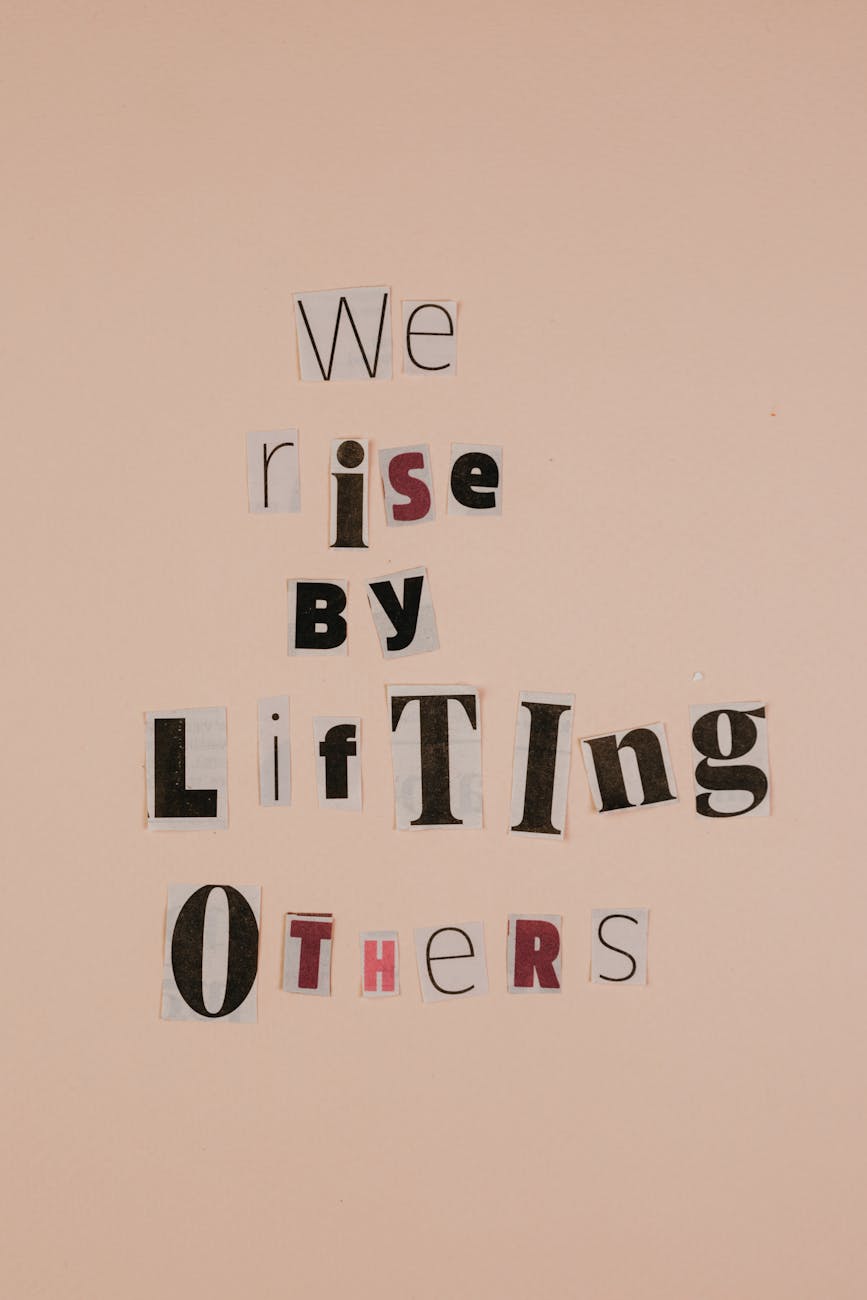
Kindness is simple, just a kind word, a thoughtful gesture, or a small act of compassion. It doesn’t require effort or expense. Yet, it can transform someone’s day, bringing light to their world.
When we choose kindness, we open the door to compassion. Each act fosters a ripple effect, spreading warmth, understanding, and connection. In doing so, we don’t just improve someone’s mood, we help to build a more empathetic, caring world.
It’s not about grand gestures. It’s about presence. It’s about noticing someone’s struggle, offering a smile, or listening without judgment. These moments matter, because they remind others that they are seen, valued, and not alone.
Kindness is free. And in a world that often feels fast and cold, it’s one of the most powerful forces we have.








 John Ager's Home on the Web!