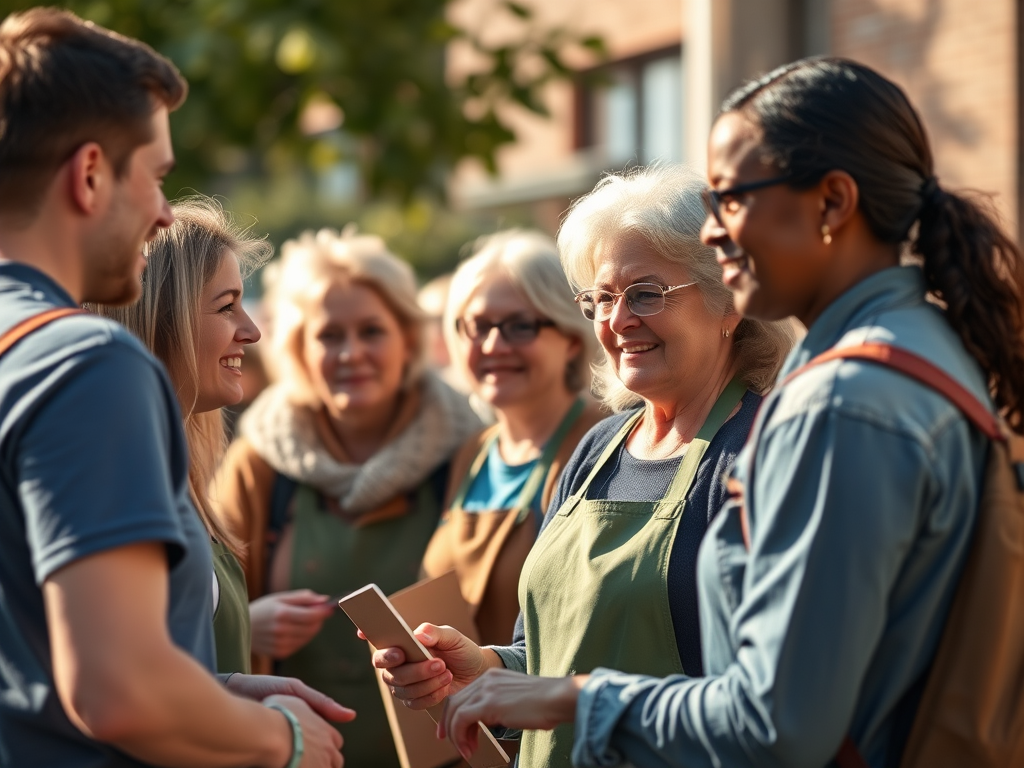
International Volunteer Day on 5 December is a wonderful chance to celebrate everyone who gives their time and energy to help others. If you already volunteer, please know this: you make an enormous difference. Whether you’re cheering at events, supporting neighbours, protecting the environment, or helping in local groups, your kindness makes communities warmer and stronger. Thank you for showing up; it matters more than you might realise.
It’s also a great moment to invite those who haven’t tried volunteering yet. You don’t need special skills or loads of free time; you just need a willingness to help. Volunteering isn’t only about giving; it’s about gaining friendships, confidence, purpose, and joy. Ask any volunteer and they’ll tell you that you might be surprised by how much it gives back.
So this International Volunteer Day, let’s celebrate the amazing people who are already making a difference, and gently encourage others to join in. Your community needs your gifts, your time, and your heart. And who knows? You might discover that volunteering is exactly what you’ve been looking for.
The algorithms of social media often ensure that we live within an echo chamber of friends who share our outlook on life. Yet not everyone agrees with us, nor do we always agree with others. The adage of ‘agreeing to disagree agreeably’ sometimes goes out of the window when passions run high, and social media can act as a catalyst to entrench our opinions and polarise debate.
In an increasingly divisive society, we may need to relearn the simple art of being kind, affirming one another and appreciating diversity. When I post something on Facebook, I expect disagreement, but I don’t expect rudeness. People can become so angry that others hold a different, well-considered opinion, one that may be part of their very identity.
Often on social media there’s no real engagement with the issue at hand, just a loud alternative opinion shouted into the void, with little sense of nuance or listening. We aren’t heard by shouting. There must be respect, both for ourselves and for others. It’s also perfectly acceptable to acknowledge the merits of someone else’s position, even if we don’t share it.
Please don’t think I’m claiming to be perfect in this regard, I’m not. But I do believe we all need to take a careful, humble look at how we respond to what’s posted on Facebook and social media in general.
Personally, I approach this as a person of faith. Many of my attitudes, thoughts, and actions flow from that and shape who I am. Paul, writing to the Philippians, said: Do nothing out of selfish ambition or vain conceit. Rather, in humility value others above yourselves, not looking to your own interests but each of you to the interests of the others.
Here lies the heart of the matter, Paul’s call to have the same mindset as Christ Jesus. Be kind to each other.
Volunteering at parkrun is more than keeping the event running; it’s a way of building confidence, learning responsibility, and feeling part of a welcoming community. For young people, roles such as marshalling, scanning barcodes, or timekeeping show them that others are depending on their contribution. Arriving on time, listening to instructions, and carrying out tasks carefully teaches responsibility in a practical and meaningful way.
Because under 18s must be supervised, they also learn how to work alongside supportive adults, gaining guidance while still being trusted to play their part. Mistakes sometimes happen, but the culture of encouragement at parkrun shows that responsibility isn’t about perfection, it’s about trying, learning, and growing. Confidence develops naturally when they see runners responding warmly to their encouragement or when they master a task they once found daunting.
Adults gain just as much from volunteering. For some, it offers purpose and connection at a time in life when confidence may be low or health prevents them from running. It brings people together across ages and backgrounds, building friendships and a sense of belonging. Taking on a role provides the chance to rediscover strengths, develop new skills, and experience the satisfaction that comes from giving something back.
For both young people and adults, parkrun is far more than a Saturday morning run; it’s a community built on teamwork, kindness, and encouragement. Each role, however small, is vital to the event’s rhythm. Over time, confidence grows, responsibility becomes second nature, and everyone involved leaves with a deeper sense of connection. Volunteering, in this way, helps shape resilient, compassionate people who carry these lessons into every part of their lives.
parkrun isn’t just about running, it’s about making friends and building community. Each Saturday morning, as people gather in parks across the country, there’s a buzz that has little to do with competition and much to do with connection. Yes, some turn up eager to set a personal best, but many more come simply to share in the rhythm of moving together, side by side, regardless of age, ability, or background.
There’s a warmth in the way volunteers cheer and clap, calling out names, encouraging the weary, and celebrating every finisher. The front runner is applauded, but so is the person walking at the back, because the emphasis isn’t on who’s fastest but on the shared achievement of taking part. In that space, labels fall away: young or old, seasoned athlete or first-timer, everyone matters equally.
Conversations spring up naturally, sometimes in the pre-run hush, sometimes in the shared breathlessness afterwards. Friendships are forged over the kilometres, but also over post-run coffees, where people linger, laugh, and listen. For some, it becomes a lifeline, a chance to combat loneliness, to find encouragement in tough times, or to celebrate milestones both on and off the course.
parkrun embodies the simple truth that community thrives when people gather with purpose and openness. The act of running, jogging, or walking becomes a thread, stitching together stories that might never otherwise intersect. Someone recovering from illness runs alongside someone training for a marathon, a child dashes past, cheered on by grandparents, strangers become companions.
In a world often fractured and hurried, parkrun quietly insists on something different, that life is richer when we move together, when we notice one another, and when we create spaces where everyone belongs. And that’s the real finish line, friendship and community.
This is a guest post from an American friend for Independence Day 2025.
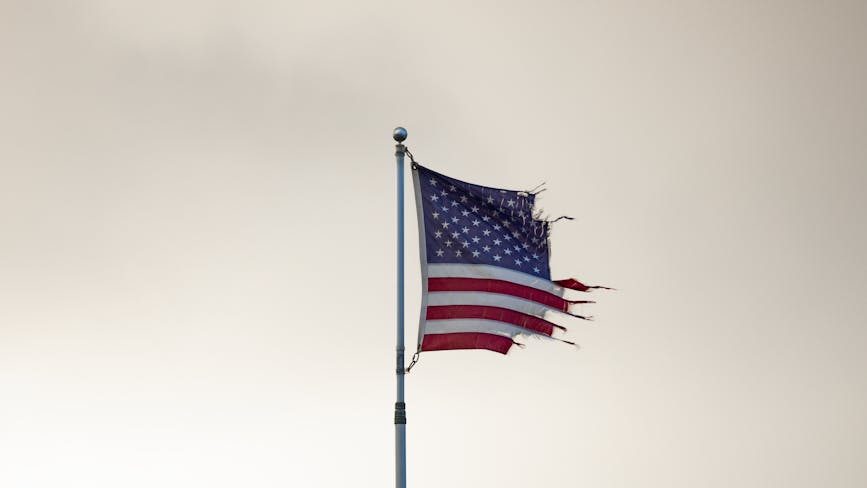
I’ve never been more disgusted and horrified by my country than I am today. Everything I was taught about what we stand for has been silenced or destroyed. We are actively harming people who come for a better life and making billionaires richer off the backs of the poor and the middle class. We are removing life sustaining care from people who desperately need it.
Cruelty and hatred are running the country. Fueled by stupidity and ignorance.
Nobody is coming to save America. The rest of the world sits baffled by how we could let this happen. They’re not coming.
The American Dream is dead.
It makes it worse to think what Independence Day represents. What brave people sacrificed in all kinds of ways so we could end up here.
If he’s gone, we still have the gigantic wave of hatred that elected him.
This blog is important to me, and I know that many have been encouraged by it, especially by the devotional posts. I seek to provide an independent and personal space to share an eclectic mix of content, which will always be free.
If you appreciate my varied content, you might like to donate towards the running costs of my blog. Many thanks, John.
I’m pleased to share this post by fellow Salvation Army Officer John Clifton…
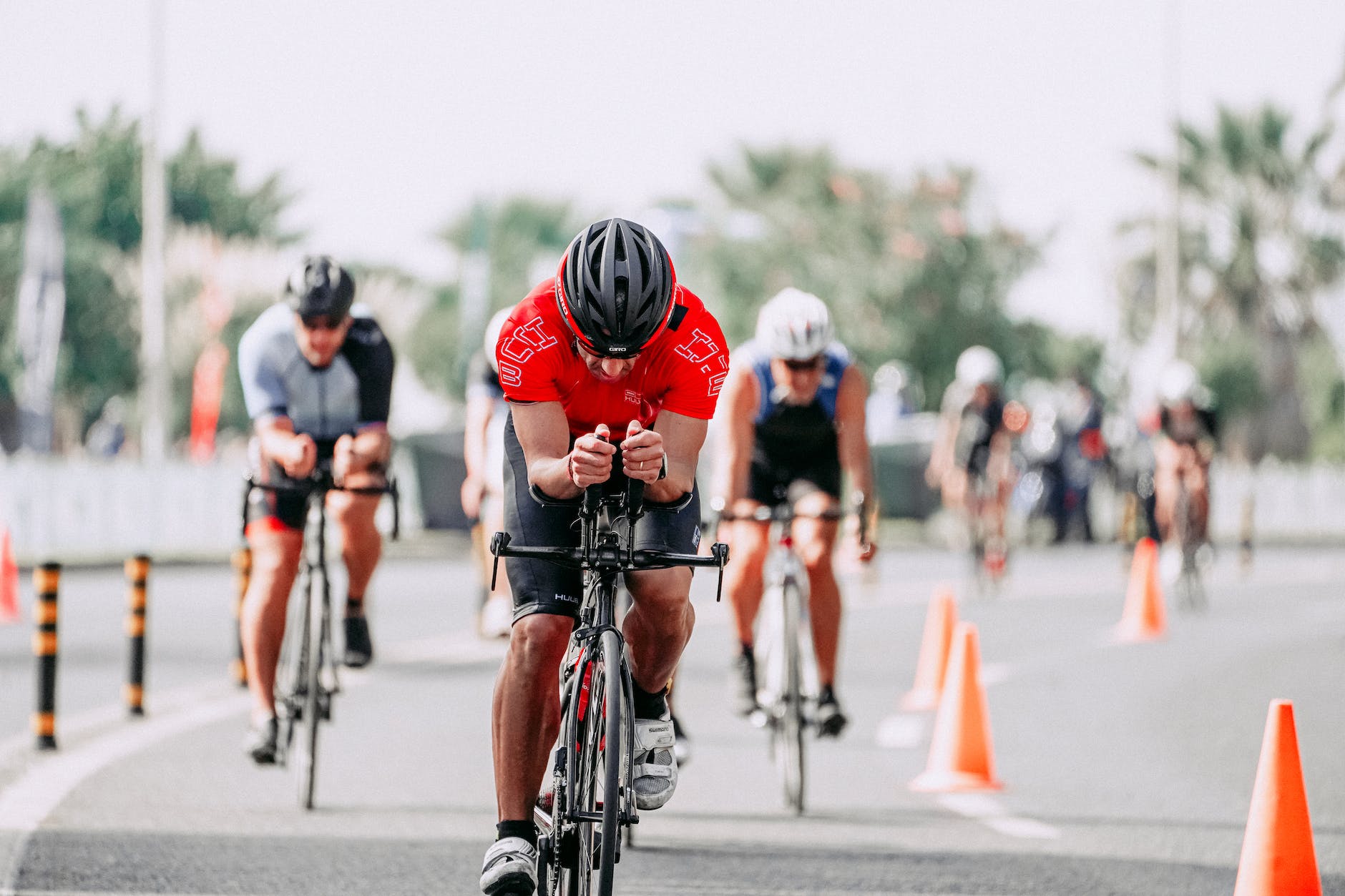
Following a training programme is crucial to being able to complete any physical event. Towards the end of 2022, I signed up to do an iron-distance triathlon. Knowing I couldn’t just turn up and complete it on the day, I followed, in a manner that could be called ‘religious’, the ‘Be Iron Fit’ programme by Don Fink. It is a 30-week programme that, starting on January 1st, 2023, meant that the event day landed perfectly on July 30th, the race day for Outlaw Nottingham Full. The format of the programme is clearly structured. Monday is rest day (there was an addictive dopamine-rush of achievement from ticking off completion of the first training session on January 1 – a Monday!); Tuesday was swim and run; Wednesday was the brick session (google it); Thursday was swim and cycle; Friday was run (then also swim at a later phase of the programme); Saturday was a long cycle (then followed by a short run brick session; again, google it) and then Sunday was a short cycle and a longer run (not back-to-back, so not a ‘brick’… Ok, here you go…).
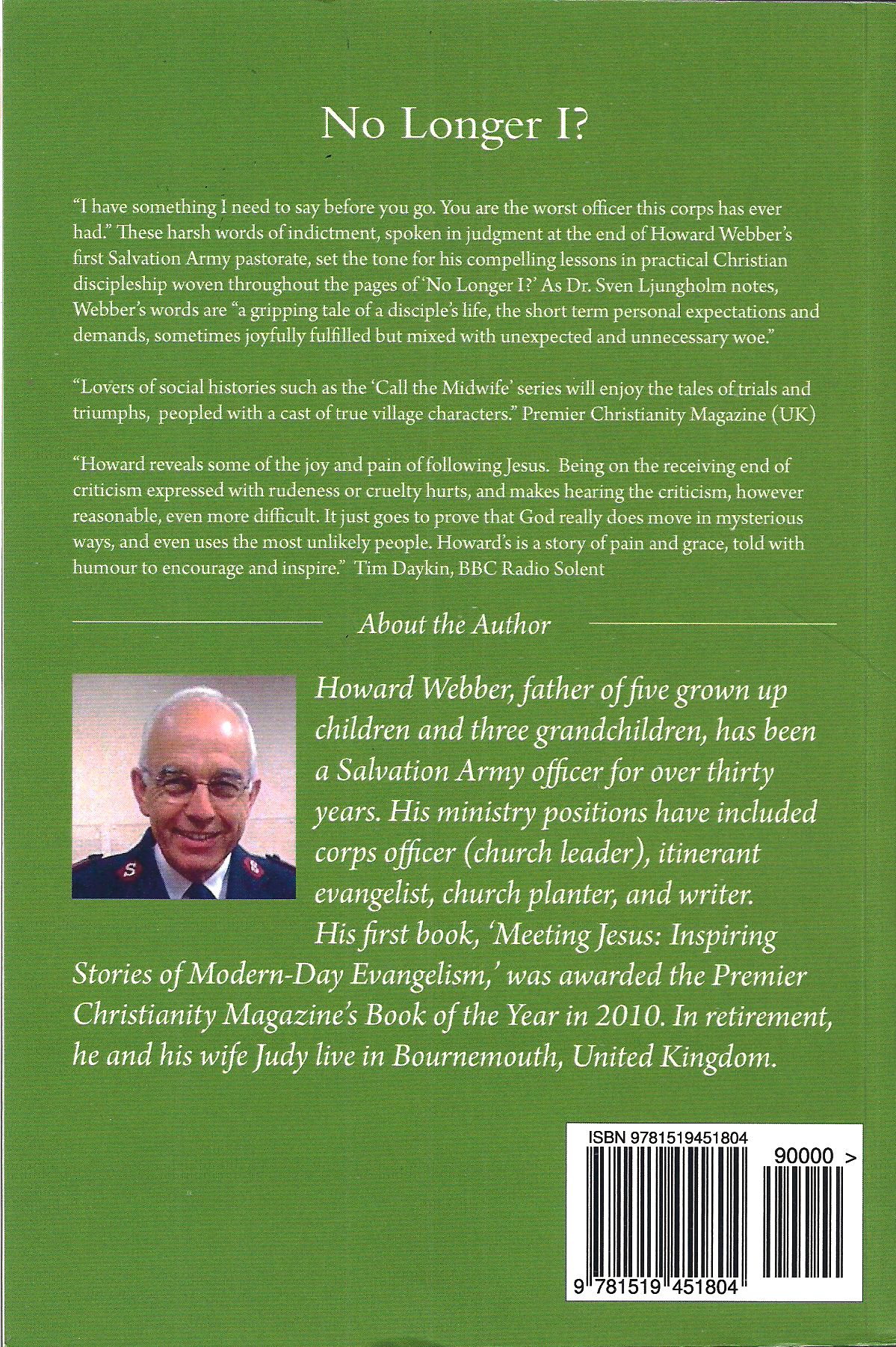
I first met Howard Webber back in the 1970s while working in the Pathology Department of Northampton General Hospital and studying to become Medical Laboratory Scientific Officer. Howard was also in the same line of work and moved to Northampton to take up a position in the Biochemistry Department, the branch of pathology in which I had decided to specialise.
We soon realised that we were both Salvationists, and later discovered we also shared the call of God to change direction from our chosen careers to follow vocations as full-time Salvation Army Officers, ministers of religion appointed to corps (church) leadership or other areas of Christian ministry. We both took this step of faith independently, and the majority of both our working lives have been following this calling. Howard is now an officer in retirement like me.
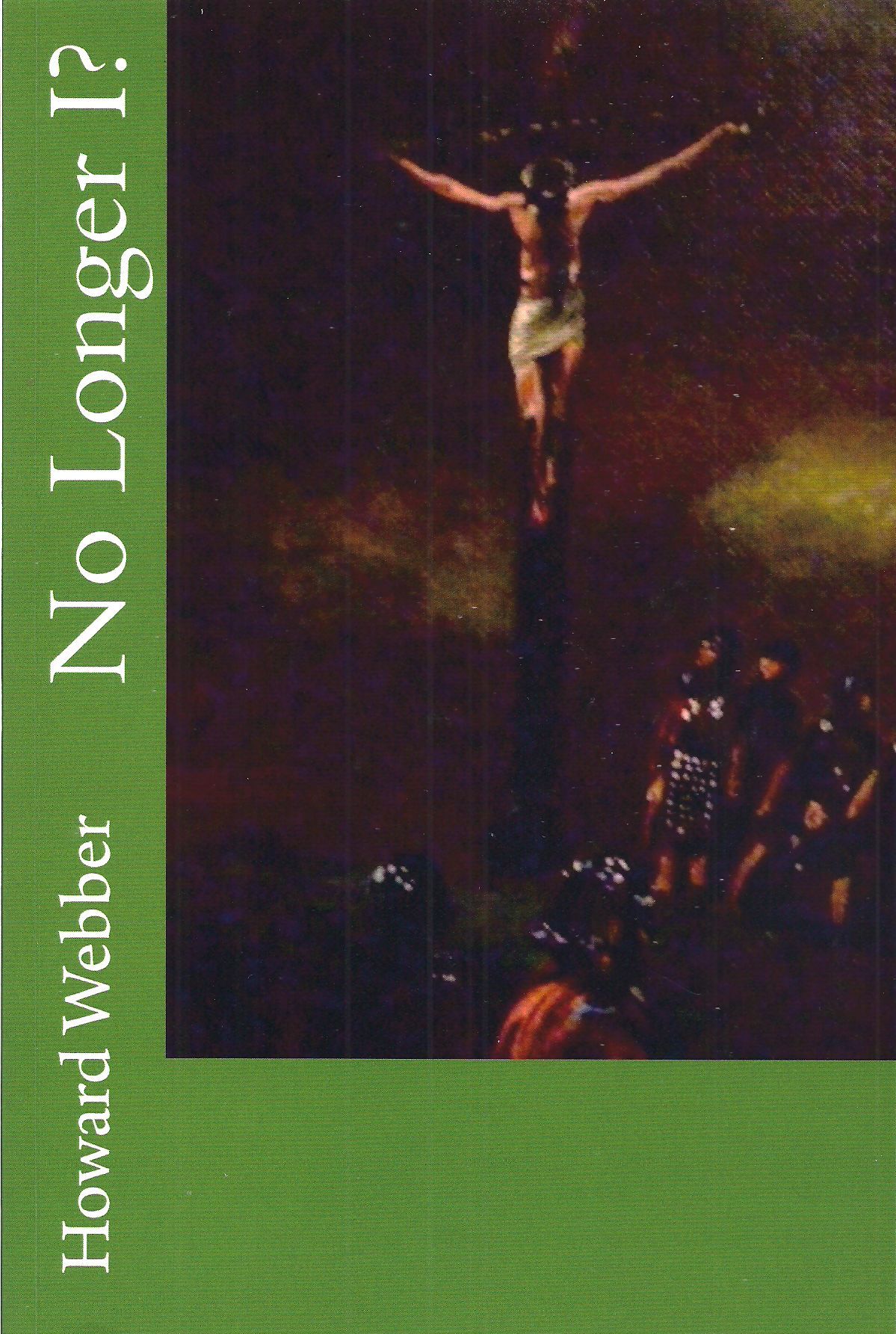
The first part of Howard’s book ‘No Longer I?’ is a candid account of his rich and various experiences in corps life, along with his struggles in those situations (some intensely personal) and the eventual discovery of answers. The second part explores those issues in the light of scripture and is more devotional in style. Both parts work well together, as Howard describes and explores the ups and downs, the joys and the sorrows, on his own journey of faith. He tells it as it is, and I found his writing refreshingly open, honest and powerful.
Let me quote the opening paragraph: I have something I need to say before you go, ‘Miss Barrett called out as I closed the lounge door, so I opened it again and stepped back into the room. Following a brief preamble she got to the point of why she had called me back, ‘I need to tell you that you are the worst officer (minister) this corps (church) has ever had!’ Those harsh words of indictment, spoken in judgment at the end of his first appointment, set the tone for compelling lessons in practical Christian discipleship woven throughout the pages of the book.
This isn’t just a book for Salvationists, but one for anyone desiring to reach into the heart of Christian life and ministry.
Note: The title of the book comes from Paul’s Letter to the Galatians: I have been crucified with Christ; it is no longer I who live, but Christ who lives in me; and the life I now live in the flesh I live by faith in the Son of God, who loved me and gave himself for me. (Galatians 2:20 RSV)
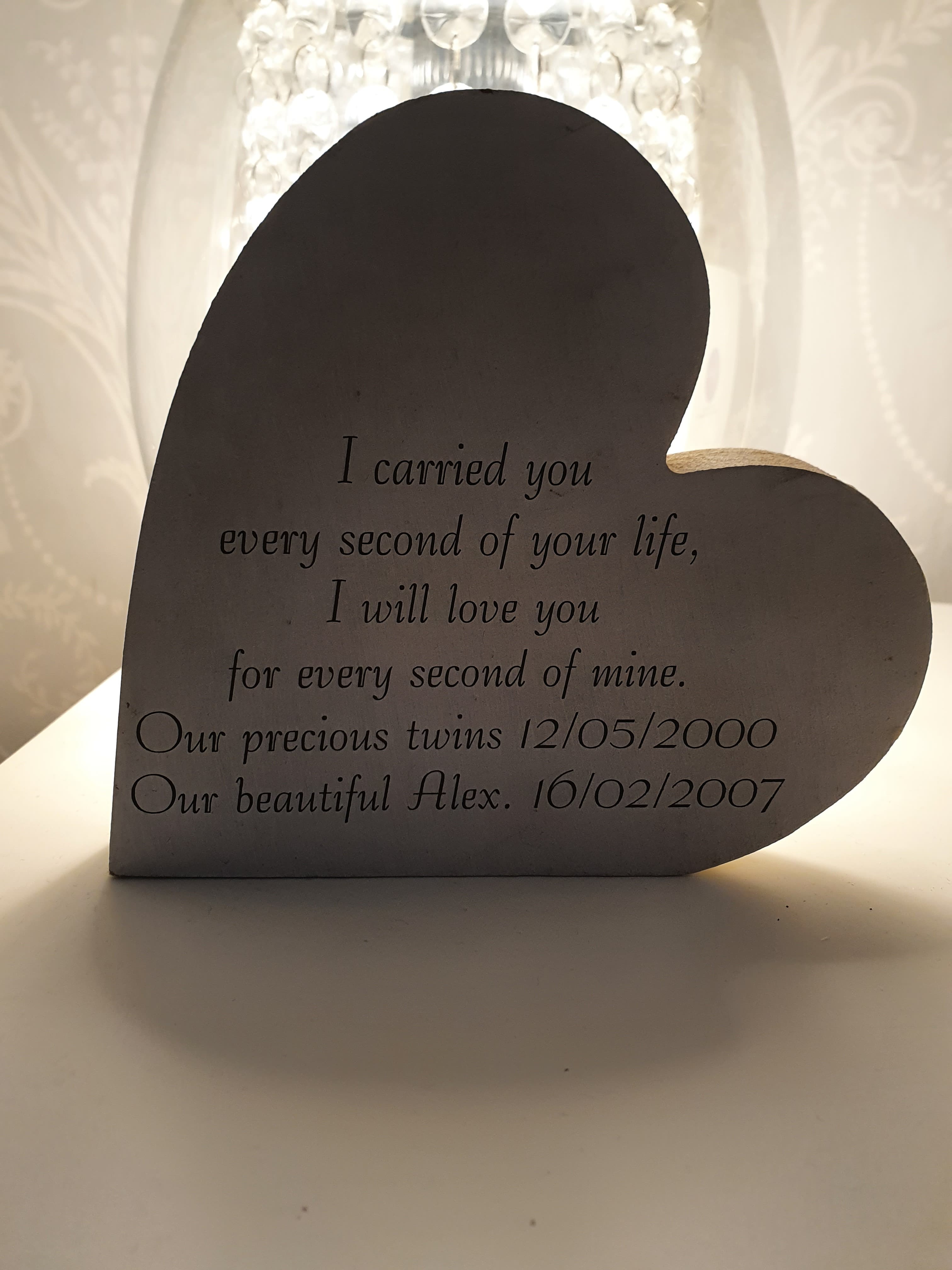
On a special anniversary (16 February 2020) my friend Jemma Smedley posted the story of Alex on Facebook. I was so moved by her story that I was prompted to ask if I could share the story here. With Jemma’s permission and final approval, I’ve edited her words to tell the story as a guest post in Baby Loss Awareness Week.
13 years ago today at 5.30 am our beautiful boy Alex came into the world sleeping, a day when I really thought I was going with him, but let me rewind and tell you the story of Alex Smedley…
It was the day before Valentine’s Day 2007 and off me and Richard went for my 20-week scan at QMC, we were so excited to find out whether our baby was pink or blue. We left Leah and William with my mum and promised to bring a present back from the baby, so first stop when we got to QMC was the shop a Barbie for Leah and a teddy for Will.
Then round to antenatal, booked in and sat waiting for my scan. You watch smiling couples walk out the scan rooms clutching scan photos, thinking that will be me in a minute. My name is called, yeyyyyyy our turn! I lie on the bed, cold jelly on my tummy holding Richard’s hand excited to see our baby, chatting to the lady doing the scan.
I can see the screen, then after a few seconds…silence and the screen is turned away…sorry I just need to get someone else. OK Jemma take a breath, this isn’t happening – I knew what was coming!
I’m silent, yet in my head I’m screaming. Another senior sonographer comes in, and they whisper while I stare at the ceiling in the dark and Rich squeezes my hand then the words, “we are so sorry we can’t find a heartbeat your baby has died at around 18 weeks.”
I ask them to check again, “there is nothing we are so sorry.” I see for myself, hands feet arms legs nose and face perfect outline of our baby, but no heartbeat. Gone, but still there inside my tummy, safe and warm. I cry, the tears won’t stop, I’m trying to wipe the jelly off my bump while I stand up. Now what do I do?
We were taken into a side room with pictures of lilies on the wall, and Miscarriage Association leaflets on the table with a box of tissues. This is the room no parent ever wants to enter, but here I am with Richard and a lovely woman. She’s talking asking me how I want to deliver my baby. What I think is, is she joking, not a chance they are taking him, I’m off home. I heard inducing labour with tablets or operation, at that I was out of the door, nope I’m keeping him, and I was sobbing and crying for Rich to take me home!
That’s where I went, home. I walked into the house and straight upstairs, I sat there numb. Leah and Will came up, I gave them their presents and told them that Alex sent them, but he had to go to heaven.
The hospital rang to say if I hadn’t started to lose Alex in 2 days I had to go back, that gave me 2 days with him. So, Valentine’s Day came, and Rich had twelve roses delivered from Harvey Nichols, they were stunning. I stood up to sort them, and blood was gushing everywhere. Shit, what had I done by coming home!!
An ambulance was called, and off I went to hospital. I was admitted onto the gynaecology ward to save me having to go to maternity with all the new mums and babies. By now it was late, the bleeding had stopped, and I was told get some rest, we will scan you in the morning…and they did. Great, back to antenatal to sit with all the pregnant women going for their scans!
I’m sat in my dressing gown hooked up to a drip in a wheelchair with blood shot eyes when just 2 days ago I was one of them, into the scan room I go. Cold jelly, screen turned away, until I say no I want to see; and there again is my perfect beautiful boy. still safe in my tummy. I remember smiling just looking at his silhouette, and I asked for pictures of every angle, as I knew this was the last time I would see him.
Up on the ward I’m told that I’m booked in later for that day to have an operation. The anaesthetist came, forms were signed, I asked for the Chaplain, and I cry as she prays for Alex and tells me about the ceremony and cremation he will have at Wilford Hill. I felt better that he was going to have a Christian funeral, and we could go to the service of remembrance. The day dragged, I’m nil by mouth, waiting, waiting, waiting, then I’m told my operation will be tomorrow as they’d had an emergency. Fine, I get to keep him a bit longer. Richard visited me; we didn’t have much to say as we were both just numb. What do you say?
I lie awake watching the car park out of my window. I must have fallen asleep as it’s still dark outside. Suddenly, I’m woken by pain ripping across my stomach, I manage to get to the loo on the ward and OMG, blood everywhere again, I pull the red cord, alarms go off, I’m put in a wheelchair, and taken back to my bed. The contractions are coming thick and fast. I’m screaming in pain. At 5.30am I push Alex out, still in his amniotic sack, protected in his little bubble. The lovely young nurse carries him in her hands out of the curtain as I lie there, I feel a warm sensation by my feet, I look down and the bed is soaked in blood. I’m surrounded by doctors sticking drips in every vein possible, being told I need to go to theatre as the placenta is just bleeding out and it’s stuck.
The red button’s hit at the back of my bed, alarms sound. I’m dizzy, not quiet with it, and absolutely terrified, screaming for Richard. The porter comes with a bed, the nurse said no time to transfer me, I need to get to theatre now as they were waiting for me.
The porter runs with my bed, all I can see is the lights on the ceiling flashing by, the young nurse that took Alex is running by my side holding my hand, I feel the mask on my face and I’m gone…
…I wake up shivering in recovery, hooked up to fluids and blood. I’m soon back on the ward. I’m now known as the lady that lost her baby. The other patients were lovely, one even ringing her sister to bring me a cake in at visiting time and asking to see my scans.
The doctor that looked after me came to see me and hugged me. He told me I was as white as a ghost, but at one point he thought I was going to be a ghost! Two days later, I went home. I had Alex’s remembrance service at the hospital to go to, losing Alex broke me in more ways than I can say. When I lost the twins, we didn’t have any other children. People understood that we were childless, so we got support then. With Alex, it was “Oh, at least you have Leah and William.” The support wasn’t there. I do remember Richard’s dad buying me three boxes of chocolates. though he said nothing. But he didn’t need, to it was his way of saying sorry.
Today, I tell our story. We remember you; we miss you, but most of all we love you. Happy 13th birthday, my beautiful boy.
I’m grateful to my friend Stephen Poxon (author and writer) for contributing this guest post about William Booth. You can find his books here.
William Booth: Founder of The Salvation Army, Christian evangelist, reformer, friend of royalty, champion of the marginalised, wit, entrepreneur, and master of the soundbite.
So far, so good, but we must remember that Booth was preaching his message and espousing his spiritual and moral philosophy before any of the advantages of modern communications technology could be exploited. His was an era of voice projection and oratory that went largely unaided except by, maybe, primitive devices for amplification.
All the more remarkable, therefore, is the fact that so many of William Booth’s quotations have survived into the present age. Granted, many were recorded by stenographers and biographers, but General Booth’s feat is still special, especially as much of his (prophetic?) wisdom retains a fresh touch.
Such as, for example, his utterance that there might come a time when the fires of scorching faith that burned within his bones would somehow become
“Religion without the Holy Ghost, Christianity without Christ, forgiveness without repentance, salvation without regeneration, politics without God, heaven without hell”.
Forgive the pun, but this is hot stuff; not for the faint-hearted (but then, faint-heartedness was a concept Booth never understood).
Was the old man right, though?
Take a look around. See for yourself a market-place swarming with pseudo-Christian philosophies (touchy-feely-feel-good mantras of consolation paraded in the name of some churches) and you might concede, he made a reasonable point! Denominations, I mean, that sometimes appear not to know their convictions from their desperate strivings to be ultra-relevant, and which, consequently (inevitably) dilute their ancient mandate to the point of it being nothing in particular and of little use to anyone.
And as for the penultimate utterance in Booth’s list of concerns, who can forget Alastair Campbell’s famous interruption of Tony Blair, reminding the then Prime Minister that “We don’t do God”?
How about this absolute corker:
“Don’t instil, or allow anybody else to instil into the hearts of your girls the idea that marriage is the chief end of life. If you do, don’t be surprised if they get engaged to the first empty, useless fool they come across.”
He wasn’t holding back, was he! Anyone voicing such opinions nowadays would be faced with any number of charges before they could say political correctness. Yet, allowing the dust to settle, we might just find ourselves agreeing with the outspoken warrior, albeit only grudgingly, on behalf of our children and grandchildren. Is it even possible we might only, eventually, accuse him of speaking downright common sense?
Try this one: “The greatness of the man’s power is the measure of his surrender”.
Notwithstanding the gender bias of the statement, how much does a contemporary age rail against notions of surrender, obedience, deference or conformity; in civil and legal matters, relationships, education, religion, societal structures, international political diplomacy, and the workplace (and so on)? Are we, can we honestly claim, the better for such prevailing tendencies and the tacit approval of creeping anarchy in the name of entitlement?



 John Ager's Home on the Web!