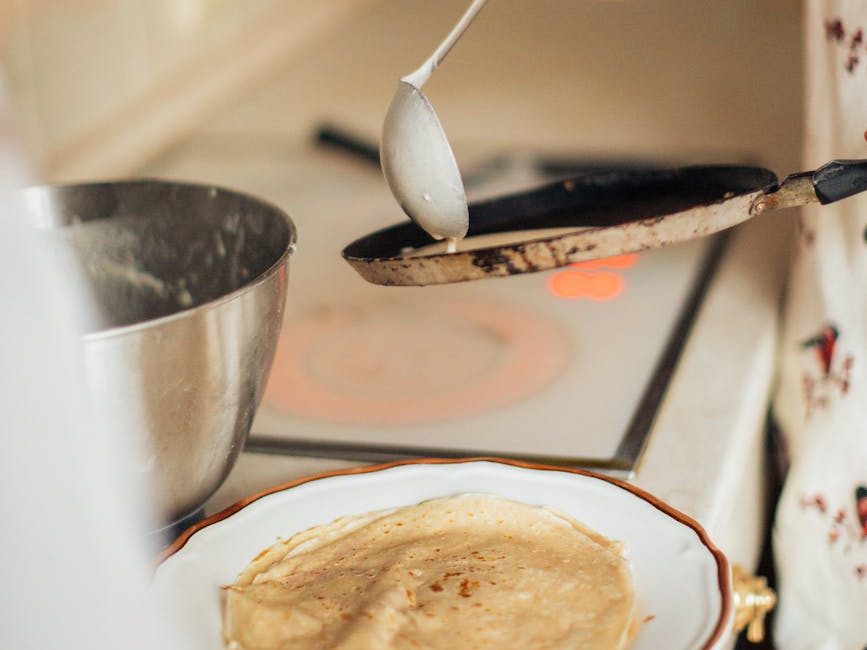
Shrove Tuesday is the day before Ash Wednesday and marks the last day before the start of Lent in the Christian calendar. It’s observed in many countries, though in the UK it’s most commonly associated with Pancake Day. The tradition of eating pancakes developed as a practical way to use up rich foods such as eggs, milk, and butter before the fasting season of Lent began.
The name “Shrove Tuesday” comes from the old English word shrive, meaning to confess or receive absolution. Historically, it was a day when Christians were encouraged to reflect on their lives, seek forgiveness, and prepare spiritually for Lent. In medieval England, people would attend confession on this day in order to enter Lent with a clear conscience.
Over time, Shrove Tuesday also became linked with wider community customs. In some places, it was a day for feasting and social gatherings before the more restrained weeks that followed. Traditional foods varied, but pancakes became popular because they were simple, filling, and made from ingredients that households wanted to finish before Lent.
Today, Shrove Tuesday is often celebrated in a more secular way, with pancake breakfasts, school events, and pancake races. Many churches still observe its religious meaning, using it as a reminder of the themes of repentance, renewal, and preparation. It provides an opportunity to pause before Lent begins, whether that involves giving something up, taking on a new discipline, or simply becoming more mindful.
Although modern celebrations tend to focus on food and fun, Shrove Tuesday remains rooted in a long tradition of marking a transition, from ordinary routines to a season of reflection leading towards Easter.
Stir up, O Lord, the wills of your faithful people; that they, richly bearing the fruit of good works, may by you be richly rewarded; through Jesus Christ who is alive with you in the unity of the Holy Spirit, one God now and for ever. Amen.
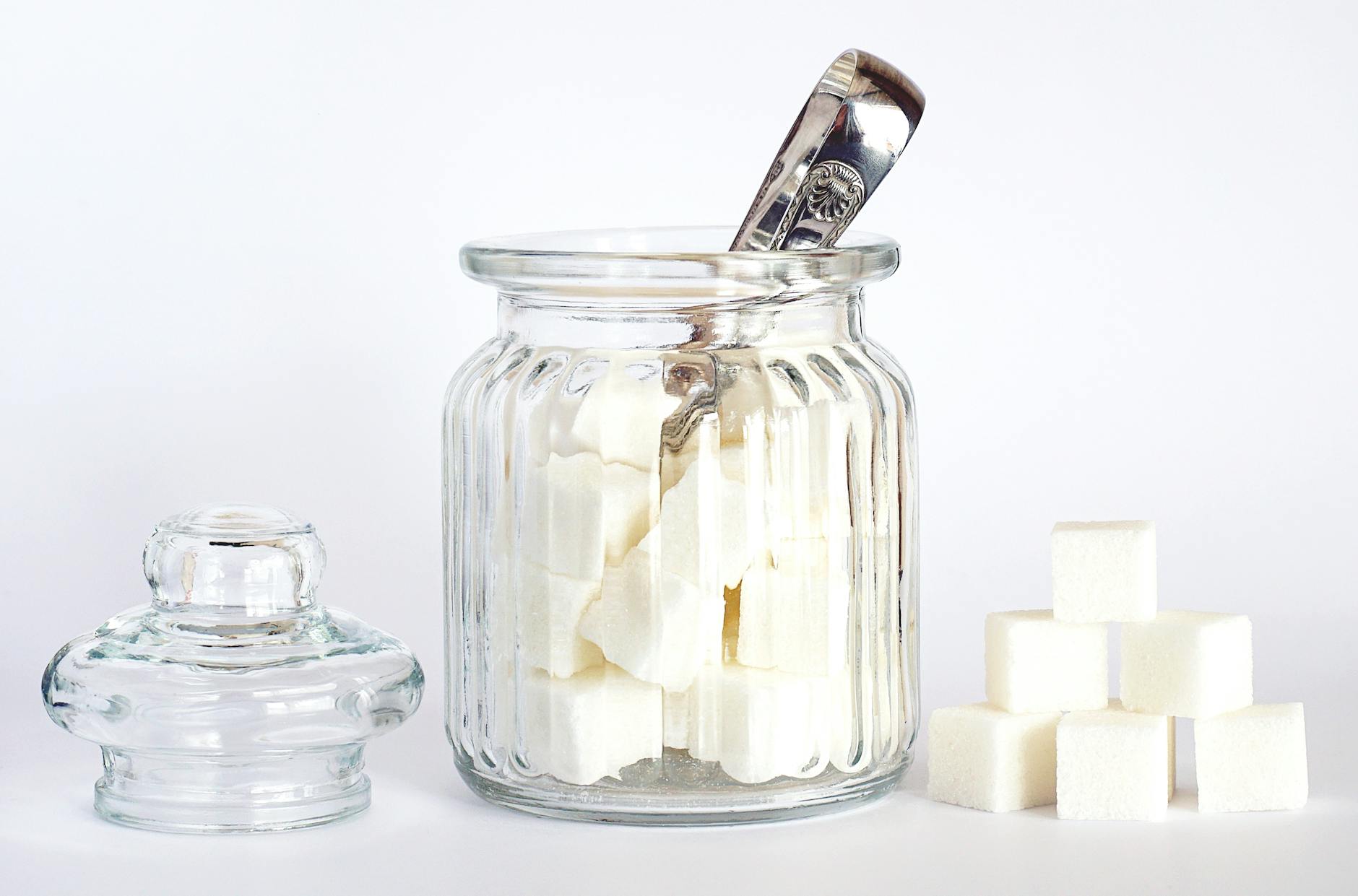
When food manufacturers label a product “low fat”, they should probably be obliged to also label it ‘high sugar’. For decades, the food industry has ridden the wave of fat-phobia, convincing consumers that cutting fat automatically means eating healthily. Yet, in reality, the fat often removed for marketing appeal is replaced by sugar or refined carbohydrates to maintain taste and texture. The result isn’t a healthier product, but one that can be just as (if not more) damaging to our bodies.
Fat, especially unsaturated fat, is essential for energy, hormone balance, and nutrient absorption. Sugar, on the other hand, offers empty calories and can wreak havoc on our metabolism when consumed excessively. The problem is that consumers trying to make responsible choices are often misled by selective labelling. “Low fat” sounds virtuous, but without full disclosure, people may unknowingly choose foods that spike blood sugar and contribute to weight gain, diabetes, and heart disease.
If honesty were the rule rather than the exception, a “low fat” label would have to sit alongside a clear statement of sugar content; ideally in simple, visible language rather than fine print. People deserve to know what they’re eating without needing a degree in nutrition. Transparency shouldn’t be optional; it’s a matter of public health. Perhaps then, we’d think twice before assuming that “low fat” yoghurt or cereal bar is a healthy choice, and start valuing balance, moderation, and genuine nourishment over clever marketing.
The debate over whether pineapple belongs on pizza is one of the most divisive culinary discussions in contemporary popular culture. While some celebrate the sweet and savoury contrast it provides, others view the fruit’s presence as a culinary abomination. This post explores the origins of pineapple on pizza, the cultural and gastronomic arguments for and against it, and the broader implications of food preferences, ultimately concluding that while pineapple on pizza may not suit every palate, it certainly deserves its place in the pantheon of global pizza toppings.
Pineapple on pizza, often referred to as “Hawaiian pizza”, was not born in Hawaii but in Canada. It was created in 1962 by Sam Panopoulos, a Greek immigrant who ran a restaurant in Ontario. His intention was to experiment with the contrast between sweet and savoury flavours by adding canned pineapple to the traditional cheese and tomato base. The topping combination caught on, becoming popular in parts of North America and eventually worldwide. The name “Hawaiian” was derived from the brand of canned pineapple Panopoulos used, not the state itself.
Despite its innocuous beginnings, the pineapple-on-pizza phenomenon became a flashpoint for cultural and culinary controversy. From a gastronomic standpoint, the pairing of pineapple with pizza has merit. Sweet and savoury combinations are common in various cuisines, such as duck à l’orange in French cooking or teriyaki dishes in Japanese cuisine. The sweet acidity of pineapple can cut through the richness of cheese and fatty meats like ham or bacon, creating a balanced flavour profile.
According to chef and food writer J. Kenji López-Alt, flavour balance is crucial in food pairings. Pineapple offers a tangy sweetness that can elevate salty and umami-rich toppings, adding complexity to a dish that might otherwise be monotonous. Furthermore, the texture of cooked pineapple, soft yet juicy, provides a pleasant contrast to the chewiness of dough and the melt of cheese.
However, critics argue that pineapple’s moisture content can lead to soggy pizzas and that its flavour is too strong or cloying. Traditionalists, particularly those steeped in Italian culinary heritage, often view the addition as sacrilegious. The Associazione Verace Pizza Napoletana (AVPN), which certifies authentic Neapolitan pizza, maintains strict guidelines on what constitutes a traditional pizza, and pineapple is not included.
The pineapple-on-pizza debate often transcends culinary criticism and enters the realm of identity and tradition. Food is deeply personal and cultural, and deviations from traditional forms can be seen as disrespectful or heretical. For some Italians, for instance, pineapple pizza may symbolise the dilution or commercialisation of their cherished cuisine.
However, the globalisation of food has led to an evolution of traditional dishes. As cuisines cross borders, they adapt to local tastes and ingredients. For instance, the British curry has evolved separately from its Indian origins, incorporating elements such as chicken tikka masala, which is now considered a national dish. Similarly, sushi has adapted in Western cultures to include ingredients like avocado and mayonnaise.
In this context, pineapple pizza can be viewed not as an affront to tradition but as a natural evolution of a globalised dish. Pizza itself, while originating in Italy, has become a canvas for creativity in many cultures. The idea that there is a “correct” way to enjoy pizza is increasingly challenged in a world where fusion cuisine is celebrated.
Taste is subjective and heavily influenced by genetics, culture, and individual experience. Humans have receptors for five basic tastes: sweet, sour, salty, bitter, and umami. A combination of pineapple and ham brings together sweet, salty, and umami elements, appealing to multiple receptors at once. This multisensory experience can be particularly satisfying for some.
Research in the field of neurogastronomy, which explores how the brain perceives flavour, shows that individuals interpret flavours differently based on previous exposure and emotional associations. For example, someone who grew up eating Hawaiian pizza may associate it with comfort and nostalgia, while others may find the combination unfamiliar or off-putting.
Much of the disdain for pineapple on pizza may stem from food snobbery, an elitist attitude that dismisses popular or unconventional choices as inferior. In recent years, food trends have increasingly been influenced by social media and pop culture, with pineapple pizza often used as a meme-worthy flashpoint in culinary debates.
In 2017, Iceland’s president Guðni Th. Jóhannesson jokingly suggested that pineapple on pizza should be banned, sparking international headlines. The humorous comment prompted a global response, including a defence of pineapple pizza by Canadian Prime Minister Justin Trudeau. Such events highlight how deeply food choices can resonate within society, even at the highest levels.
Ultimately, food is about enjoyment and community. The beauty of pizza lies in its adaptability; it can cater to vegetarians, vegans, meat-lovers, gluten-free diets, and yes, those who like pineapple. The insistence that there is a “right” way to eat pizza undermines the inclusive and personal nature of food.
As the culinary world becomes more open to fusion and experimentation, it is important to acknowledge that food preferences are not static. What was once considered bizarre can become mainstream. Sushi burritos, cronut pastries, and Korean tacos all emerged from the blending of traditions and have gained popularity in recent years.
Moreover, the argument over pineapple on pizza often serves as a gateway to larger discussions about cultural openness, culinary experimentation, and personal freedom. While it is valid to uphold and respect traditional recipes, it is equally valid to embrace innovation and diversity in food.
In conclusion, the question of whether pineapple belongs on pizza cannot be answered definitively, as it ultimately boils down to individual taste. Pineapple on pizza represents more than just a topping, it encapsulates issues of tradition versus innovation, cultural exchange, and personal freedom in culinary expression. While it may not be for everyone, dismissing it outright ignores the richness that diversity brings to the global food scene. Whether one relishes or reviles pineapple on pizza, it undeniably has earned its place at the table.



 John Ager's Home on the Web!