The History of Halloween

Halloween, celebrated each year on 31 October, has deep and ancient roots that stretch back over two thousand years. Its origins lie in the Celtic festival of Samhain, marking the end of the harvest and the beginning of winter, a time associated with death and the thinning of the veil between the living and the dead. The Celts, who lived across Ireland, Britain, and northern France, believed that on this night, spirits could roam the earth. Bonfires were lit to ward off evil, and people wore disguises to confuse wandering souls.

As Christianity spread through Europe, the Church sought to replace pagan traditions with Christian observances. In the eighth century, Pope Gregory III established 1 November as All Saints’ Day (also known as All Hallows’ Day), a time to honour saints and martyrs. The evening before became All Hallows’ Eve, eventually shortened to Halloween. This blending of ancient customs with Christian remembrance created a rich, layered festival combining solemn reflection with folk ritual.

When European immigrants brought these traditions to North America, they evolved further. In colonial times, Halloween was modest, but in the 19th century, especially with the arrival of Irish immigrants fleeing the potato famine, it began to flourish. Communities embraced parties, games, and storytelling. The practice of trick-or-treating emerged in the early 20th century, influenced by the old custom of “souling,” where children went door to door offering prayers for the dead in exchange for food.

Today, Halloween is a vibrant blend of the sacred and the secular: a night of carved pumpkins, ghost stories, costumes, and playful fright. Beneath the fun, however, lies a profound awareness of life’s mystery and mortality, echoing Ecclesiastes 3:1 There is a time for everything, and a season for every activity under the heavens. For many, Halloween remains a moment to pause between autumn’s glow and winter’s shadow, to remember the past, and to delight in imagination and wonder.

What began as a ritual to honour the cycle of life and death has become a celebration of community and creativity, a reminder that even in the darkest night, the light of human spirit endures.


Christianity and Halloween

I think Christianity should embrace Halloween, not reject it. The festival, in its truest sense, is born from the church’s own calendar, All Hallows’ Eve, the night before All Saints’ Day. Long before it became a celebration of pumpkins, costumes, and sweets, it was a sacred vigil honouring those who’ve gone before us. To reclaim Halloween isn’t to condone fear or darkness, but to recognise that our story as Christians is one of light shining through the shadows. Death and evil aren’t things to deny or dread, they’re realities already defeated in Christ’s resurrection.

By engaging with Halloween rather than avoiding it, the church can speak into people’s fears and fascinations with hope and grace. Children dressing as ghosts or skeletons don’t glorify death, they play with its imagery, safely, often without understanding that our faith proclaims victory over it. When Christians shut their doors on Halloween night, we miss a rare opportunity for neighbourliness and connection. When we open them, offering welcome, warmth, and perhaps even a word of love, we embody the gospel more powerfully than any tract could.

The light of Christ doesn’t shrink from the dark; it transforms it.

So perhaps the best way for Christians to respond to Halloween isn’t through rejection, but redemption – to reclaim it as a night of joy, remembrance, and hospitality. As Jesus said, You are the light of the world… let your light shine before others, (Matthew 5:14–16).

Following the Ancient Way

The Bible tells a timeless story of the human spirit’s journey toward God. It begins in Eden, where humankind walked in harmony with its Creator, and continues through exile, covenant, and redemption. Though that first closeness was broken by disobedience, God’s love never withdrew. A promise of restoration was planted even in the soil of the Fall, it grew through the live of the prophets, and bloomed in the life of Jesus Christ.

Throughout Scripture, God’s people stand at crossroads, choosing between faith and fear, obedience, and rebellion. The Israelites faced the Red Sea, Elijah stood before the prophets of Baal, and Jeremiah cried, Stand at the crossroads and look; ask for the ancient paths, ask where the good way is, and walk in it, and you will find rest for your souls. (Jeremiah 6:16). Yet time and again, the people said, We will not walk in it. Their refusal led to exile, a symbol of spiritual disconnection that echoes every time we turn away from God’s ways.

But grace always waits at the crossroads. Jesus came as the “good way” made flesh, calling us to follow him through the narrow gate that leads to life. He invites the weary and burdened to come and find rest, not just as a feeling, but as a deep peace rooted in restored relationship. The early church learned this truth anew when they chose inclusion over exclusion, grace over law, love over fear.

Our journey of faith still unfolds in daily choices; to listen or ignore, to trust or resist, to walk in the ancient paths of mercy and truth. Each moment of prayer, forgiveness, and quiet obedience is another step toward home. God’s word remains a lamp to our feet and a light to our path, guiding us when the road is unclear.

At every crossroads, he still whispers, this is the way; walk in it. And when we do, we find what Jeremiah promised, rest for our souls.

God’s Promise of Renewal

There’s a moment in Jeremiah when the tone shifts from lament to hope, from exile to promise. In Chapter 31:27-34, God speaks of planting again, people and animals, life and laughter. It’s a turning point in Israel’s story, but it’s also something deeper: a vision of renewal that stretches across time, reaching right into the heart of biblical prophecy.

The days are coming, declares the Lord, when I will make a new covenant… I will put my law in their minds and write it on their hearts. This isn’t about tablets of stone or broken promises; it’s about intimacy. God is moving closer, rewriting the relationship not in ink or ritual, but in love. It’s the same longing that runs through the prophets, the hope that one day humanity won’t just follow God, but know God, in the marrow of our being.

In exile, Israel had learned what it meant to lose everything familiar. Yet out of that loss came revelation. God wasn’t confined to the temple, nor limited by geography or history. The new covenant Jeremiah spoke of finds its fullness in Jesus, who took the scattered fragments of humanity and wove them into something whole. Through him, forgiveness isn’t a theory but a pulse, alive in every act of grace, every whispered prayer of return.

When we fail, when the world feels exiled from its better self, this prophecy breathes again. It tells us that restoration isn’t about going back, it’s about being made new. God’s word, written not on scrolls but on hearts, continues to shape us quietly, faithfully, from the inside out – until knowing him becomes as natural as breathing.

I will be their God, and they will be my people. That promise still holds, tender and unbroken.

When Flags Eclipse the Cross

Christian nationalism is a dangerous distortion of both faith and politics. It arises when the message of Jesus is bound too tightly to national identity, power, and cultural dominance. The gospel ceases to be good news for all people and becomes instead a tool for exclusion, control, and fear. History offers painful reminders of what happens when Christianity is co-opted by nationalism: it becomes a flag to wave, a weapon to wield, and a mask to justify prejudice.

At its heart, Christian nationalism places the nation above the kingdom of God. Jesus taught that his kingdom is not of this world, yet Christian nationalism insists otherwise, often presenting one country or culture as uniquely chosen and blessed. This not only fosters pride and superiority, but it also blinds believers to the global and inclusive nature of God’s love. It narrows the expansive message of Christ into a political ideology, one that often resists humility, repentance, and compassion for outsiders.

The danger isn’t simply theoretical. Christian nationalism has been linked with hostility towards immigrants, resistance to racial justice, and the suppression of religious freedom for others. When Christianity is equated with patriotism, dissenting voices are silenced, and those who don’t conform are seen as enemies. The cross becomes overshadowed by the flag, and worship of God risks becoming entangled with loyalty to the state. In such an environment, the church loses its prophetic voice and instead baptises the status quo.

True Christianity should never seek dominance but should model service, reconciliation, and peace. As Paul reminds us in Philippians, “our citizenship is in heaven,” and it’s from there that we find our identity, not in earthly power structures. To resist Christian nationalism isn’t to reject one’s love of country, but to insist that no nation may claim divine supremacy. The kingdom of God is wider, deeper, and more just than any political project.

Christians are called to bear witness to a love that crosses borders, heals divisions, and refuses to be hijacked by ideology. To confuse God with nation is to risk idolatry, to follow Christ faithfully is to place love above power.

Stop Taking Things Personally

Constantly taking things personally can be very destructive to our mental health and wellbeing. When you get too attached to how others think or feel about you, it can cause anxiety and hurt feelings. This makes it hard to talk to people and resolve conflicts.

When you don’t tie your self-worth to what others think, you can think more clearly and communicate better. This helps you handle tough conversations and maintain healthy relationships. When you’re not trying to be right or be liked, you can listen better and respond with kindness. This helps calm down tense situations and creates a positive atmosphere. Think of feedback as a chance to learn and grow, not as a personal attack. This helps you become more resilient and open to new ideas.

Additionally, from a faith perspective, when you start to see yourself through God’s eyes rather than through the eyes of others, everything changes. You remember that you’re already loved, already chosen, already enough. As the psalmist wrote, I praise you because I am fearfully and wonderfully made (Psalm 139:14). When your confidence rests in that truth, other people’s opinions lose their power. You can listen without fear, speak without pride, and forgive without resentment. Each moment becomes an opportunity to reflect Christ’s gentleness and strength, trusting that your worth is secure in him, not in what anyone else says or thinks.

So, try to avoid getting caught up in drama and negativity. Focus on your own thoughts, feelings, and actions. This helps you live a more authentic and happy life, free from others’ expectations.

A New Way of Living

Paul’s words in Romans 12:1–2 are like a doorway into a new way of living: Therefore, I urge you, brothers and sisters, in view of God’s mercy, to offer your bodies as a living sacrifice, holy and pleasing to God – this is your true and proper worship. Do not conform to the pattern of this world, but be transformed by the renewing of your mind. Then you’ll be able to test and approve what God’s will is – his good, pleasing and perfect will.

Here Paul doesn’t speak of worship as an event, a song, or a moment in church. He calls it a life. Worship isn’t confined to Sunday; it’s the offering of ourselves – our bodies, our choices, our energy, our time – to God every day. And notice how he begins: in view of God’s mercy. We don’t give ourselves to earn God’s love, but because we’ve already received it. Our sacrifice flows from gratitude, not fear.

Paul also recognises that we’re always being shaped by something. The world presses its patterns onto us: self-centredness, consumerism, the chase for success and approval. Left unchecked, these moulds quietly define how we think and live. But Paul says there’s another way. Transformation comes as our minds are renewed – through Scripture, prayer, fellowship, and the Spirit’s gentle work. This is no quick fix. It’s a lifelong reshaping, like clay in the hands of a patient potter.

The promise is beautiful. As our minds are renewed, we begin to discern God’s will, not as a riddle to be solved but as a life that tastes of goodness, delight, and perfection. God’s will isn’t meant to crush us but to set us free, to align us with the one who knows us best.

So today, what might it look like for you to offer yourself as a living sacrifice? Perhaps it’s an act of kindness unseen by others, a choice for integrity when compromise would be easier, or a few quiet minutes of prayer instead of another scroll through your phone. Each moment offered to God becomes worship. Each small surrender allows the Spirit to renew you. And step by step, you find yourself walking in the rhythm of God’s good and perfect will.

Seeds of the Kingdom

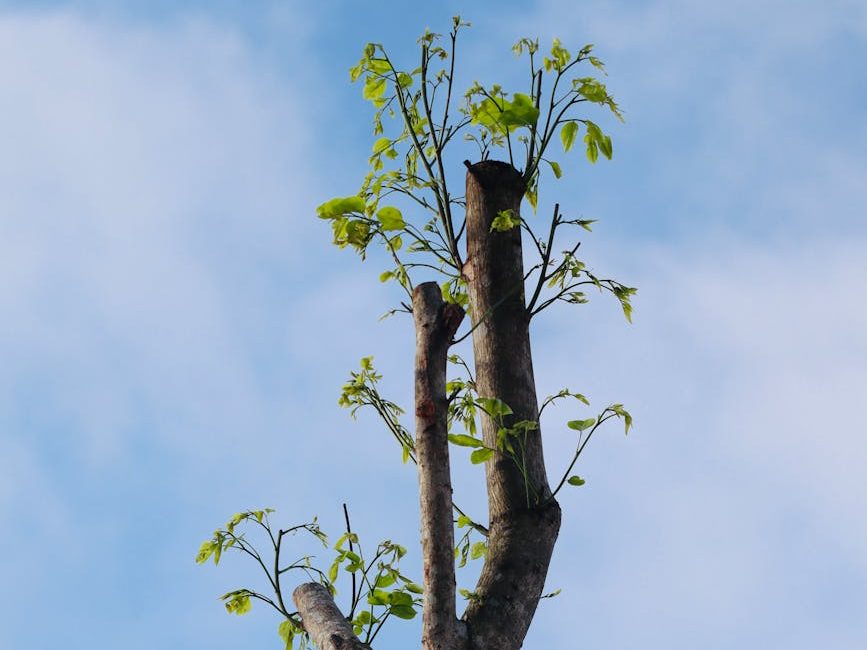
When Jesus told the Parable of the Sower in Matthew 13, he spoke of seeds that fell on rocky ground, sprang up quickly, and then withered for lack of moisture. TENDER PLANTS can look promising, yet without hidden strength they don’t last when the heat of trial comes. Jesus explained that these are people who receive the word with joy, but in times of testing they fall away. Faith isn’t proven by enthusiasm alone. What matters is whether God’s word sinks deeply into us, shaping our habits, convictions, and choices.

Jesus added, Consider carefully how you listen. Whoever has will be given more. To move beyond the fragility of tender plants, we need patient, careful listening. The heart is like soil; it must be open and prepared, or even the brightest new growth will quickly fade.

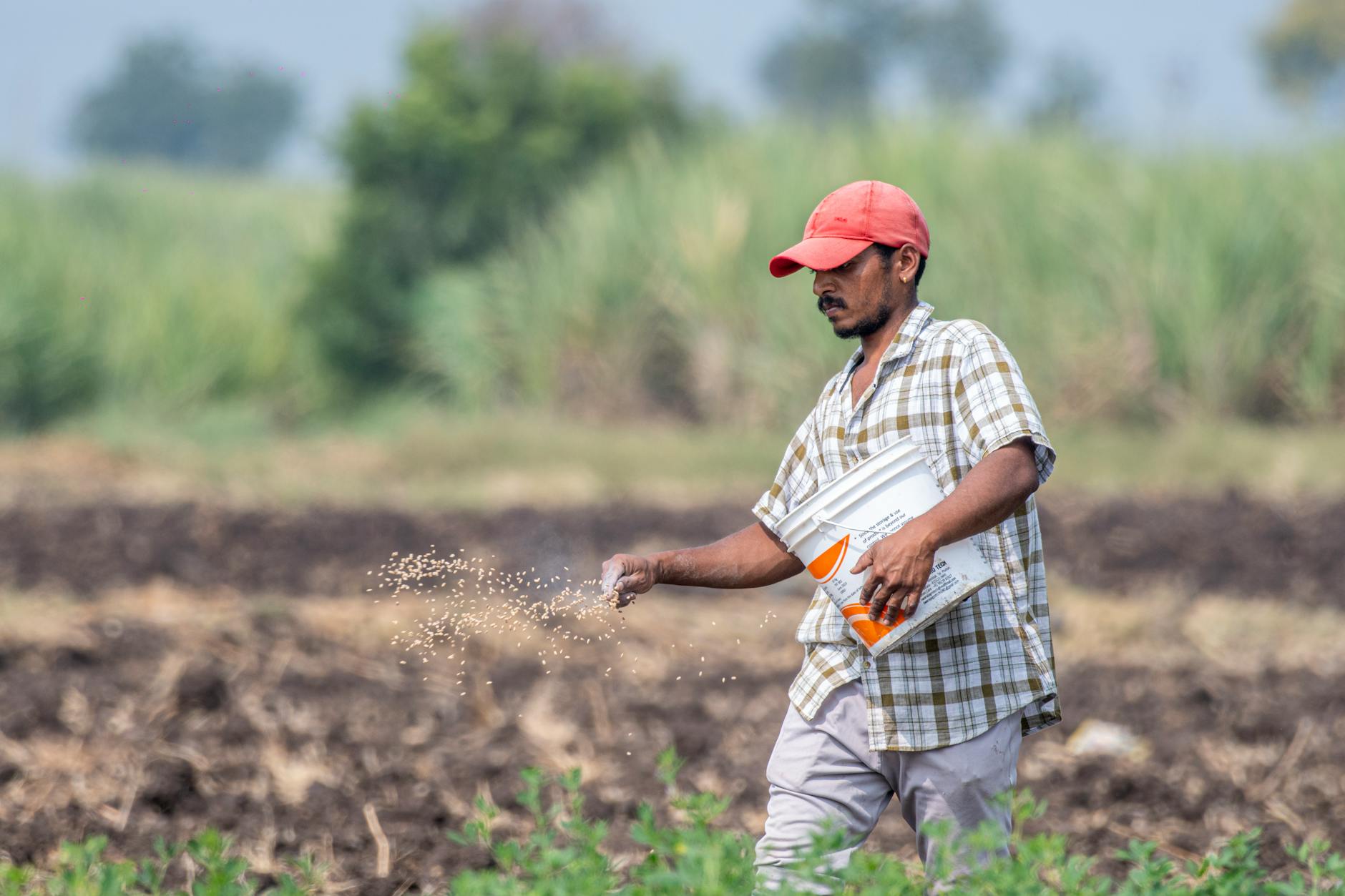
Other seed fell on good soil. It grew, flourished, and produced a harvest a hundred times more than was sown. The FERTILE SOIL represents those who hear the word, retain it, and by persevering produce a crop. It’s not a matter of hearing once and moving on, but of treasuring the word daily, returning to it repeatedly, letting it nourish every part of life.

The promise of abundant harvest is full of hope. When the gospel finds a ready heart, its impact overflows beyond the individual. A fertile life blesses others: kindness spreads, forgiveness softens hard places, generosity inspires, and hope multiplies. The fruit isn’t ours to boast of, it’s the Spirit’s work in us. Our role is to keep the soil of our lives soft and receptive, through prayer, humility, and obedience.

The contrast between shallow ground and DEEP ROOTS is striking. Roots are unseen, hidden beneath the surface, yet they enable a tree to withstand storms and bear fruit. In the same way, Jesus calls us not only to hear his word but to let it go deep. Roots grow as we practise what we hear, when the word moves from our ears into our hands and feet.

Jesus linked this with light, No one lights a lamp and hides it in a jar or puts it under a bed (Luke 8:16). A life rooted in the word inevitably shines. Deep roots produce visible witness, just as strong trees give shade and fruit.

So, the Parable of the Sower asks, what kind of soil am I offering today?

Tender plants will wither, but fertile soil, with deep roots will bear fruit that lasts.

Lord Jesus, you scatter your word like seed across every field of life. Sometimes my heart is hard, sometimes distracted, sometimes shallow. Yet you never give up sowing. Make my heart fertile soil, open to your Spirit’s work. Send roots deep into your love, so that when trials come I may stand firm, and may my life shine with your light, bearing fruit that blesses others and glorifies you. Amen.

Tears That Rebuild Foundations

The Book of Nehemiah opens (Nehemiah 1:1-11) not with walls being rebuilt, but with a heart breaking. When Nehemiah hears that Jerusalem’s walls are in ruins and its people are in disgrace, he doesn’t shrug it off as someone else’s problem. He sits down, weeps, fasts, and turns his whole being towards God. His prayer isn’t polished or detached, it’s raw with grief and yet rooted in deep trust. He confesses his nation’s sins, even naming himself and his family as part of the failure. And then he clings to God’s promise, if the people return, God will gather them back.

There’s something beautiful and searching in that. Nehemiah shows us that before restoration comes prayer, before building comes brokenness, before action comes humility. He doesn’t just mourn what’s been lost, he dares to believe that God’s covenant love hasn’t run dry. The ruins of Jerusalem might speak of shame and defeat, but Nehemiah’s prayer leans into a greater word: hope.

When we look at the world, or at parts of our own lives, and see what feels like ruins; relationships fractured, communities divided, faith worn thin. It’s tempting to despair. Yet Nehemiah reminds us that God listens to those who cry out, that his mercy is bigger than our failures, and that even scattered stones can be gathered into something strong again. As Paul later wrote, when I am weak, then I am strong (2 Corinthians 12:10), for God’s strength is revealed in our dependence.

So let Nehemiah’s first response be ours too: not a rush to fix, but a turning to God with tears, confession, and trust. For in prayer, the rebuilding begins.

See also: Ezra & Nehemiah

Into His Courts with Praise

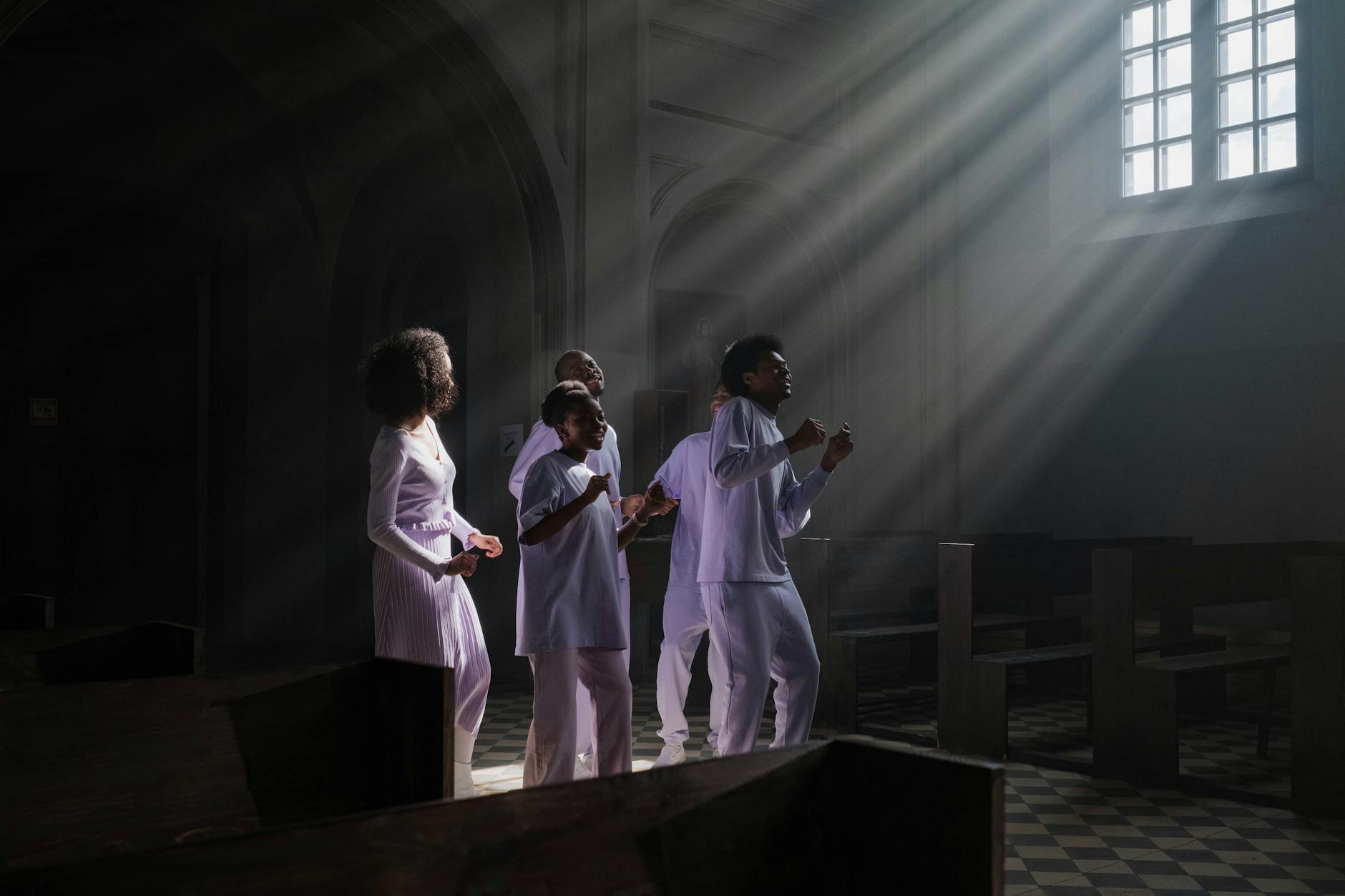
There are psalms that whisper comfort, psalms that lament in the shadows, and psalms that roar with joy. Psalm 100 is one of the latter, a jubilant summons to lift our voices in praise. It doesn’t speak of quiet meditation or hushed reverence, but of gladness, song, and overflowing thanksgiving. It’s as if the psalmist is saying: Come on, everyone, join the choir, join the dance, lift up your hearts.

We’re reminded to worship the Lord with gladness because he made us and we belong to him. That’s where our joy takes root. We’re not lost wanderers in an indifferent universe, but cherished sheep under a faithful shepherd’s care. To know that we’re his is to discover both identity and home.

The psalm beckons us further: Enter his gates with thanksgiving and his courts with praise. In the temple days, pilgrims would come streaming into Jerusalem, hearts and voices full of song. Today, the invitation is just as real. Every time we draw near, whether through prayer at the kitchen table, hymns in church, or even a whispered ‘thank you’ on a morning run, we step into God’s courts. Gratitude is our ticket of entry, praise the language of belonging.

The psalm closes with the surest anchor of all, For the Lord is good and his love endures for ever; his faithfulness continues through all generations. What steadies us in changing times is God’s unchanging character. His goodness isn’t fickle, his love doesn’t run dry, his faithfulness doesn’t skip a generation. What our grandparents knew, what we know, what our children and grandchildren will know, the same God holds us all.

The challenge is simple yet searching, do we let thanksgiving set the rhythm of our lives? Or do we allow complaint, worry, or weariness to be louder? Psalm 100 invites us to practice joy, to live gratefully, and to trust the love that will never let us go.