This is my Remembrance Sunday Sermon at Stockton Salvation Army on Sunday 9 November 2025.
It starts with three short Bible readings (each with brief context), moves into two quotes (which I come back to later in the sermon), and then the sermon itself. There is an additional prayer at the end.
Psalm 51:3–5
For I know my transgressions,
and my sin is always before me.
4 Against you, you only, have I sinned
and done what is evil in your sight;
so you are right in your verdict
and justified when you judge.
5 Surely I was sinful at birth,
sinful from the time my mother conceived me.
David recognises the depth of sin not just in his actions but in his very nature, expressing the idea that human brokenness is inherited and universal.
Luke 6:43–45
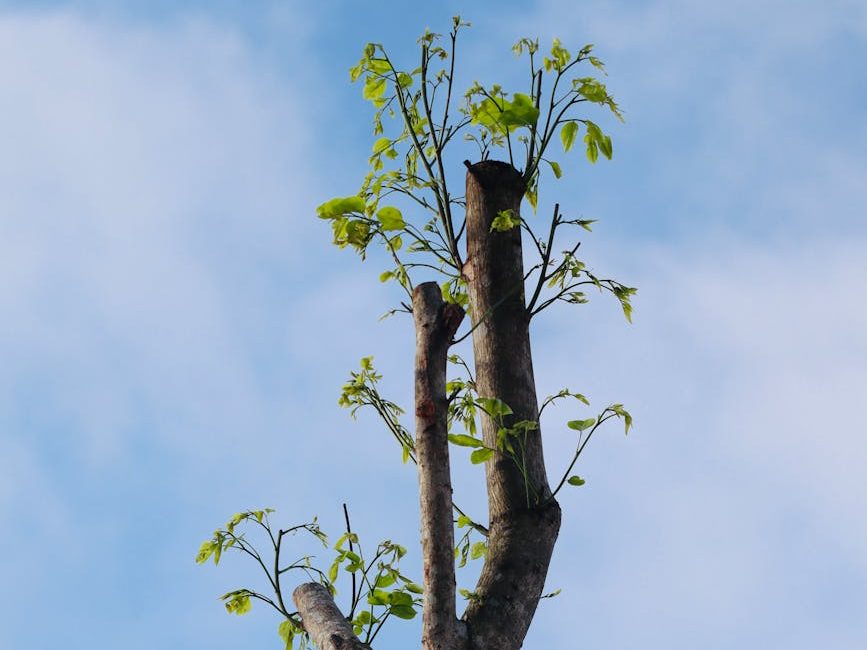
‘No good tree bears bad fruit, nor does a bad tree bear good fruit. 44 Each tree is recognised by its own fruit. People do not pick figs from thorn-bushes, or grapes from briers. 45 A good man brings good things out of the good stored up in his heart, and an evil man brings evil things out of the evil stored up in his heart. For the mouth speaks what the heart is full of.
Jesus uses simple imagery to show that goodness can flow from a good heart. It shows that goodness isn’t foreign to us, it springs from within, from the heart shaped by God’s image and nurtured by his grace. It reminds us that the human heart, though capable of terrible wrong, still holds the seed of goodness that God can help grow.
Galatians 5:22–23
But the fruit of the Spirit is love, joy, peace, forbearance, kindness, goodness, faithfulness, 23 gentleness and self-control. Against such things there is no law.
Paul describes how the Holy Spirit brings forth goodness and other virtues in those who open their hearts to God. This reminds us that genuine goodness isn’t merely human effort, but the Spirit’s life within us. Even though we’re marked by sin, the Spirit cultivates in us a new nature, one that reflects the goodness of God himself.
True lament is not born from that trite sentiment that the world is bad but rather from a deep conviction that it is worthy of goodness.
We are not meant for war,
For target-seeking arms,
For blood that stains a fun-meant shore,
For shells that scream alarms.
Before we speak of Remembrance, we begin with lament – the honest naming of pain and the longing for goodness.
Remembrance Sunday invites us to pause between the silence of loss and the call of hope. It’s a day when memory feels sacred, when we remember those who gave their lives, and the terrible cost of human pride, fear, and sin.
Psalm 51 reminds us that brokenness runs deep, not only in history but in every human heart. David’s confession, surely I was sinful at birth, acknowledges a truth we’d rather avoid, that the seeds of destruction lie not only in nations but in us.
Yet Jesus, in Luke 6, speaks of another seed, goodness that can still grow within the human heart. A good tree bears good fruit, he says, hinting that beneath the ash of sin, the image of God remains – a spark of life that grace can fan into flame.
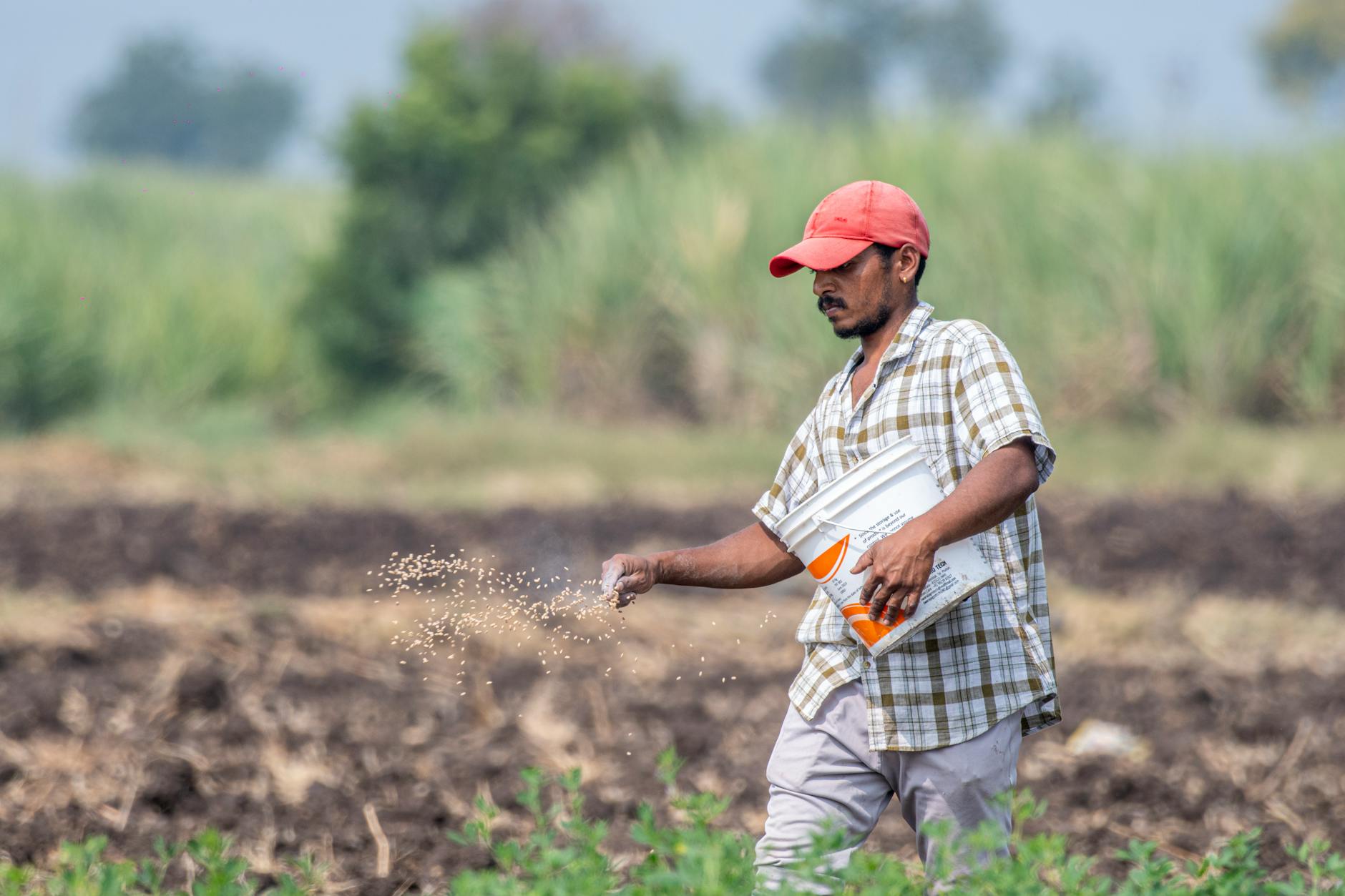
Paul takes us further, describing the fruit of the Spirit, love, joy, peace, and the rest, as evidence that goodness isn’t lost but renewed. It isn’t our achievement, but God’s own life flowering within us. So even as we lament the wars of the past and the wars still raging in hearts and lands, we dare to believe that goodness is possible.
So as we hold these scriptures together, we face a paradox that reaches to the heart of our faith…
Original sin reminds us we’re all touched by brokenness. The image of God reminds us we’re all capable of goodness. The first shows our need for grace, the second reveals our dignity and our hope.
This paradox has deep roots in Christian theology. It stretches back to the debates between Augustine, who emphasised humanity’s inherited sinfulness, and Pelagius, who believed in the innate capacity for goodness and moral choice. Over the centuries, theologians have wrestled with this tension, seeking to balance the reality of sin with the redeeming grace that restores human goodness through Christ.
On the one hand, the doctrine of original sin teaches that humanity is marked by a brokenness inherited from Adam and Eve, a bent towards self-centredness that no one can escape. On the other, the Scriptures affirm that every person bears the image of God, and so carries the possibility of goodness, love, and truth.
The reconciliation lies in holding both truths together without letting one cancel out the other. Original sin doesn’t mean humanity is utterly evil, but rather that even our best intentions are tinged with self-interest, fear, or pride.
Augustine and later theologians stressed that while sin distorts the image of God in us, it doesn’t erase it. That divine imprint remains, like a flame flickering under ash.
So, the possibility of goodness is real, but it isn’t self-sufficient. Our goodness always points back to God’s sustaining grace, the Spirit moving within us. Paul speaks of people who do by nature things required by the law, showing that even those outside the covenant can reflect God’s goodness written on the heart. And yet he also says, all have sinned and fall short of the glory of God.
The paradox is that both can be true: goodness is possible because of God’s image within us, but salvation and wholeness require grace beyond us.
In that way, original sin underscores the need for redemption, while the possibility of goodness affirms our dignity and responsibility. We are neither condemned to despair nor able to save ourselves by our own light; instead, we’re invited to trust the God who renews the image already planted within us.
Let’s return to that first quote:
True lament is not born from that trite sentiment that the world is bad but rather from a deep conviction that it is worthy of goodness. Cole Arthur Riley
This striking quote reframes what it means to grieve. Lament isn’t shallow pessimism or complaint. It doesn’t flow from cynicism, the shrug that says the world is hopeless and always will be. Instead, Riley shows that lament is rooted in love, in the belief that the world can and should be different. To cry out against injustice or brokenness is to affirm that goodness is possible, that life is meant for something more.
Lament demands both courage and imagination, asking us to recognize current pain while envisioning better possibilities. It resists giving in to suffering or cruelty and instead acts as a form of hope, those who mourn deeply often do so because they truly believe in meaning, justice, and beauty.
Riley’s understanding of lament turns it into a form of witness. To lament is to stand against indifference, to speak truth to the world’s brokenness, and to demand something better. It’s an active testimony, one that refuses to let the world settle for less than goodness.
Through her writing, Riley insists on a more human and liberating expression of faith; one that makes space for grief and tenderness yet never gives up on goodness. In her vision, lament is not weakness but love, not despair but hope strong enough to weep.
True remembrance is more than sorrow, it’s a cry of faith. Like she says, lament is born not of cynicism but of conviction that the world is worthy of goodness. We remember, then, not just to mourn what’s been lost, but to nurture what can yet grow: peace, mercy, and the Spirit’s fruit in every heart.
And so, we remember not just with tears, but with longing – longing for peace, for goodness, for the renewal of all things in God.
Harry Read was a wireless operator in the 6th Airborne Division when he was parachuted into Normandy in the early hours of 6 June 1944, aged 20.
As Commissioner Harry Read, he was a much-loved Salvation Army Officer, who served with distinction, and in later life shared his poetry on Facebook. These poems have been compiled into anthologies, books I treasure especially as he was my Training Principal.
These are his words:
We are not meant for war,
For target-seeking arms,
For blood that stains a fun-meant shore,
For shells that scream alarms.
We are not meant to kill
Or, even worse, to maim
Because of some despotic will,
And do it in God’s name.
We are not meant to mourn,
Have chilling memories;
Of youth and innocence be shorn,
Call good men enemies.
We are not meant to hate
And hate with gathering force,
Because our hate we cultivate
And poison reason’s source.
But we are meant for peace
And joy and harmony,
For hearts that know a blest release
From hate and enmity.
And we are meant for God,
For whom our spirits yearn,
Who has our war-torn pathways trod
In hope of our return.
[Pause]
Prayer for Remembrance Sunday
God of peace and mercy,
we come before you with hearts full of gratitude and sorrow.
We remember those who gave their lives in war—
those who fell in foreign fields,
those who never came home,
and those whose wounds, seen and unseen,
carried the weight of the world’s brokenness.
We remember, too, those who still serve today,
striving to keep peace in troubled lands;
and we pray for all who live with the grief, fear, or silence
that war leaves behind.
Teach us, Lord, to remember not only with words,
but with lives that honour their sacrifice—
by seeking peace where there is hatred,
by building bridges where there are walls,
by loving even our enemies,
as Christ loved us.
May your Spirit comfort the sorrowing,
strengthen the weary,
and guide all nations in the ways of justice and compassion.
Until that day when swords are beaten into ploughshares,
and your kingdom of peace reigns over all the earth.
In Jesus’ name we pray.
Amen.