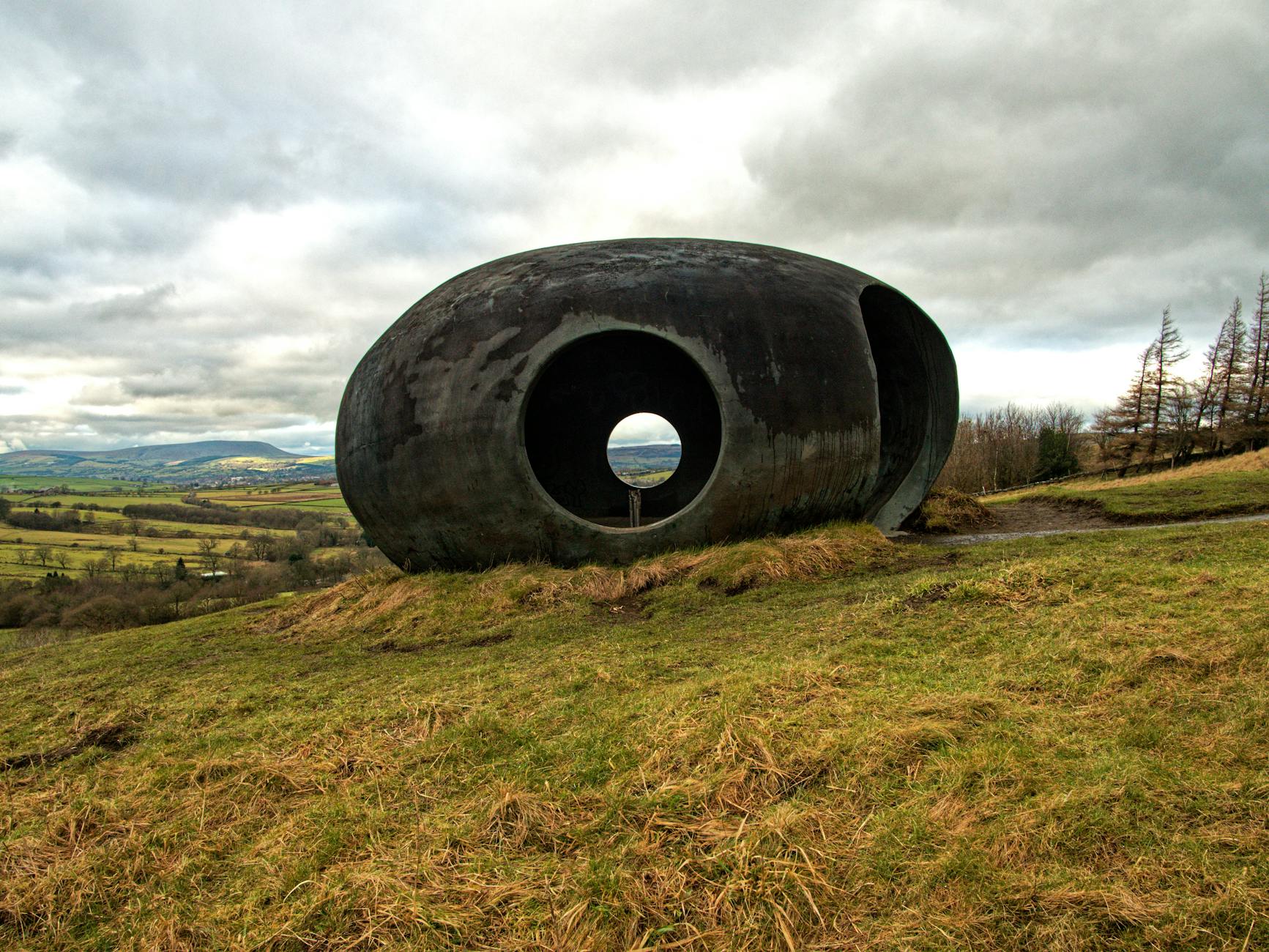
Lancashire Day

Lancashire Day, marked every year on 27 November, is a chance for people across the historic county to recognise and celebrate Lancashire’s heritage. The date commemorates the moment in 1295 when Lancashire first sent representatives to Parliament, which is why it’s often described as the county’s official “birthday”. Today, it’s used as an opportunity to highlight the history, culture, and identity of a region that’s played a significant role in shaping the UK.

Across the county, councils, community groups, and local organisations use Lancashire Day to promote everything from traditional food to local industry. You’ll often hear the official Lancashire Day proclamation read out, affirming loyalty to the county and reminding people of its historic boundaries, which are wider than the present administrative ones. Many residents still take pride in identifying with the traditional county rather than the modern divisions created in the 1970s.

Lancashire’s story is closely tied to the Industrial Revolution, the growth of the textile industry, and the development of seaside towns like Blackpool and Morecambe. Lancashire Day provides a simple way to reflect on these contributions and to acknowledge how the county continues to evolve through education, culture, sport, and innovation.

What stands out about the day is how grounded it is. There are no grand ceremonies; instead, it’s about local pride, a sense of belonging, and an appreciation for the everyday character of the county. Lancashire Day reminds people where the county has come from, and why its identity still matters to so many.
The Bottle of Notes & MIMA

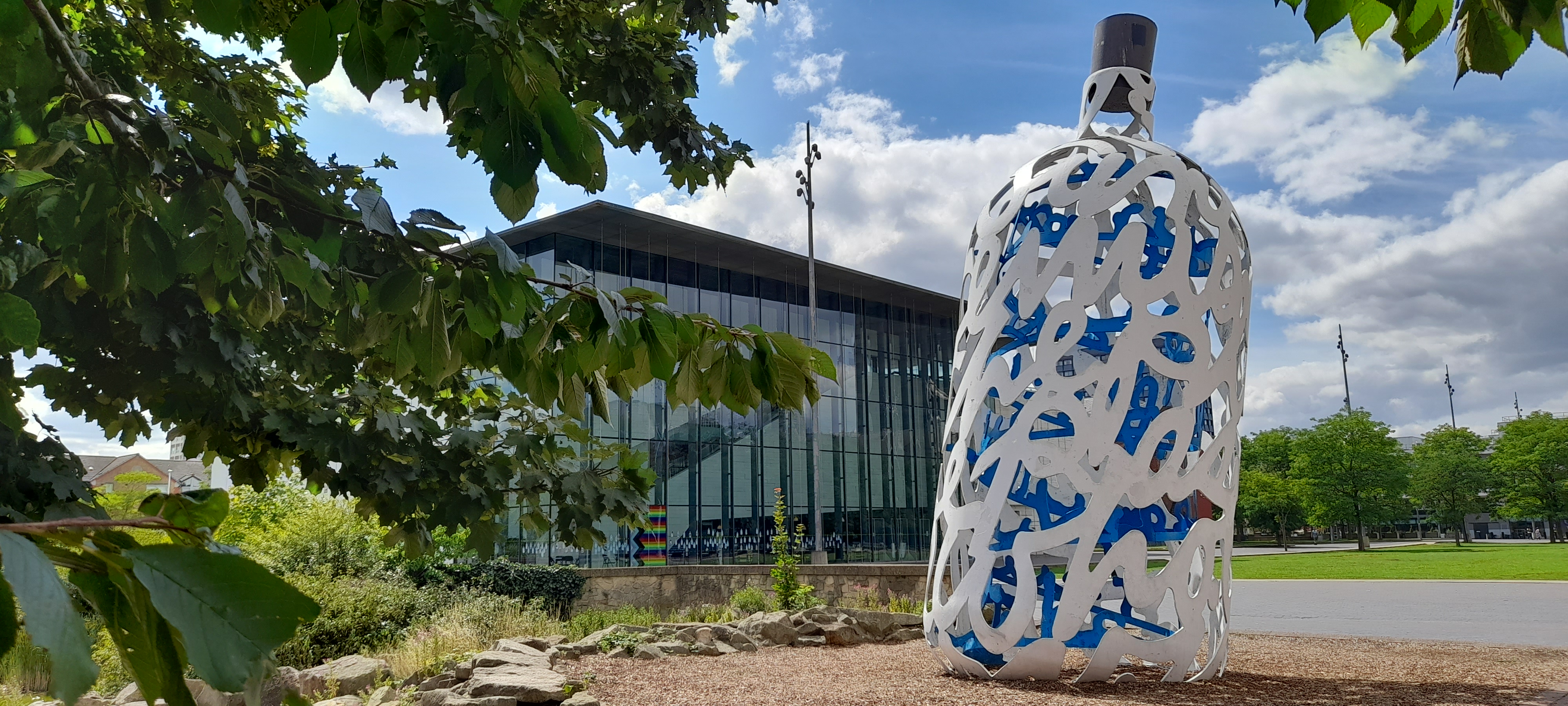
Tucked into the heart of Middlesbrough, the Bottle of Notes and the Middlesbrough Institute of Modern Art (MIMA) stand as two bold declarations that this proud post-industrial town has never lost its creative spark. Together, they form a kind of artistic gateway (one outdoors, one within) both inviting passers-by to pause, to look up, and to wonder.

The Bottle of Notes, created by Claes Oldenburg and Coosje van Bruggen in 1993, was the UK’s first public sculpture by international artists of that stature. It’s a twisting, open steel bottle, standing over nine metres tall, scribed with words from the journals of Captain James Cook, one of Middlesbrough’s most famous sons. The sculpture weaves his words with Coosje’s own poetic reflections, looping them together in English and French. It’s as if the sculpture itself is a message tossed into the sea of public space: fragmentary, fluid, beautifully unexpected. You don’t just look at the Bottle, you walk around it, beneath it, inside its gentle chaos. And if you let the words wash over you, you might just catch a glimpse of adventure.

Just a short stroll away is MIMA, one of the UK’s leading contemporary art galleries. It opened in 2007 with a striking glass façade that reflects both the sky and the people walking past. Inside, it’s a thoughtful space that doesn’t shout, but listens. MIMA champions not just visual art, but social change. Its exhibitions range from internationally acclaimed artists to community-rooted projects that give voice to the region’s lived experience. It’s not a place where art sits on a pedestal, it’s where art meets life.

Together, the Bottle of Notes and MIMA tell a quiet but powerful story: that Middlesbrough is a place of imagination and resilience. In steel and glass, poetry and paint, they remind us that art can belong to everyone, and that every place, no matter its past, can shape a creative future.