Security for Facebook

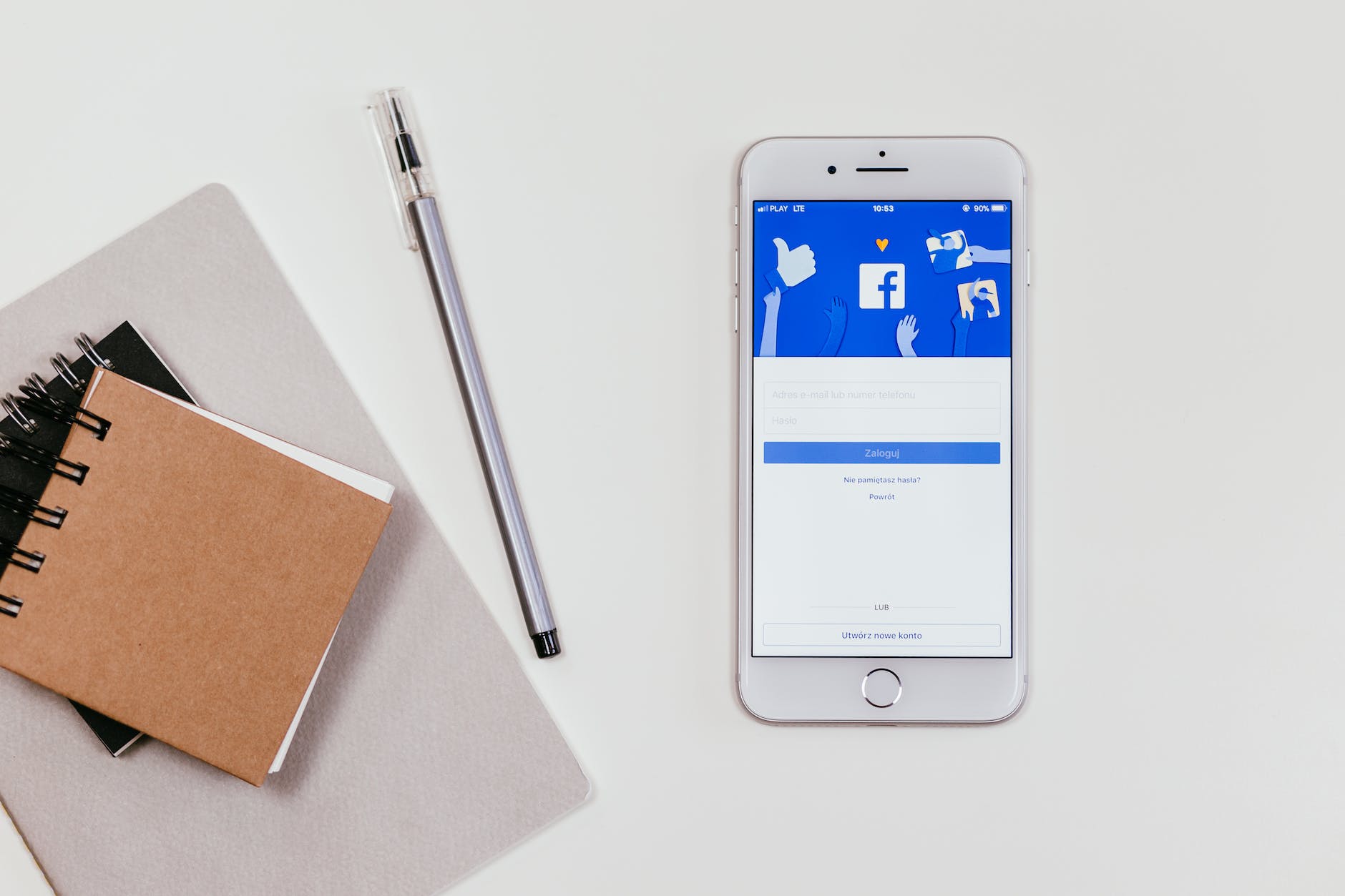
My observation of comments on Facebook (and other social media sites) suggests that there is considerable confusion between cloning and hacking.

Cloning does NOT involve someone getting into your account, so your password isn’t compromised. Hacking (on the other hand) DOES mean that someone has gained unauthorised access to your account, and you will need to regain control and change your password.

So, cloning a Facebook account is NOT hacking; it’s when someone copies your personal details and tricks your friends and others into thinking it’s you. It can happen because your security settings allow the public to see your friends list. Cloning can’t be prevented, but it’s less likely if you set the visibility of your friends list to [Friends only].

You can prevent hacking (when your account IS compromised) by setting up two-step verification; this simply involves a verification code being sent to a previously nominated mobile phone when there’s a login attempt from any new browser or device. This way, you are alerted to someone attempting to hack your account before it happens and can deal with it.

Two-step verification is widely available for many apps and websites.

People often complain about Facebook (and rightly so sometimes), but the tools needed to limit cloning or prevent hacking are already available and have been for a considerable time. They take little effort to set up, but may prevent big problems later on.

Spend a few minutes every so often to review your security settings on Facebook and other websites, you know it makes sense.

See also: Spotting Hoaxes and Scams Online
Spotting Hoaxes and Scams Online

I’m sometimes amazed at the things people share on Facebook and other social media sites without first checking their veracity. NO, Facebook doesn’t have a new algorithm that limits the number of friends you see, and NO, your favourite supermarket isn’t going to give £75 to every customer – just STOP and think before sharing.

There’s a fantastic way of checking if something is a hoax or a scam, it’s called Google. If you come across something you think might be a hoax or scam on Facebook or elsewhere, simply Google it and add the word ‘hoax’ or ‘scam’ to the search terms. Always works for me. There’s also a couple of useful sites for checking; namely Snopes and Hoax Slayer, and both have a presence on Facebook.

Fake news is something else altogether, that’s sometimes more difficult to spot; but also watch out for satirical sites before reacting. Think before sharing, if it looks dodgy it probably is. Rant over!

See also: Security for Facebook

The Need for Sleep

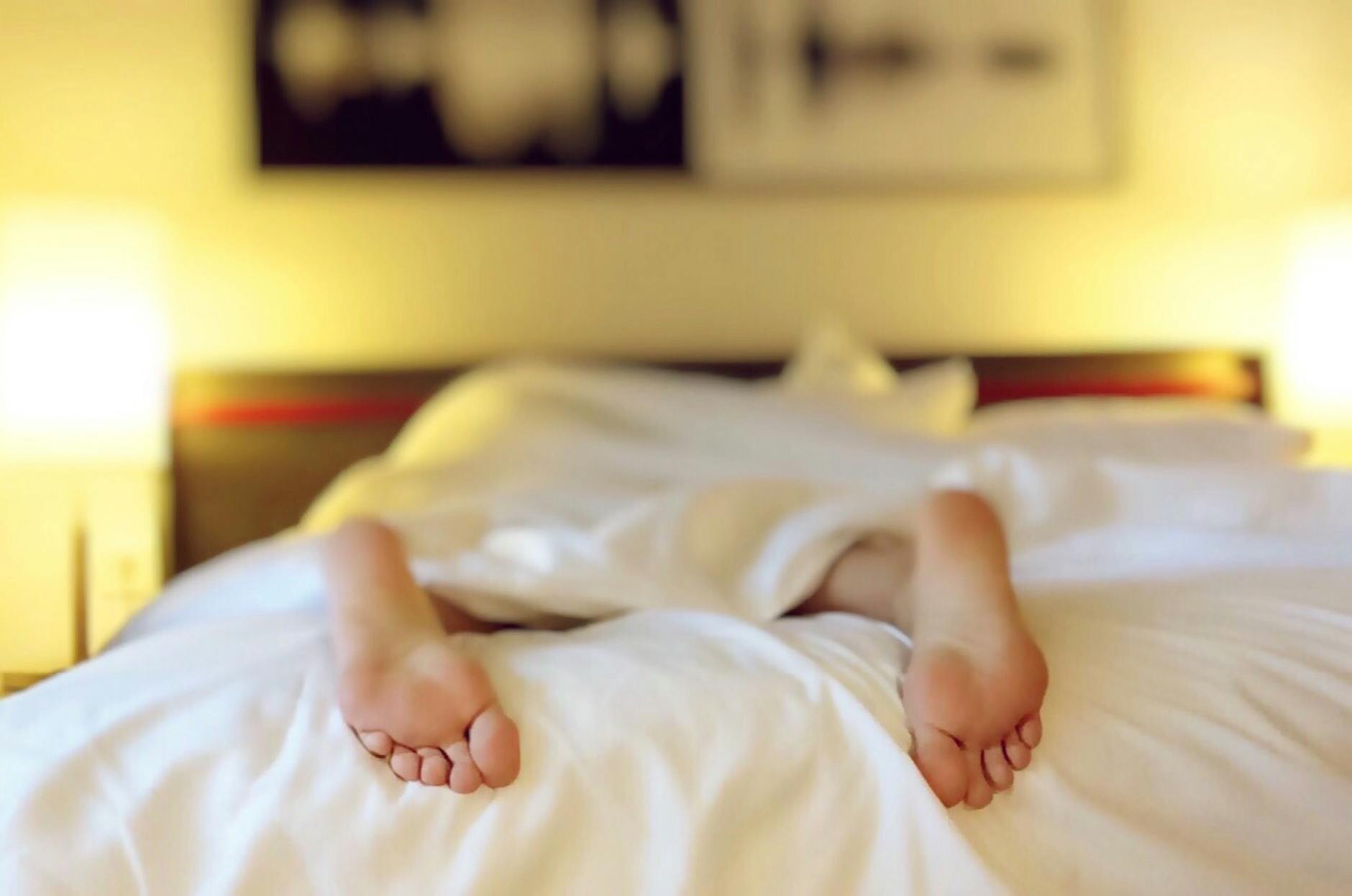
Sleeping is the best thing we can do to improve our overall health; it’s so simple that it’s often forgotten or ignored. I’m currently reading an excellent book about why we sleep, and I’ve been surprised at the negative effects lack of sleep can have on our mental and physical health, especially if we are building up a sleep deficit over a long period of time.

We all need both quantity and quality of sleep to function normally in our everyday lives. Unfortunately, there are those who boast about how little sleep they need, and there’s also an implied societal view that sleep is somehow lazy and unproductive; these can be easily demonstrated to be false and unhelpful.

Prolonged lack of sleep weakens your immune system, doubles your risk of cancer, and increases your chances of suffering heart disease and stroke, for example. It also adversely affects your mental health, contributing to anxiety, depression, and suicide. Worryingly, many road traffic accidents are caused by lack of concentration, drowsiness and microsleeps.

Although I’ve been aware of the effects of being sleep deprived for a while, I’m now more determined to do something about it, even if having three young children doesn’t make it easy – but as an older father I owe it to them to be healthy.

See also: 10 Tips for Top Sleep

Ad-Free Site

adfreebanner

There’s so much advertising on the Internet that, at times, it can become very distracting and intrusive. To reduce the amount that can overwhelm, I personally use an ad-blocker in my browser, which gives me a generally ad-free experience – but that’s a whole new discussion for another post.

You may have seen the above logo (or similar) on my blog, it appears in the left-hand column a little way down. By using this icon on my website I’m stating that I’m opposed to the use of corporate advertising on blogs and that I feel the use of corporate advertising on blogs devalues the medium; Similarly, I don’t accept money (or goods in kind) in return for anything I publish.

You will never see advertising on this site because I’m opposed to widespread advertising impacting every aspect of our existence; therefore, I’m drawing a line around this ‘personal’ space (deeming it inappropriate for advertising).

What I write is 100% my choice, and I will always seek to be as open and honest as I can. Be assured that my endorsement of anything (whether it’s a product, a book, a piece of art, an idea) comes directly from me and is not influenced by any outside person or organisation.

This is a helpful quote with which to conclude: If we, as a society, lose our voice completely, and corporations start doing all the talking, then we’ll be utterly lost. To some degree, this has already happened. Our ability to envision a future collectively has already been severely compromised. Kalle Lasn

Note: If you appreciate my varied posts, you might like to donate (click on link) towards my running costs. You can choose a one-off payment or a monthly/yearly subscription. Thanks, John.