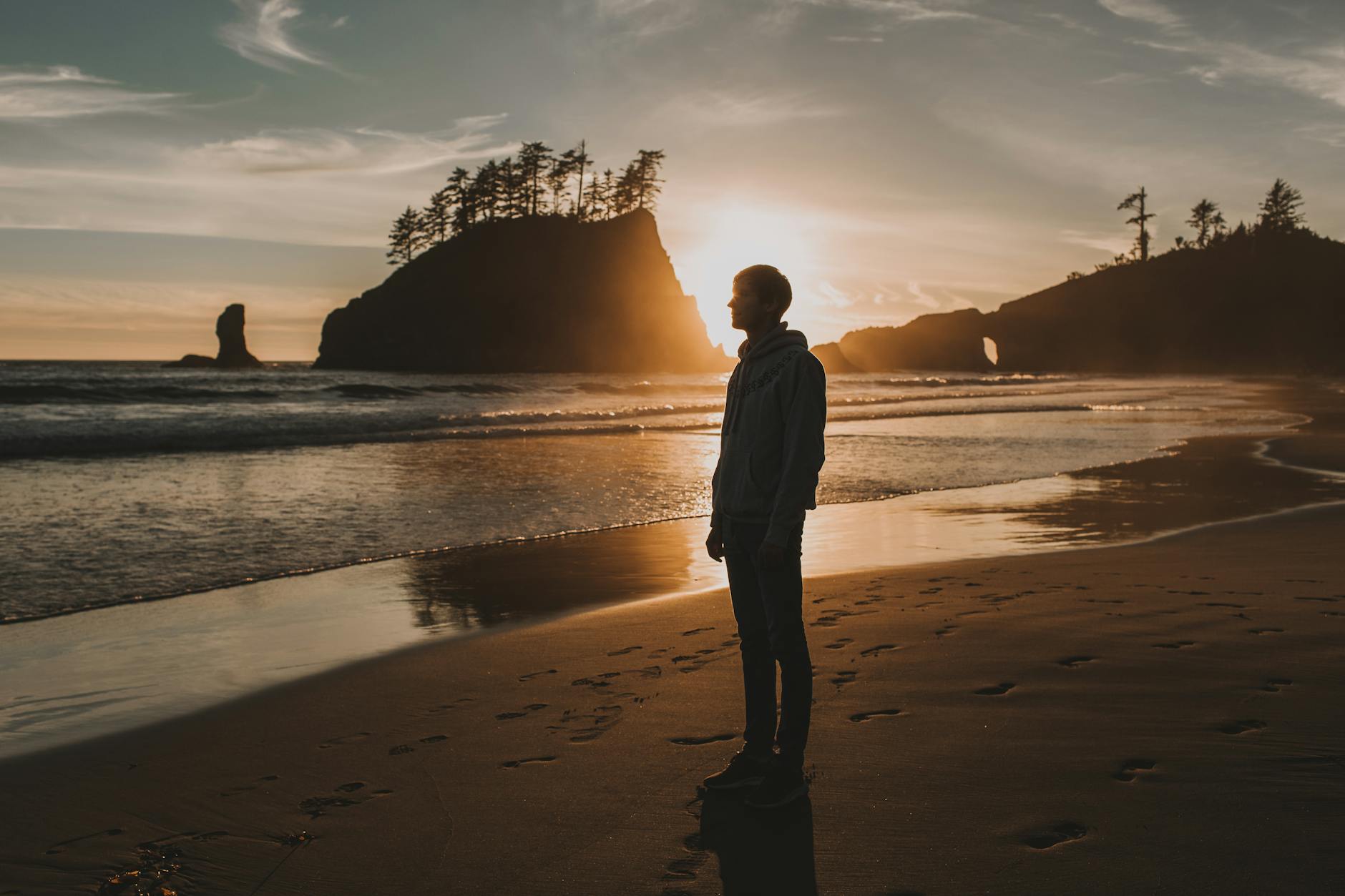
Advent Joy Springs Forth

The Third Sunday of Advent carries a note of joy, yet it isn’t the shallow cheer of tinsel and glitter. Advent joy is something deeper, born not of circumstance but of promise. The prophet Isaiah cries out, The desert and the parched land will be glad; the wilderness will rejoice and blossom. Joy bursts forth in unlikely places, just as it did when Mary, a young woman in Nazareth, received the angel’s word and sang of God’s faithfulness. This joy doesn’t deny sorrow or struggle; it wells up within them, a sign that God’s kingdom is near.

Paul, writing to the Philippians, urges: Rejoice in the Lord always. I will say it again: Rejoice! These words weren’t penned in ease but from prison. His joy didn’t rest on freedom or comfort but on the presence of Christ who was with him even there. Advent joy, then, isn’t about waiting for everything to be perfect before we rejoice. It’s about recognising the nearness of the Lord in the middle of imperfection, trusting that even in barrenness, God makes new life blossom.

John the Baptist, still in the wilderness, points beyond himself: Among you stands one you do not know. Even in his stark call to repentance, there is joy, because the Messiah is close at hand. Advent joy invites us to look for Christ’s presence in unexpected faces, in moments of kindness, in the whisper of the Spirit that meets us in our waiting.

This Sunday, a rose-coloured candle can be lit, softening the season’s sombreness with the warmth of joy. Its flame reminds us that joy is not naïve optimism but fierce hope – hope that God keeps his promises, hope that light breaks into darkness, hope that love will have the last word.

As we move closer to Bethlehem, may joy find us not only in carols and candles, but in the small, hidden ways Christ is at work. May it take root in us, steady and unshaken, so that even in a weary world we may rejoice, and our lives may shine with the gladness of the one who comes.

Favourite Albums 2025

The 2025 album landscape reveals a rich tapestry of introspection, experimentation, and emotional exploration. Across genres, artists are mining vulnerability, resilience, and identity, whether through the ethereal electropop of Alison Goldfrapp’s Flux, the intimate reflections of Blood Orange’s Essex Honey, or Cat Burns’ raw personal journey in How to Be Human.

Many works engage with themes of grief, loss, and self-discovery, as seen in Dijon’s Baby, Olivia Dean’s The Art of Loving, and Skunk Anansie’s The Painful Truth, often balancing emotional depth with creative sonic approaches. Others channel rebellion, empowerment, and catharsis, such as ALT BLK ERA’s genre-bending Rave Immortal, Heartworms’ Glutton for Punishment, and Wet Leg’s playful Moisturiser.

Several albums emphasise memory, nostalgia, and the passage of time, from Ludovico Einaudi’s reflective The Summer Portraits to Ichiko Aoba’s luminous folk textures in Luminescent Creatures, while conceptual works like Steven Wilson’s The Overview and Christian Fiesel’s Dusk at Dawn explore cosmic and cinematic narratives, connecting human experience to broader existential or fantastical frameworks. Also included in my favourites of 2025 are ambient albums by Cousin Silas collaborating with Kevin Buckland and Substak.

Live albums from Nick Cave, BEAT, David Gilmour, and Pink Floyd highlight performance, reinterpretation, and the enduring power of musical dialogue. Experimental, ambient, and avant-pop approaches, exemplified by Brian Eno & Beatie Wolfe, Stereolab, and FKA Twigs, demonstrate an ongoing fascination with sound, texture, and immersive atmospheres.

Overall, these favourite albums reveal a 2025 musical zeitgeist defined by introspection, emotional honesty, and sonic adventurousness, blending personal and universal narratives, celebrating human resilience, and pushing the boundaries of genre, form, and expression. The year’s music feels simultaneously intimate and expansive, reflective and experimental, offering both solace and provocation in equal measure.


Flux (Alison Goldfrapp) blends lush, ethereal electropop with some of her most vulnerable lyrical writing yet, featuring shimmering production from collaborators like Richard X and Stefan Storm on this, her second solo album.

Rave Immortal (ALT BLK ERA) is a fierce, genre-bending record fusing punk, rave, and hip-hop energy to confront themes of identity, rage, and resilience, channelling raw emotion into anthemic, rebellious tracks that celebrate empowerment and defiance.

Live (BEAT – Adrian Belew, Tony Levin, Steve Vai & Danny Carey) is a live document of their reinterpretation of King Crimson’s 1980s-era material, conveying both devotion to the originals and the energy & spontaneity of a modern performance. It features extended versions of songs from Discipline, Beat, and Three of a Perfect Pair, weaving in improvisational moments and dynamic interplay.

Metalhorse (Billy Nomates) combines elements of synth-pop, punk, blues, folk, and electro around a concept of a crumbling funfair, exploring loss, insecurity, resilience, and life’s unpredictable ups and downs.

Essex Honey (Blood Orange) is a reflective and intimate record by Devonté Hynes exploring grief, memory, and home. It’s grounded in his Essex upbringing and stitched together with his signature genre-blur. It blends dreamy sonic textures, subtle guest appearances, and a deeply personal emotional core.

Lateral, Liminal, and Luminal (Brian Eno & Beatie Wolfe) unfold as a triptych of sound and thought, blending ambient experimentation with poetic reflection on human consciousness and the planet’s fragility, weaving a meditative dialogue between technology, ecology, and empathy.

How to Be Human (Cat Burns) finds her peeling back layers of grief, self-doubt and resilience. It’s a deeply personal journey of navigating loss and identity, yet ultimately offering comfort in our shared existence of being human.

We Are Love (The Charlatans) is a warm, reflective album that explores tenderness, resilience, and the ways love quietly holds a life together. Its songs move through nostalgia, hope, struggle, and renewal, offering a gentle affirmation that connection remains the one thing that endures.

Dusk at Dawn (Christian Fiesel) offers a musical retelling of the themes of 2001: A Space Odyssey, drawing inspiration from Kubrick’s film and Arthur C. Clarke’s screenplay. Find it on Bandcamp.

Waiting for Winter (Cousin Silas & Kevin Buckland) is a collaborative ambient album released on Bandcamp, featuring atmospheric soundscapes and minimal classical textures evocative of cinematic winter landscapes. Find it on Bandcamp.

Silent Hour (Cousin Silas & Substak) creates a spacious ambient journey where gentle drones and subtle rhythms evoke stillness and nocturnal calm, drawing the listener into a meditative, dreamlike state. Find it on Bandcamp.

The Luck and Strange Concerts (David Gilmour) is a live album capturing performances from his Luck and Strange tour, blending tracks from his recent solo work with iconic Pink Floyd songs into a sweeping live retrospective of his career. It showcases Gilmour’s emotive guitar work and vocals across 23 live tracks, drawing on concerts from 2024 and released in multiple formats with rich audio and video options.

Baby (Dijon) is a deeply personal, experimental R&B album that explores the chaos, ecstasy, and anxiety of new fatherhood and the messy emotional landscape of domestic life through fractured, genre-bending production and deeply felt vocals. It’s an often raw, sometimes unsettling journey that uses glitchy electronics, warped rhythms, and intimate songwriting to reflect on love, fear, lineage, and the overwhelming experience of becoming a parent.

Play (Ed Sheeran) captures his instinct for storytelling through melody, moving between carefree joy and quieter confession, with songs that centre on connection and everyday emotion wrapped in instantly familiar hooks.

EUSEXUA (FKA Twigs) delves into sensuality, self-discovery, and the complexities of desire, blending intimate vulnerability with empowered expression through experimental, immersive music that weaves ethereal textures with bold, confrontational moments.

Everybody Scream (Florence + the Machine) explores the fierce alchemy of physical vulnerability, emotional upheaval and spiritual reclamation, wrapped in mythic imagery and ritualistic sound. With echoes of witchcraft, survival and rebirth, it’s a bold statement of power and fragility entwined.

The Human Fear (Franz Ferdinand) wrestles with anxiety, vulnerability, and the strange beauty of collective experience, turning personal unease into something communal and cathartic, where sharp riffs and wry lyricism coalesce into a powerful whole.

Glutton for Punishment (Heartworms) is a debut studio album that delves into the psychology of self-inflicted pain and emotional resilience, blending dark, gothic energy with danceable post-punk and alternative rhythms to explore conflict, obsession, and catharsis. The record juxtaposes raw introspection and narrative storytelling across a blend of propulsive beats and atmospheric textures, presenting a bold artistic identity that balances vulnerability with fierce sonic ambition.

Luminescent Creatures (Ichiko Aoba) drifts like a half-remembered dream, bathing the listener in softly glowing folk textures that explore fragility, memory, and the quiet holiness of the natural world. Aoba moves with her usual tenderness, letting voice and guitar shimmer at the edges of silence, creating an atmosphere where vulnerability feels luminous rather than exposed.

Son of Glen (Jakko M. Jakszyk) is a deeply personal and reflective album exploring family, memory, and identity through prog-rock sophistication and lyrical intimacy, balancing intricate musicianship with emotional storytelling.

Curious Ruminant (Jethro Tull) spans nine tracks from intimate folk-rock to a 16-minute suite, showcasing Ian Anderson’s flute and leadership alongside long-time members and new guitarist Jack Clark in a mix of reflective lyricism and expansive instrumentals.

From the Pyre (The Last Dinner Party) is a character‑driven, myth‑steeped baroque pop and art‑rock album that explores mythic emotional extremes and elemental storytelling through vivid imagery and dramatic narratives. It binds a suite of personal yet allegorical tales around the symbolic concept of the pyre (a place of destruction, regeneration, passion, and fire) with a darker, earthier tone than their debut, blending theatricality with raw emotional depth.

The Summer Portraits (Ludovico Einaudi) captures fleeting warmth and gentle nostalgia through delicate piano and orchestral textures, each piece feeling like a memory preserved in sunlight, reflecting on time, transience, and quiet beauty.

Critical Thinking (Manic Street Preachers) channels the band’s trademark intensity into reflections on truth, ideology, and the noise of modern discourse, balancing intellectual bite with emotional depth while questioning conviction and compassion in a fractured world.

Tall Tales (Mark Pritchard & Thom Yorke) emerged during the COVID-19 lockdowns through remote collaboration, using vintage synths, experimental textures, and Yorke’s haunting vocals to explore dystopian themes of alienation, disconnection, and the uneasy effects of progress.

The Bad Fire (Mogwai) confronts recent personal challenges, including Barry Burns’ daughter’s illness, while delivering the band’s signature mix of brooding atmospherics, expansive crescendos, and moments of luminous melody.

Live God (Nick Cave & The Bad Seeds) is a live double‑album capturing the intense, transcendent energy of their Wild God Tour across Europe, the UK, and North America, blending powerful performances of new material with reimagined classics. The album stands as a testament to the band’s emotional and spiritual breadth onstage, showcasing both the gravity and joy of Cave’s towering catalogue in a visceral live setting.

The Art of Loving (Olivia Dean) moves through the complexities of intimacy, heartbreak, and self-discovery with warmth and clarity, balancing soulful vulnerability with confident joy in songs that feel both deeply personal and universally resonant.

Live at Pompeii MCMLXXII (Pink Floyd 2025 Mix) offers a freshly remixed and remastered take on the band’s iconic 1971 live performance in Pompeii, mixed by Steven Wilson with 11 tracks, alternate takes, and bonus material presented in spatial audio and vinyl.

Wish You Were Here 50 (Pink Floyd) revisits the band’s classic album Wish You Were Here with a deluxe 50th Anniversary box set that honours the original themes of absence, alienation and creative struggle while uncovering rare studio demos, alternate versions and live recordings. This edition re‑contextualises the 1975 music with restored audio, a new Dolby Atmos mix and previously unreleased material, offering fans both nostalgia and fresh insights into one of rock’s most beloved albums.

More (Pulp) marks the band’s first album in 24 years, bringing together core members Jarvis Cocker, Candida Doyle, Nick Banks, and Mark Webber for a lush art-pop sound rich with reflective, witty lyricism and sophisticated arrangements.

Saving Grace (Robert Plant with Suzi Dian) is steeped in quiet reflection, weaving themes of longing, resilience, and weathered spirituality into a folk-rooted sound that feels both earthy and ethereal, carrying a sense of intimacy and pilgrimage.

The Painful Truth (Skunk Anansie) is a bold, emotionally raw comeback album that confronts personal struggles, mortality, and creative identity with fearless honesty.

MAD! (Sparks) showcases the Mael brothers’ inventive blend of art rock and synth-pop, filled with sharp songwriting, energetic experimentation, and characteristic wit, accompanied by an EP aptly titled MADDER!

Instant Holograms on Metal Film (Stereolab) feels like a dreamy, retro-futuristic return. Weaving together their classic motorik grooves, warm synth textures, and political lyrical reflections, while also sounding freshly alive. It’s an album about memory, utopia, and the strange currents of the present, rendered in their timeless avant-pop style.

The Overview (Steven Wilson) is a sprawling, cosmic concept album that explores the transformative “overview effect” astronauts experience when seeing Earth from space, blending progressive, space, and psychedelic rock into two long, evolving musical suites. The record weaves existential reflection with narratives of humanity’s beauty and fragility, returning Wilson to expansive prog‑rock territory while pushing his sound forward in richly detailed compositions.

Moisturiser (Wet Leg) revels in playful irreverence, mixing cheeky humour, catchy hooks, and witty observations on modern life into a carefree, mischievous celebration of fun and youthful rebellion.

The Clearing (Wolf Alice) explores introspection, transformation, and emotional turbulence through a sound that shifts between delicate vulnerability and cathartic intensity, balancing personal reflection with broader social resonance.


So, there you are, 40 great albums. Unfortunately, I can’t bring myself to choose an overall favourite, they’re all good. Enjoy!

Truth Twisting, Science Silenced

There’s a quiet but deeply troubling shift when official US government websites remove or rewrite scientific information about global warming. When the causes of climate change are presented as though they arise only from natural cycles, and when references to fossil fuels, rising emissions, or well-established impacts are deleted, something essential is lost. Science depends on clarity, transparency, and the willingness to face evidence even when it’s uncomfortable. When public institutions obscure that evidence, they weaken the trust people place in them and leave citizens less equipped to understand the world they live in.

These changes don’t alter the reality of global warming, but they make it harder for people to see the full picture. Without honest information, communities struggle to prepare for floods, heatwaves, and rising seas. Farmers, planners, schools, and local councils rely on accurate data to make decisions that shape people’s lives. Removing or downplaying that information doesn’t protect anyone; it simply masks the scale of the challenge.

There’s also a deeper danger here. When governments deny or distort science, they encourage a culture where facts become optional and evidence is treated as an inconvenience. That’s how societies drift downhill into ignorance. Once we start believing that inconvenient truths can be edited away, we create space for misinformation, mistrust, and division. Scientific understanding is one of humanity’s greatest achievements, a hard-won gift passed down through generations of curiosity and courage. To tamper with it for political comfort is to erode that gift.

We all deserve better, and the planet certainly does.

Keeping Christmas Truly Open

A carol service is an unconditional celebration of the love of God at Christmas; it’s a moment when music, scripture, and the soft glow of hope gather us into something far bigger than ourselves. I should know, because I’ve been organising them for years, although not in retirement. Those occasions always felt like an embrace. People arrived carrying the weight of the year, and somehow the familiar melodies, the gentle readings, and the story of a child born into vulnerability softened us all. There was no agenda except love, no priority except welcome, and no message except the astonishing truth that light still breaks into the world.

That’s why carol services must never be used for political purposes. They aren’t a platform to stir culture wars, promote nationalism, or draw battle lines between “us” and “them”. The moment you do that, the music stops being a gift and becomes a tool, and something holy is lost. Christmas speaks of peace on earth, goodwill to all, and that means everyone: neighbour, stranger, sceptic, seeker, and the person who disagrees with us completely.

A carol service is at its best when it gathers people without judgement, reminding us that divine love isn’t territorial, possessive, or partisan. It’s generous, surprising, and endlessly welcoming – and we honour it most when we let it stay that way.

Human Rights Day

Human rights aren’t abstract principles tucked away in treaties, they’re the everyday promise that every person is worthy of dignity, safety, and the chance to flourish. When we talk about rights, we’re really talking about people: children who deserve to learn without fear, women who deserve to walk home without being threatened, migrants who deserve compassion rather than suspicion, and communities who deserve to live without violence, exclusion, or silence. At its heart, human rights declare that no one is less than anyone else, and that simple truth still has the power to shake the world.

Yet we know how fragile that truth can be. In a world that often feels loud with anger and shrill with division, it’s easy to slip into cynicism, to shrug and say this is just how things are. But Human Rights Day nudges us to lift our heads, to notice the places where injustice still stalks the edges of our lives, and to realise that change begins not only with parliaments or courts, but with the way we choose to see one another. Every act of kindness, every moment of listening, every time we insist that someone’s story matters, we honour the promise made in the Universal Declaration of Human Rights.

It isn’t naïve to believe in this promise. It’s brave. It’s necessary. And it’s deeply hopeful. Because whenever we stand up for someone else’s dignity, we strengthen our own. Whenever we refuse to look away, we help build a world that’s gentler, fairer, and more human. On this day, and every day, we can choose that world, and it starts with how we treat the person right in front of us.

When Alliances Start Shifting

There’s a growing uneasiness across Europe right now, and it’s hard to shake the feeling that we’re being pulled into a darker, colder season. Putin’s behaviour makes it painfully clear that he has no real interest in peace with Ukraine; his actions speak of expansion, intimidation, and a calculated willingness to let suffering drag on. That alone casts an unsettling shadow over the whole region, reminding us that the peace we often take for granted is far more fragile than we’d like to believe.

Adding to that tension is Trump’s strange admiration for Putin, which seems to outshine his regard for Zelensky. It’s bewildering to watch a democratic figure praise an autocrat more readily than a leader defending his people from invasion. It deepens the instability, almost as if the moral compass of global leadership is spinning in odd and unpredictable ways.

What troubles me even more is the sense that the United States is drifting from its long-held partnership with Europe. For decades, that bond has been a pillar of democratic security, a reassuring constant in turbulent times. To see cracks widening now, when unity matters more than ever, feels like watching a bridge we depend on start to sway in the wind.

Altogether it paints a bleak, uneasy outlook, one filled with shifting loyalties and fading certainties. Yet even in this confusion, there’s still a stubborn hope that democracies can hold firm if we choose solidarity over cynicism, and courage over complacency.

Why use a VPN? (No, NOT that!)

A virtual private network has become one of the simplest, most dependable ways to stay safe online, especially when you’re moving through the world with a phone or laptop. Public Wi-Fi in cafés, hotels, trains, and airports feels convenient, yet it leaves your data exposed in ways most people never see. A VPN encrypts everything you send and receive, creating a private tunnel that shields your logins, messages, and personal details from anyone who might be snooping. It quietly restores a sense of safety at a time when digital life can feel far too porous.

It also offers a freedom that’s easy to underestimate. The internet is full of geographic walls – sites, services, and media locked to certain regions. A VPN removes many of those barriers. When you’re learning languages, this becomes genuinely exciting. It opens access to native news sites, streaming libraries, podcasts, and radio stations across Spain, France, Germany, Italy, and far beyond. It lets you immerse yourself in the authentic rhythms and cultural textures that simply don’t appear in textbooks or apps. It deepens understanding and makes language learning feel more alive.

Alongside all this, a VPN helps you push back against the quiet background tracking that follows most of us online. It limits the amount of profiling companies can do, softening the sense that every click is being watched. It’s a small, practical way to reclaim a little privacy and a little dignity, allowing you to move through the digital world with confidence, curiosity, and far fewer compromises.

Free WiFi is NOT Safe

Free WiFi can feel like a small delight when you’re out and about, offering an easy way to stay connected without dipping into your data allowance. Yet the moment you join one of these open networks, you step into a space that’s far less secure than it appears. There’s something disarming about seeing that simple “Free WiFi” prompt, almost as if the friendliness of the offer guarantees safety, but behind the scenes the reality is very different. Anyone with basic know-how can sit on the same network and quietly observe the flow of information, as if peering through an unlocked window.

The risks grow the instant you start doing things that matter. Logging into email, checking social media, or accessing online banking sends personal details across a connection that offers no real protection. Passwords, account information, and small digital traces of your day can be intercepted without you noticing anything unusual. There’s no warning sign, no gentle nudge to be careful – just a normal screen that hides the fact that your privacy is exposed to anyone determined enough to exploit it.

A safer approach is remarkably simple. Choosing mobile data instead of public WiFi keeps your information within a far more secure environment, and when you must use a public network, a trusted VPN wraps your connection in a protective layer that makes it far harder for anyone to snoop. It’s a quiet, thoughtful act of digital self-care, a way of keeping what matters truly yours in a world where so much of life moves through invisible channels.

Christmas Love not Nationalism

Christmas should be one of the gentlest moments in our shared cultural life, a season of light breaking into darkness, of compassion stretching itself wide enough to hold everyone. Yet in recent years, it’s been unsettling to watch Christian nationalists try to hijack it. They frame Christmas as a symbol of cultural supremacy, a line in the sand, a test of loyalty to a particular version of identity. It turns something soft into something sharp, something generous into something guarded, and it jars with the spirit of the season.

Because at its heart, Christmas has never been about drawing boundaries. It’s about hospitality, humility, and a love that refuses to stay small or confined. It tells a story of welcome that begins on the margins, in obscurity, in vulnerability. When people attempt to pull Christmas into a narrative of exclusion or cultural fear, they aren’t defending it, they’re distorting it. They miss the quiet courage of the story, the way it invites us to see strangers as neighbours and neighbours as cherished parts of a shared human family.

The good news is that Christmas still holds its shape. It keeps nudging us toward kindness, solidarity, and the courage to imagine a broader, softer way of being together. And no matter how loudly others try to claim it as a weapon in a culture war, it keeps slipping through their fingers, returning again to warmth, generosity, and the beautifully simple call to make room for one another.

Formula 1 Championship 2025

Photo: Liauzh / Wikimedia Commons (CC BY-SA 4.0)

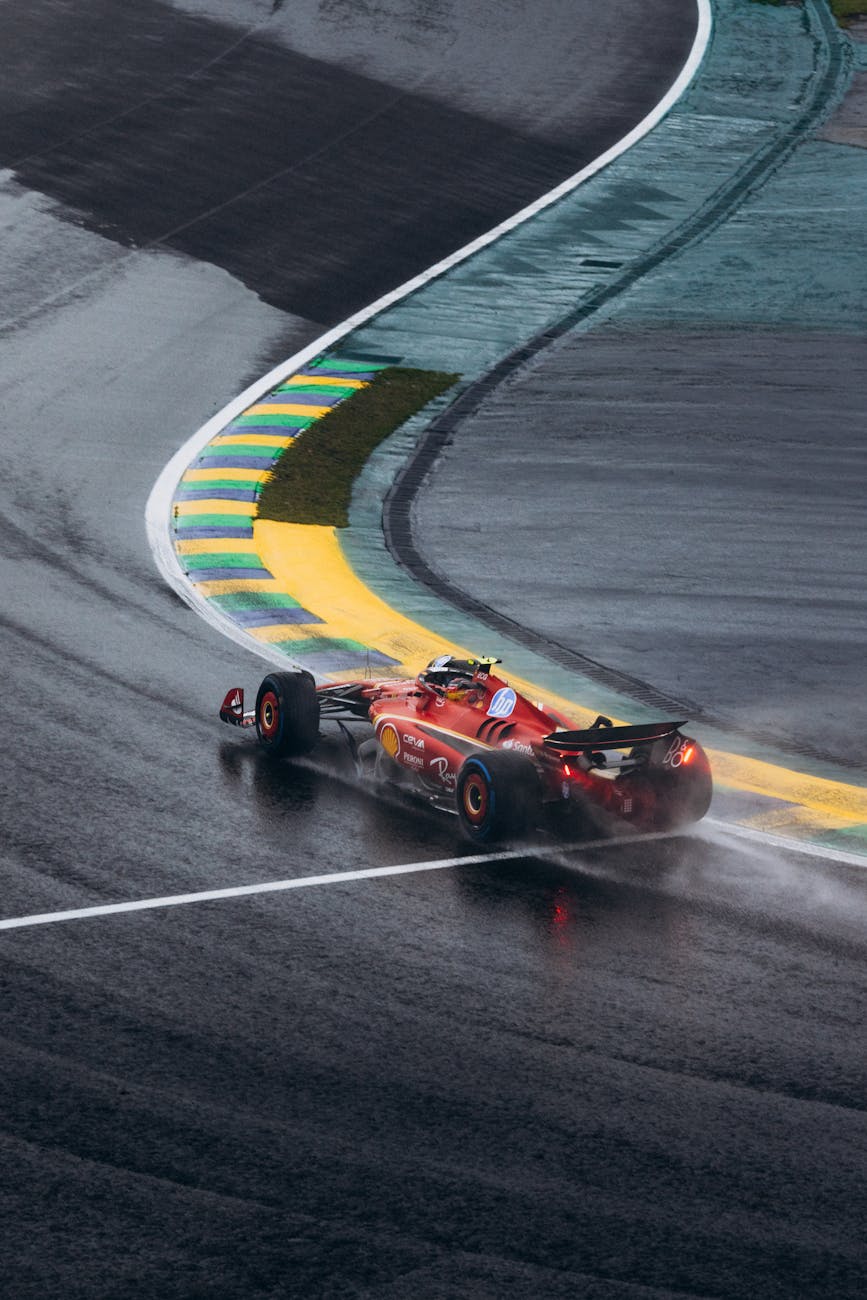
The 2025 F1 World Championship was a season defined by tight competition and consistent performance. Lando Norris secured his first world championship at the final round in Abu Dhabi, finishing third in the race to edge Max Verstappen by just two points, ending the season with 423 to Verstappen’s 421. It was the closest title battle in years, with every race contributing to the final outcome.

The season highlighted the strength of McLaren as a team. Both Norris and his teammate Oscar Piastri claimed seven victories each, showing that success was shared and not dominated by a single driver. Piastri finished third overall, 13 points behind Norris, while Verstappen, despite eight wins, narrowly missed out on the championship. McLaren also secured the Constructors’ Championship, marking a return to the top after several seasons of near-misses.

What set this season apart was the consistency and strategic racing that defined the title fight. While individual race wins were important, it was the accumulation of points across the season, and the ability to avoid costly mistakes, that ultimately determined the champion. The competitiveness of the field, with multiple teams and drivers capable of winning races, made the championship unpredictable and engaging throughout the year.

For fans, 2025 will be remembered for its close margins and the way the championship was decided in the final race. Norris’s calm and precise driving under pressure contrasted with the aggressive style of his rivals, demonstrating that composure across a season is just as important as outright speed. The season also reinforced the idea that the F1 grid remains highly competitive, with multiple teams capable of challenging for both race wins and championships. Overall, the 2025 season combined excitement, strategy, and tight racing, providing a clear example of why Formula 1 continues to captivate audiences worldwide.