
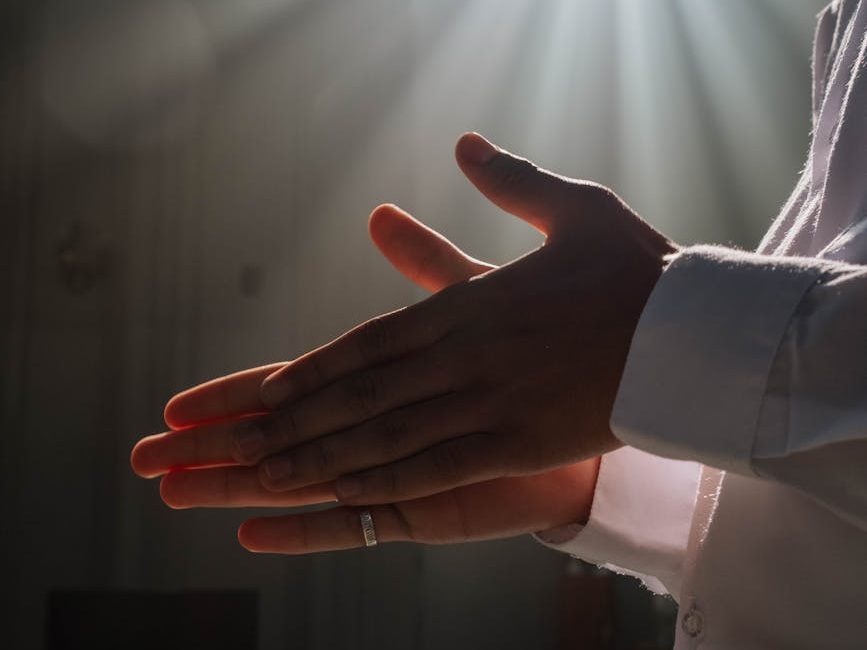
Prayer isn’t presented as an occasional refuge, something we reach for only when life unravels; instead, it’s woven into the fabric of everyday living, a steady rhythm of turning towards God in all things. When Paul writes simply, pray continually, he isn’t setting an impossible standard, as if we must speak words without pause, but inviting us into a way of being where awareness of God becomes as natural as breathing.
There’s something deeply freeing in that. Prayer doesn’t have to be polished, or long, or even spoken aloud. It can be a quiet glance of the heart, a whispered thank you, a sigh when words won’t come. In the middle of ordinary moments, washing up, walking the dog, sitting in traffic, God is present, and prayer becomes less about stepping away from life and more about letting God meet us within it.
Over time, this kind of continual prayer reshapes us. We begin to notice more, to listen more carefully, to carry both joy and concern into God’s presence without hesitation. Gratitude surfaces more easily, not because life is always easy, but because we’ve learnt to recognise grace threaded through it. Even our worries start to loosen their grip, as they’re gently handed over again and again.
There’s also honesty here. To pray continually means we don’t have to hide the shifting landscape of our hearts. Frustration, doubt, hope, delight, all of it belongs. God isn’t waiting for a curated version of us, but welcoming the real thing. In that openness, prayer becomes less a duty and more a relationship, alive, dynamic, and deeply personal.
And perhaps most quietly, continually turning towards God reminds us we’re never alone. In every moment, whether we feel it or not, God is near. Prayer keeps that truth close, like a steady flame, lighting even the smallest corners of our days.
 John Ager's Home on the Web!