
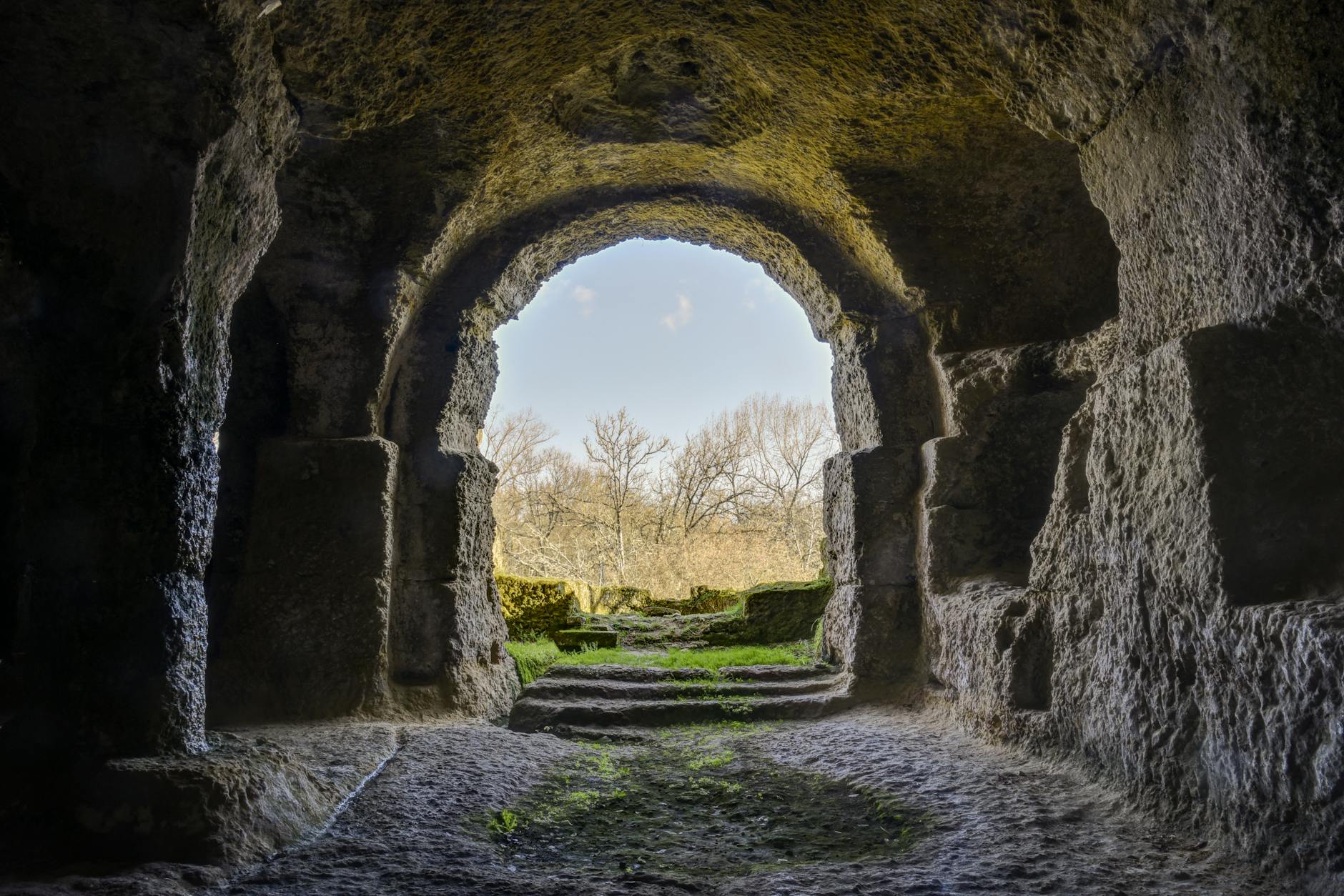
The words arrive like a shock to the system, simple yet world-changing: he is not here; he has risen. What began in grief, confusion, and the heavy silence of a sealed tomb is suddenly undone by life. The women come expecting to tend a body, to honour what they believe is a finished story, yet instead they are met with absence, and in that absence, everything is made new.
Resurrection doesn’t announce itself with noise or spectacle, but with a quiet, disorienting truth that refuses to fit our expectations. Death, which always seems so final, so immovable, is revealed to be something less than we feared. The stone is rolled away, not just from a grave, but from the assumptions we carry about endings, loss, and what’s possible for God.
There’s something deeply human in the women’s first response; they are perplexed, even afraid. Hope can feel risky when we’ve already braced ourselves for disappointment. Yet the message remains: why do you look for the living among the dead? It’s a gentle challenge, inviting a shift in perspective. How often do we search for life in places marked by defeat, or assume that what looks finished truly is?
Resurrection speaks into those quiet tombs we carry, the places where hope has been buried, where prayers seem unanswered, where loss has left its mark. It doesn’t deny the reality of suffering, the cross still stands behind the empty tomb, but it insists that suffering is not the final word. Life, in God’s hands, has a way of breaking through sealed places.
To live in the light of resurrection is to carry a different kind of expectation, a willingness to believe that God is at work even when we cannot see it. It’s to trust that absence may not mean defeat, and that what appears lost might yet be transformed.
He is not here; he has risen. The words still echo, inviting us to step out of fear, to loosen our grip on despair, and to follow the living Christ into a future shaped not by death, but by life that refuses to stay buried.
 John Ager's Home on the Web!